





 Portuguese
  English
  Spanish
  4 min of reading
  0 comments


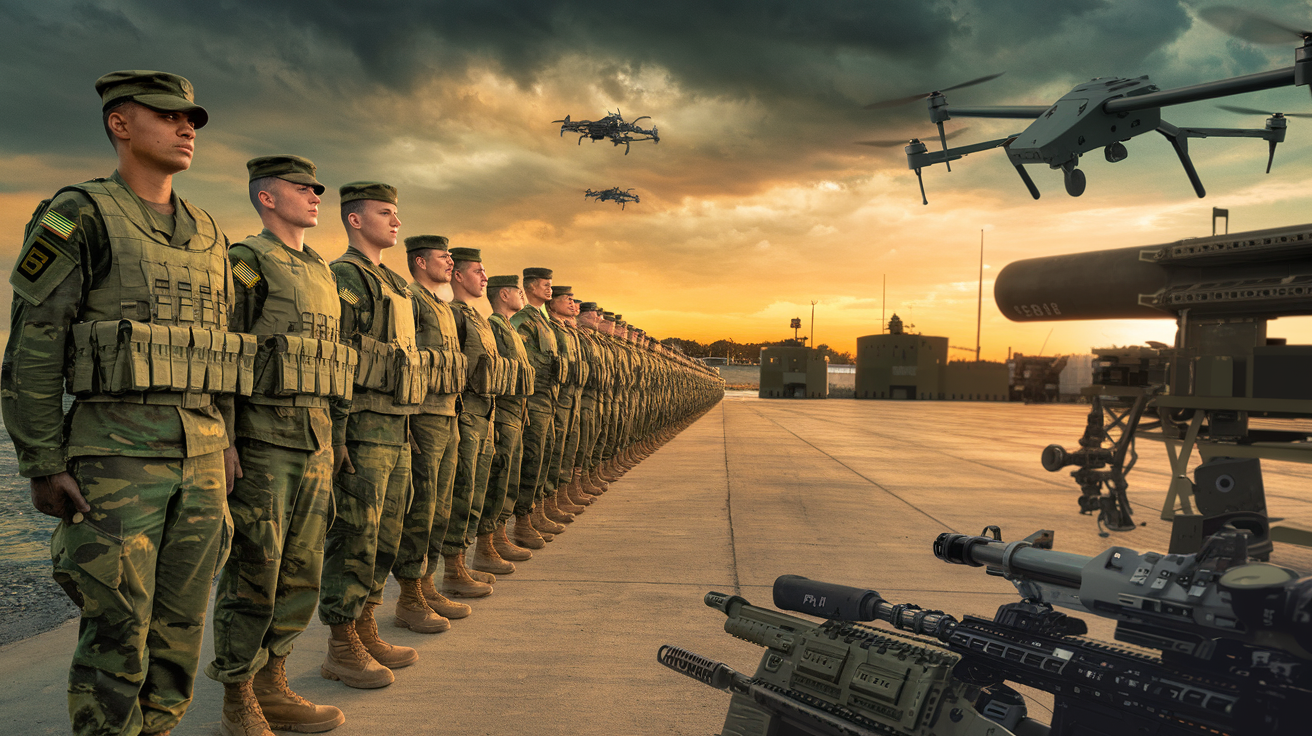
Despite Trillions Invested in Technologies and Arms, Armies Around the World Face a Critical Recruitment Crisis. With Fewer Soldiers Willing to Fight, Military Powers May Be on the Brink of a Strategic Collapse.
Behind the scenes of the largest armed forces on the planet, a growing problem threatens defense strategies: a void in the ranks of soldiers.
Despite astronomical investments, exceeding trillions of dollars, the most powerful nations are struggling against an unexpected challenge.
This is not about insufficient technological advancements or lack of armaments, but something more human — and at the same time more complex.
-
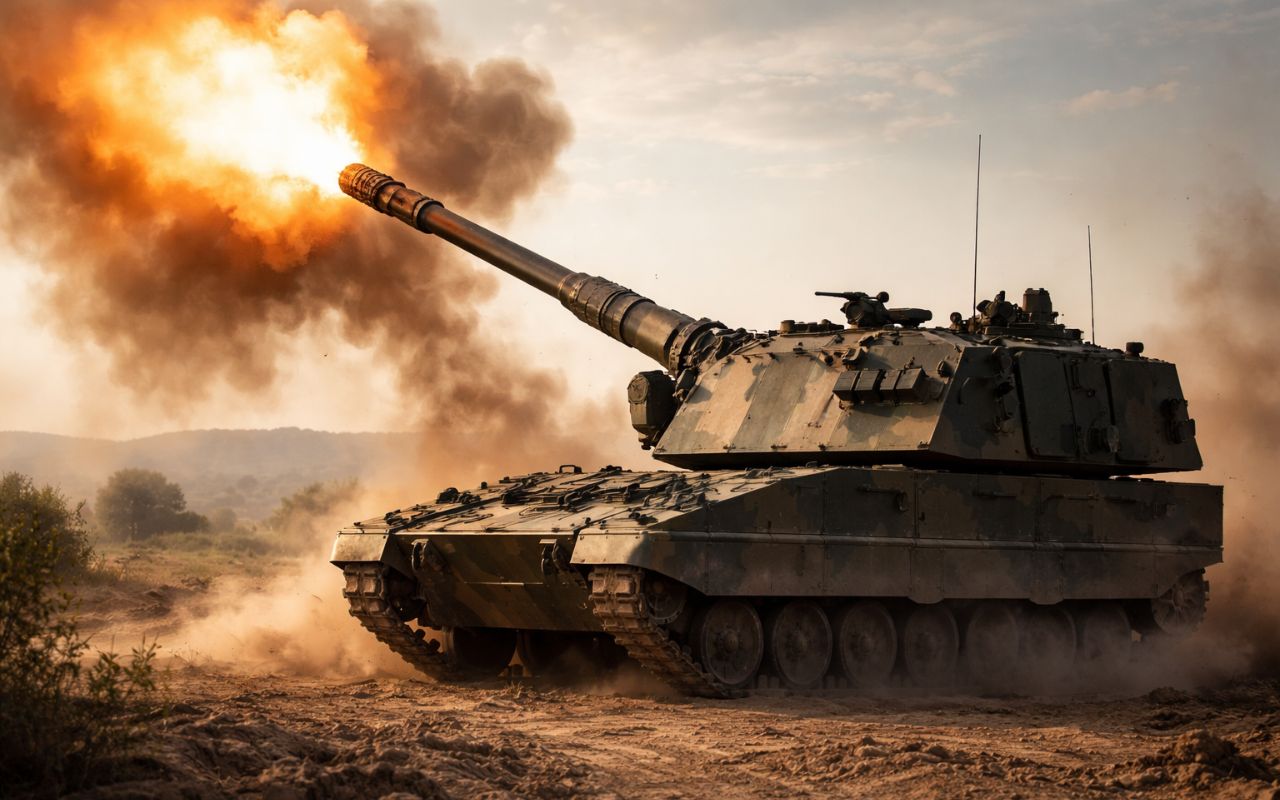
The German “steel monster” weighing 55 tons fires up to 10 projectiles per minute at over 40 km and avoids counterattacks on the battlefield by moving quickly to escape enemy attacks; meet the Panzerhaubitze 2000.
-
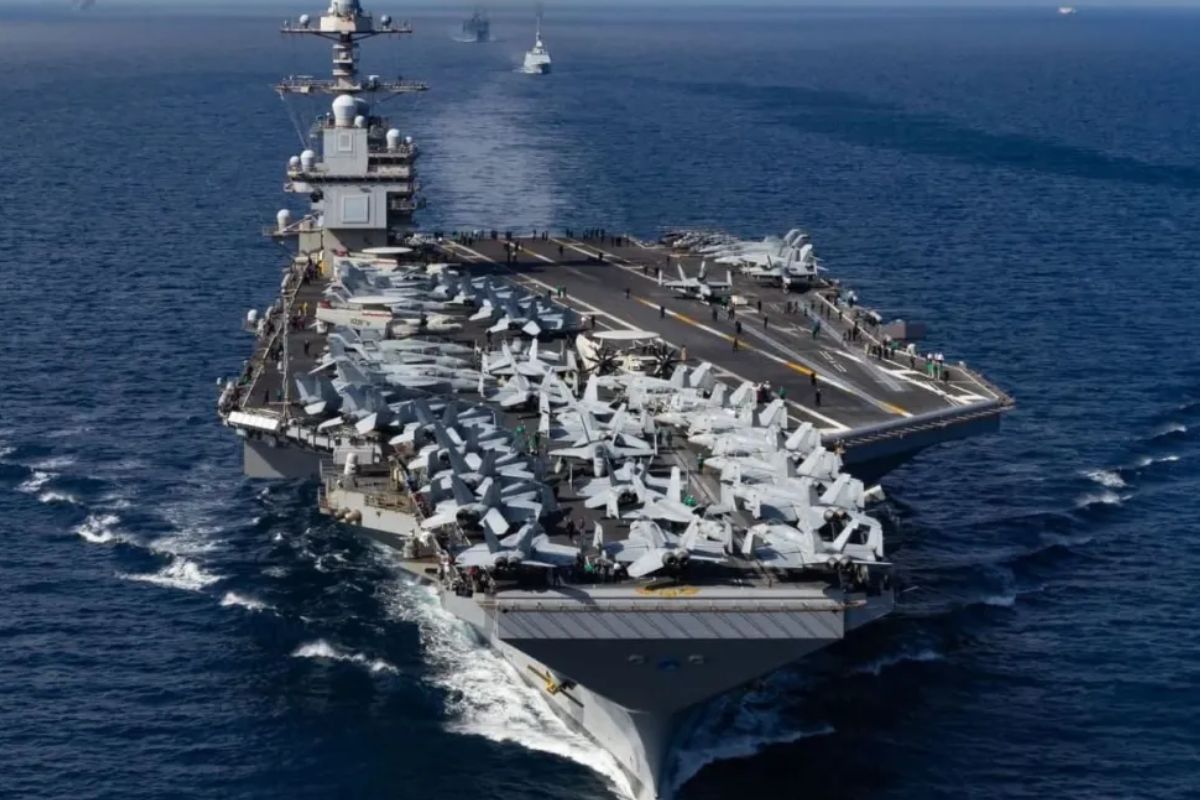
USS Gerald R. Ford, the largest aircraft carrier in the world, returns to sea after a fire in the laundry in the Red Sea; repaired in Crete, it resumes missions of Operation Epic Fury against Iran.
-
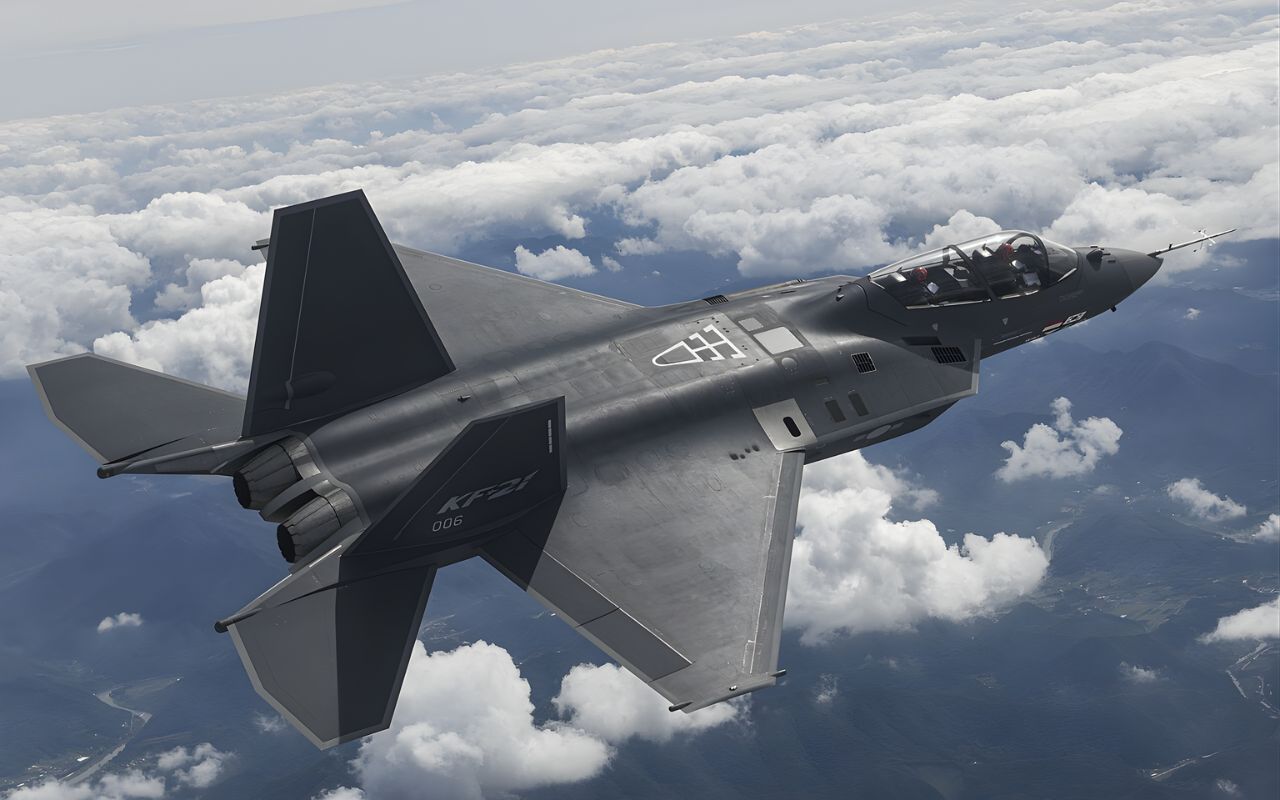
Military power: South Korea’s new KF-21 fighter jet will be a key component in replacing the aging aircraft of the air force, placing the country on the map of air military powers.
-
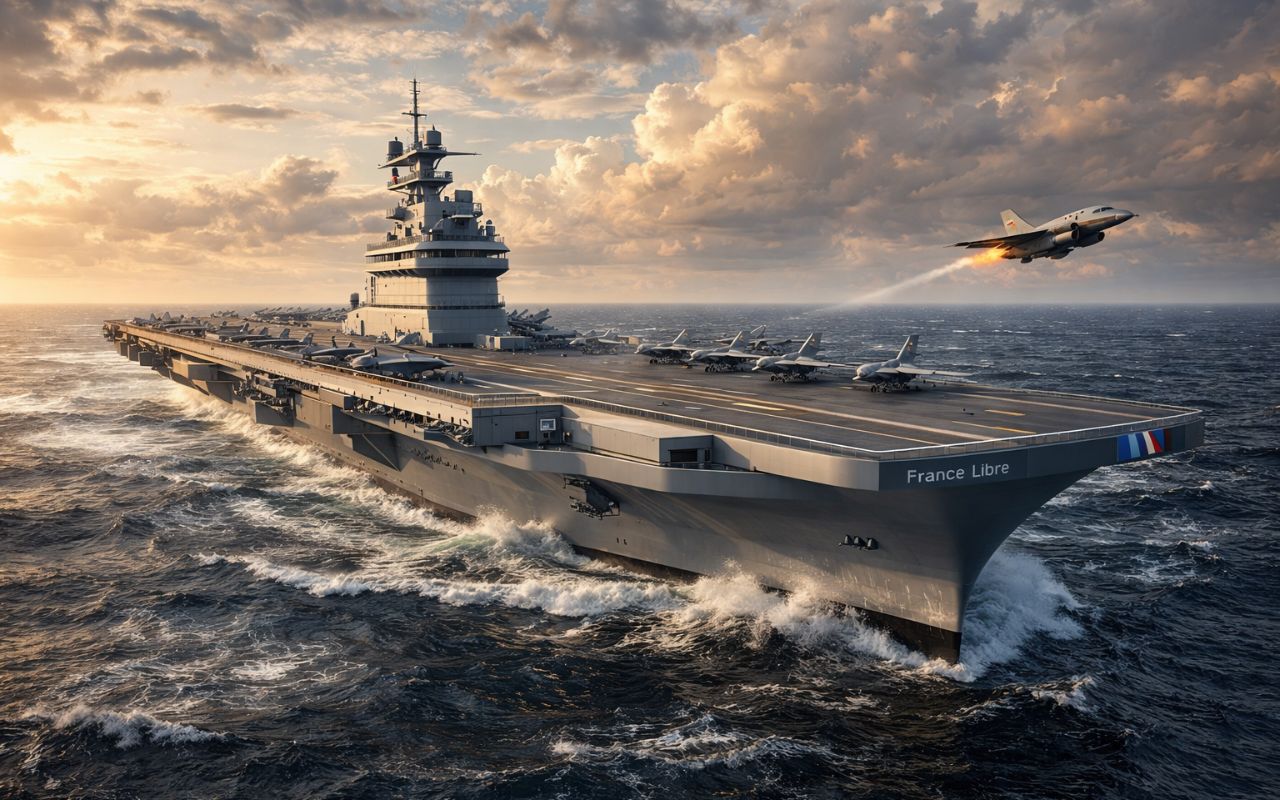
With 310 meters, 80 thousand tons, and capable of operating for 45 years, the new nuclear aircraft carrier France Libre will be the largest in France and will enter service in 2038.

The lack of qualified soldiers to operate state-of-the-art equipment and sustain operations in prolonged conflicts is putting the world’s major military powers on alert.
According to the Stockholm International Peace Research Institute (Sipri), global defense spending reached a historic record of US$ 2.43 trillion in 2023.
However, efforts to modernize armies and make armed forces more agile face a persistent obstacle: the insufficient number of military personnel.
Increasing Budgets, Decreasing Results
Member countries of the North Atlantic Treaty Organization (NATO) have increased their defense investments by 50% since 2014, when Russia annexed Crimea.
However, these resources have not been directed toward bolstering the human contingent.
According to the International Institute for Strategic Studies (IISS) based in London, the average budget for military personnel in Europe has decreased from 60% to 40% over the last decade.
While modern equipment dominates arsenals, such as drones and high-precision weapons, experts warn that the absence of well-trained soldiers is a significant weakness.
The conflict between Russia and Ukraine, which began in 2022, highlighted this vulnerability: the high casualty rates on both sides demonstrated that advanced technologies are not enough for prolonged wars.
The Crisis Affects Several Nations
Germany
Despite a record military budget of US$ 63.7 billion in 2023 and the projection of even greater investment in 2024, Germany reported a reduction in the number of active soldiers.
The country had 181,500 military personnel at the end of 2023, 1,500 fewer than the previous year, according to the Ministry of Defense. The goal of reaching 203,000 military personnel by 2031 seems distant.
United Kingdom
The British Army faces similar difficulties. Since 2010, it has failed to meet its recruitment targets. In 2023, the shortfall was 5,800 soldiers.
According to the British Ministry of Defense, the shortage even affects the regular active force, making it difficult to maintain basic operations.
United States:
The world’s largest military power also suffers from a lack of recruits. In 2022, the U.S. Army failed to meet its target of 60,000 new soldiers, falling 15,000 short of expectations.
In 2023, with an even more ambitious target of 65,000 recruits, the shortfall reached 10,000. Currently, the active American regular force is the smallest since the pre-World War II period, with 452,000 soldiers.
Demographic and Cultural Factors
The recruitment crisis is not just a financial or technological issue. Experts point to demographic trends and cultural shifts as key factors.
According to Professor Ronaldo Carmona from the Higher War School, population aging is one of the main reasons for the shortage of soldiers.
“With fewer young people in the market, there is fierce competition between the productive, financial, and military sectors,” he explains.
Additionally, research indicates that young people are increasingly less willing to enlist.
A Gallup survey in 2024 revealed that only 52% of respondents said they would fight for their country, a significant drop from the 61% recorded in 2014.
The Chinese “Paper Dragon”
Even China, with its vast population, is not immune to the crisis.
In 2023, the People’s Liberation Army (PLA) admitted to facing difficulties in finding qualified soldiers to operate high-tech equipment.
Despite being the largest army in terms of personnel, with 2 million active military, the country faces criticism from analysts who call it a “paper dragon” due to its reliance on technology without adequate operators.
Reports indicate that the Chinese government has taken drastic measures to reverse the situation, including changing the enlistment system and recruiting veterans.
However, most young Chinese prefer to enter the private sector, which is considered more financially attractive.
The Future of Armed Forces
With the escalation of geopolitical tensions and the global increase in armed conflicts, the challenge of soldier shortages is becoming increasingly urgent.
While technological advancements are essential, experts agree that human strength remains indispensable for global security.
And what do you think, will technology be able to replace the need for human soldiers, or will the recruitment crisis mark the end of military powers as we know them? Leave your opinion in the comments!







Seja o primeiro a reagir!