





 Portuguese
  English
  Spanish
  4 min of reading
  0 comments


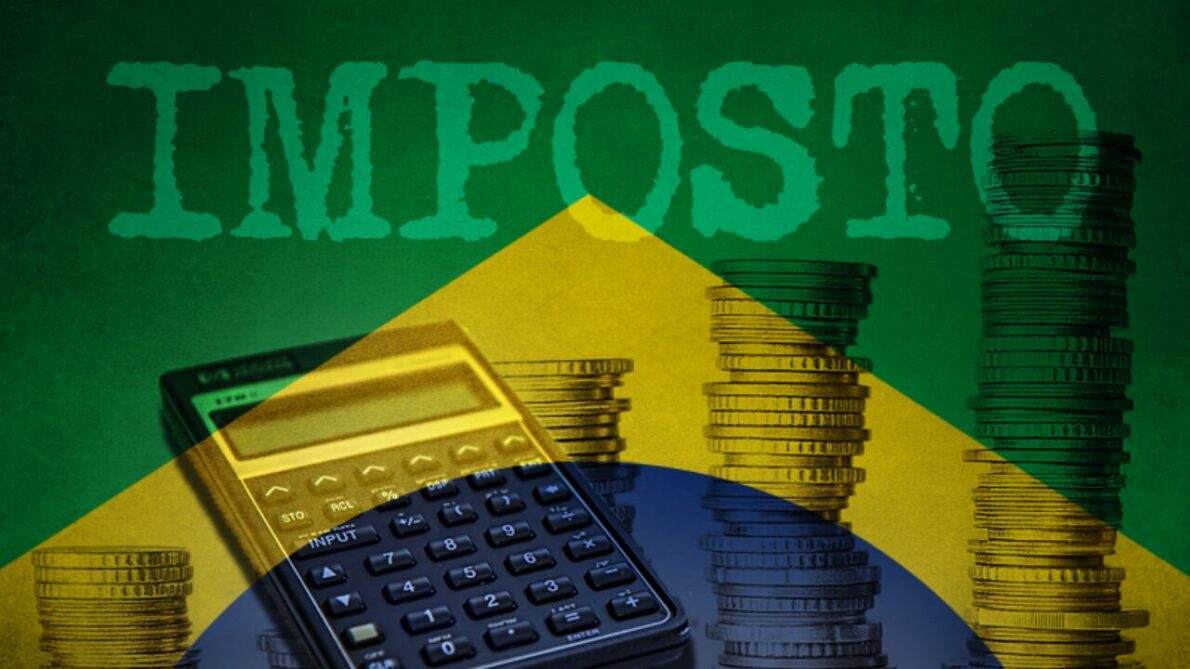
How Indirect Taxes Impact the Pockets of Brazilian Citizens: Understand the Tax Burden You Pay Without Noticing.
The issue of taxes is a constant concern for Brazilians. However, many are unaware that, contrary to popular belief, Brazil is not among the countries with the highest global tax burden. Instead, it is one of the countries with the highest concentration of indirect taxes. These taxes are not directly visible, which causes most Brazilians to pay taxes without noticing.
Indirect Taxes: How Do They Work?
Indirect taxes are those included in the consumption of goods and services. This means the cost of these taxes is passed on to consumers, rather than directly to income earners or asset holders.
In other words, these taxes are embedded in the prices of the products and services we purchase daily, such as food, clothing, furniture, and various services.
-
China alone accounts for 70% of trade within the BRICS, while Brazil establishes itself as an essential supplier of food and minerals: understand how the group, which already represents nearly 40% of the world’s GDP, is changing the game.
-
Starting in May, those who do not have registered biometrics will not be able to apply for Bolsa Família, sickness benefits, or unemployment insurance: understand the new rule that changes access to benefits for millions of Brazilians.
-
A new law being voted on in Brazil proposes a minimum fare of R$ 10 per trip and R$ 2.50 per kilometer for Uber and 99 drivers, and promises to ensure they earn as well as taxi drivers did during the golden age of taxis in the country.

-
Bauer Group collapses after failed judicial recovery: 25 years, 800 vehicles, and a network of gas stations leave a debt of R$ 50 million and 100 layoffs, exposing costs, tight margins, and expensive credit in Brazil.


In Brazil, about 49.7% of taxes are indirect, according to data from the National Association of Federal Revenue Auditors (Anfip).
This form of taxation contributes to many Brazilians not realizing how much they are paying in taxes.
The indirect tax burden can significantly impact family budgets, especially those with lower purchasing power.
Main Indirect Taxes in Brazil
The four main indirect taxes in Brazil are:
- Tax on Circulation of Goods and Services (ICMS)
The ICMS is a state tax that applies to the circulation of goods and the provision of transportation and telecommunications services.
Each Brazilian state can adopt its own rules for collection, which causes the ICMS rate to vary from region to region.
This tax is present in practically all products and services sold, including food, electronics, and transportation and telecommunications services.
- Service Tax (ISS)
The ISS is charged on the provision of services, both by companies and by self-employed professionals.
It covers a wide range of services, from beauty services like haircuts to professional services such as consulting and medical appointments.
The collection of ISS can be found in practically all sectors that provide services, reflecting its importance in tax revenue.
- Tax on Industrialized Products (IPI)
The IPI is a federal tax applied to industrialized products, whether they are domestic or imported.
This tax affects items such as automobiles, household appliances, alcoholic beverages, and hygiene and beauty products.
The incidence of IPI is noticeable in many daily consumer products, contributing to the indirect tax burden.
- Import Tax (II)
The II is applied to imported goods and travelers’ luggage from abroad.
This includes a wide variety of products, from clothing and accessories to electronics and toys.
The application of this tax reflects the complexity of international transactions and the impact of imports on the final cost of products in Brazil.
Impact on the Lives of Brazilian People
The impact of indirect taxes is significant, especially for Brazilians with lower incomes. To illustrate, consider the purchase of a mobile phone that costs R$ 1,000.
Of this amount, around R$ 400 is allocated to taxes, representing a considerable tax burden.
This cost can weigh disproportionately depending on the consumer’s income bracket.
For a housekeeper earning R$ 2,200 per month, the R$ 400 in taxes represents approximately 20% of her income.
In contrast, for a sales manager earning R$ 16,500, the same amount corresponds to only 2.5% of his income.
This example clearly demonstrates the regressivity of the tax system, where indirect taxes have a more severe weight on those with fewer resources.
In addition to indirect taxes, there is also inequality in the distribution of direct taxes, such as IPVA and IPTU.
Low-income families allocate a larger percentage of their income to these taxes compared to wealthier families.
For example, while a family with a minimum wage spends an average of 3.46% of their income on IPVA, a family with an income over 36 minimum wages spends only 0.68%.
The same happens with IPTU, where the tax represents 1.62% of the income of a poor family and only 0.65% for a wealthy family.
These discrepancies highlight the inequality in the Brazilian tax system, showing how indirect and direct taxes disproportionately affect different layers of the population.
The concentration of the tax burden in indirect rates contributes to a greater burden on consumers, especially those with lower incomes, and perpetuates economic inequality.










Seja o primeiro a reagir!