






 Portuguese
  Spanish
  4 min of reading
  0 comments


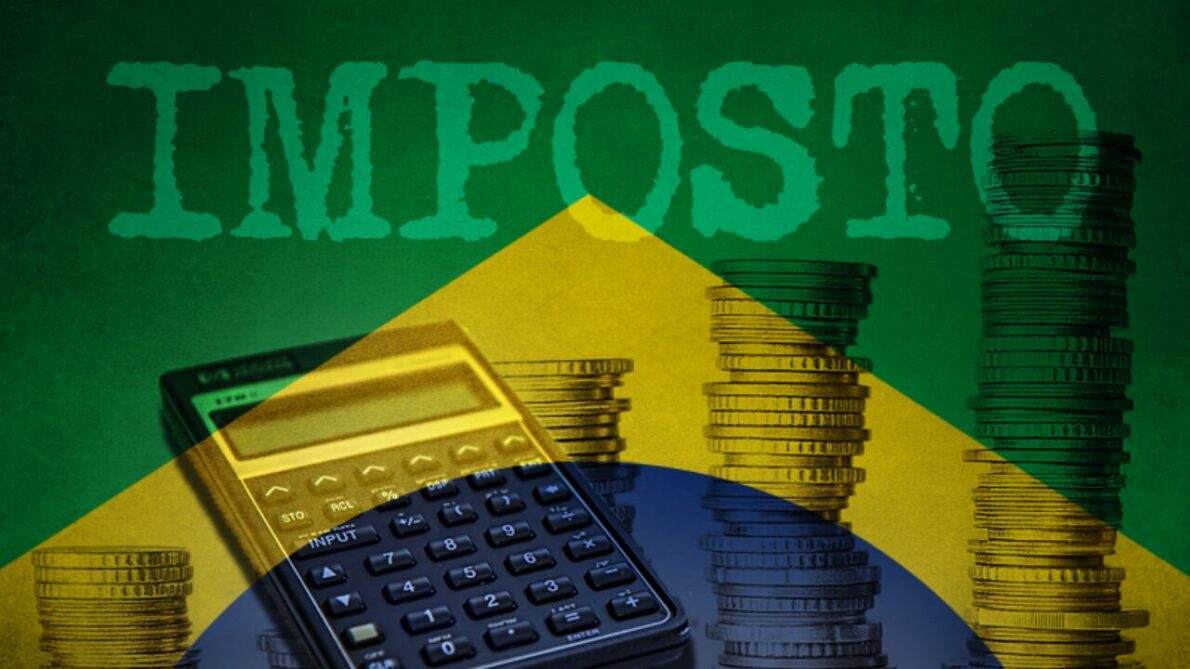
How Indirect Taxes Impact the Pockets of Brazilian Citizens: Understand the Tax Burden You Pay Without Noticing.
The issue of taxes is a constant concern for Brazilians. However, many are unaware that, contrary to popular belief, Brazil is not among the countries with the highest global tax burden. Instead, it is one of the countries with the highest concentration of indirect taxes. These taxes are not directly visible, which causes most Brazilians to pay taxes without noticing.
Indirect Taxes: How Do They Work?
Indirect taxes are those included in the consumption of goods and services. This means the cost of these taxes is passed on to consumers, rather than directly to income earners or asset holders.
In other words, these taxes are embedded in the prices of the products and services we purchase daily, such as food, clothing, furniture, and various services.
-
The urgent need to implement a severe cut in public spending and a massive increase in taxes, in addition to drastically compromising the quality of basic services and the purchasing power of the population, could result in social unrest in the country, with the population leading protests, strikes, and frequent disturbances.

-
FIRJAN’s mega plan of R$ 526.3 billion for Rio de Janeiro aims to revive Brazil’s largest industry, with two-thirds of the investments going to oil and gas.

-
China signals an increase in beef imports, Brazil has already consumed 70% of the 1.106 million ton quota and seeks to renegotiate the tariff that jumps from 12% to 55%, while demand from the US also skyrockets.
-
Food inflation rose 302% in 20 years in Brazil, but the supermarket changed: purchasing power yielded 87% more mortadella and 31% less fruit, and ultra-processed foods took over the cart.




In Brazil, about 49.7% of taxes are indirect, according to data from the National Association of Federal Revenue Auditors (Anfip).
This form of taxation contributes to many Brazilians not realizing how much they are paying in taxes.
The indirect tax burden can significantly impact family budgets, especially those with lower purchasing power.
Main Indirect Taxes in Brazil
The four main indirect taxes in Brazil are:
- Tax on Circulation of Goods and Services (ICMS)
The ICMS is a state tax that applies to the circulation of goods and the provision of transportation and telecommunications services.
Each Brazilian state can adopt its own rules for collection, which causes the ICMS rate to vary from region to region.
This tax is present in practically all products and services sold, including food, electronics, and transportation and telecommunications services.
- Service Tax (ISS)
The ISS is charged on the provision of services, both by companies and by self-employed professionals.
It covers a wide range of services, from beauty services like haircuts to professional services such as consulting and medical appointments.
The collection of ISS can be found in practically all sectors that provide services, reflecting its importance in tax revenue.
- Tax on Industrialized Products (IPI)
The IPI is a federal tax applied to industrialized products, whether they are domestic or imported.
This tax affects items such as automobiles, household appliances, alcoholic beverages, and hygiene and beauty products.
The incidence of IPI is noticeable in many daily consumer products, contributing to the indirect tax burden.
- Import Tax (II)
The II is applied to imported goods and travelers’ luggage from abroad.
This includes a wide variety of products, from clothing and accessories to electronics and toys.
The application of this tax reflects the complexity of international transactions and the impact of imports on the final cost of products in Brazil.
Impact on the Lives of Brazilian People
The impact of indirect taxes is significant, especially for Brazilians with lower incomes. To illustrate, consider the purchase of a mobile phone that costs R$ 1,000.
Of this amount, around R$ 400 is allocated to taxes, representing a considerable tax burden.
This cost can weigh disproportionately depending on the consumer’s income bracket.
For a housekeeper earning R$ 2,200 per month, the R$ 400 in taxes represents approximately 20% of her income.
In contrast, for a sales manager earning R$ 16,500, the same amount corresponds to only 2.5% of his income.
This example clearly demonstrates the regressivity of the tax system, where indirect taxes have a more severe weight on those with fewer resources.
In addition to indirect taxes, there is also inequality in the distribution of direct taxes, such as IPVA and IPTU.
Low-income families allocate a larger percentage of their income to these taxes compared to wealthier families.
For example, while a family with a minimum wage spends an average of 3.46% of their income on IPVA, a family with an income over 36 minimum wages spends only 0.68%.
The same happens with IPTU, where the tax represents 1.62% of the income of a poor family and only 0.65% for a wealthy family.
These discrepancies highlight the inequality in the Brazilian tax system, showing how indirect and direct taxes disproportionately affect different layers of the population.
The concentration of the tax burden in indirect rates contributes to a greater burden on consumers, especially those with lower incomes, and perpetuates economic inequality.





Be the first to react!