





 Portuguese
  English
  Spanish
  2 min of reading


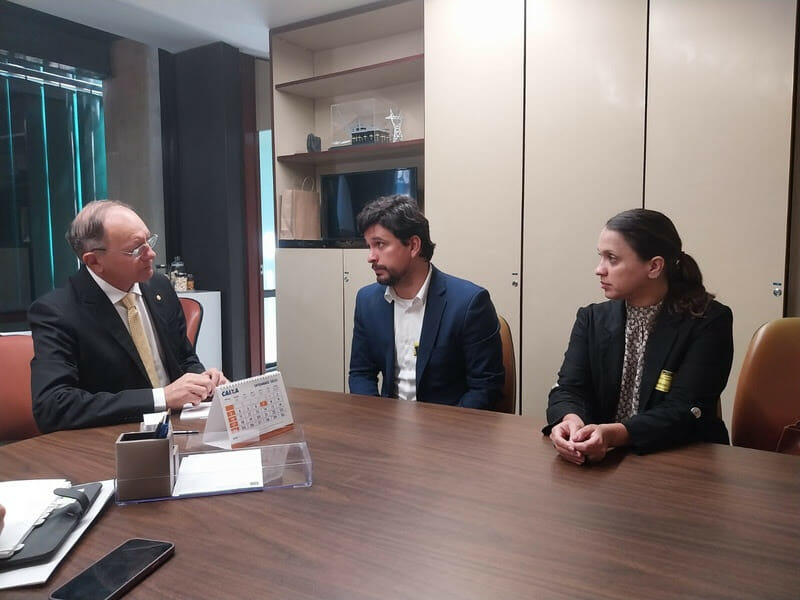
ORPLANA Seeks Parliamentary Support for a Law That Will Increase Sugarcane Producers’ Participation in the Issuance of Decarbonization Credits (CBIOs) Within the RenovaBio Program.
ORPLANA – Organization of Sugarcane Producers Associations of Brazil, a relevant entity in the biofuels industry, is leading an initiative to change existing legislation. Last Wednesday (9), the organization’s CEO, José Guilherme Nogueira, and the relationship manager, Luiza Magalhães, met in Brasília with Deputy Benes Leocádio (UNIÃO-RN), the rapporteur of Bill 3149/2020 in the House of Representatives’ Mines and Energy Commission.
The meeting was scheduled to seek support for the approval of a law that will expand the benefits of Decarbonization Credits (CBIOs), a key element in the National Biofuels Policy (RenovaBio), to include sugarcane producers. So far, only the industry had access to these credits, a situation that ORPLANA seeks to change.
Processing and Details of the Project
The project has already passed the scrutiny of the Agriculture Commission and is currently under analysis in the House of Representatives’ Mines and Energy Commission. However, it still awaits evaluation from other commissions, including Environment and Sustainable Development, Finance and Taxation, and Constitution and Justice, before being sent for Senate approval.
-
Lula announced that 160,000 students in debt with FIES will be included in the federal government’s renegotiation package and compared the cost of an inmate to that of a student by saying that Brazil invests in criminals when it does not invest in education.

-
Young people are leaving college in the United States and competing for jobs in construction with salaries of R$ 500,000 per year.

-
The minimum wage for 2027 could reach R$ 1,717, and the value circulating in government circles is beginning to raise curiosity as it suggests possible changes in income, social benefits, and the purchasing power of millions of Brazilians.

-
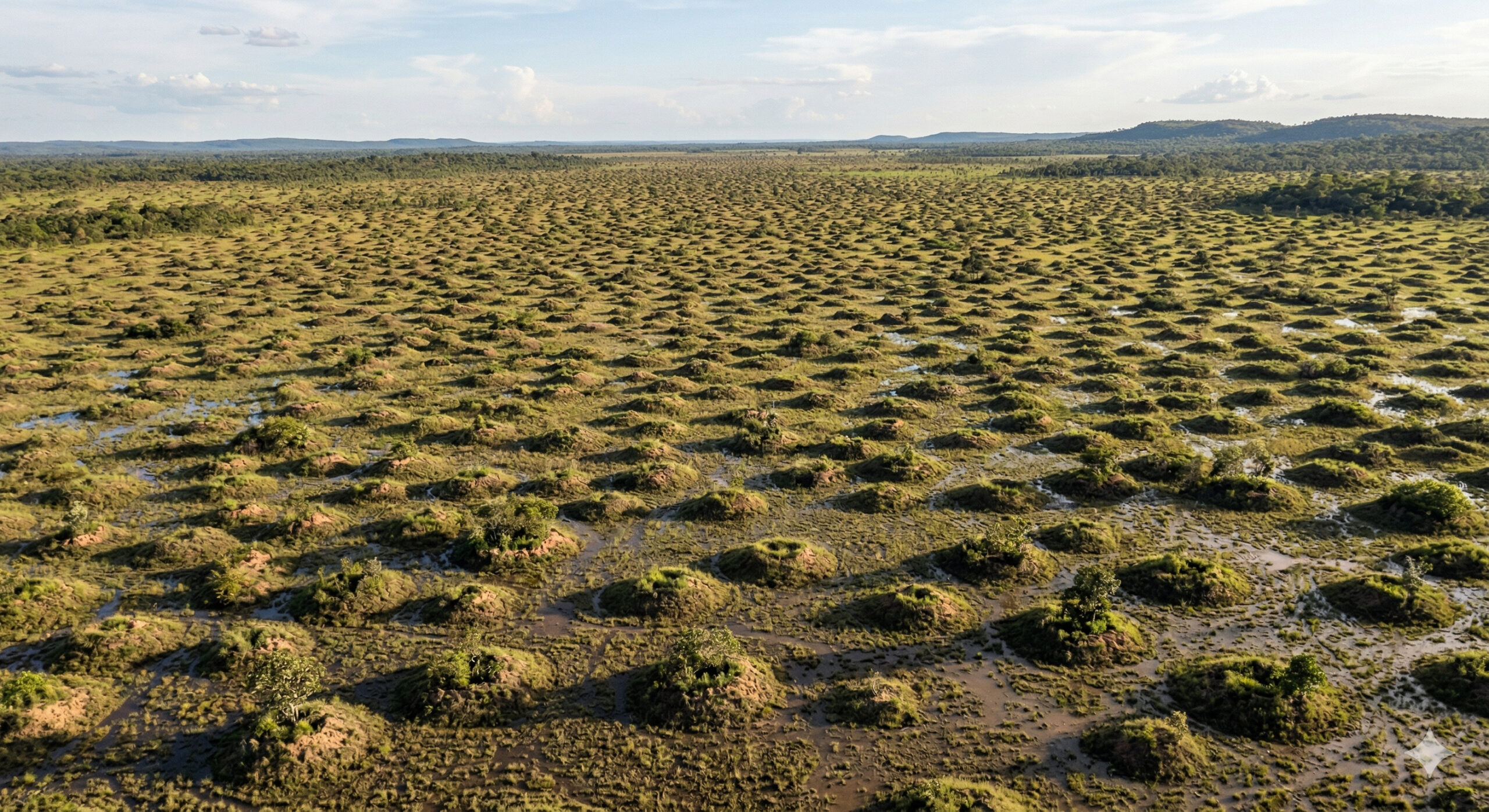
In the Brazilian Cerrado, the fields of murundus spread thousands of mounds up to 20 meters in diameter and over 1.5 meters in height in almost regular patterns over waterlogged soils, and the most accepted explanation points to termites reshaping the land for centuries until creating a landscape that looks drawn from above.
The legislative text provides for a restructuring of the remuneration of CBIOs and proposes a division in the sale, allocating 80% of the funds to rural producers of raw materials for biofuels. The approval would benefit not only sugarcane producers, but also other productive chains such as soy, corn, castor, and palm oil.
A Step Towards Decarbonization
Deputy Leocádio was receptive to the concerns presented by ORPLANA, understanding the importance of the project for rural producers. The issue of CBIOs is vital to encourage independent biofuel production, essential in the global journey towards decarbonization.
José Guilherme Nogueira expressed optimism after the meeting, emphasizing that “Rural producers need to have this independence regarding CBIOs, without depending on the biofuel production unit, especially since this raw material will become the biofuel that will help decarbonize the planet.”
The meeting between ORPLANA and Deputy Benes Leocádio marks an important step in the fight for fairer legislation in the biofuels sector. The approval of the bill would represent a significant milestone for rural producers and the National Biofuels Policy, aligned with sustainable development and decarbonization goals. The situation continues to be closely monitored by stakeholders in the energy and environment sector, highlighting the importance of inclusive policies that benefit everyone involved in the biofuels production chain.








Seja o primeiro a reagir!