






 Portuguese
  Spanish
  2 min of reading


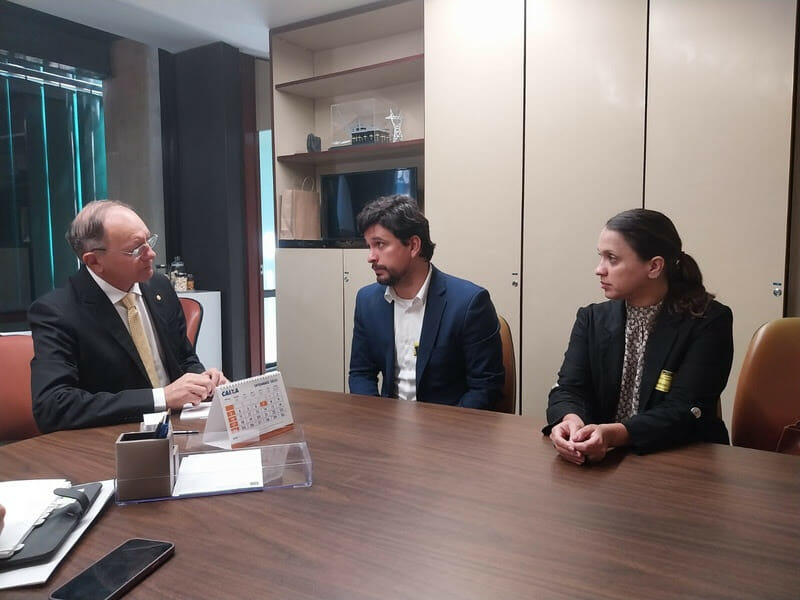
ORPLANA Seeks Parliamentary Support for a Law That Will Increase Sugarcane Producers’ Participation in the Issuance of Decarbonization Credits (CBIOs) Within the RenovaBio Program.
ORPLANA – Organization of Sugarcane Producers Associations of Brazil, a relevant entity in the biofuels industry, is leading an initiative to change existing legislation. Last Wednesday (9), the organization’s CEO, José Guilherme Nogueira, and the relationship manager, Luiza Magalhães, met in Brasília with Deputy Benes Leocádio (UNIÃO-RN), the rapporteur of Bill 3149/2020 in the House of Representatives’ Mines and Energy Commission.
The meeting was scheduled to seek support for the approval of a law that will expand the benefits of Decarbonization Credits (CBIOs), a key element in the National Biofuels Policy (RenovaBio), to include sugarcane producers. So far, only the industry had access to these credits, a situation that ORPLANA seeks to change.
Processing and Details of the Project
The project has already passed the scrutiny of the Agriculture Commission and is currently under analysis in the House of Representatives’ Mines and Energy Commission. However, it still awaits evaluation from other commissions, including Environment and Sustainable Development, Finance and Taxation, and Constitution and Justice, before being sent for Senate approval.
-
For the first time in history, solar and wind energy generated more electricity than natural gas worldwide in a single month, April 2026, a milestone in the energy transition that shows renewable sources taking the lead in the global electric system.

-
Petrobras is expected to complete the drilling of the Morpho well in the Foz do Amazonas in August 2026, the first well in the Equatorial Margin, an oil frontier that the ANP estimates at more than 30 billion barrels and could redraw the map of Brazil.
-
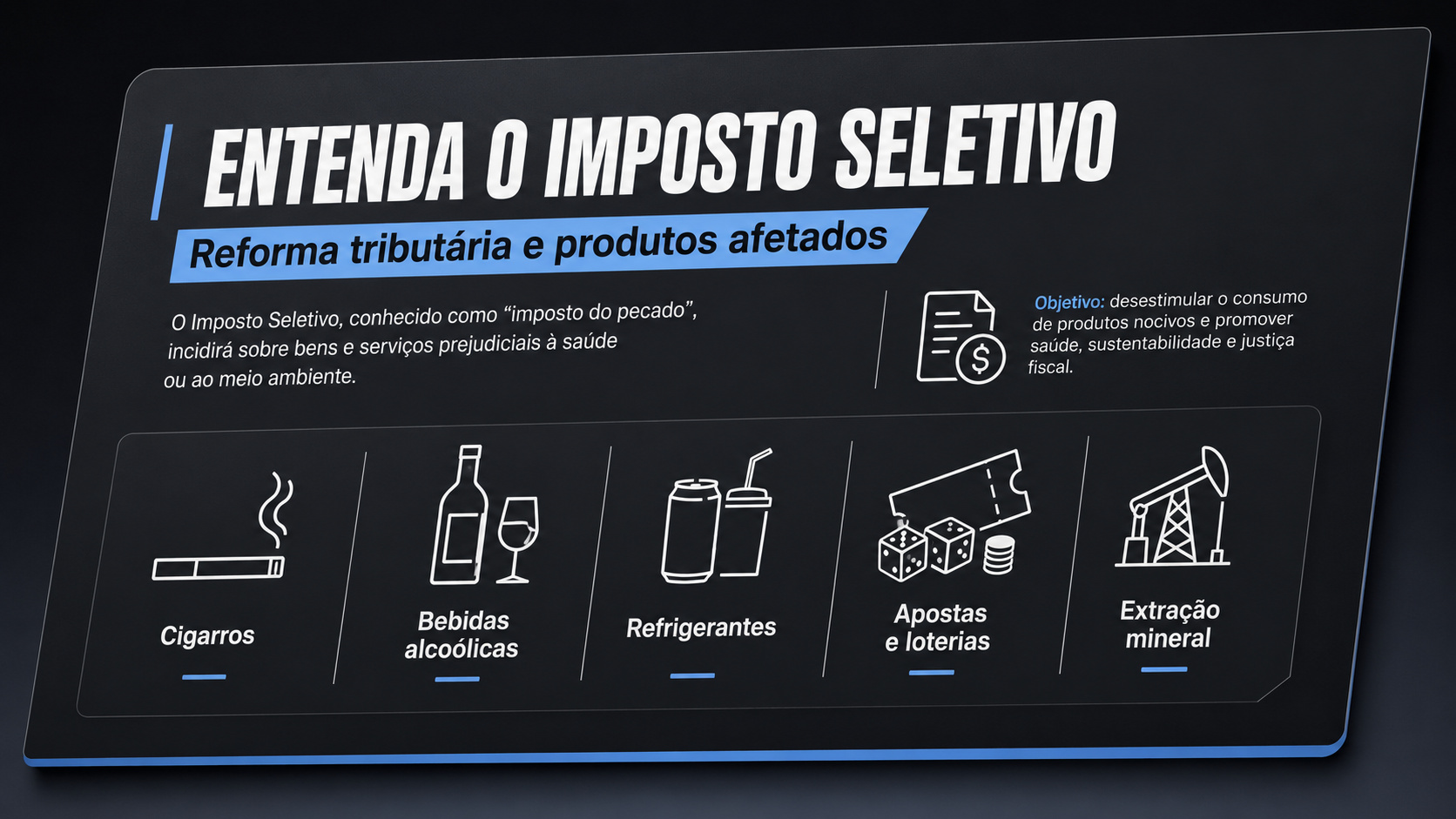
Government confirms sin tax for 2027 and explains why alcoholic beverages and cigarettes should not become more expensive right away, despite the new tax also covering soft drinks, polluting vehicles, mineral extraction, lotteries, betting, and fantasy sports games in a change that still depends on Congress.

-
Anvisa reveals flaws in supplements from IDNLABS and suspends 11 batches that include creatine, BCAA, beta-alanine, and multivitamins; the measure affects products with quality, composition, and labeling issues, while consumers are advised to check the printed codes on the packaging.



The legislative text provides for a restructuring of the remuneration of CBIOs and proposes a division in the sale, allocating 80% of the funds to rural producers of raw materials for biofuels. The approval would benefit not only sugarcane producers, but also other productive chains such as soy, corn, castor, and palm oil.
A Step Towards Decarbonization
Deputy Leocádio was receptive to the concerns presented by ORPLANA, understanding the importance of the project for rural producers. The issue of CBIOs is vital to encourage independent biofuel production, essential in the global journey towards decarbonization.
José Guilherme Nogueira expressed optimism after the meeting, emphasizing that “Rural producers need to have this independence regarding CBIOs, without depending on the biofuel production unit, especially since this raw material will become the biofuel that will help decarbonize the planet.”
The meeting between ORPLANA and Deputy Benes Leocádio marks an important step in the fight for fairer legislation in the biofuels sector. The approval of the bill would represent a significant milestone for rural producers and the National Biofuels Policy, aligned with sustainable development and decarbonization goals. The situation continues to be closely monitored by stakeholders in the energy and environment sector, highlighting the importance of inclusive policies that benefit everyone involved in the biofuels production chain.







Be the first to react!