





 Portuguese
  English
  Spanish
  7 min of reading
  0 comments


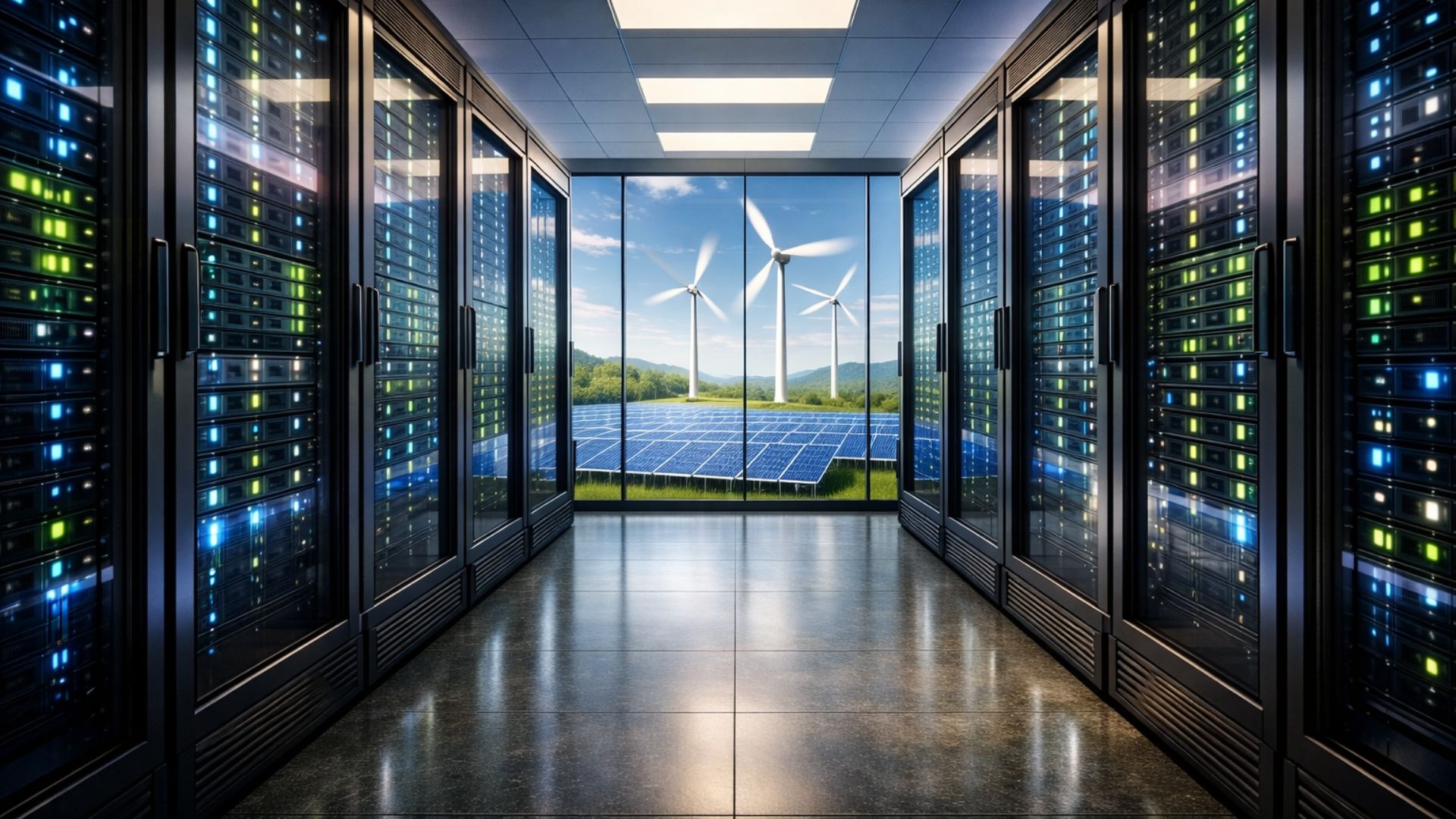
The Expansion of Data Centers in Brazil Can Help Reduce Renewable Energy Waste, Creating New Demand for Clean Electricity and Taking Advantage of Part of the 20% of Generation That Is Currently Not Consumed in the Electrical System.
The expansion of data centers is becoming a strategic alternative to reduce waste of renewable energy in Brazil and enhance the use of clean electricity generated in the country. According to an article published by the Monitor do Mercado website on March 12, the accelerated advancement of solar and wind sources has brought environmental benefits and diversified the Brazilian energy matrix, but it has also revealed a growing problem: a significant portion of the electricity generated cannot be consumed.
According to the Annual Curtailment Balance by Volt Robotics, around 20% of all renewable energy generated in Brazil went unutilized in 2025. The phenomenon occurs when power plants need to reduce production due to limitations in the transmission network or lack of sufficient consumption at that time.
This scenario resulted in estimated losses of R$ 6.5 billion, demonstrating that the issue is not only technical but also economic. When the production of renewable energy needs to be curtailed, the country loses the opportunity to utilize clean electricity, reduce emissions, and strengthen energy security.
-
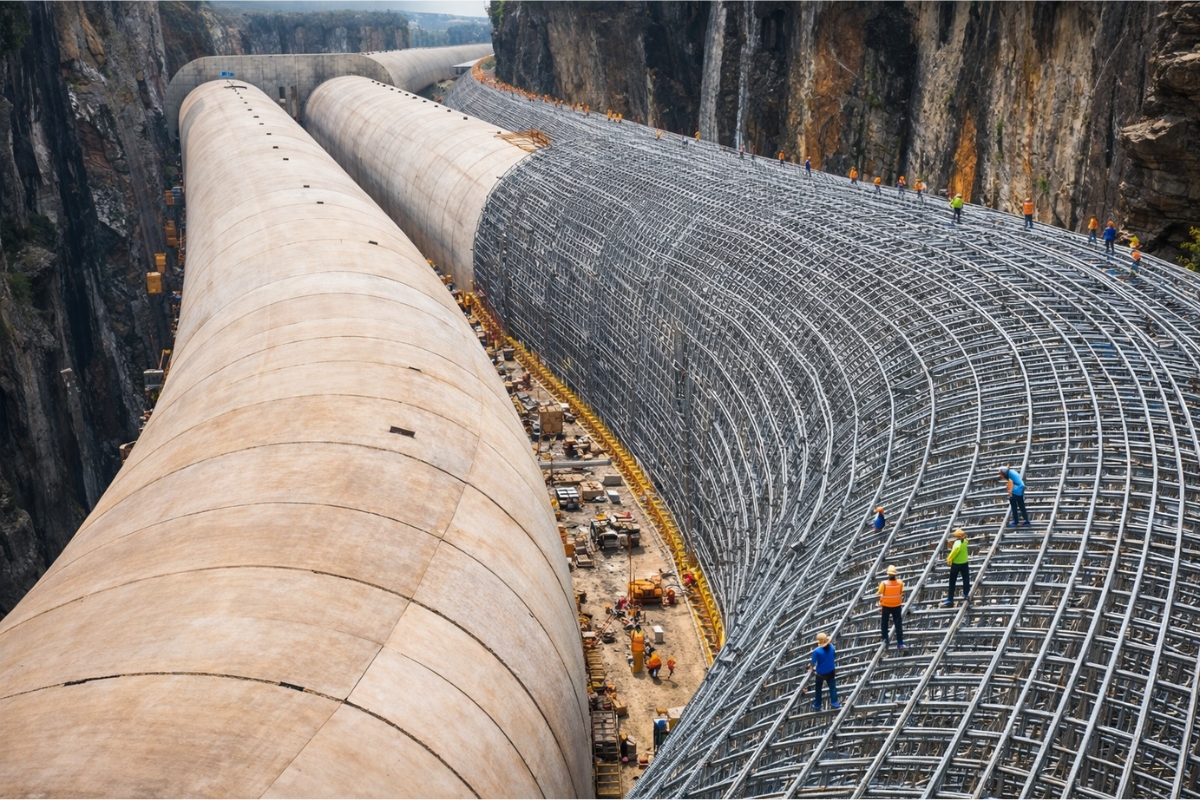
Switzerland invested over $2.3 billion and bet on water, altitude, and solid rock to create a battery in the Alps capable of powering more than 1 million homes.
-
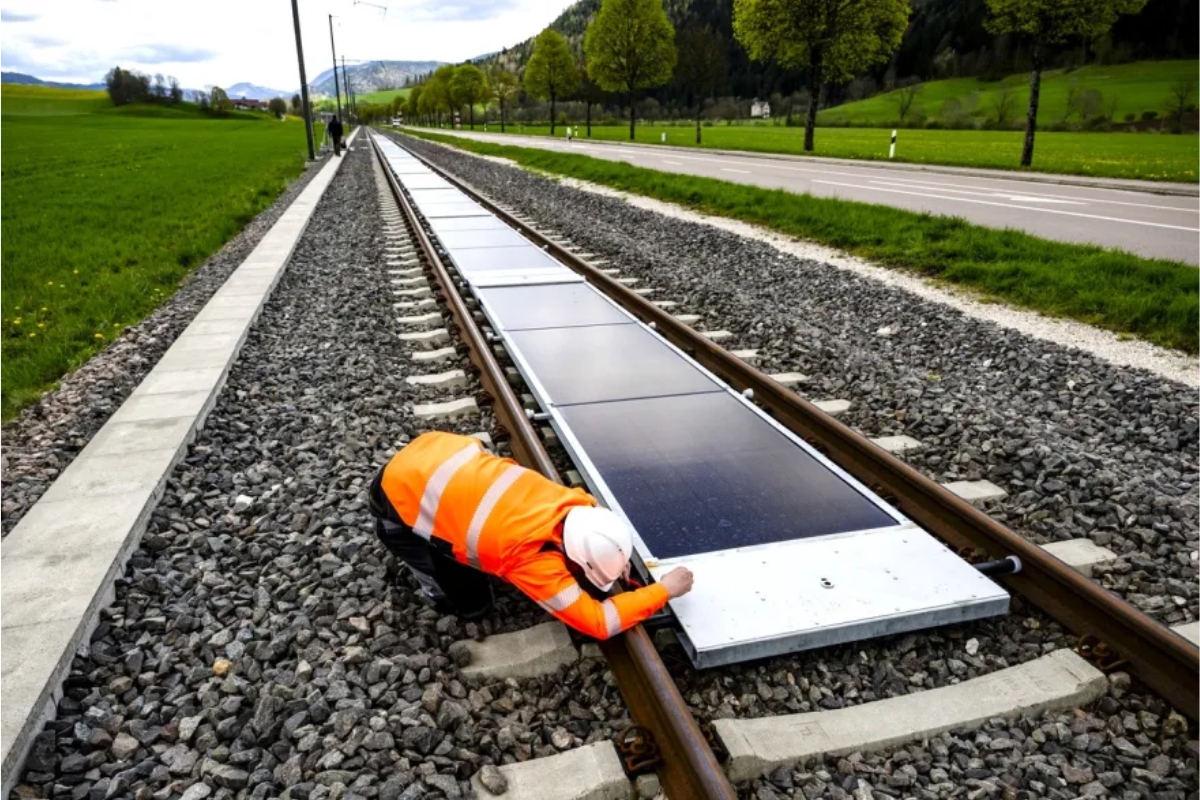
In Switzerland, tracks that previously only accommodated trains are beginning to generate electricity with removable solar panels installed on active railways, paving the way to transform the railway network into a new front for clean energy.
-
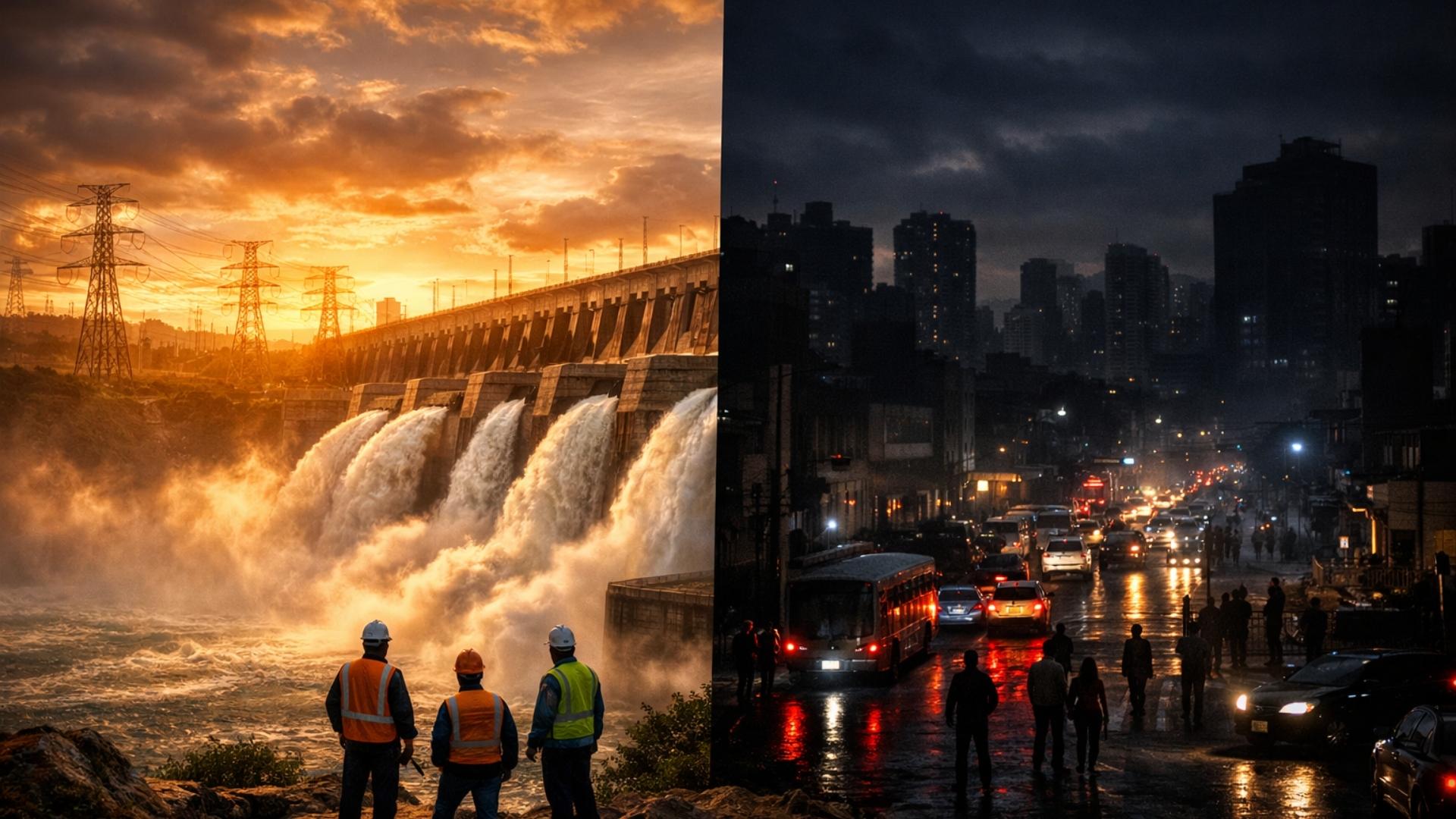
Brazil raises alarm to avoid blackout: the country may need 3 Itaipus and is already wasting up to 5,135 MW of energy on days of excess solar.
-
Renewable energy advances over protected areas in Brazil, and a survey by the Energy Transition Observatory reveals silent impacts that challenge environmental conservation and pressure sensitive traditional territories.


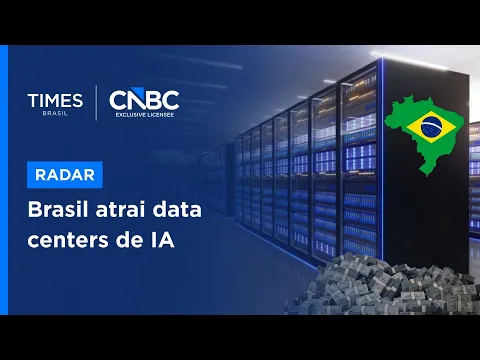
In this context, experts point to the expansion of data centers as a way to absorb part of this surplus. As these infrastructures operate continuously and demand a large volume of energy, they can create stable demand and reduce waste of renewable generation.
Analyses from the DataCenterDynamics platform indicate that the sector could attract up to R$ 500 billion in investments in Brazil in the coming years, reinforcing the potential of this market to contribute to better utilization of the clean electricity available.
Curtailment Exposes the Challenge of Renewable Energy Waste in the Brazilian Electrical System
The growth of renewable generation has been one of the main advances in the energy transition in Brazil. However, the expansion of production does not always keep pace with the transmission infrastructure or consumption.
When the system cannot absorb all the electricity produced, the so-called curtailment occurs, a situation in which power plants need to reduce generation despite the availability of renewable energy. This process generates waste of electricity that could power cities, industries, and new economic activities.
The limitation occurs mainly due to two factors. The first is the capacity of transmission lines, which in some regions does not keep pace with the growth of solar and wind generation. The second is the lack of consumption near the production hubs.
In these cases, even with an abundance of natural resources and generation of clean electricity, the electrical system needs to limit the operation of power plants to maintain the stability of the grid. The result is an energy loss that reduces the efficiency of the renewable matrix.
Therefore, the debate about new forms of energy consumption has gained traction. Among the most discussed alternatives is the installation of data centers near the locations where renewable energy is generated, creating local demand and reducing waste.
Northeast Emerges as a Strategic Hub for New Data Centers Powered by Clean Electricity
Studies by XP Investimentos indicate that the Northeast region of Brazil could become one of the main destinations for new data centers in the country. The region concentrates a large part of the production of renewable energy, especially in wind farms and solar plants.
States such as Bahia, Rio Grande do Norte, Ceará, and Piauí have a high potential for generating clean electricity. At the same time, these states also experience frequent episodes of waste of energy due to limitations in the transmission lines.
The establishment of data centers in these regions can help balance this scenario. By consuming energy directly near the generating sources, these structures contribute to reducing losses and enhancing the use of renewable energy.
Another factor that strengthens this possibility is the growing interest from global companies to operate their digital infrastructures with clean electricity. Major technology companies have set carbon neutrality goals, increasing the search for locations where it is possible to operate data centers powered by renewable sources.
In this context, Brazil presents important competitive advantages, including an abundance of natural resources, renewable generation capacity, and the potential for expansion in the technology sector.
Why Data Centers Can Reduce Waste and Stabilize Renewable Energy Consumption
Data centers are essential structures for the functioning of the internet, cloud computing services, artificial intelligence, and data storage. To maintain these operations, they require a constant and reliable supply of electricity.
This characteristic makes data centers act as large continuous consumers of electricity. Unlike other sectors, which may have variable consumption, these facilities maintain stable demand throughout the day.
This stability can be extremely useful for the electrical system. In regions with significant production of renewable energy, data centers can absorb some of the excess generation that currently becomes waste.
As a result, the clean electricity generated by wind and solar parks can be used more efficiently. Instead of reducing production, generators can direct this renewable energy to power digital operations.
In addition to reducing waste, this model also helps strengthen energy security. The predictable consumption of data centers aids in balancing supply and demand, reducing fluctuations in the system.
This type of integration between energy and digital infrastructure has been discussed in various countries as part of the energy transition and economic modernization strategy.
Integration Between Digital Infrastructure, Connectivity, and Clean Electricity
Experts emphasize that the success of this strategy depends on efficient integration between different sectors of the economy. The expansion of data centers in regions with high production of renewable energy requires planning involving energy, telecommunications, and digital infrastructure. According to Cláudio Calonge, CEO of Briskcom, Brazil has the conditions to transform excess renewable generation into a technological opportunity.
According to the executive, coordination between regulation, infrastructure, and connectivity can enable the expansion of data centers to contribute to reducing waste and increasing the use of clean electricity in the country.
Connectivity is an essential factor in this process. Many locations with high production of renewable energy are in regions far from major urban centers. For data centers to operate in these areas, it is necessary to ensure reliable and high-capacity communication networks.
Moreover, integration with the National Interconnected System is also crucial to ensure electrical stability and efficiency in the use of renewable energy.

Regulatory Obstacles and Infrastructure Still Limit the Expansion of Data Centers
Despite the potential, the expansion of data centers as a solution to waste of renewable energy still faces important challenges in Brazil. One of the main points relates to the regulatory environment of the electrical sector.
Experts point out that existing rules are clear, but misinterpretations can lead to legal uncertainty and delay investments. Such issues can compromise projects that would help better utilize clean electricity generated in the country.
Another obstacle lies in the telecommunications infrastructure. To operate efficiently, data centers need robust connectivity and high-speed data transmission networks. In remote areas, where there is often an abundance of renewable energy, this infrastructure still needs to be expanded.
There is also a continuous need for investments in the expansion of transmission lines. Even with the growth of consumption by data centers, the electrical grid must evolve to keep up with the expansion of generation and avoid new episodes of waste.
Overcoming these challenges requires long-term planning, coordination between governments and the private sector, and public policies that encourage the integrated development of energy and digital infrastructure.
Transforming Renewable Energy Waste into a Driver of Innovation and Development
The growth of renewable energy generation has placed Brazil in a prominent position in the global energy transition. However, the rapid advancement of production has revealed a structural challenge: part of the clean electricity still cannot be fully utilized.
The curtailment phenomenon, which resulted in 20% of renewable energy wasted in 2025 and estimated losses of R$ 6.5 billion, shows that it is necessary to create new forms of energy consumption.
In this context, the expansion of data centers emerges as a relevant opportunity. By consuming large volumes of energy continuously, these structures can reduce waste, expand the use of renewable energy, and strengthen the digital economy.
In addition to better utilizing clean electricity, the estimated investments of up to R$ 500 billion in the sector could also generate skilled jobs, stimulate technological innovation, and boost regional development.
Through integration between regulation, infrastructure, and connectivity, Brazil can transform the current waste of renewable generation into a driver of economic and technological growth, consolidating the country as a benchmark in the combination of energy sustainability and digital economy.








-

Uma pessoa reagiu a isso.