





 Portuguese
  English
  Spanish
  4 min of reading
  0 comments


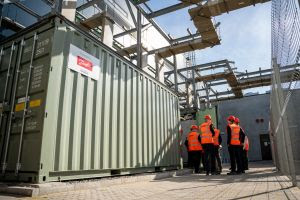
Green Hydrogen Should Be Allocated to Strategic Sectors With Difficult Decarbonization, With Efficient Production and Use, and Close Cooperation Between Public and Private Sectors, Highlighting Development Hubs.
The inclusion of green hydrogen in strategic sectors is essential for the energy transformation. It is crucial that its production and use are carried out efficiently, ensuring that this limited resource can significantly contribute to global decarbonization. Coordination between the public and private sectors is key to creating development hubs that drive the application of green hydrogen.
At COP 28, the production of green hydrogen was recognized as vital to achieving climate goals, especially in reducing carbon emissions. This reinforces the importance of considering sustainable hydrogen as a viable alternative to replace traditional energy sources, keeping global temperatures below the critical 1.5°C. Collaboration Between Different Sectors Will Shape the Future of Clean Energy, making green hydrogen a centerpiece in this transition.
Decisive actions must be taken to increase the production of green hydrogen, so that it can be utilized in the most critical sectors, without overburdening renewable energy generation or financial resources.
-
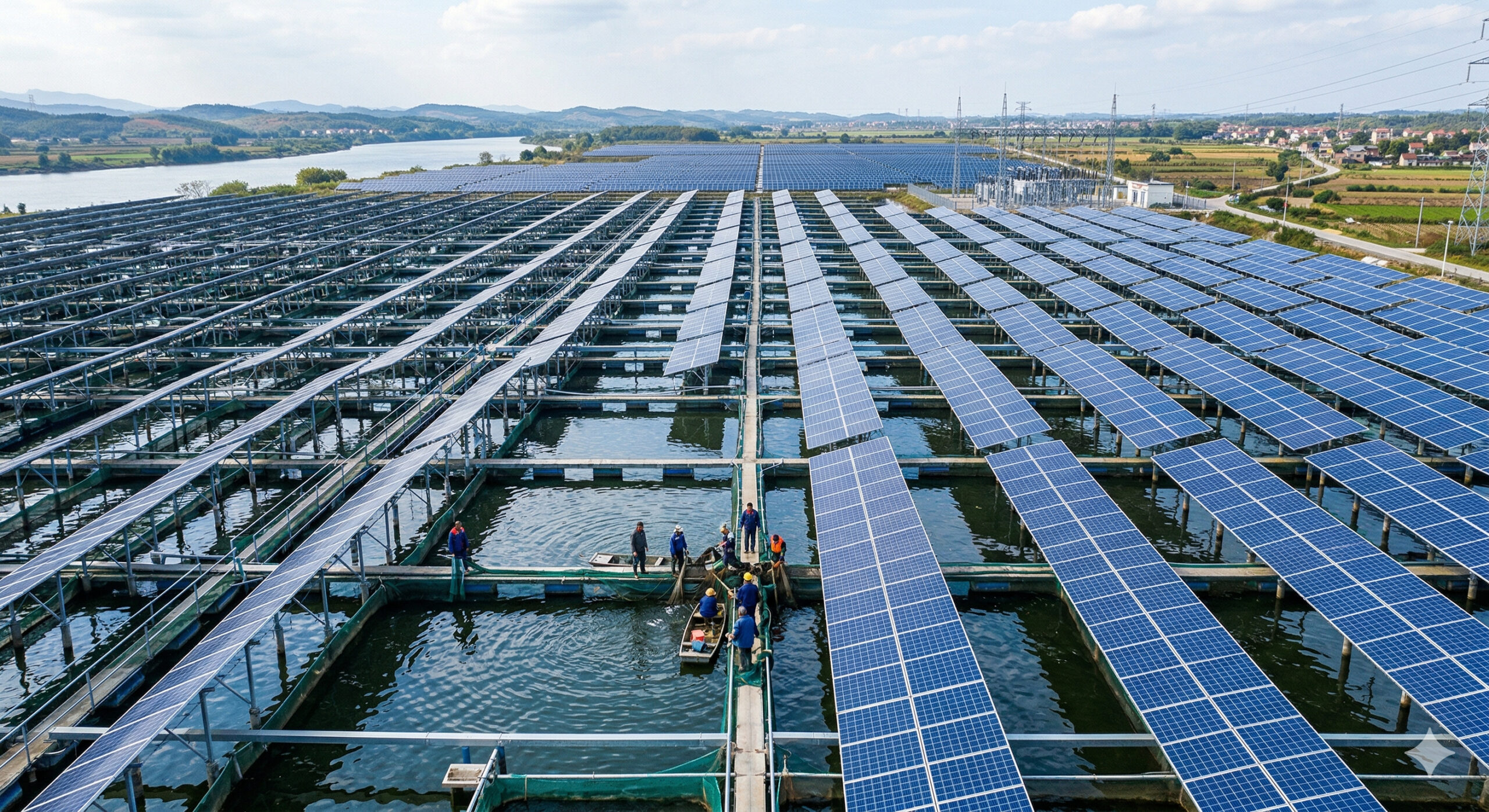
China bets on the Fishery-PV model and transforms fish farms into giant solar plants, covering ponds with panels that generate energy while utilizing the same space for large-scale aquaculture production.
-
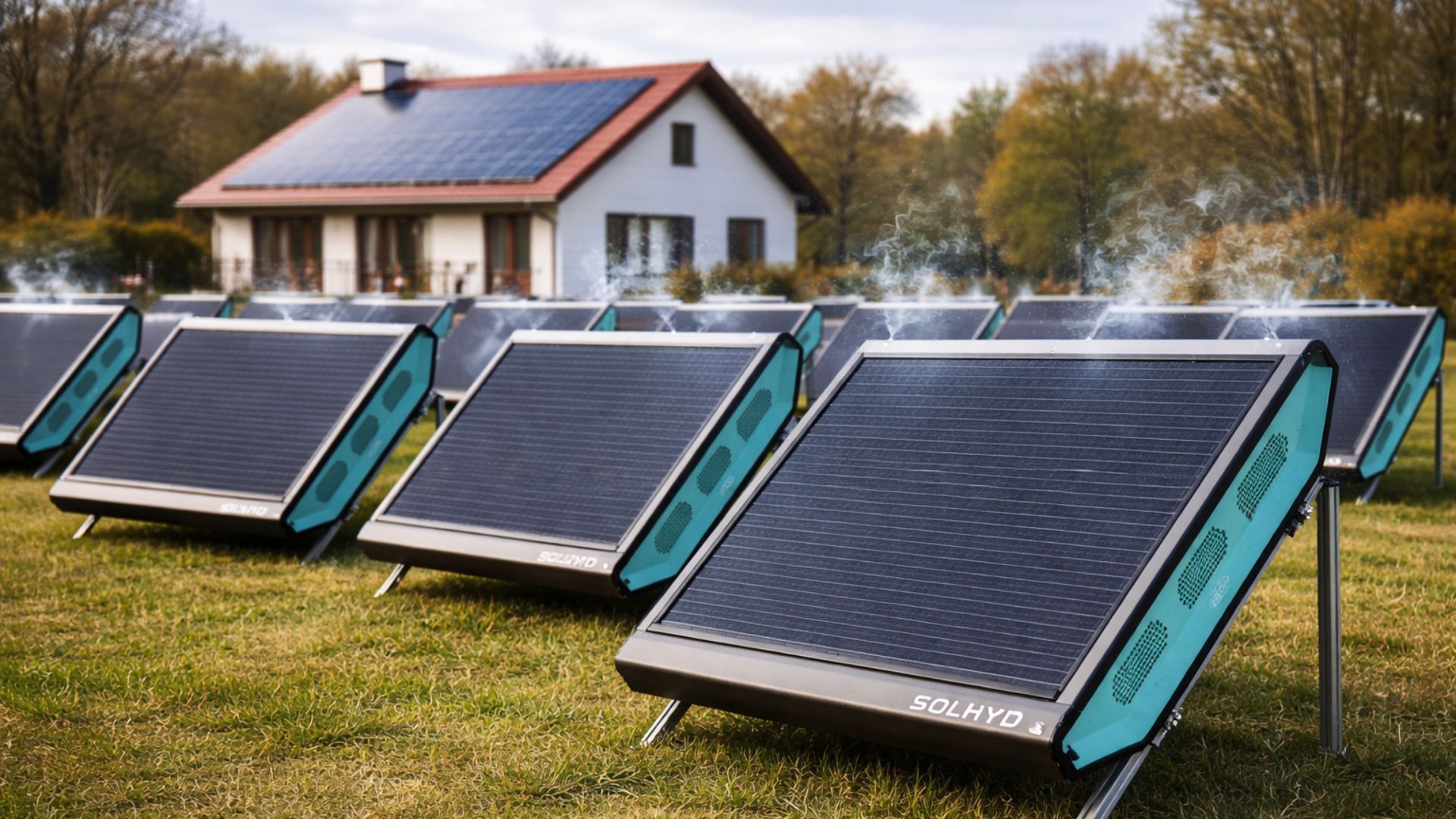
Green hydrogen at home: Belgium launches new technology that makes solar panels produce fuel from the moisture in the air, which could boost the energy transition.
-
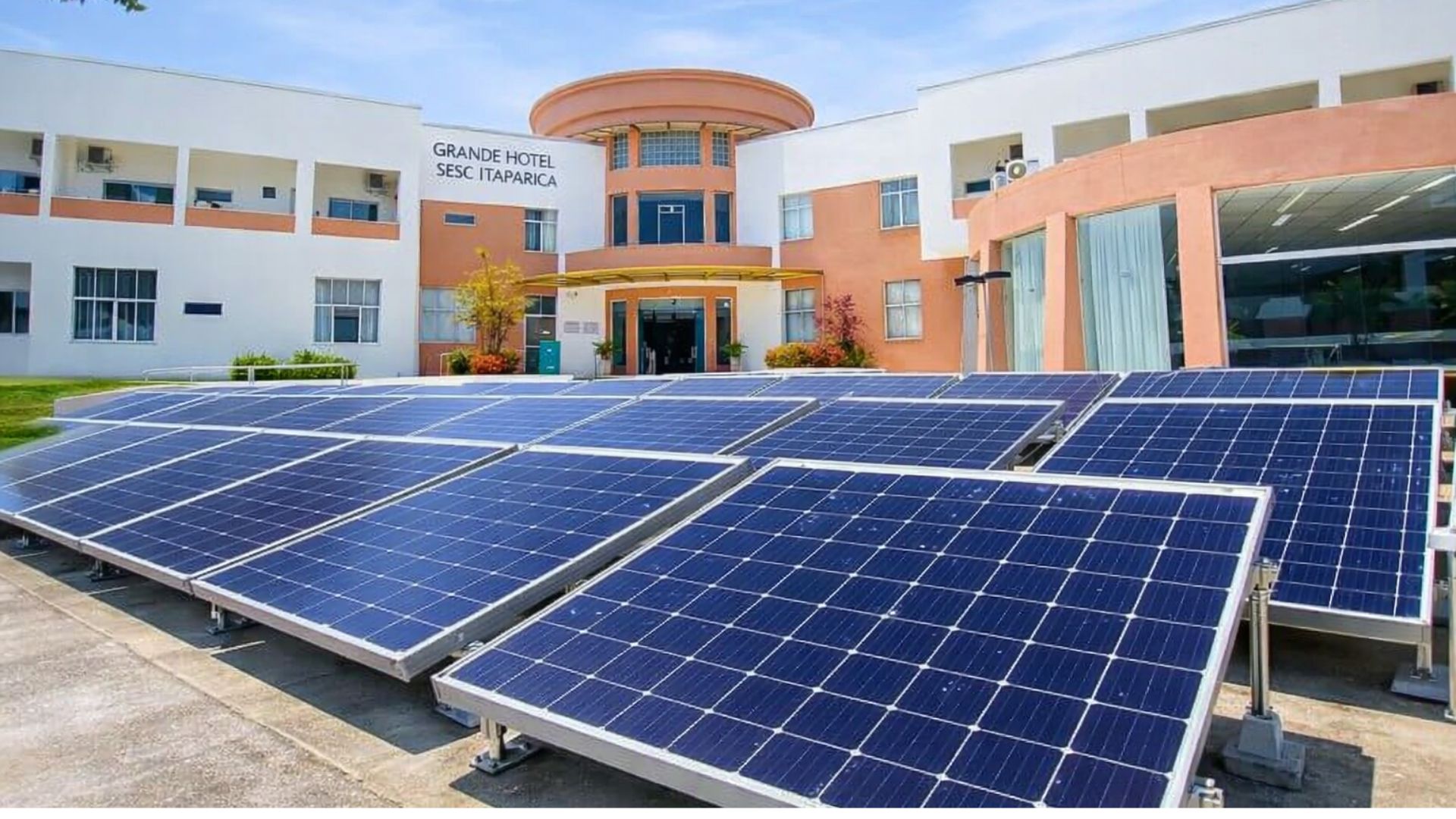
Sesc-BA bets on renewable energy with the support of EDP and drives the energy transition with a direct impact on cost reduction and the sustainability of its operations in Bahia.
-
Technology giant breaks global sustainability records: How Amazon’s leadership in renewable energy procurement transformed the global energy market in the past year.

Differentiated Approach Recommended by Danfoss
Danfoss, a Danish multinational and global leader in refrigeration, air conditioning, industrial automation, and mobile hydraulics for various segments, advises a differentiated approach to green hydrogen, considering its vital role in the transition from fossil fuels.
However, it is essential to focus on how we use and produce sustainable hydrogen more efficiently to reduce costs and demand for renewable energy sources.
It is vital to recognize that the production of renewable hydrogen is a limited resource that must be allocated strategically, prioritizing sectors that face significant challenges to decarbonize, such as heavy industry and long-distance transportation.
Recognition of the Importance of Green Hydrogen
This differentiated approach to the production of green hydrogen led to the publication of the article ‘Green Hydrogen: A Critical Balancing Act’ by Danfoss, available at: https://www.whyenergyefficiency.com/solutions/allsolutions/green-hydrogen-a-critical-balancing-act. Green Hydrogen in Brazil Hydrogen is a significant promise in the climate strategies of many countries, with substantial funding programs underway globally. However, swift actions are needed.
To meet the goals of the Paris Agreement, global electrolysis capacity must exceed 550 GW by 2030. The production of green hydrogen can grow significantly by 2030, but cost challenges are hindering its expansion.
Production of Green Hydrogen in Brazil
In fact, to overcome structural obstacles and unleash the potential for green hydrogen production in Brazil, close collaboration between the public and private sectors will be necessary.
For João Pratas, Business Development Director at Danfoss Power Electronics & Drives in Brazil, both state and federal governments need to develop financing mechanisms that create the necessary infrastructure to support production.
Infrastructure Needed for the Production of Green Hydrogen
‘There is a clear objective to be achieved to ensure the future of the next generations, and this goal will only be reached through clear synergy among different powers. Cooperation between these sectors is vital to overcome logistical and financial challenges, enabling the expansion of green hydrogen in Brazil’, assesses the executive.
Investments in transportation and storage infrastructure are essential, as well as the development of a favorable regulatory environment. Furthermore, it is crucial to promote cooperation between the public and private sectors to finance and implement large-scale projects.
Development Hubs for Sustainable Hydrogen
Brazil has at least 66 low or zero emissions hydrogen projects, totaling investments of R$ 188.7 billion, according to research by the National Confederation of Industry (CNI). A significant portion of this investment will be allocated to development hubs.
‘Development hubs are essential to concentrate resources, attract investments, and promote technological innovations. These hubs can become centers of excellence, facilitating knowledge exchange and collaboration between companies and research institutions’, says Pratas.
Export of Green Hydrogen from Brazil
If Brazil overcomes structural obstacles and advances in the production of green hydrogen, it is possible that the country will become an exporting hub. The research ‘Green Hydrogen Opportunity in Brazil’ revealed that the country could generate R$ 150 billion annually in the hydrogen market by 2050, with R$ 100 billion coming from exports of the commodity.
‘The export of green hydrogen represents a significant opportunity for Brazil, leveraging its natural characteristics that position it as one of the leading hubs for sustainable hydrogen production for domestic consumption and export.
Finally, Brazil stands out not only for its production capacity but also for being a country without geopolitical conflicts, making it an attractive destination for foreign investments without concerns about international conflicts’, concludes the executive.
About Danfoss
Danfoss develops advanced technologies that enable building a better, smarter, and more efficient future. In growing cities, we ensure the supply of fresh food and optimize comfort in homes and offices, meeting the needs of efficient energy infrastructure, connected systems, and integrated renewable energy.
Our solutions are used in areas such as refrigeration, air conditioning, heating, motor control, and mobile machinery. With innovative engineering dating back to 1933, Danfoss currently holds leading positions in the market, employing over 28,000 people and serving customers in more than 100 countries. We are a privately held company controlled by the founding family. Read more about us at www.danfoss.com.
Source: © DANFOSS Press








Seja o primeiro a reagir!