





 Portuguese
  English
  Spanish
  4 min of reading
  1 comment


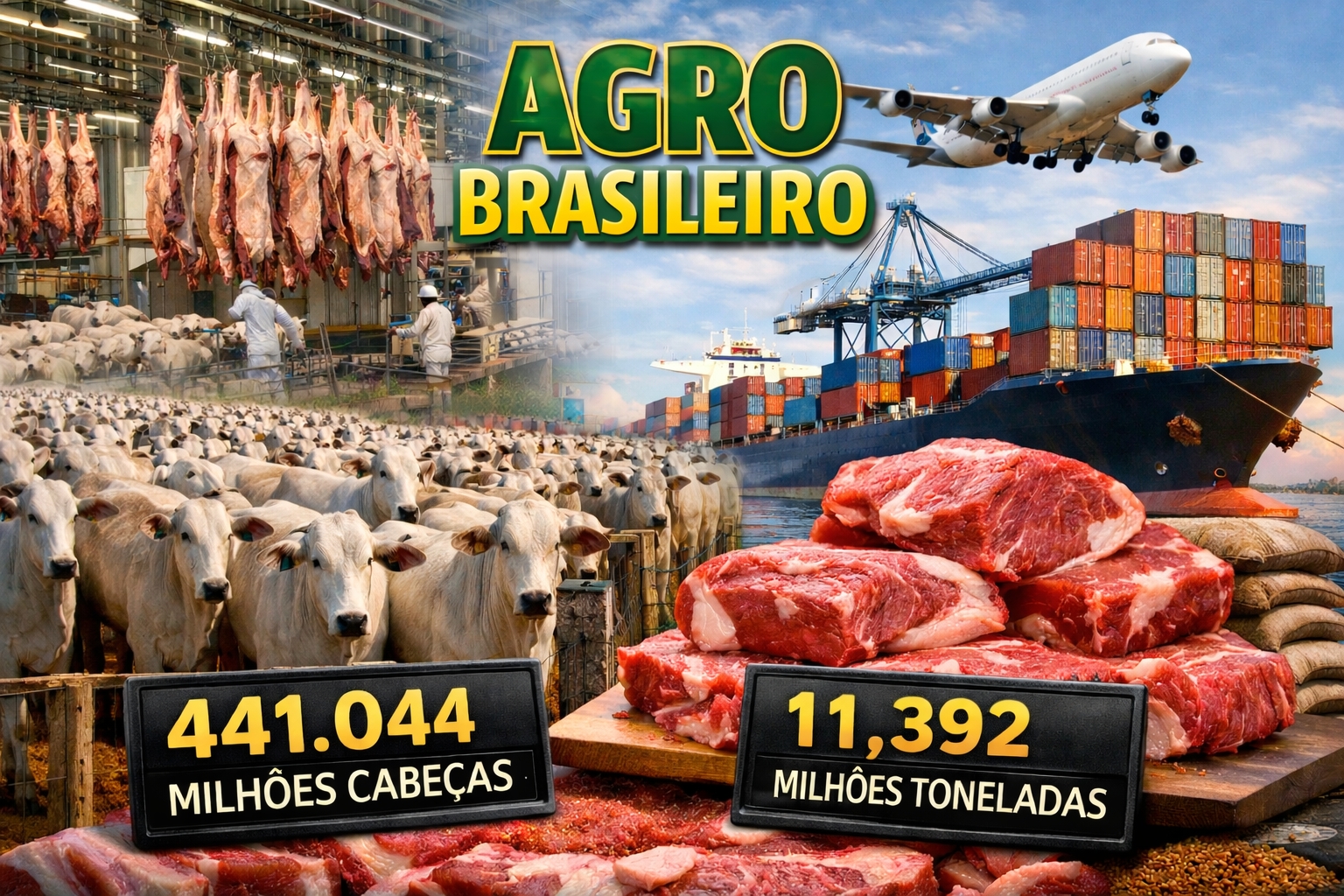


With Record Production, Historic Exports, and Strong Demand from China for Beef, Brazilian Livestock Experienced the Most Significant Year in History in 2025, Even with Challenges in the Domestic Market.
A Year to Make History for Brazilian Beef. If 2025 is Remembered for Anything in Agribusiness, It Will Certainly Be for the Strength of the Beef Cattle Industry. Despite Facing the U.S. Tariff, Weak Domestic Consumption, and Uncertainties in the International Scenario, Brazil Managed to Achieve Impressive Records in Production and Exports, Reinforcing Its Position as a Protagonist in the Global Beef Market.
The numbers leave no doubt: it was the largest volume of slaughter ever recorded in the country, with direct repercussions on supply, prices of cattle, and the maintenance of the value of the arroba throughout the year.
Record Slaughter Boosts Historic Production of Brazilian Beef
According to analyst Fernando Iglesias from Safras & Mercado, 2025 entered history as the year of the largest slaughter ever seen in Brazilian cattle farming.
-
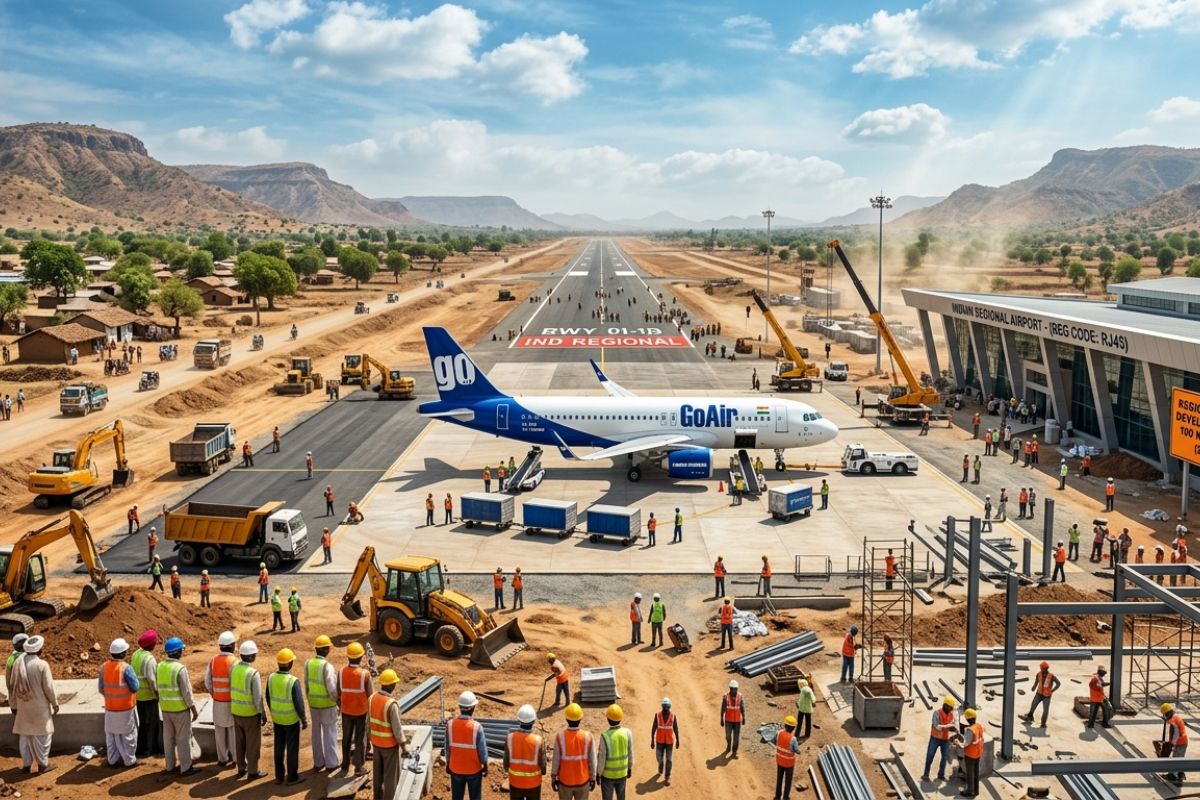
India announces a plan of $3.06 billion to bring aviation to forgotten regions: 100 new airports, $1.07 billion in subsidies, and regional routes guaranteed for 10 years, from 2026 to 2036, away from the centers.
-
The eggshell that almost everyone throws away is made up of about 95% calcium carbonate and can help enrich the soil when crushed, slowly releasing nutrients and being reused in home gardens and vegetable patches.

-
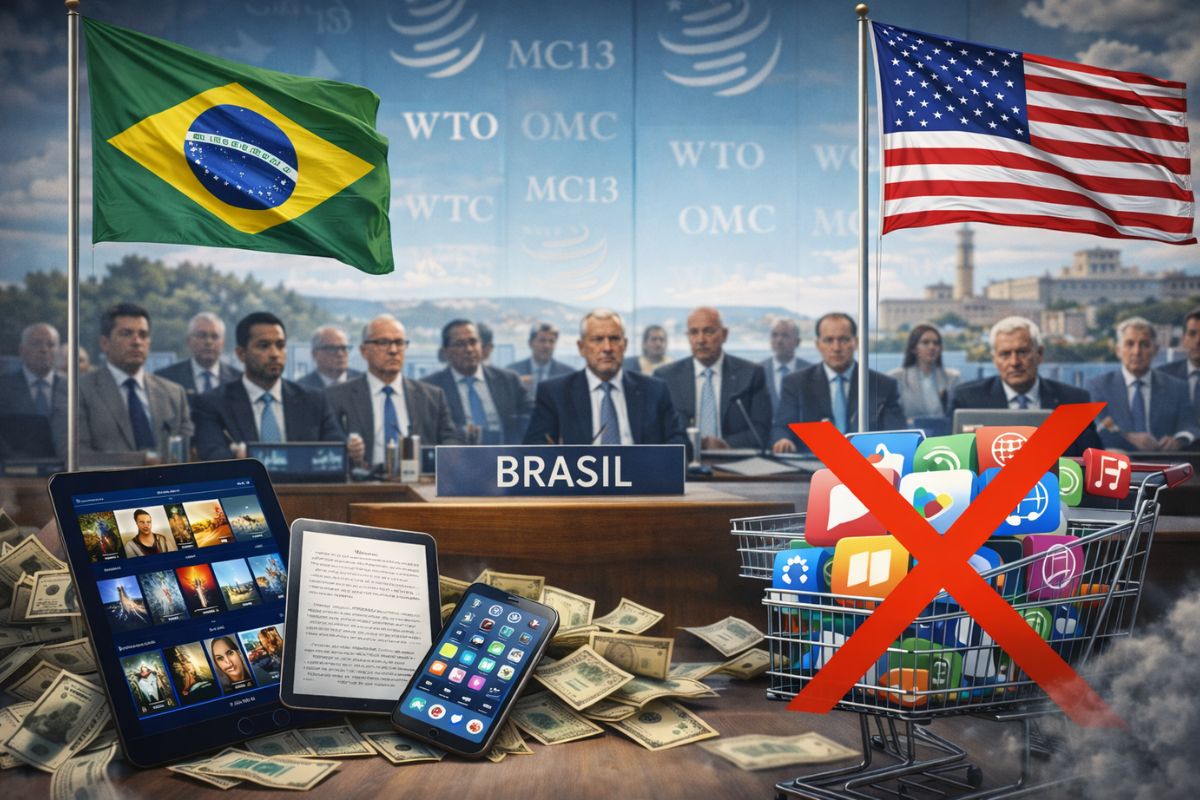
Brazil blocked a proposal from the United States at the WTO that would make the exemption from tariffs on digital products like streaming and ebooks permanent, favoring American tech giants at the expense of developing countries.
-
This farm in the United States does not use sunlight, does not use soil, and produces 500 times more food per square meter than traditional agriculture: the secret lies in 42,000 LEDs, hydroponics, and a system that recycles even the heat from the lamps.


“The sector was marked by the largest slaughter in history,” Iglesias affirms.
In total, the volume exceeded 441.044 million head, a result that brought national beef production to an unprecedented level of 11.392 million tons.
The states that contributed most to this performance were Mato Grosso, São Paulo, and Goiás, in addition to the consistent advancement of the North region, which is becoming a strategic hub for national livestock.
This growth accompanies an increasingly technified harvest, with gains in productive efficiency, early maturity of animals, and improvements in herd management, factors widely highlighted by institutions such as Safras & Mercado and Canal Rural.
Rising Meat Exports Support Cattle Prices
Even with the impact of the tariffs imposed by the United States, the performance of exports was surprising. Brazil shipped 4.984 million tons of beef in 2025, an increase of 19.04% compared to 2024.
“Shipments grew not only in volume but also in revenue quite significantly,” highlights Iglesias.
A large part of this extra production was absorbed by external demand, which helped maintain cattle prices at levels considered healthy throughout the year, even with the cattle cycle putting pressure on supply.
According to widely released data from international agencies such as the USDA, Brazil continues to expand its share in the global animal protein trade.
Beef Exports Generated More than R$ 100 Billion for Brazil in 2025
Besides the record volume shipped, the financial performance of Brazilian livestock in 2025 also attracted attention.
Data from the Brazilian Association of Refrigerators (Abrafrigo) indicates that beef exports generated over US$ 18 billion in revenue throughout the year, approximately R$ 100.6 billion, driven by strong international demand and rising average prices paid for Brazilian products.
Only between January and November, revenue had already reached about US$ 16.18 billion, according to Brazilian foreign trade numbers, showing that the growth was not only in volume but also in added value.
The increase in Chinese purchases, coupled with the opening and consolidation of new markets, helped sustain the cash flow of the sector and reinforced the importance of beef as one of the main sources of foreign currency for the national agribusiness.
China Leads Purchases and Sets the Market Pace
When it comes to the external market, China remains the main destination for Brazilian beef. In 2025, the Asian country led the purchases, followed by Mexico, the European Union, Russia, and until before the tariffs, the United States.
“A large part of the slaughters this year was absorbed by external demand, which helped keep cattle prices at good levels,” explains Iglesias.
However, the Chinese dependence also generates heightened attention, as any change in trading rules may directly impact the sector.
Domestic Consumption Remains Stagnant in 2025
While the external market pulled the pace, internal demand remained weak. The low purchasing power of the Brazilian population limited consumption, causing the domestic availability of beef to drop by 1.96%, totaling 6.445 million tons for the year.
“The level of household debt remains high, and a significant portion of resources from social programs has been used for gambling, not for purchasing food,” states the analyst.
This scenario helps explain why, even with a greater supply, internal consumption did not rebound as expected, a recurring theme in analyses by CNN Brasil and agricultural economists.
Competitors Lose Strength and Brazil Gains Ground
Another point that favored Brazil in 2025 was the difficulties faced by traditional competitors. The United States and the European Union have been experiencing declines in cattle herds throughout the decade, while Argentina faced a reduction in slaughter, production, and exports.
This context further strengthens Brazil, which boasts competitive advantages such as:
- Early maturity of animals
- Internationally recognized biosecurity
- Advancements in traceability of the herd
This last point is seen as strategic to expand access to more demanding markets from a sanitary and environmental standpoint.
Chinese Investigation Raises Concerns for 2026
Despite the excellent performance in 2025, the sector closes the year with caution. The reason is the investigation opened by China at the end of 2024, which assesses the impacts of beef imports on local production.
The announcement of possible safeguards, initially scheduled for November, has been postponed and now has a final deadline of January 26, 2026.
“This is undoubtedly one of the major concerns for Brazilian beef exporters,” concludes Iglesias.
Given the relevance of the Chinese market, any decision could directly affect exports, the value of the arroba, and the balance of the sector in the next harvest cycle.
In your opinion, is Brazil prepared to face possible changes in China’s rules? Leave your comment below and share this content with those closely following the agribusiness market.









Os possíveis aspectos negativos parecem ser menos relevantes que os potenciais de alta. Se a China recuar as compras em até 500 mil toneladas, a própria diminuição prevista de 5,3% da produção nacional absorve esse impacto com folga. No caso do consumo interno que representa maior parte da demanda, fatores como ano eleitoral e copa do mundo tendem a mitigar a restrição consumidora. E, adicione a conjuntura de retenção de matrizes concomitante em diversos países, a ampla abertura de mercados recentes e potenciais e aumento dos custos tanto de grãos quanto de reposição. Bem, vejamos cenas dos próximos capítulos.