





 Portuguese
  English
  Spanish
  6 min of reading
  4 comments


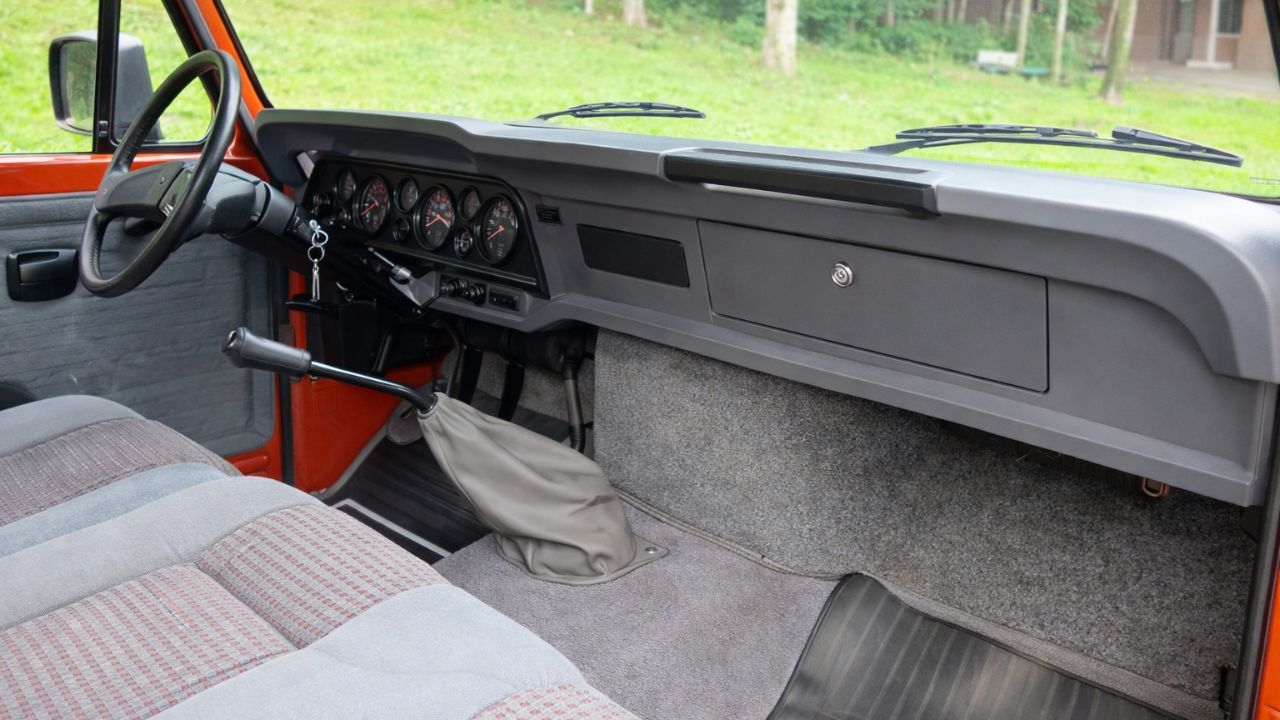


First Factory F1000 Turbo Diesel, the F1000 Turbo 1991 with MWM Engine Delivers Real Power, Goes Faster than Many Cars of the Time, Has a Delicious Turbo Sound and Made History Among the Large Pickups in Brazil
The F1000 Turbo 1991 is one of those pickups that explains on its own why Brazilians fell in love with large utility vehicles. In this generation, equipped with a MWM turbo diesel engine, the F1000 delivers real brute force, pushes hard from the short gears and still surprises on the road, surpassing 140 km/h in tests of the time, something respectable for a large pickup from the early 90s.
More than numbers, it delivers sensation. The combination with 119 hp and 37 kgfm of torque shows how Ford hit the mark when it decided to turbocharge the well-known four-cylinder. The result is a pickup that delivers brute force in acceleration, maintains a strong pace on the road, and still gifts the driver with the deep sound of the diesel mixed with the whistle of the turbo, a combination that helps explain why this model became a coveted object among enthusiasts.
The F1000 Turbo that Became a Turning Point in Pickups

When the F1000 Turbo arrived in 1991, it entered directly into a duel that had dominated Brazilian roads for years: Ford F1000 vs. Chevrolet D20, with loyal consumers on both sides. The nomenclature F1000 had been around since the late 70s, when Ford began to focus on diesel versions and created a distinct identity for the large pickup.
-
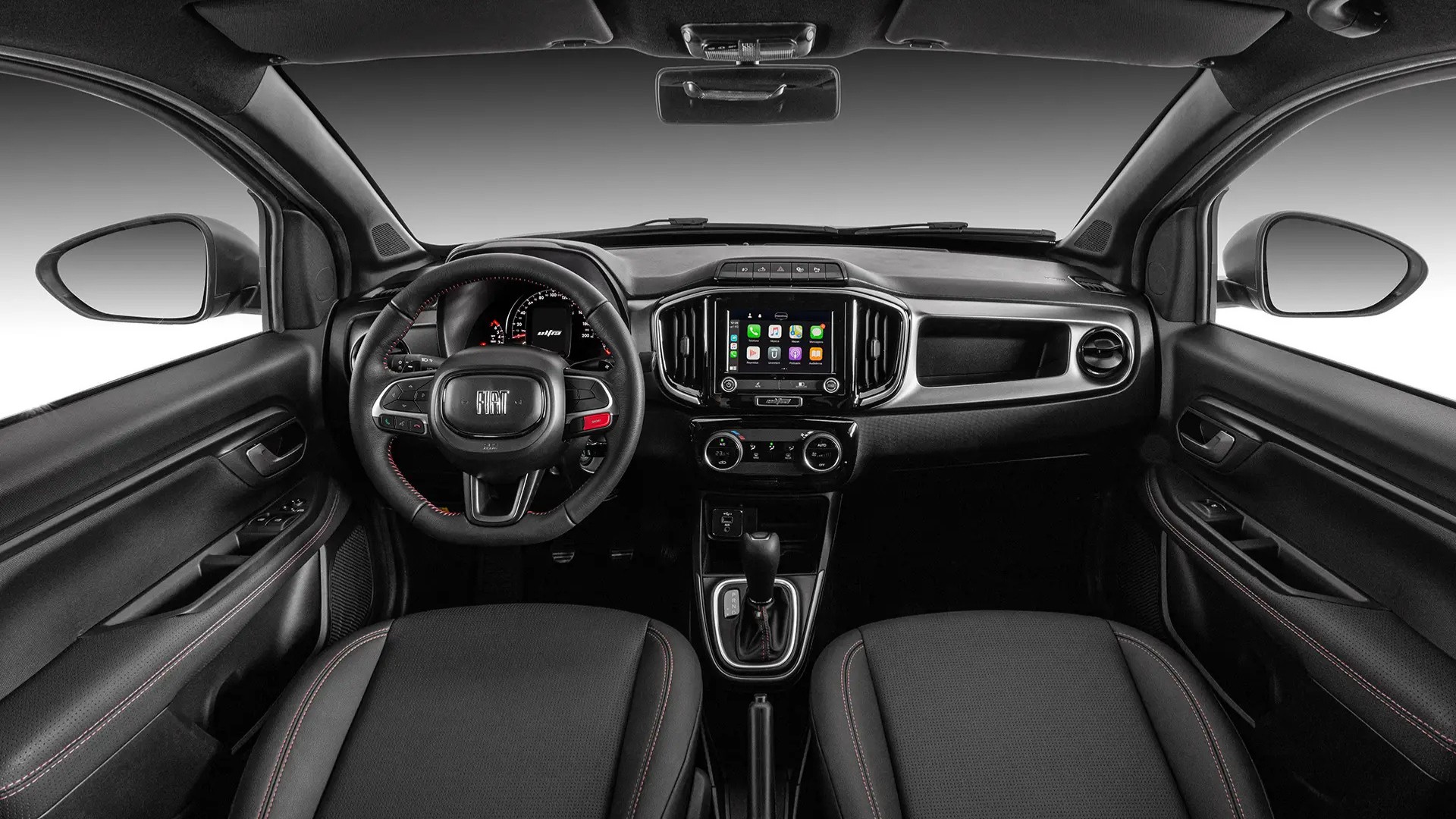
With a 1.3 engine, nearly 700 km of range, and Turbo 200, the Fiat model surpasses Polo, Tera HB20, and Onix, becoming the best-selling car in March; see the numbers for the Fiat Strada and others.
-
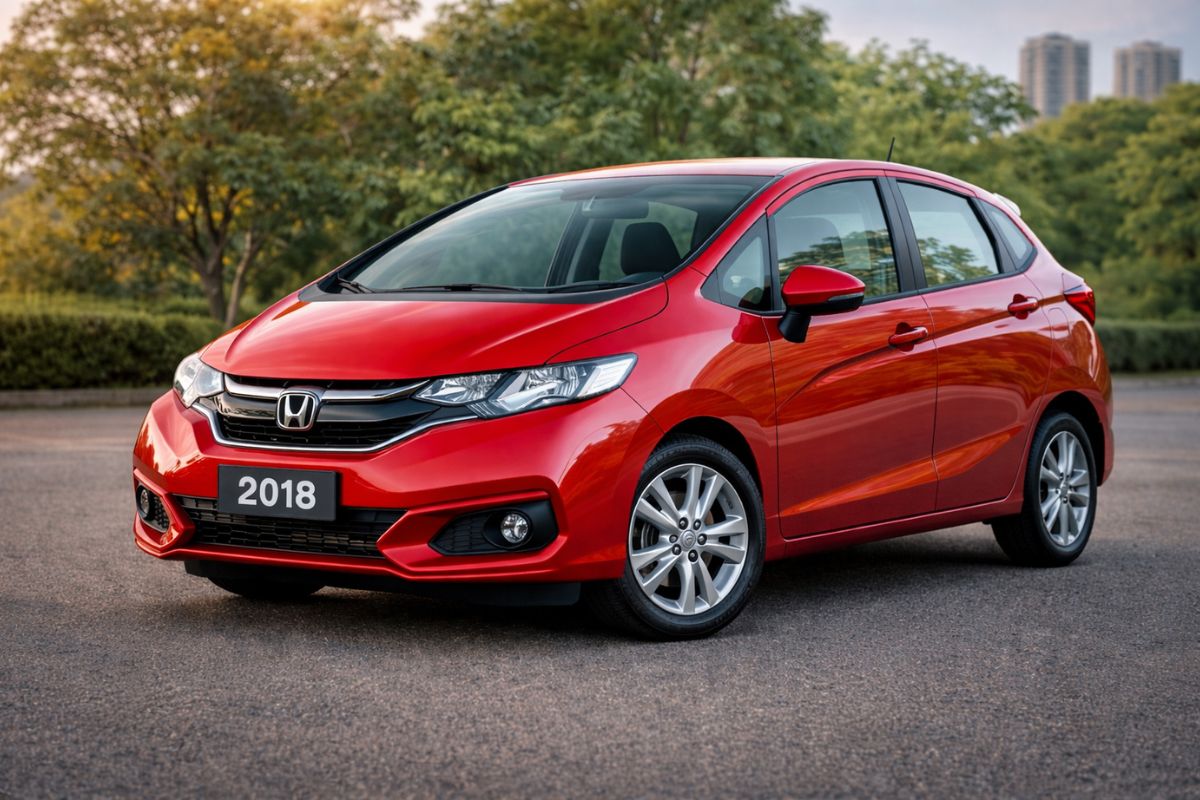
The Honda Fit has been discontinued for years, but the 2018 model is worth more today in the Fipe table than it cost brand new, proving that this used car, valued with a 1.5 i-VTEC engine and Magic Seat, only increases in price.
-
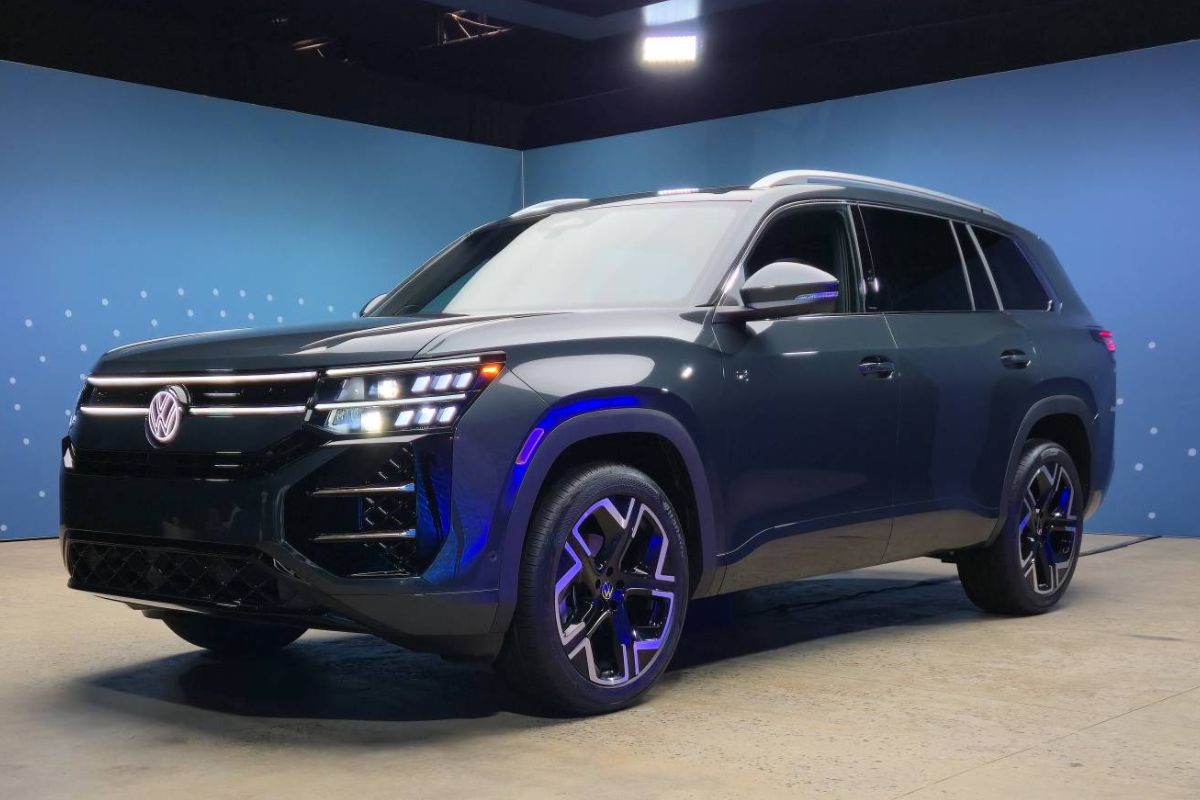
Volkswagen unveiled the 2027 Atlas with a 282-horsepower EA888 turbo engine, a 15-inch screen, massage seats, and a completely new interior to finally elevate the three-row SUV built on the MQB platform to a new level.
-
After decades out of the spotlight, Citroën is preparing to bring back the legendary 2CV as a low-cost electric vehicle, betting on the revival of one of the most popular cars in history and aiming to enter the race for affordable compact cars.

The 1991 version marked a turning point. By adopting the factory turbocharger, Ford took several steps ahead of the competition at that time, offering more performance, more torque, and a modern feeling for a vehicle that served both work and leisure. At a time when technological novelty weighed heavily in the purchase decision, a F1000 that delivers brute force with the help of the turbo was exactly the type of product that caught attention in farms, roads, and cities.
MWM Engine 119 hp Delivers Brute Force and 37 kgfm of Torque

The heart of the F1000 Turbo 1991 is the MWM four-cylinder turbo diesel engine, rated at 119 hp and 37 kgfm of torque. In cold numbers it may not seem impressive by today’s standards, but one must mentally go back to the early 90s. For a lightweight diesel engine, these figures put the pickup in a different league.
This setup was designed to deliver brute force at low RPMs, exactly where the pickup user needs: cargo loading, steep ramps, towing, heavy dirt roads. The first gear is quite short and geared for work, helping with heavy starts. From the second and third gears on, the setup gains fluency and shows how the torque arrives early and sustains acceleration effortlessly, allowing the driver to maintain cruising speed with a smooth RPM.
The cherry on top is the way the engine operates. You hear the diesel sounding round and the turbine filling up quickly, with the pressure gauge showing when the setup wakes up. It’s the kind of mechanics that conveys solidity, makes you want to drive, and reinforces the feeling that the F1000 Turbo really delivers consistent brute force.
Period Visual, Strong Graphics, and Classic Interior
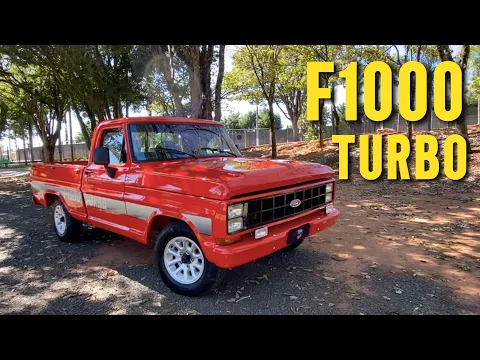

On the outside, the F1000 Turbo 1991 is a faithful portrait of the design of large pickups from that period. The front with square headlights and straight grille, adopted from the mid-80s, gave the model a more modern look compared to the older versions with round headlights.
On the side, the highlight is the graphic with a gradient stripe and the F1000 Turbo inscription, a typical element of the time that gave a sporty face to the pickup and immediately communicated that this version was different. This type of sticker has now become a visual signature of collectors, and many people make a point of keeping the original design intact.
On the inside, the environment is simple but full of personality. Low seats, gray patterned upholstery, a fully analog dashboard, and trim consistent with a vehicle that was expensive for the time. The extra gauges stand out: oil pressure gauge, voltmeter, and turbo gauge help the driver monitor the health of the mechanical setup in real time, something valued by those who use the pickup for heavy work or long trips.
At the Wheel: How This F1000 Delivers Brute Force in Practice
Driving a F1000 Turbo 1991 takes you back to a time when driving a large pickup was a complete experience, not just a means of transportation. The four-speed gear lever is downshifted to engage the first gear, with short gearing in the initial gears. The idea is clear: the pickup takes off strong at low speeds, carries weight without drama, and still has some breath on the road.
In practice, first gear is almost exclusive for load and high demand situations. From second gear onward, the turbo kicks in very noticeably, and the pickup starts to gain speed authoritatively. The third gear solidifies this feeling and the fourth serves as the cruising gear, allowing it to run at lower RPMs with acceptable comfort for its purpose. In tests of that time, the F1000 Turbo reached about 143 km/h as its maximum speed, something celebrated in that context, as many passenger cars of the period did not reach that level.
The steering is surprisingly solid. The play in the steering wheel, common in many old pickups, is well controlled here, which helps with the sense of safety. The brakes, within the proposal and the rhythm of proper use, are well sized. The setup gives the impression that everything was made to withstand the road, load, and time, without giving up a minimum of driving pleasure.
Sound of the Turbo, Deep Diesel, and Feeling of a Real Pickup

A separate chapter is the sound. For those who love mechanics, the sound of the diesel engine of the F1000 Turbo 1991 is a fundamental part of the experience. The characteristic deep sound of the four-cylinder, combined with the whistle of the turbo filling up, creates a soundtrack that many enthusiasts consider addictive.
It’s not the refined silence of modern utilities, and that’s exactly where the charm lies. Each acceleration brings back the feeling of driving a real pickup, made for heavy work but capable of delivering pleasure for those who like to feel the machine and the road. In a time when everything is heading towards being filtered and digital, this type of raw mechanical experience gains even more value.
Desired Classic Among Lovers of Large Pickups
Combining a robust mechanical setup, strong performance for the standards of the time, striking visuals, and an important role in the history of Brazilian pickups, the F1000 Turbo 1991 has established itself as a highly sought-after classic. It’s not just nostalgia: it’s a project that marked the definitive entry of turbo diesel into the realm of national large pickups, uniting work, leisure, and personality.
For those looking for an old pickup with presence, known mechanics, and a level of strength that still impresses, this F1000 Turbo delivers brute force, charisma, and history in equal measure, hence the growing interest from collectors and those dreaming of owning a legitimate representative of the golden age of pickups.
And you, would you have a F1000 Turbo 1991 in the garage to feel up close how it delivers brute force with every acceleration, or do you think modern utilities have completely replaced this type of classic pickup?





Tenho uma sim 98 ótima pena qui não si encontra peças de qualidade para colocar i quando encontra
Meu pai teve uma dessas, simplesmente sensacional.
Gostaria muito de ter uma novamente.
Tenho uma f1000 91 desde zero, sempre foi meu automóvel preferido.
Nunca fiquei a pé com essa companheira.
Vai ficar pra minha única neta. Assim espero.
Mandei cabinar em 2003 na ARB São Marcos.
Ficou um show, só pintaram onde mexeram o restante da pintura é toda original de fabrica.