





 Portuguese
  English
  Spanish
  5 min of reading
  1 comment




The Brazilian Air Force Will Invest in 11 Used Black Hawk Helicopters from the United States, in a Billion-Dollar Operation That Will Strengthen Search, Rescue, and Humanitarian Support Missions, Especially in Strategic Areas Like the Amazon.
The Brazilian Air Force has decided to expand its fleet of helicopters with the acquisition of 11 UH-60L Black Hawk units from the United States Army stock, in an operation estimated at US$ 229 million (about R$ 1.2 billion).
The contracting was made public in the Official Gazette of the Union of September 19, 2025 and will be carried out by dispensing with bidding, focusing on the delivery of used and refurbished aircraft for search and rescue, transport, and humanitarian support missions.
Purchase via BEST Program and Transfer for New Helicopters
The negotiation takes place through the BEST (Black Hawk Exchange Sales Team), a program of the Department of Defense that allows for the sale of UH-60 aircraft to allied countries and civilian operators.
-
The German “steel monster” weighing 55 tons fires up to 10 projectiles per minute at over 40 km and avoids counterattacks on the battlefield by moving quickly to escape enemy attacks; meet the Panzerhaubitze 2000.
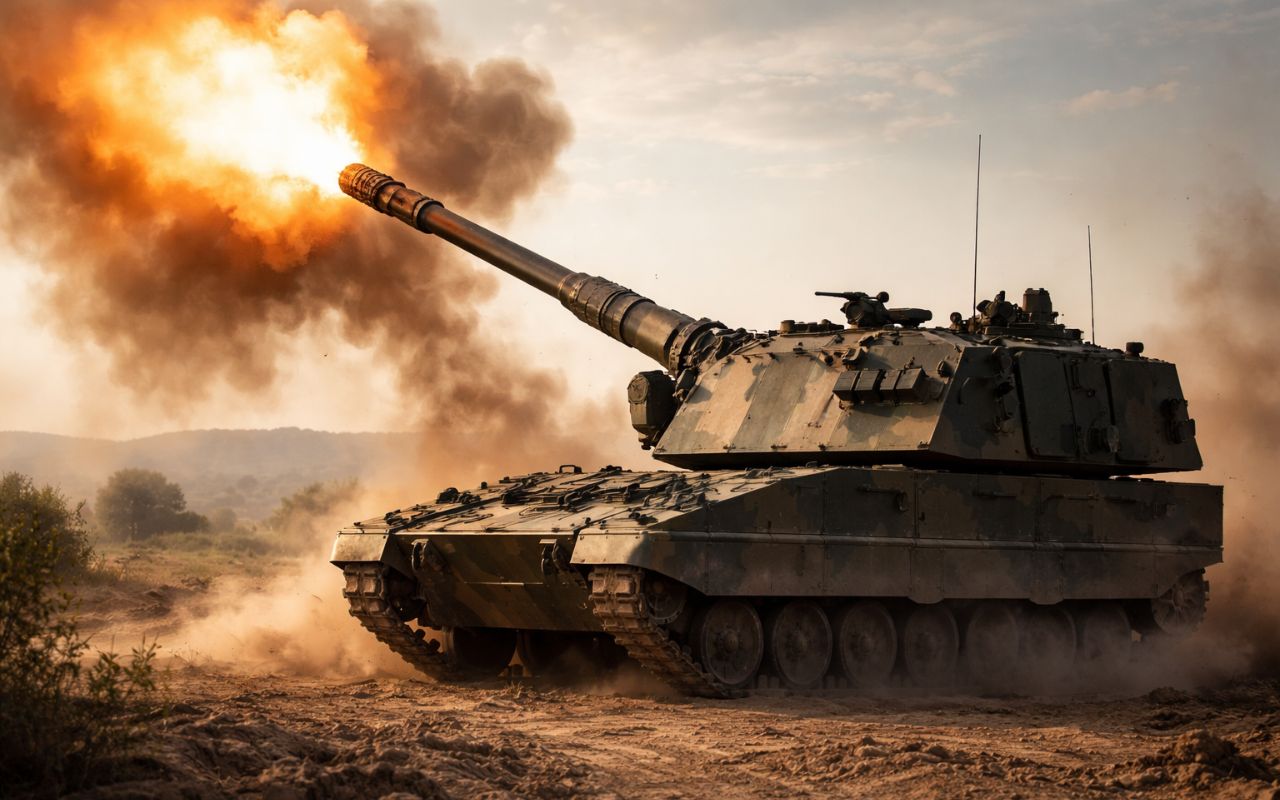
-
USS Gerald R. Ford, the largest aircraft carrier in the world, returns to sea after a fire in the laundry in the Red Sea; repaired in Crete, it resumes missions of Operation Epic Fury against Iran.
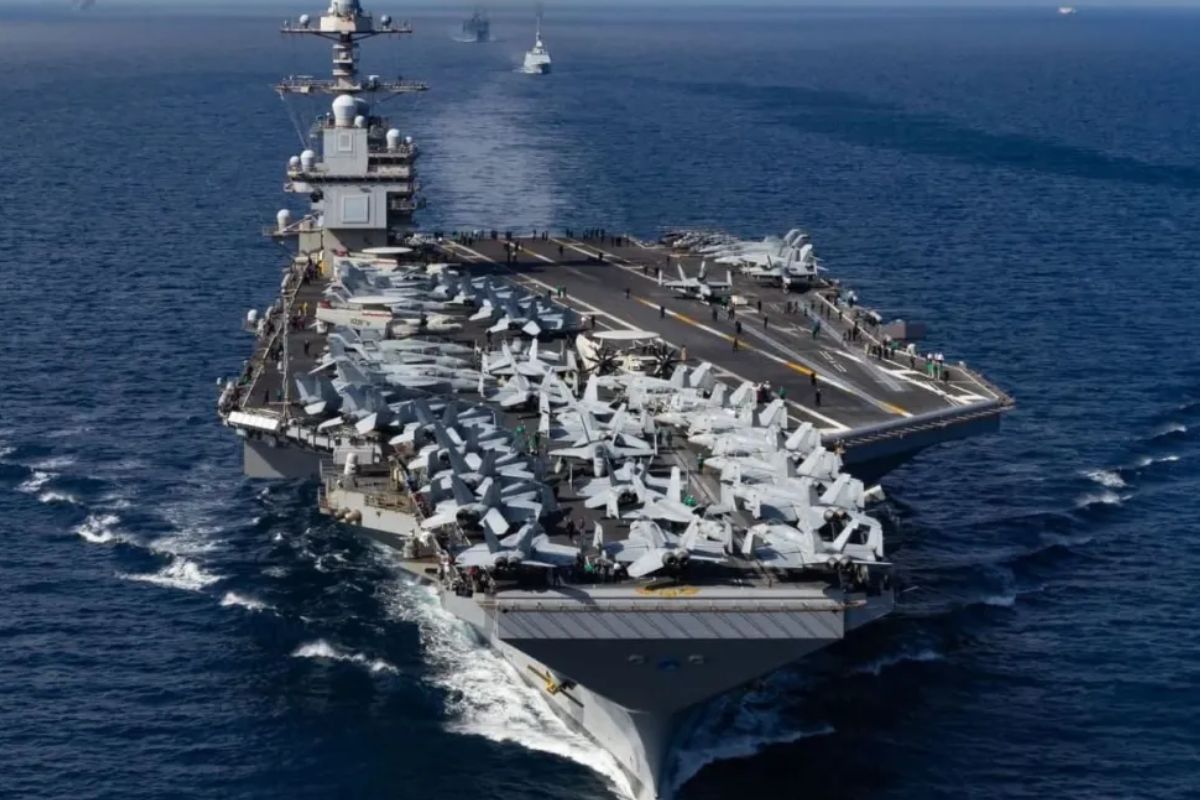
-
Military power: South Korea’s new KF-21 fighter jet will be a key component in replacing the aging aircraft of the air force, placing the country on the map of air military powers.
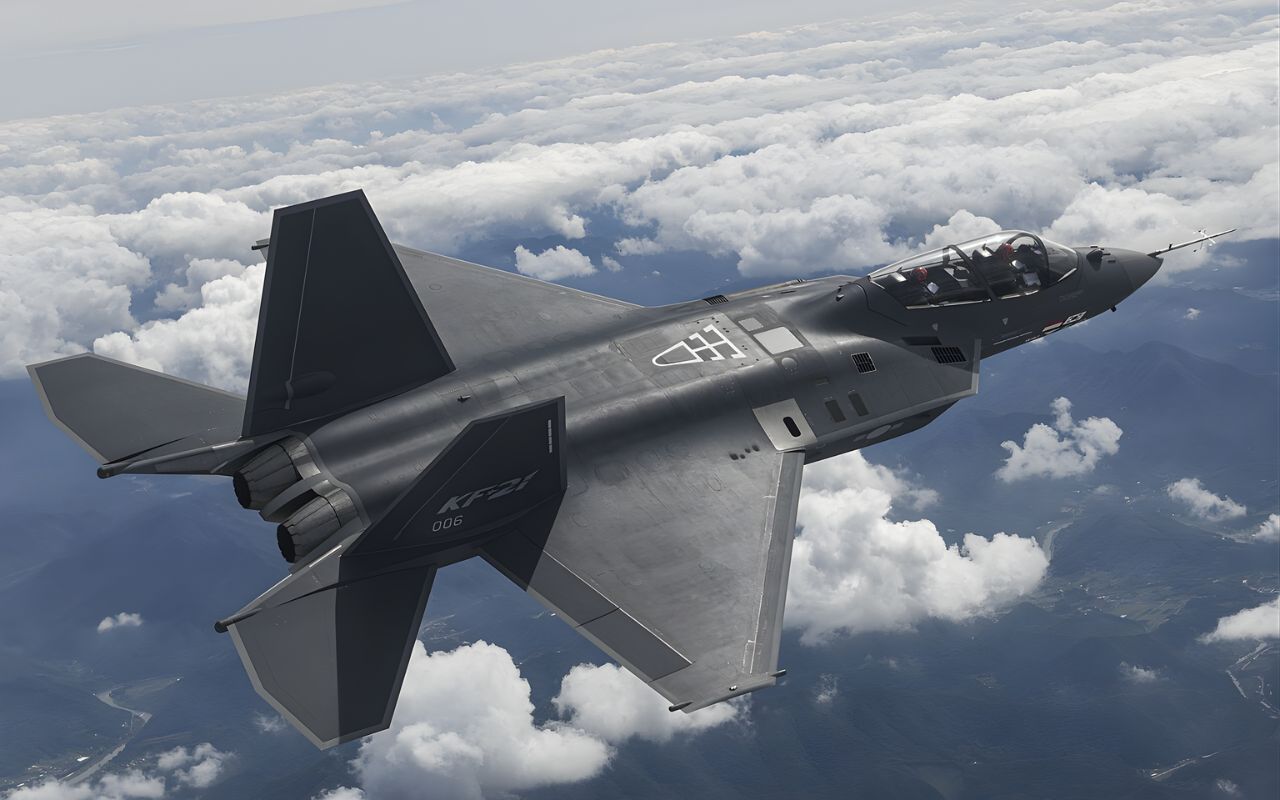
-
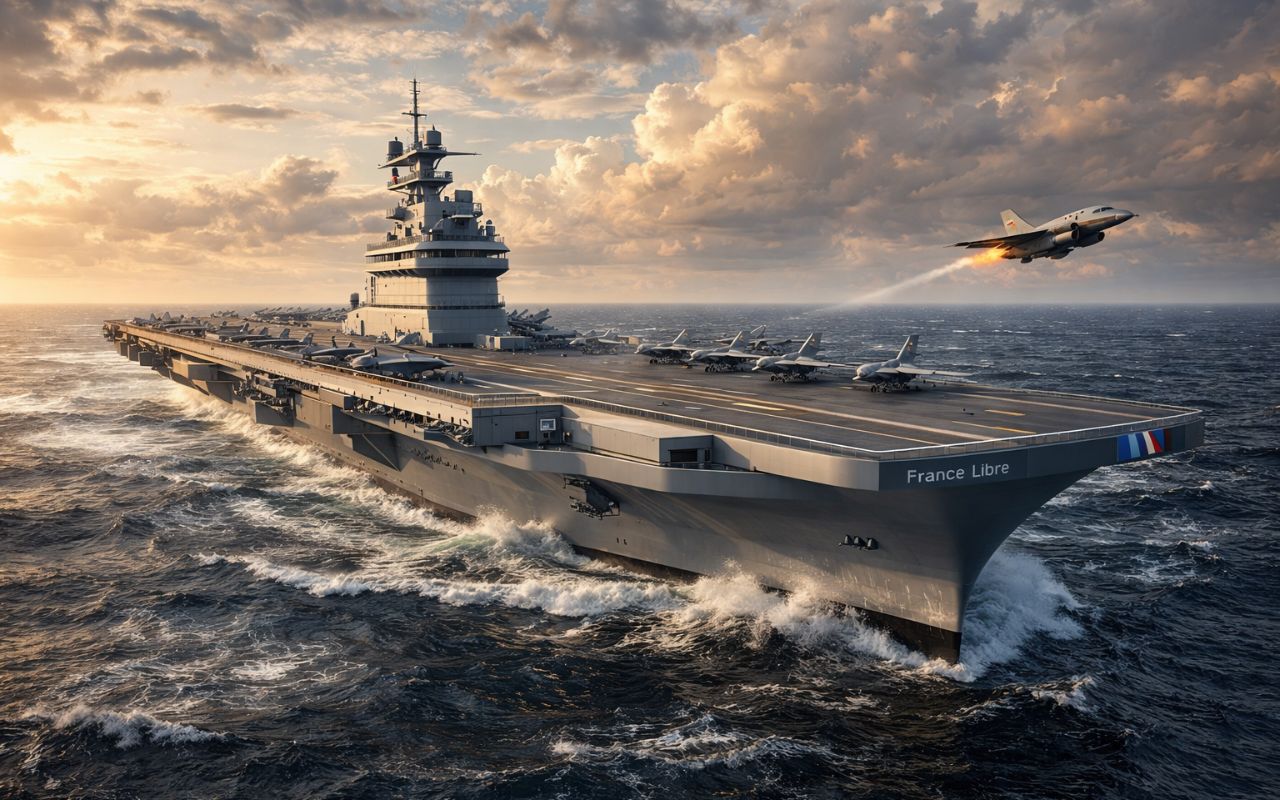
With 310 meters, 80 thousand tons, and capable of operating for 45 years, the new nuclear aircraft carrier France Libre will be the largest in France and will enter service in 2038.

The funds obtained will return to the U.S. Army for the acquisition of new Black Hawks from Sikorsky, maintaining the fleet modernization cycle.
In the Brazilian arrangement, ACE Aeronautics, a U.S. company, will be responsible for commercial intermediation, auctions, and potential updates and maintenance before the transfer.
Role of PAMA-SP and Rationality of the Contracting
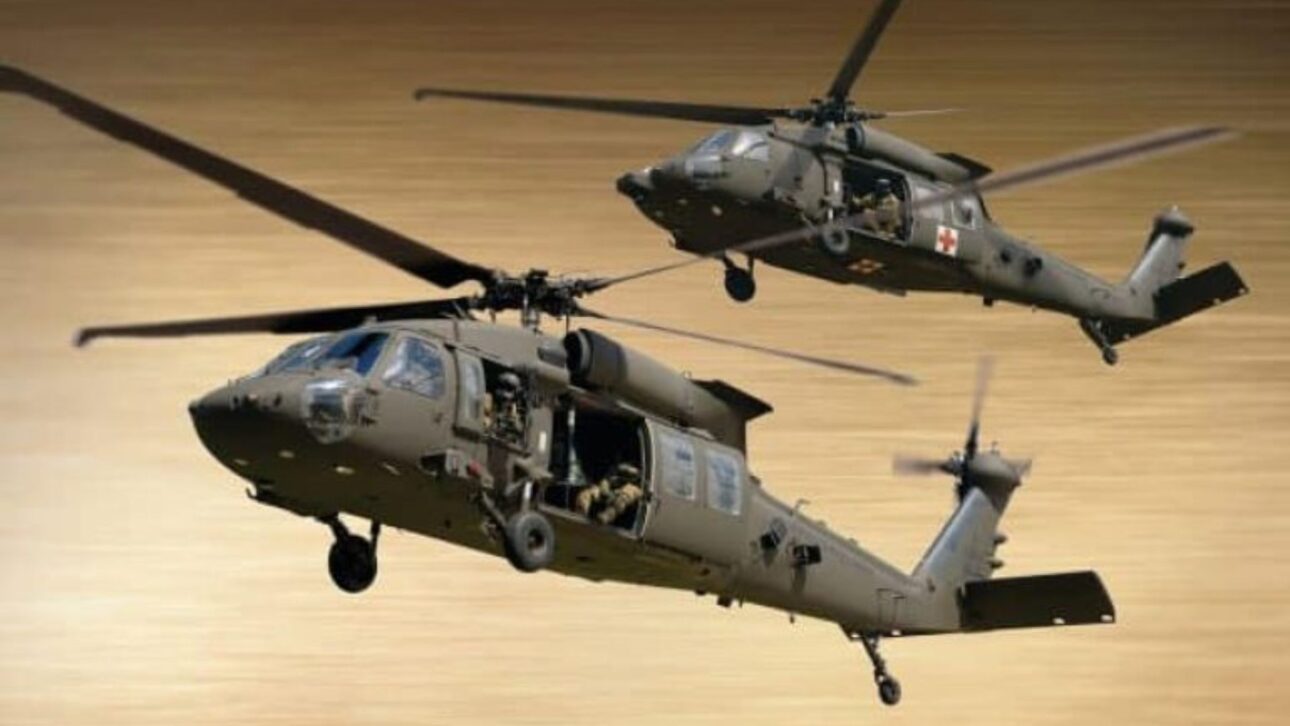
The Aeronautical Material Park of São Paulo (PAMA-SP) expressed the intention to carry out direct contracting.
The option for dispensing with bidding is associated with access to specific military stocks and standardization with the fleet already employed by FAB, which reduces integration time and avoids transition costs to a new platform.
In practice, tools, mechanic training, and doctrine of employment remain valid, simplifying the entry of the aircraft into service.
Operational Reinforcement: Where the FAB Gains More
With the 11 additional cells, the Air Force expands the current fleet of 16 UH-60L and increases availability for search and rescue (SAR) missions, aeromedical evacuation, personnel and cargo transport, as well as support for humanitarian assistance operations.
This increase is significant in remote areas, such as the Amazon, where the need for landings in restricted locations and rapid responses is constant.
More ready aircraft means greater territorial coverage, shorter activation time, and reduction of windows without aircraft due to scheduled maintenance.
Meanwhile, standardization with the L version allows for more agile absorption of the new cells by the squadrons.
Crew members already trained in the model require fewer conversion hours and quickly regain operational pace.
In natural disaster scenarios, the modular cabin and the robustness of the platform favor the transport of teams, supplies, and stretchers, in addition to the use of the rescue winch, when installed, to extract victims in hard-to-reach areas.
How Will the Incorporation into Units Be
After the signing and technical acceptance, the aircraft will undergo inspections, updates of avionics, and adjustment of radios and mission systems according to FAB standards.
Next, distribution will occur among squadrons with the greatest demand for SAR and support to isolated communities.
The stage of nationalization of equipment and the training of crews and maintenance teams will advance in parallel, aiming to bring the cells into useful flight hours as soon as possible.
BEST: Advantages for Sellers and Buyers
BEST combines transfer speed and financial predictability.
For the United States, the sale of used UH-60s generates cash for the purchase of brand new helicopters, without discontinuing logistical support to the Black Hawk family.
For operators like Brazil, the program provides access to platforms recognized for reliability and extensive supply chain, in addition to consolidated technical documentation.
The involvement of an integrator like ACE Aeronautics reduces regulatory barriers and ensures compliance with maintenance and certification until delivery.
Black Hawk UH-60L: Focus on Versatility and Resilience
The UH-60L is a twin-engine medium-sized helicopter designed for multiple missions.
The aircraft performs troop and cargo transport, extraction and infiltration, aeromedical evacuation, and SAR operations.
In hot and humid regions, such as the Amazon, the cell stands out for its robustness and ability to operate in clearing or short runways, with the possibility of quick cabin configuration for seats, stretchers, and mission kits.
This flexibility supports rapid response to floods, landslides, and other Civil Defense emergencies.
Moreover, the Black Hawk’s architecture is compatible with a variety of sensors and equipment, facilitating the integration of encrypted radios, updated navigation systems, and potential survival kits according to mission profiles.
Maintenance follows processes widespread among operators worldwide, which helps ensure stable readiness rates when planning for spare parts and tools.
Other Forces in Brazil and the Black Hawk Family
In the country, the use of the Black Hawk family is not restricted to the Air Force.
The Brazilian Navy operates the MH-60R Seahawk (SH-16), aimed at the maritime environment, with specific sensors and armaments for anti-submarine and anti-surface warfare.
The Brazilian Army uses four UH-60Ls and acquired the more modern UH-60M variant, which is expected to be delivered this year through Boeing C-17 Globemaster III aircraft.
At the state level, the Military Police of the State of Rio de Janeiro has expressed intent to incorporate Black Hawk helicopters, but no model has been defined nor has a confirmed delivery date been established.
Sustainability and Costs Over the Life Cycle
The option for refurbished used aircraft shortens service entry times and avoids initial investments typical of a new platform.
On the other hand, planning must consider the remaining life of the cells and the costs of potential avionic upgrades to maintain technological compatibility over the years.
FAB needs to calibrate spare parts stock, maintenance shifts, and allocation of resources in material parks to turn the reinforcement into more daily availability and higher mission accomplishment rates.
Next Steps and Points to Monitor
With the purchase intention disclosed, the schedule includes contracts, inspections, potential retrofits, and transport to Brazil.
From there, acceptance stages, functional tests, and operational release will follow.
Public delivery deadlines have not yet been announced, nor has the distribution among squadrons and the detailed scope of modernizations to be applied by ACE, if necessary.
These items will be crucial to quantify the real gain in SAR coverage, aeromedical evacuation, and presence in remote areas.
In light of this reinforcement, which front should receive priority in the first phase of employment: expanding readiness shifts for SAR in the Amazon, increasing aeromedical evacuation capacity in multiple regions, or dedicating more flight hours to support for climate emergencies?








Os helicópteros Chinook ch-47 são muito melhores….que esse escolhido pela FAB