





 Portuguese
  English
  Spanish
  5 min of reading
  0 comments


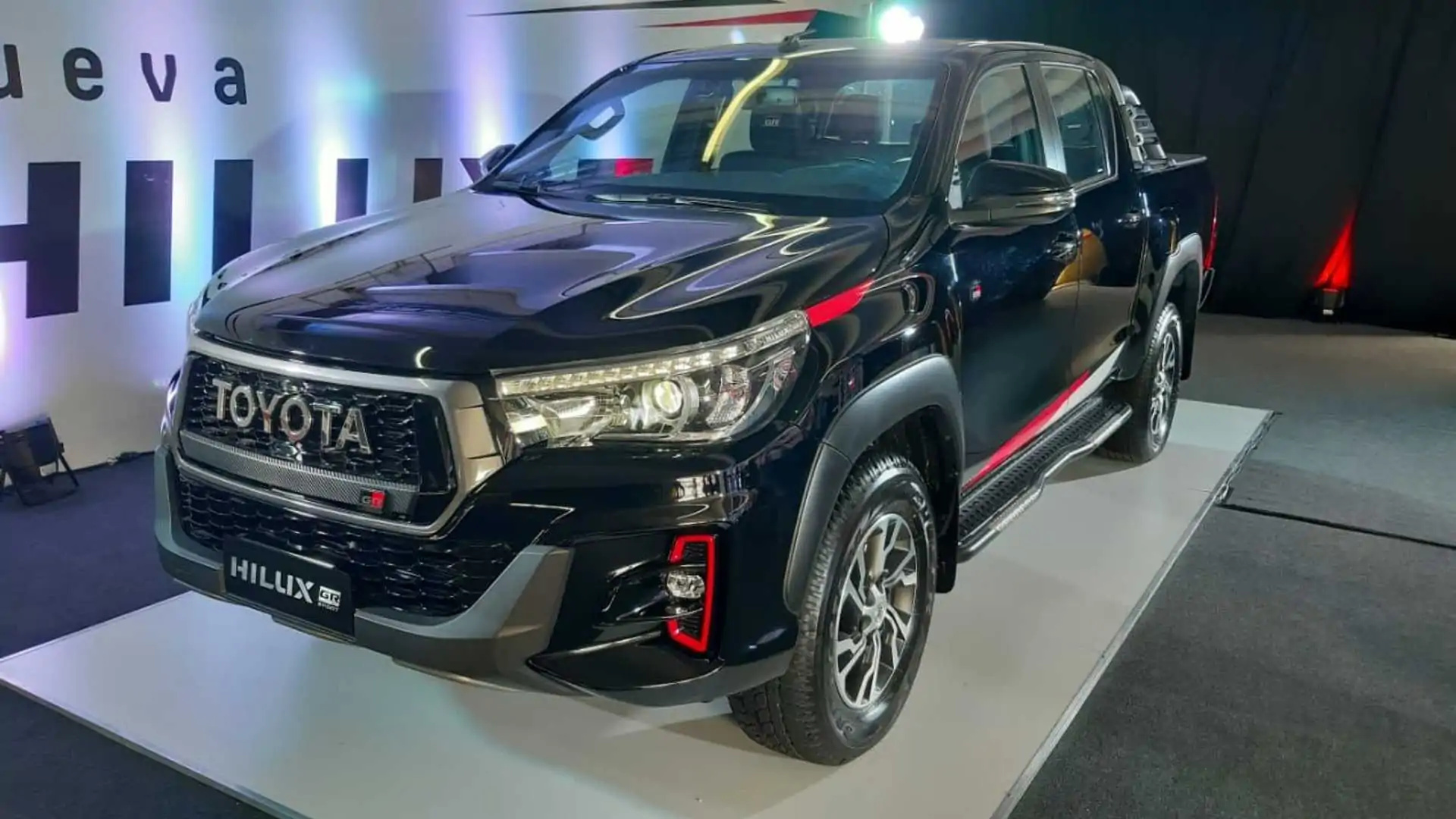
Although Produced in Argentina and Having Conquered Markets Like Mexico, the Toyota Hilux GR-S, a Powerful V6 Pickup, Remains as a Car Not Sold in Brazil. Understand the Reasons Behind This Manufacturer Decision and the Impact for Brazilian Consumers
Despite being produced in Argentina, the Toyota Hilux GR-S V6 — the sporty and more powerful version of the renowned pickup — has never been officially sold in Brazil. While countries like Mexico and Chile already enjoy the robustness combined with the performance of the gasoline V6 version, the Brazilian market still lacks access to this model, which has become a true car not sold in Brazil.
With a powerful engine, sporty appeal, and exclusive finishes, the Hilux GR-S V6 stands out in the countries where it is sold. But why hasn’t this pickup arrived here yet? The reason goes beyond geographical proximity and involves a series of strategic, economic, and cultural factors.
Toyota Hilux GR-S: Power and Sporty Identity
The Toyota Hilux GR-S is a version with sporty DNA, created by the Gazoo Racing division. Aimed at those seeking performance combined with the reliability of the Hilux line, the pickup features a 4.0-liter gasoline V6 engine with around 234 hp and 38.3 kgfm of torque.
-
Less than a Tera TSI, up to 710 km of range and charging in 9 minutes: the new BYD Song Ultra expands the Chinese brand’s bet on increasingly faster, more technological, and competitively priced electric SUVs.

-
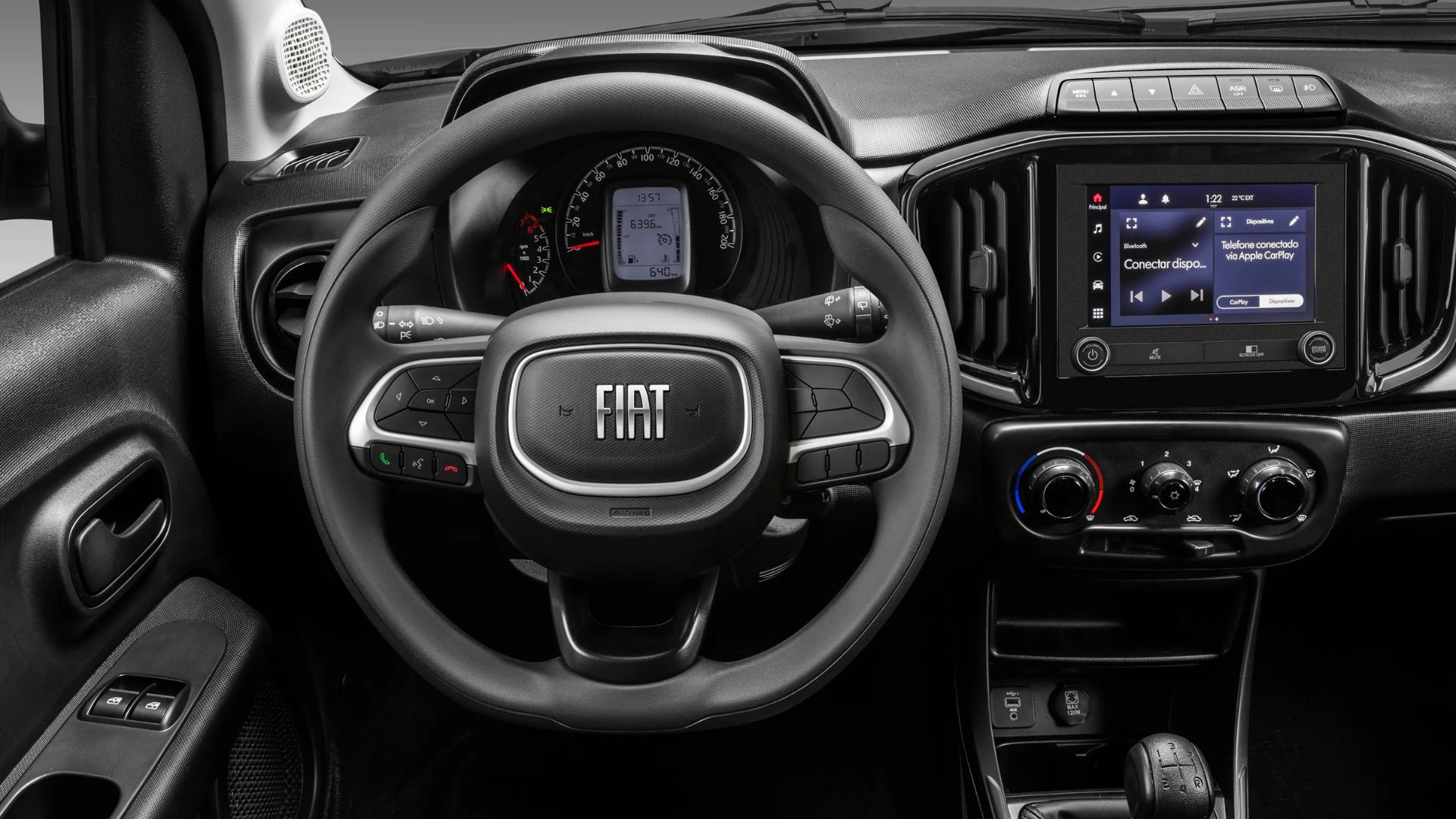
With a 1.0 engine producing 75 hp and costing less than R$ 70,000, Fiat’s car returns to the podium as the cheapest in the country; a temporary promotion for the 2026 Like version reduces the price of the Fiat Mobi.
-
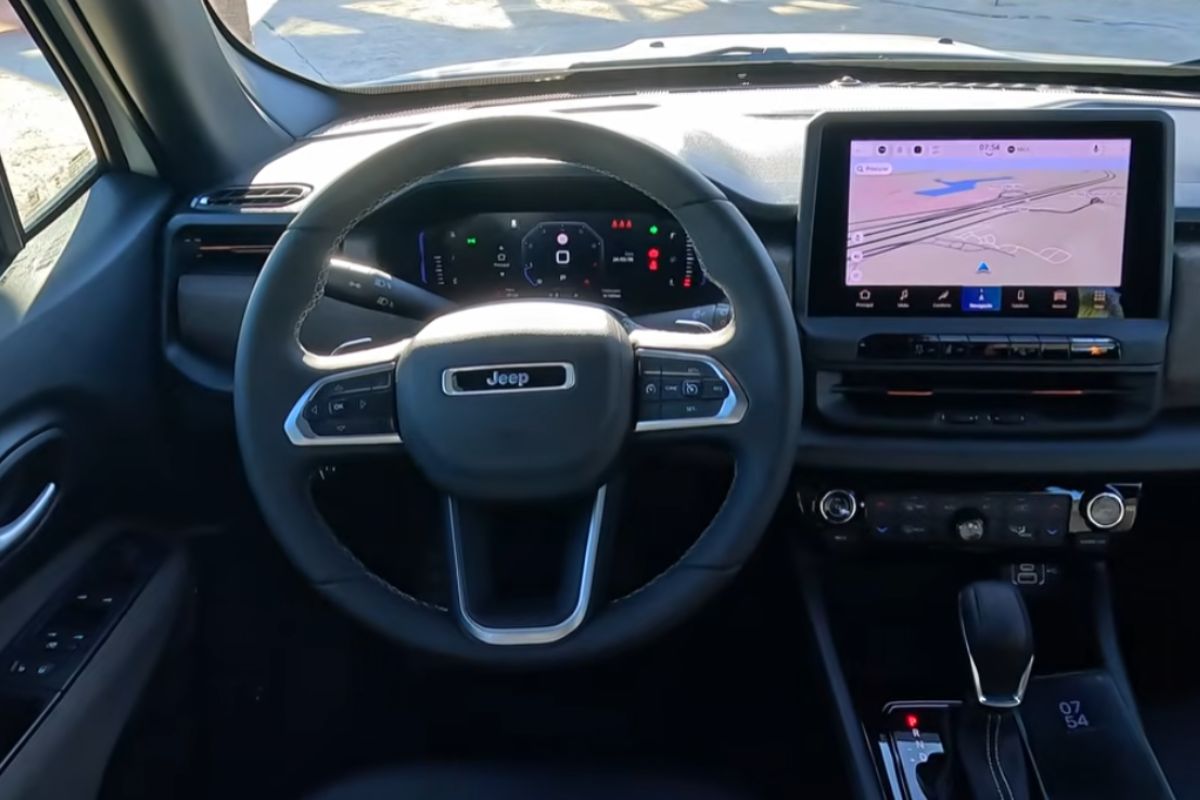
With a mild hybrid system of 48 V, 176 hp and a price of R$ 175,990 in the Sahara version, the new Jeep Renegade changes mostly on the inside, improves slightly in fuel consumption, and remains almost the same car.
-
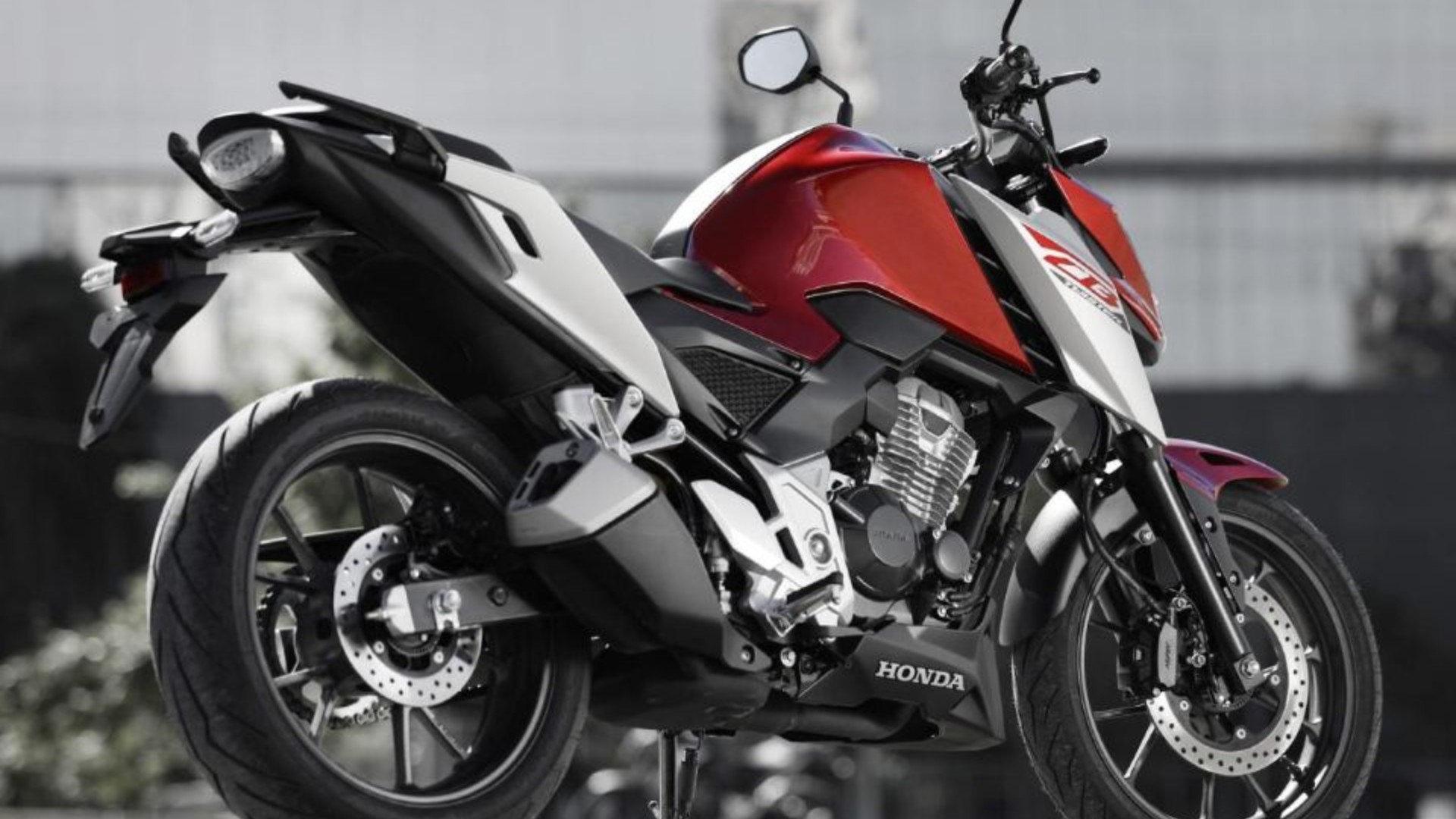
With a 293.5 cm³ engine and a range of up to 400 km with a 14.1-liter tank, the Honda CB 300F Twister 2026 has up to 24.7 hp, an initial price of R$ 25,150, and already exceeds R$ 29,000 in the Fipe Table.
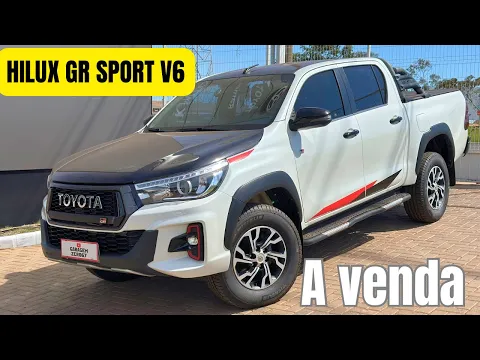

In addition to the more robust mechanical setup, the model visually differentiates itself with exclusive wheels, red details, a personalized front grille, LED headlights, and an interior with sporty finishes. The suspension is also adjusted to improve performance both on pavement and off-road.
This setup transforms the pickup into a high-performance option within the segment, catering to an audience that desires more than just load capacity and 4×4 traction.
Why Is This a Car Not Sold in Brazil?
Even though it is manufactured on Argentine soil, the pickup has never been officially offered in Brazil. The absence can be explained by a set of decisions based on market data, operational costs, and Brazilian consumer behavior.
Preference for Diesel Engines
In Brazil, medium pickups are mostly sold with turbo-diesel engines. This preference is supported by tax incentives, greater fuel economy, and a durability image associated with diesel.
According to data from Fenabrave and industry analyses, diesel engines continue to be predominant among medium pickups in Brazil, reflecting the historical consumer preference for this type of engine in this segment. This significantly reduces the commercial appeal of gasoline versions, such as the Hilux GR-S V6.
Costs and Taxation
Even being assembled in a Mercosur country, the gasoline V6 pickup would face tax barriers in Brazil. The heavier taxation on large gasoline engines makes the product more expensive and difficult to position competitively against rivals with diesel engines.
Additionally, there would be a need for specific homologation for Brazil, with adaptations and tests that generate additional costs for the manufacturer.
Low Estimated Demand
The V6 pickup segment is considered niche in Brazil. The combination of high cost and preference for diesel means that Toyota does not foresee a great return by offering this model in the country.
The brand prefers to invest in versions with greater potential sales volume, keeping the focus on models that are already market leaders — such as the Hilux 2.8 turbo-diesel.
Success of Toyota Hilux GR-S V6 in Latin America
While Brazilians continue to wait, the Toyota Hilux GR-S with V6 engine is sold in neighboring markets with good acceptance. In Mexico, for example, the model has stood out as a sporty option in the medium pickup segment.
Gasoline is more competitive compared to diesel in Mexican territory, which contributes to good sales performance. The identity of the GR-S line also has a strong appeal among young consumers and brand enthusiasts.
The same occurs in countries like Chile, Paraguay, and Colombia, where the sporty version is used both by enthusiasts and by customers seeking a vehicle with a distinct look and a more powerful engine.
Toyota Hilux GR-S in Brazil: Sporty Look, but Without the V6 Engine
It is worth noting that the acronym GR-S arrived in Brazil in 2022, but with a distinct concept. Here, the Hilux GR-S version was equipped with the traditional 2.8 turbo-diesel engine of 224 hp, the same as the other configurations in the line.
Despite adopting a more aggressive look, reinforced suspension, and sporty interior finishes, the national pickup did not feature the gasoline V6 engine. In practice, it was a special edition focusing on visuals and technical adjustments, but without the additional performance present in the versions sold abroad.
The model had a discreet passage through the market and was discontinued the following year, without a direct replacement.
Toyota Strategy and the Future of V6 Pickups in Brazil
The absence of the Hilux V6 also reflects Toyota’s more conservative stance in the country. Unlike brands like Ford, which bet on turbo-diesel V6 pickups like the new Ranger, or RAM, with the gasoline turbo Rampage, Toyota maintains a focus on efficiency, reliability, and economy.
The brand has already indicated it is preparing electrified solutions for its pickups and SUVs in the future. This could include hybrid engines that combine performance and efficiency, making gasoline V6 engines less attractive from an environmental and commercial standpoint.
Hilux V6 Pickup: Desire of Brazilians and Felt Absence
Even with the predominance of diesel, there is a loyal audience for more powerful models in Brazil. The Ford Ranger V6 turbo-diesel with 250 hp, for example, has seen good sales figures. The RAM Rampage 2.0 turbo with over 270 hp also reinforces this trend.
These figures indicate that there is indeed demand for pickups with higher performance, even at above-average prices. The absence of the Toyota Hilux GR-S V6 leaves a gap in the brand’s portfolio in the country, especially among customers who seek sporty performance without giving up the Hilux tradition.
A Car Not Sold in Brazil — For Now
The arrival of a new generation of the Hilux is expected in 2025, and there are hopes that Toyota will incorporate hybrid versions. This could change the current landscape, offering an intermediate option between performance and efficiency.
In the meantime, the V6 pickup with the Gazoo Racing emblem remains a distant desire for Brazilians, even being within reach on the production line in neighboring Argentina.
It remains to be seen whether the Japanese brand will decide to invest in expanding its local catalog or if it will continue prioritizing the balance between sales volume and mechanical rationality. Until then, the Hilux GR-S V6 remains one of the main cars not sold in Brazil, despite the strong appeal among enthusiasts.








-

Uma pessoa reagiu a isso.