





 Portuguese
  English
  Spanish
 5 min of reading
  100 comments





In The Northeast, The Fear Of Workers Losing The Bolsa Família Causes An Unprecedented Crisis In The Agricultural Sector. Whole Harvests Are At Risk As Businesses Struggle To Fill Formal Positions.
An unprecedented and silent crisis threatens to paralyze the agricultural sector of Brazil’s Northeast, a region known for its vibrant production of fruits and crops like cashew.
Behind the green fields and farms that sustain local economies lies a deadlock that exposes the fragility of public policies: the refusal of workers to accept formal jobs with signed contracts for fear of losing the Bolsa Família benefit.
This phenomenon, which mixes economic and social dilemmas, has caused a severe labor shortage in states like Pernambuco and Ceará.
-
The Federal Revenue issues a good alert for Brazilian taxpayers: 60.9% are already using the pre-filled tax return, automatic refunds via Pix reach millions, and the government plans for a fully automated income tax in the coming years.

-
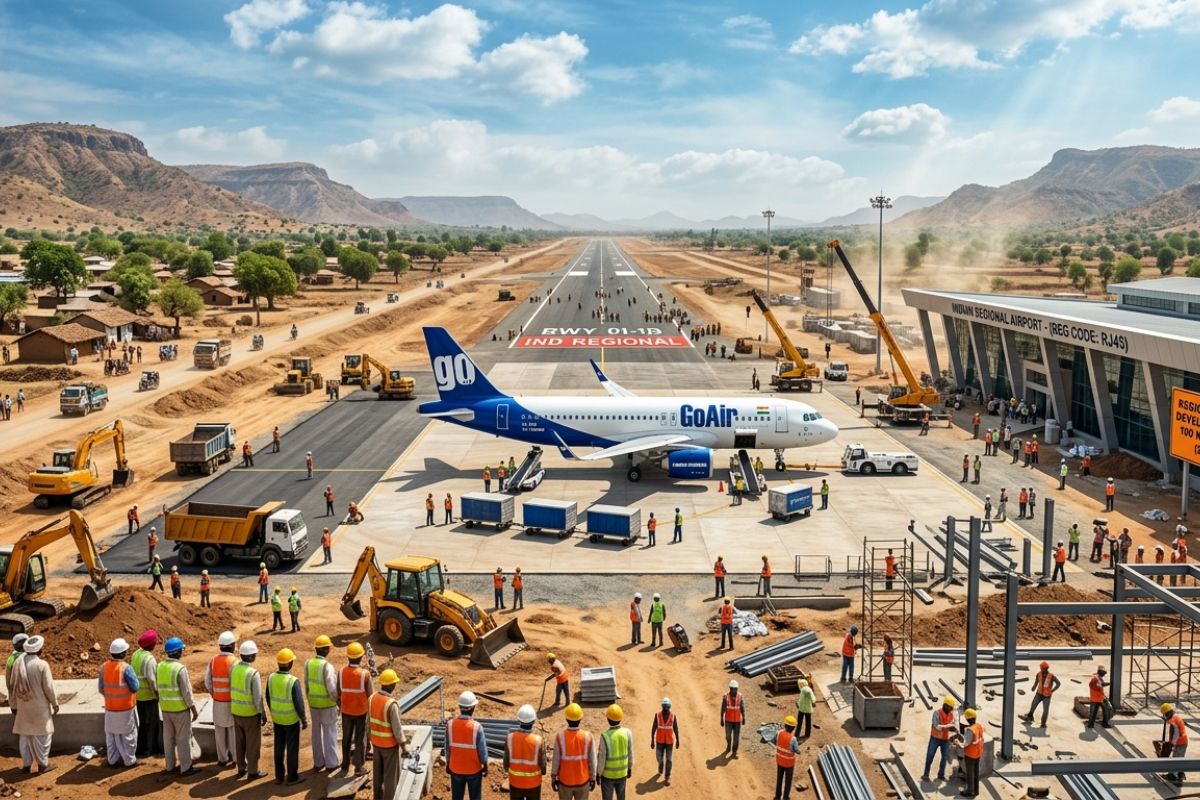
India announces a plan of $3.06 billion to bring aviation to forgotten regions: 100 new airports, $1.07 billion in subsidies, and regional routes guaranteed for 10 years, from 2026 to 2036, away from the centers.
-
Brazil blocked a proposal from the United States at the WTO that would make the exemption from tariffs on digital products like streaming and ebooks permanent, favoring American tech giants at the expense of developing countries.

-
IPTU exemption for seniors in 2026: see how to secure the benefit.


The problem not only harms entire harvests but also threatens the livelihoods of thousands of families who depend on this seasonal activity.
Understand below how this situation reached this point and what is being done (or not done) to avoid the worst.
The Dilemma Between The Bolsa Família And Formal Work
At the heart of the problem is the fear of thousands of rural workers losing the Bolsa Família, a federal benefit that guarantees R$ 600 per month to families in vulnerable situations.
For these individuals, a signed contract is seen not as a symbol of security but as a risk.
Accepting formal employment means, for many, the suspension of the benefit that is vital for countless families.
According to sector experts, this perception has created an unprecedented bottleneck in hiring labor in the Northeast.
Agricultural companies are facing increasing difficulties in filling positions on farms, even with the offer of adequate working conditions.
In the Fruit Growers’ Hub of Petrolina, in Pernambuco, the situation is alarming: entire grape harvests are at risk due to the lack of workers.
The dilemma is further exacerbated by the fact that many workers view informal work as a safer alternative to continue receiving the Bolsa Família, even though this practice is illegal and poses risks for both employees and employers.
Direct Impacts On Agricultural Production
The labor shortage is already causing evident damage. In states like Ceará, the cashew production sector has been severely affected.
The Agriculture and Livestock Federation of the State of Ceará (Faec) revealed that this year, only half of the 20,000 workers needed for the cashew harvest were hired.
The consequence is a drastic reduction in production, harming both small farmers and large producers.
According to data from Faec, many producers are experiencing significant losses due to their inability to harvest on time.
This scenario may generate a domino effect throughout the regional economy, affecting industries, exports, and income generation for local communities.
However, the problem is not limited to cashew production. Other sectors, such as fruit and vegetable production, are also feeling the impacts of the crisis.
Companies that hire formal workers are struggling to compete with informality while trying to avoid penalties imposed by the Ministry of Labor.
Mobilization Of Agricultural Federations
In light of this situation, representatives from the agricultural sector have intensified negotiations with the federal government.
One of the main proposals advocated by the federations is the temporary relaxation of Bolsa Família rules.
The idea would be to allow rural workers to engage in formal activities during seasonal periods without losing the benefit.
In Ceará, Faec held meetings with the state secretary of Labor, Vladyson Viana, to discuss possible solutions.
As reported by journalist Egídio Serpa of the Diário do Nordeste, the discussions centered around incentives to encourage workers to take formal jobs, such as the creation of a specific temporary work program.
The proposal resonates with previous experiences.
In other regions of Brazil, programs that allow formal ties without immediate loss of Bolsa Família have already been implemented with positive results.
However, the federal government has not yet officially indicated whether it is willing to implement a similar measure in the Northeast.
The Omission Of The Federal Government
The government’s silence has generated dissatisfaction among entrepreneurs, workers, and sector leaders.
So far, no concrete responses have been provided regarding the possibility of adjustments to the Bolsa Família rules. However, the expectation for a solution is growing each day.
Journalist Egídio Serpa highlighted that the deadlock is far from being merely an agricultural issue. It is a problematic situation that exposes the disconnection between social policies and the economic reality of regions like the Northeast.
For producers, the lack of workers may mean the unviability of their operations.
For workers, the risk of losing the Bolsa Família is a decisive factor that prevents them from accepting formal jobs.
Perspectives And Possible Solutions
While the federal government does not present a definitive response, agricultural federations continue to seek alternatives to avoid the collapse of the sector.
Proposals such as temporary work programs, tax incentives for employers, and awareness campaigns for workers are seen as viable paths.
Moreover, experts suggest that the government needs to adopt a more flexible approach that balances the social protection of the Bolsa Família with the demands of the labor market.
Without coordinated action, the Northeast risks facing a dangerous slowdown in agricultural production, with long-term impacts on the regional economy.
Bolsa Família Or CLT: And Now, Government?
Time is against producers and rural workers in the Northeast.
While entire harvests are at risk of being lost, families face the dilemma of choosing between formalization in the labor market or the security provided by the Bolsa Família.
In the face of a deadlock threatening the future of thousands, the question remains: is the federal government prepared to act and prevent the crisis from worsening?







Ninguém em sã consciência vai ficar com bolsa família em vez de trabalhar e crescer com seu trabalho. A grande questão está em que tipo de trabalho precarizado é esse? Vou ter de passar por uma via cruzis para chegar no meu trabalho? Vou ter de me sujeitar a um ser mal educado, megalomaníaco e que se acha empresário só porque emprega meia dúzia de CLT? Vou ficar maior parte da vida longe do convívio da minha família? E o salário de fome? Vou ter algum direito trabalhista? É a lei do mercado que os neo liberais tanto preconizam, lei de oferta e procura. Faça uma proposta decente para não valer a pena o bolsa família!
Sempre tentam colocar a culpa no Bolsa Família, mas algum empresário já pensou em pagar mais que o valor de salário mínimo oferecido??? Sempre existirá oferta e procura e está na hora de começar a dizer a verdade sobre a falta de mão de obra. Paguei bem e terá um profissional.
Sugestão!
Como é um salário de 2 a 3 meses, não precisaria assinar carteira para não entrar em conflito com o bolsa familia já que esse é o medo. As pessoas teriam o trabalho da colheita como um extra, já que estão sem fazer nada, só esperando o bolsa voto de cabresto. .kkk