





 Portuguese
  English
  Spanish
  3 min of reading
  0 comments


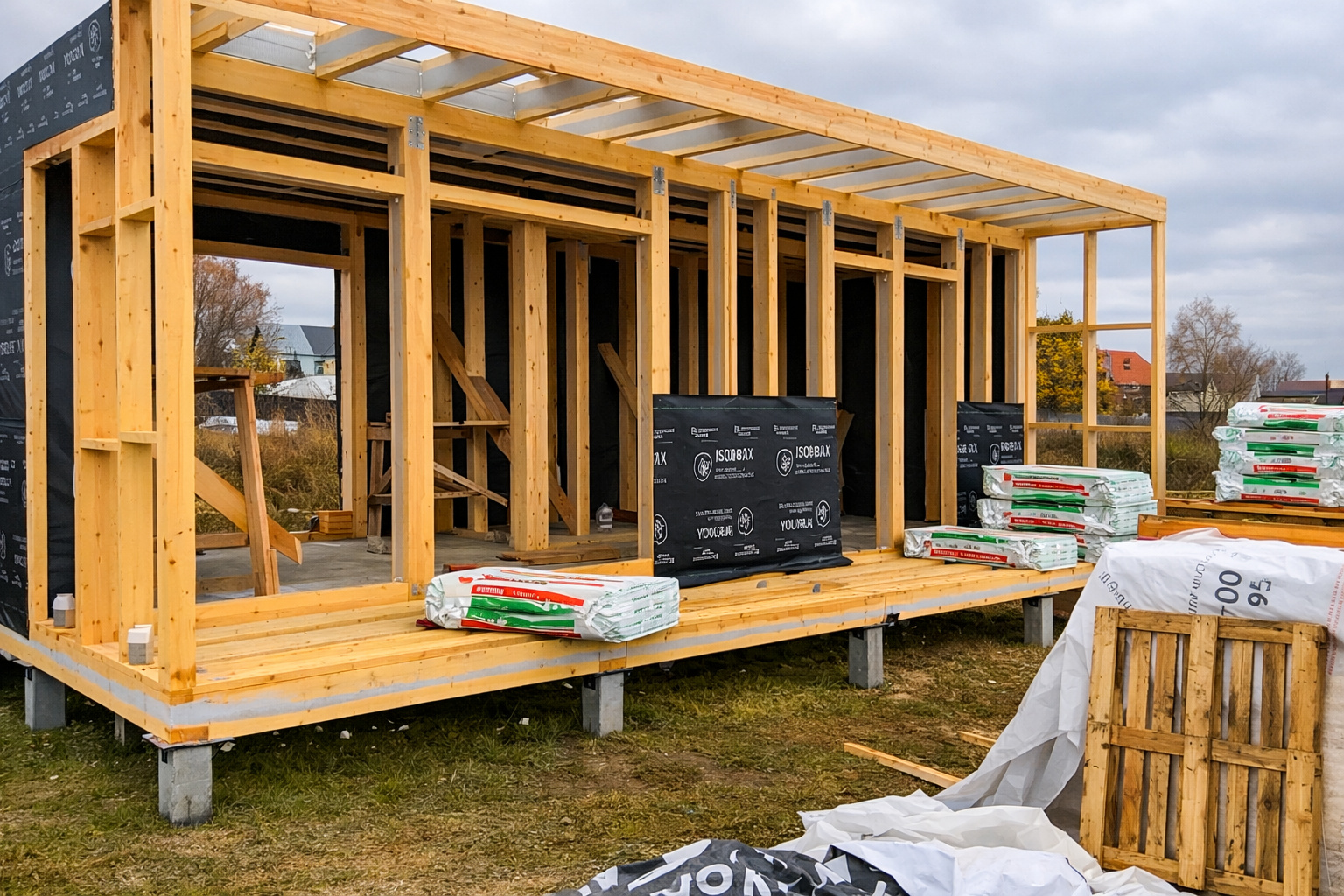
Wooden Structure Assembled by the Family Itself Shows How the German-Style Modern Half-Timbered House Method Uses Structural Material, Filling Foam, and Metal Hinges to Build a Complete House
A German-style house begins to emerge from scratch as a family assembles each piece of the structure with their own hands. What draws attention is not only the final result but the method used. It is a construction based on modern half-timbering, a technique associated with the German tradition of wooden structure houses.

The assembly takes place directly on the ground, piece by piece. First, wooden beams emerge supported by concrete pillars. Then come crossbeams, vertical pillars, and metal connections that begin to form the skeleton of the house.
The curiosity surrounding the project lies in the combination of elements. The structure uses structural wood, expansive foam applied between panels, and metal hinges that aid in the fixation and adjustment of the pieces.
-
Congonhas receives the monorail promised for the 2014 World Cup after more than a decade of delays and becomes the first airport in Brazil with integrated subway.
-
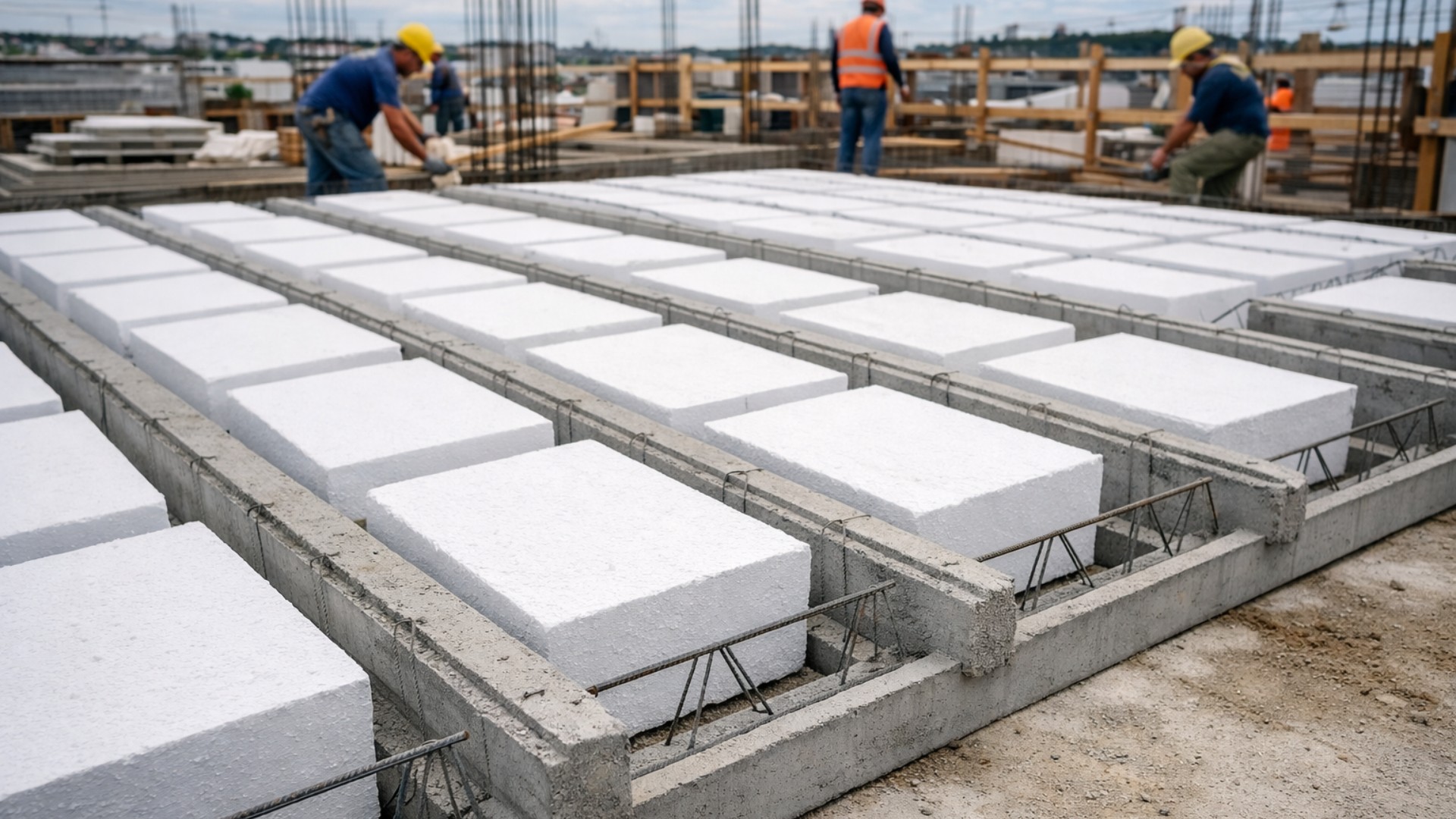
Goodbye, concrete: a new trend in civil construction reduces the weight of the structure by up to 30%, accelerates projects by up to 40%, cuts costs on steel and labor, and improves thermal insulation with EPS.
-
Russian engineers create an innovative propeller blade for aircraft that could completely change the way airplanes and helicopters operate.

-
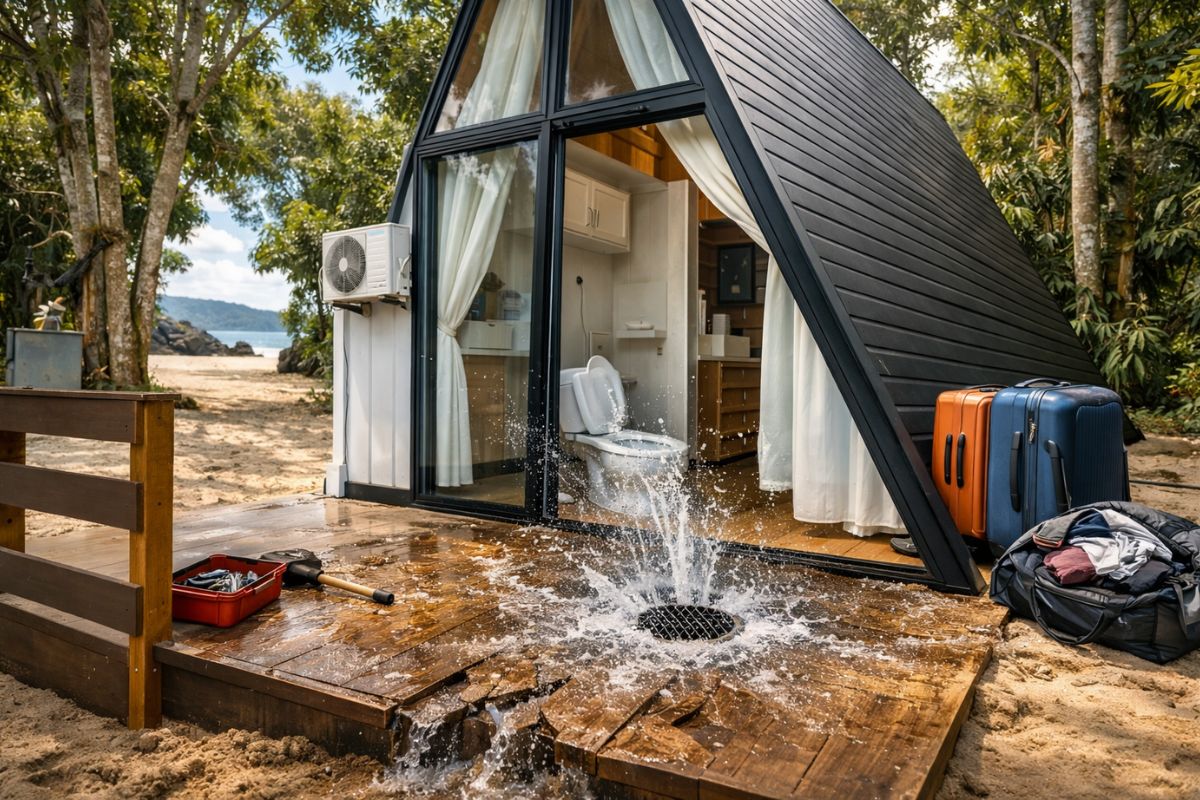
Couple finishes building PVC chalet on the beach on the last day, with air conditioning and curtains, but discovers the bathroom drain is inverted: water escapes from the drain, risking breaking the floor, and the rush continues before the trip.

The Construction of the Structure Begins with Concrete Pillars and Wooden Beams That Form the Skeleton of the Modern Half-Timbered House
The first sign of construction appears when several concrete pillars are distributed across the site. Thick wooden beams are positioned on each of them, which will support the entire base of the house.
The execution requires careful alignment. The beams are fixed to the pillars with metal plates and screws, forming an elevated frame off the ground. This base creates support for all subsequent steps.
When the set of beams connects, a rigid platform emerges. From this point, the construction ceases to be just a foundation and begins to indicate the shape of the building.

The work environment shows clear signs of physical effort. The wooden pieces are heavy, require precise positioning, and each tightened screw permanently fixes the structure.
Vertical Pillars and Crossbeams Transform the Base into a Typical Wooden Structure of Half-Timbering
Once the structural floor is ready, the assembly changes direction. Vertical wooden pillars begin to appear, installed at the ends and in the spots where the walls will exist.
Each pillar is secured to the lower beams by angular metal brackets. Screws pass through the plates and hold the wood in the correct position. The process is repeated several times until the outline of the house becomes visible.
With the pillars installed, the horizontal crossbeams come into play. These pieces connect the pillars to each other and form the typical frame of half-timbering.

With each new connection, the skeleton of the house gains rigidity. The space that was once just a platform begins to take on volume and height.
Metal Hinges Help in Assembling and Adjusting the Pieces of the Structure
Another technical detail draws attention during the assembly. At several points, metal hinges appear, connecting parts of the wooden structure.
These hinges function as connection points between beams and movable panels. During assembly, they allow for adjustments in the positions of the pieces before final fixation.
After the correct alignment, the screws are tightened, and the hinges become part of the structural ensemble.
The repetition of these metal connections at various points demonstrates the care in organizing the assembly.

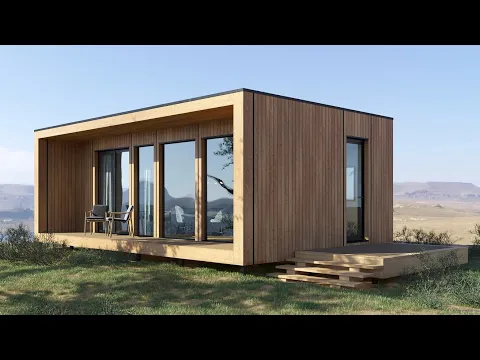
When Wooden Panels and Glass Doors Enter the Structure, the House Begins to Take Its Final Shape
With the main structure ready, wooden panels begin to close off the outer walls. The boards are attached directly to the beams and pillars.
On one side of the house, a large space appears designated for glass doors, connecting the interior with the outdoor area.
At this moment, the construction no longer appears to be just a technical structure. It begins to take on the aspect of a complete residence.
Even at this final stage, adjustments still occur. Screws are tightened again, panels are aligned, and small details are corrected.
What do you think of this type of wooden construction using the modern half-timbering method? Would you live in a house built this way? Leave your opinion in the comments.








Seja o primeiro a reagir!