





 Portuguese
  English
  Spanish
  5 min of reading
  0 comments


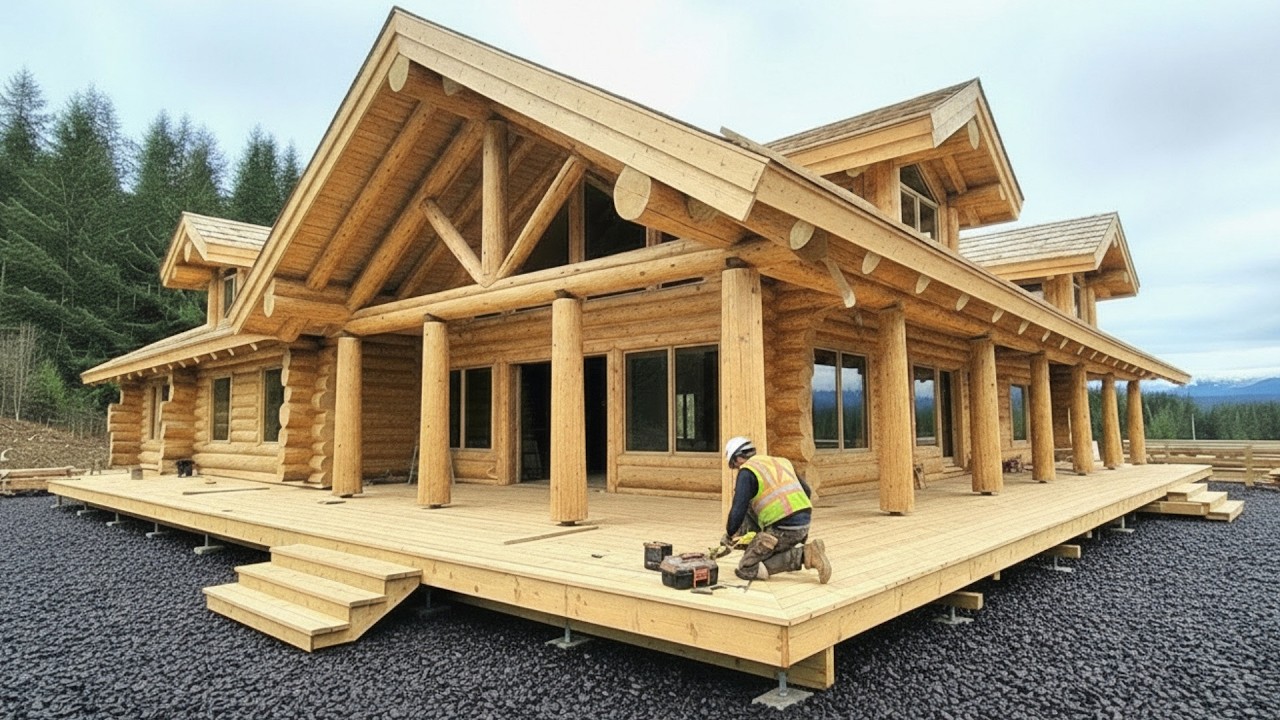
Family Builds Log Cabin in Alaska, Faces Extreme Cold, Snow and Total Isolation in Off-Grid Project Designed for Survival and Autonomy.
In the age of big cities, compact apartments, and increasingly connected lives, a family of seven chose to take the opposite path. Instead of urban infrastructure, they opted for isolation. Instead of concrete, they went for solid wood. In a remote part of Alaska, surrounded by dense forest, constant snow, and extreme temperatures, the group erected by hand a log cabin designed to withstand the intense cold, operate off the public grid, and ensure shelter, autonomy, and survival during long harsh winters.
The project did not originate as a temporary experience or a fleeting adventure. From the outset, the idea was to create a permanent home, capable of functioning as an off-grid refuge in one of the most challenging regions on the planet. Every technical decision, every material choice, and every stage of construction was guided by a clear goal: to transform an isolated clearing into a solid, efficient structure prepared to face heavy snow, cutting winds, and long periods of negative temperatures.
How the Log Cabin Project in Alaska Emerged
The story begins far from paved roads, neighbors, or public services. The family deliberately chose a remote location, surrounded by untouched nature, where the silence is only broken by the wind and the sounds of the forest.
-
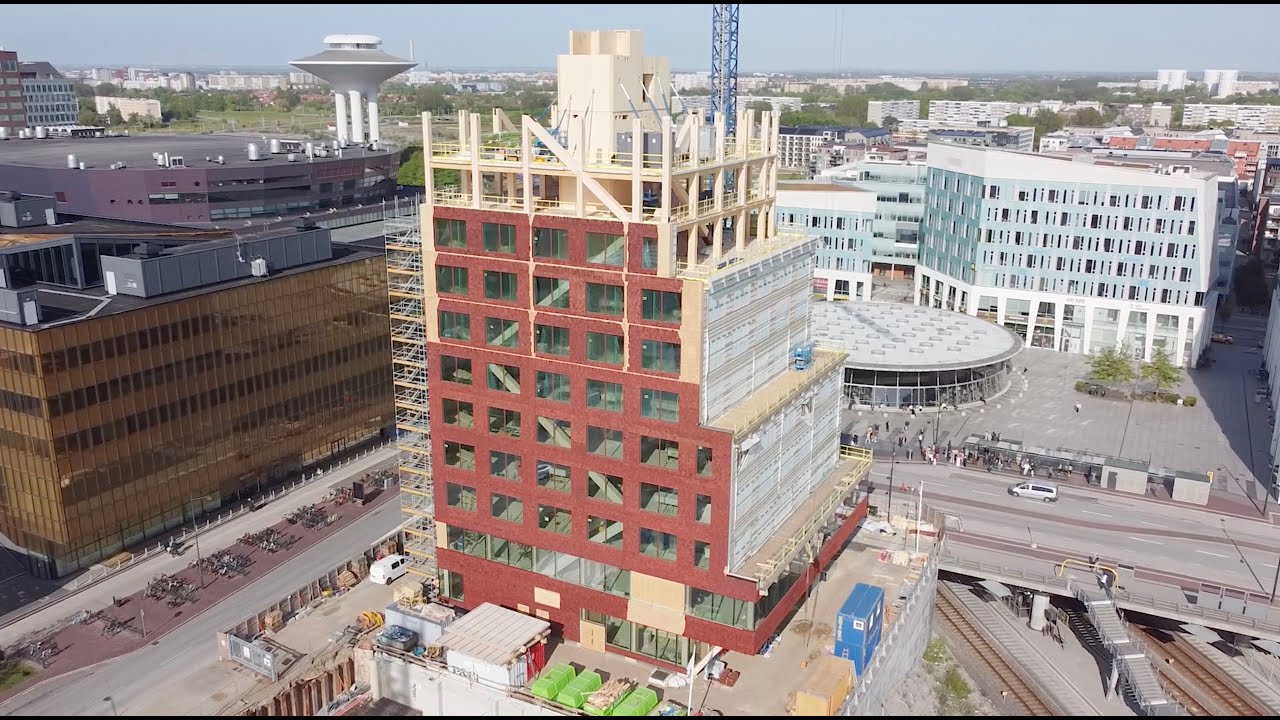
In Sweden, a 51-meter tower was built almost entirely of wood, without a concrete structural core and with solar panels integrated into the facade, using CLT and laminated beams to challenge the dominance of steel and concrete in modern buildings.
-
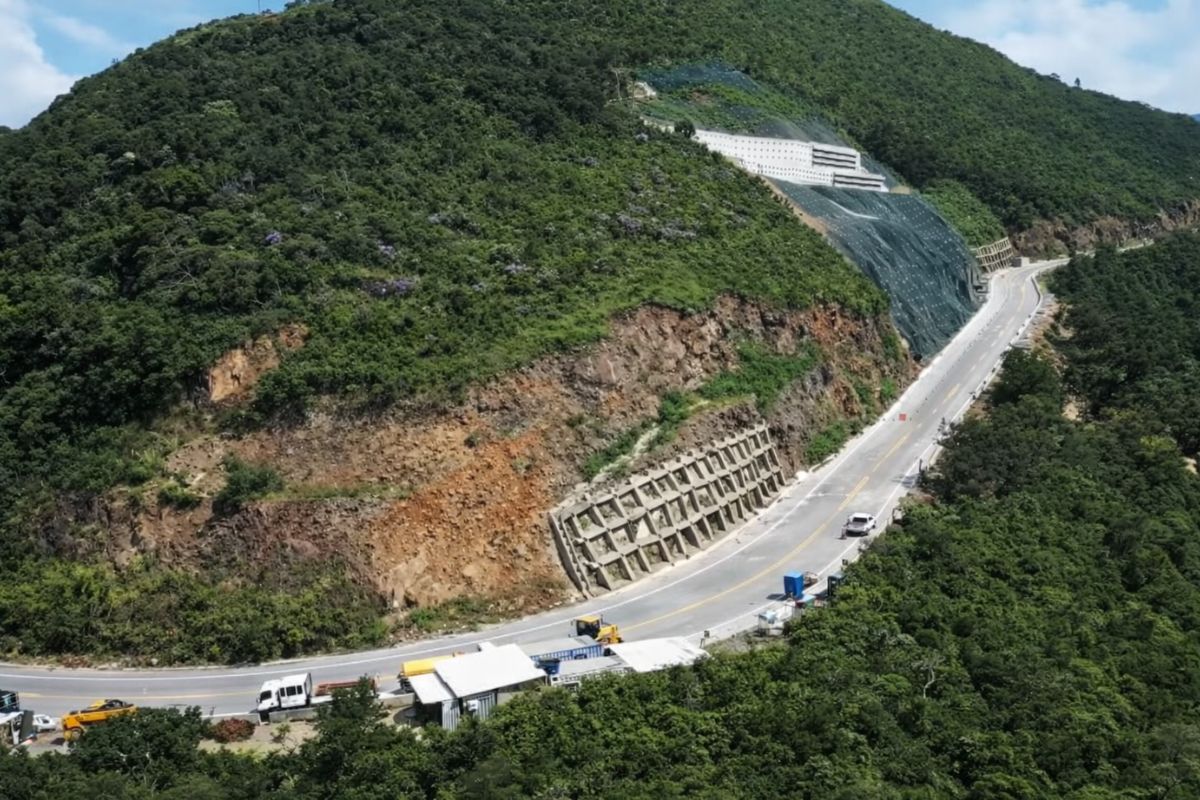
The section of Serra da Rocinha on BR-285 is now open in Timbé do Sul: 50 m tensioned curtains and top-down technique stabilize the slope, with a stairway duct controlling the water.
-
Scientists use sawdust mixed with clay to create a lighter brick, promising efficient thermal insulation and impressing by transforming waste into a solution for construction.

-
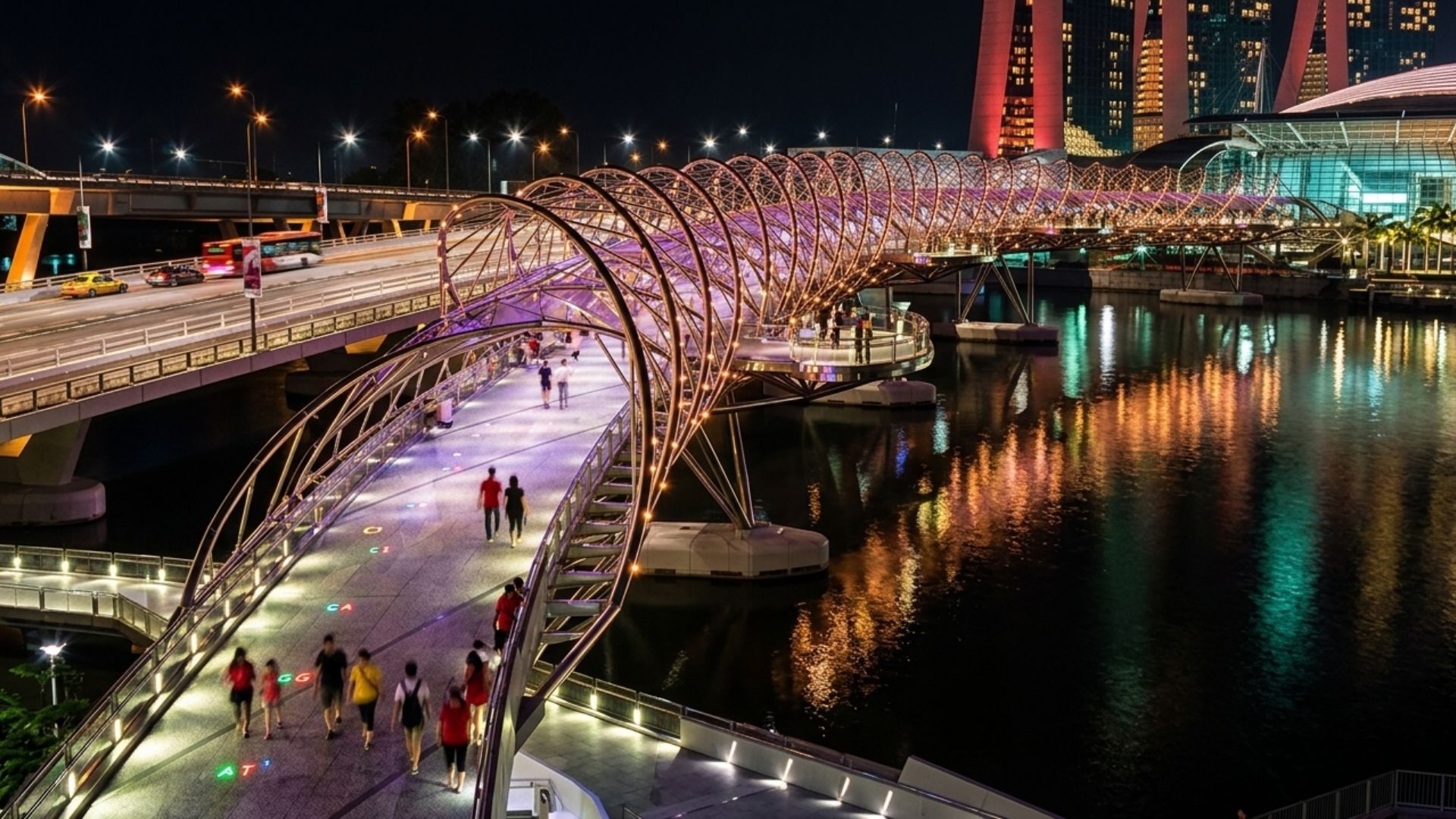
With a DNA shape, this bridge in Singapore draws attention in modern architecture and surprises tourists by transforming a simple crossing into an unforgettable visual experience in the urban heart.

Instead of hiring large teams or specialized companies, they decided to take on almost all the stages of construction, dividing tasks among adults and teenagers.
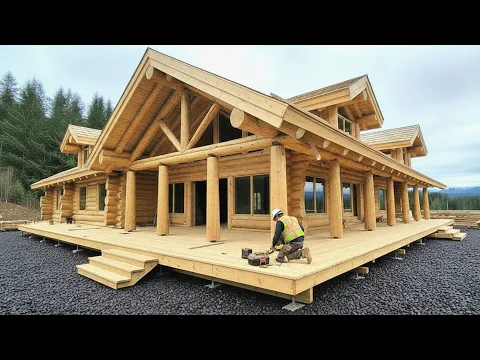

While some took care of selective clearing and land preparation, others focused on cutting, transporting, and adjusting the logs.
The work was done amid the snow, using simple tools, careful planning, and a routine marked by intense physical effort. More than just building a house, the group aimed to create a space that combined housing, survival, and purpose, strengthening family bonds in an extreme environment.
The choice for manual construction also had a practical reason. In a difficult-to-access region, reducing dependence on external suppliers and maximizing the use of available resources on-site was essential for the project’s viability.
Wood as Structure, Insulation, and Survival Strategy
In Alaska, every material needs to serve multiple functions. The solid wood logs chosen by the family not only serve as walls. They simultaneously function as the main structure, thermal insulation, and ensure long-term durability.
The thickness of the logs creates a natural barrier against the cold, reducing thermal exchange between the heated interior and the freezing outside environment. At the same time, the wood offers excellent thermal inertia, helping to maintain a more stable internal temperature throughout the day and night.

From the initial clearing to the internal finishes, the process combined practical engineering, family organization, and technical choices aimed at reducing external dependencies. Each log was cut, adjusted, and positioned with precision, respecting the weight of the structure and the need for effective sealing against wind and moisture.
How the Foundation Was Planned for the Extreme Alaskan Climate
Building in Alaska requires extra attention to the foundation. The frozen ground, sharp temperature variations, and high humidity pose challenges that do not exist in temperate regions. The house could not simply rest directly on the ground.
The family designed a deep, elevated, and well-insulated foundation, sized to support heavy loads of snow accumulated in winter and resist the natural movement of the terrain over the years. This care prevents structural deformation and extends the lifespan of the building.

The thermal insulation of the base received special attention. Sealing techniques and appropriate materials created a true “shell” protector, preventing the cold from the ground from rising into the house’s interior. This setup reduces heat loss and significantly improves the efficiency of the heating system, including the heated floor that maintains comfort even on very cold days.
How the Logs Transform into Strong and Efficient Walls
The heart of the project lies in the meticulous work with solid wood. Each log was carefully notched to ensure precise fits, avoiding gaps and ensuring proper weight distribution throughout the structure.
This traditional method, widely used in cold regions, creates robust walls that are highly efficient from a thermal perspective.

In some areas, the family applied controlled burning techniques, an ancestral method that increases the wood’s resistance against moisture, fungi, and insects. As the walls gained height, strategic openings for doors and windows with good thermal performance were created, essential for maintaining internal heat without compromising natural lighting.
The result is walls that function as a true cocoon: structurally strong, with excellent acoustic insulation and a rustic visual typical of cabins in cold regions.
Internal Solutions That Make the Cabin Functional and Comfortable
Inside, the house shows that off-grid living does not mean making do. The electrical system was planned to run through channels embedded in the wood, keeping the wires protected and accessible for maintenance without compromising the rustic look of the interior.
The heated floor plays a central role in thermal comfort, evenly distributing heat and reducing the sense of cold when walking, something essential in environments subjected to long winters. The presence of a stone base for the stove reinforces thermal inertia, accumulating heat during use and gradually releasing energy even after the fire goes out.
The compact layout of the house was also strategically thought out. Smaller and well-integrated spaces facilitate heating, reduce energy consumption, and make the system more efficient, which is crucial in a location where every resource needs to be well-managed.
The House as an Off-Grid Refuge in One of the Most Isolated Regions of the Planet
At the end of the construction, the cabin reveals its vocation as an off-grid refuge off-grid in Alaska. The metal roof was designed to support heavy snow loads, while the exposed wood interior reinforces the sense of shelter and coziness amid the hostile climate.
Each room reflects the pursuit of autonomy, with less dependence on public networks, greater use of natural resources, and a conscious adaptation to local conditions.
More than just a construction, the house becomes a symbol of planned survival and intense coexistence, showing that technique, simplicity, and organization can walk hand in hand even in the most extreme environments on the planet.
For those interested in architecture in hostile regions, remote living, and construction solutions outside urban standards, the project inspires new forms of alternative housing and reveals how well-thought-out choices transform isolation into security.







-

-

4 pessoas reagiram a isso.