





 Portuguese
  English
  Spanish
  5 min of reading
  10 comments


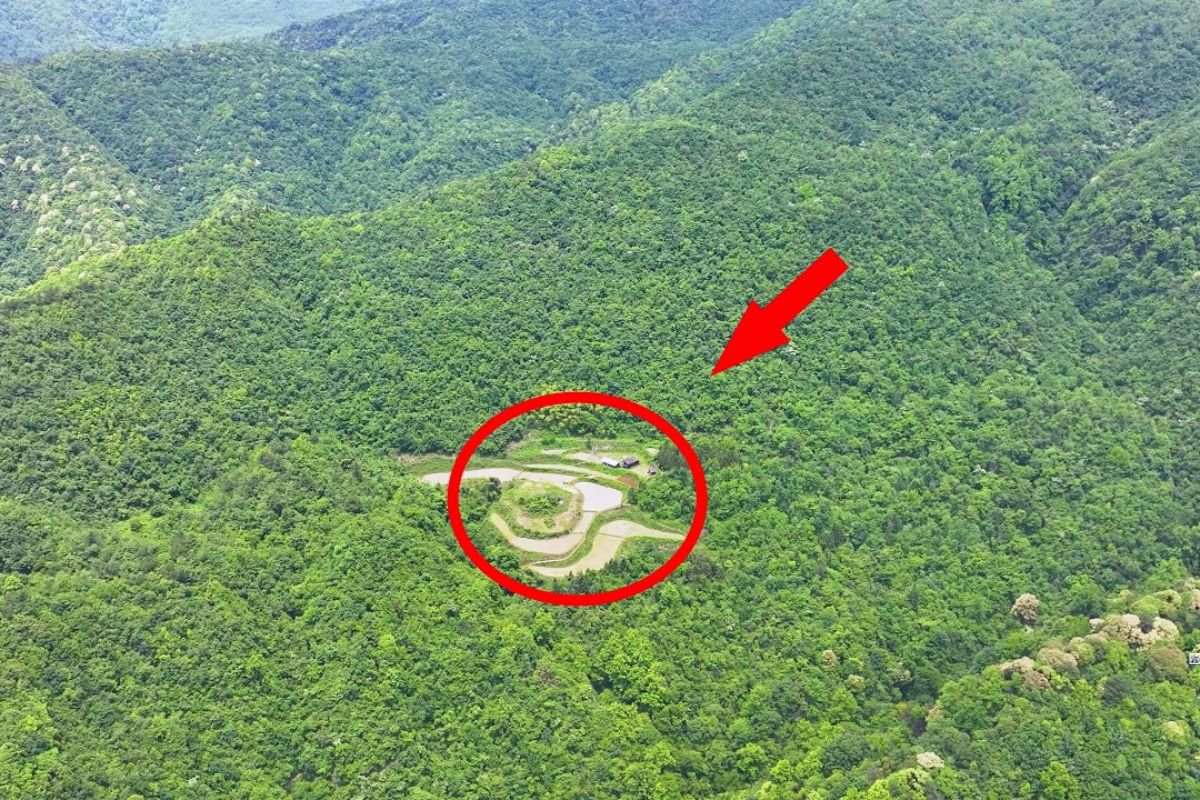


In Shibing, in the Mountains of Guizhou, an Isolated Family Has Preserved an Self-Sufficient Life for Four Generations, Living Among Fields of Corn, Garlic, and Soybeans, with Spring Water, Solar Energy Only for Lighting, and Travel on Steep Trails That Reinforce Their Chosen Seclusion
The isolated family lives on a slope surrounded by pristine forest, where three wooden houses enclosed by small farming plots form a self-sufficient core. Just a few hundred meters in a straight line from the main trail, but a hike of over an hour and a half through winding paths, the place combines abundant running water, fertile soil, and absolute silence, attributes that sustain the routine of planting, harvesting, and storing.
Access is via trails carved into the rock, with simple bridges over ravines and sections prone to landslides. The water arrives by gravity through pipes from the spring, and the nighttime light relies on solar panels. The stove uses firewood collected nearby. The family shares the use of the site with relatives who now live in the valley, descending and ascending according to the agricultural calendar.
Who Lives There and How the Routine Is Organized
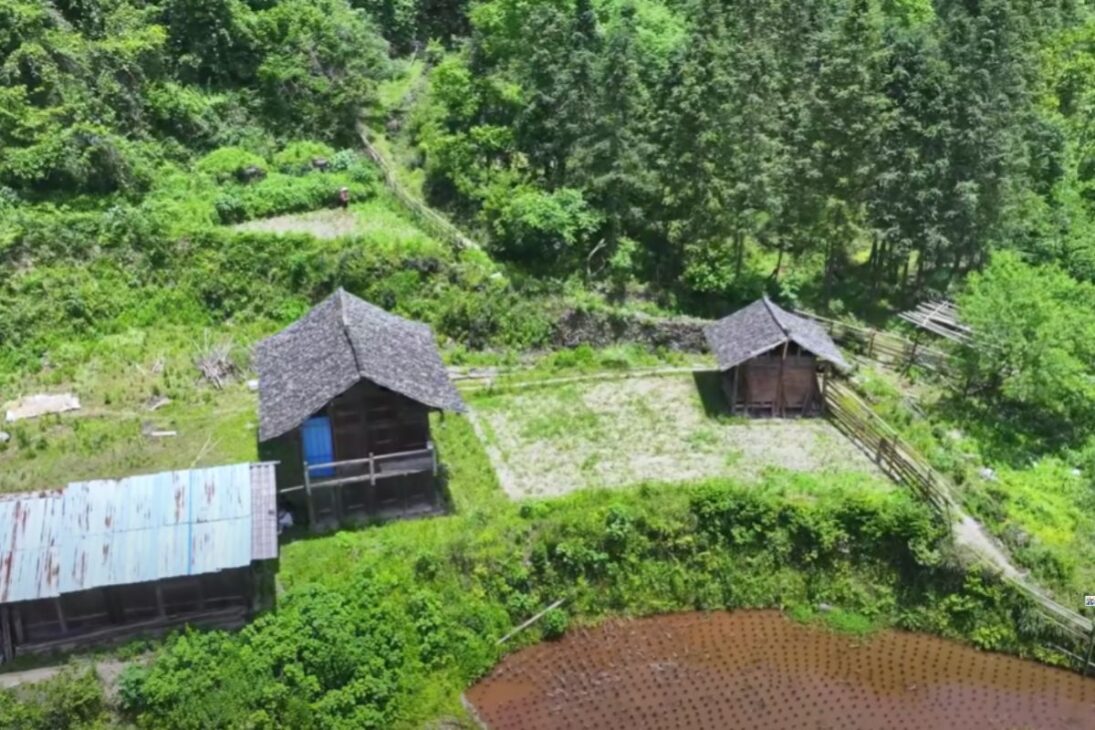
The resident who receives visitors, in her 60s, weeds and plants in the closest plots.
-
The narrowest house in the world is only 63 centimeters wide, but inside it can accommodate a bathroom, kitchen, bedroom, office, and even two staircases.

-
In the middle of the sea, these enormous concrete and steel structures, built by the British Navy to protect strategic maritime routes, look like they came straight out of a Star Wars movie.
-
For years, no one could cross a neighborhood in Tokyo because of the tracks, but an impressive solution changed mobility and completely transformed the local routine.
-
With 15 floors, an unusual building in Curitiba uses concrete, pilasters, and exposed roofs to create the effect of stacked houses.

She reports that four generations have maintained a bond with the place and that, currently, the couple resides in the village of Wangjiaping, coming up when there is planting, weeding, and harvesting.
The core consists of three wooden houses: two residential and a barn for grains and utensils.
In the surroundings, there are seven to eight beds with corn at different stages, as well as garlic, soybeans, onions, and rapeseed. In years of regular rain, rice is planted in the low areas.
The surplus corn is sold in the village. Harvests are dried in the yard and, when necessary, transported by hand along the trail.
Where the Fields Are and Where the Water Comes From
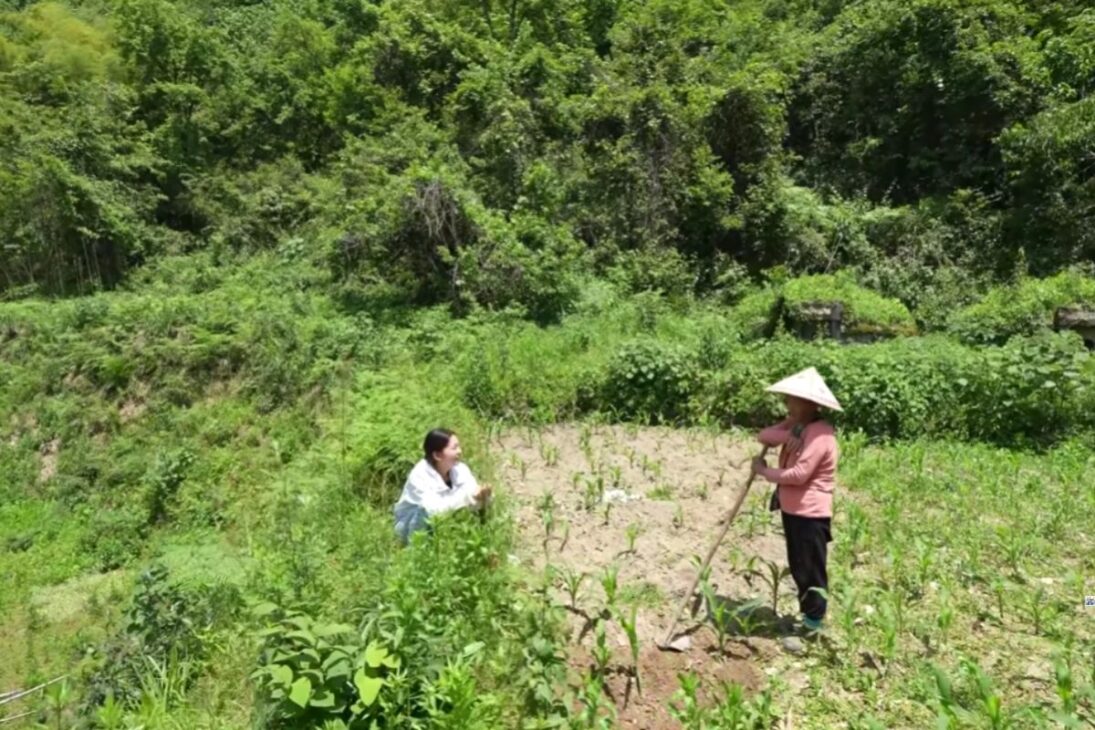
The site is located in Shibing, Guizhou Province, in a natural amphitheater surrounded by steep slopes.
The spring descends in cold, clear streams, captured by two pipes that supply the kitchen, washing, and consumption.
In the backyard, the constant sound of water sets the pace of tasks and eliminates the need for complex pumping systems.
Irrigation is simple: shallow channels and buckets.
The terraced topography favors short-cycle crops while floodable areas received rice in previous harvests.
The rugged terrain requires planning for transporting supplies and grains, and makes logistics a central part of daily work.
Why the Family Stays in Place
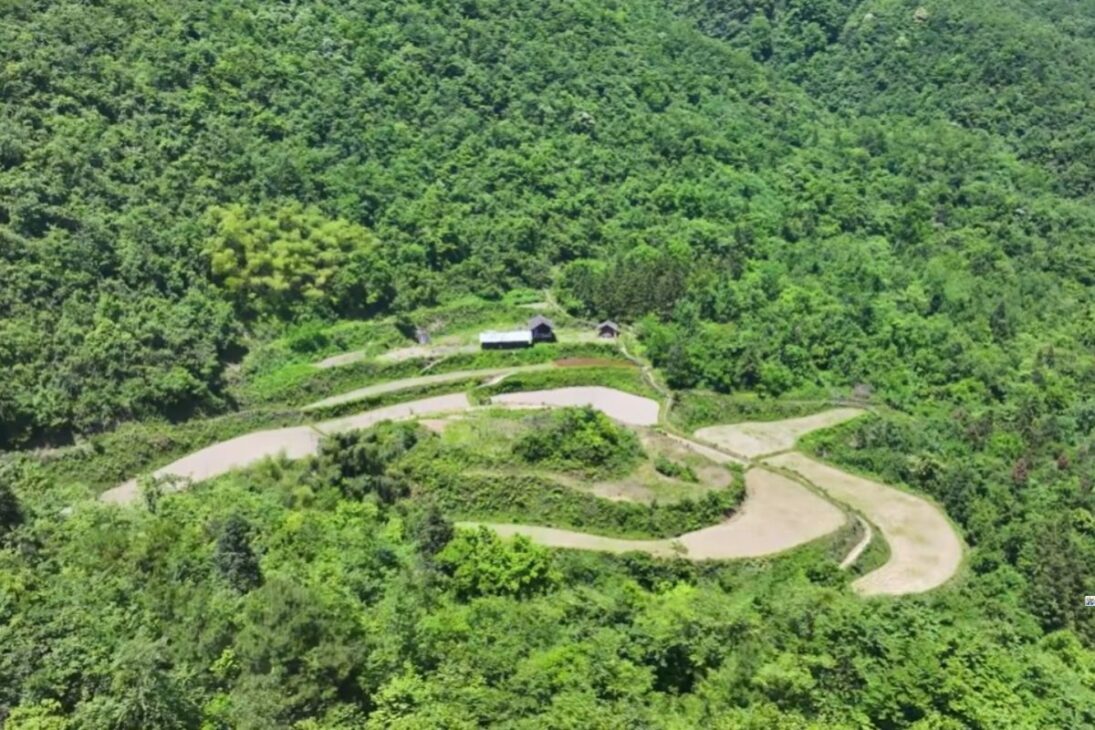
According to the resident, the origin of the settlement dates back to her father-in-law’s generation, possibly linked to times of conflict, when families sought refuge in the mountains.
The result is a hybrid arrangement: daily life in the village and agricultural production in the mountains, with scheduled trips according to climate and need.
The land is divided between two families, with contiguous areas for fields and old pastures.
The current choice balances food autonomy and supplementary income.
Seclusion reduces expenses, but requires conditions: good health for walking the slopes, maintenance of the wooden houses, and mastery of agricultural practices that compensate for the distance from urban services.
How Domestic Infrastructure Works
There is no power grid. The lighting uses low-power solar panels. Cooking is done on a wood stove, with large pots and an iron support for water and broths.
The kitchen contains traditional utensils, such as the threshing basket and wooden container for finishing the steaming of rice.
The preservation of grains occurs in the elevated barn, which protects against humidity and animals.
For soil preparation, the family uses a combustion cultivator. There is also a rustic beehive, still without an active swarm.
The enclosure of sticks and wire prevents livestock from entering the plots, an essential care in isolated areas.
How Long Do Displacements Take and What Are the Risks
From the point where the trail approaches to the houses, the straight distance is 500 to 600 meters, but the actual path triples due to the winding.
The ascent takes from one to one and a half hours, depending on the load and the weather.
On hot days, the forest provides shade and fresh air, but the cliffs and loose slopes require caution. Simple bridges over streams complete the route.
During the harvest, the family camps for periods at the top to speed up tasks. In dry spells, dependence on the spring forces a rotation of irrigation and consumption.
Risk management is a daily practice, from maintaining a firm step on the edge of the ravine to choosing planting windows.
Material Culture and Practical Knowledge
The main house has two wooden floors, a solution that is uncommon today in rural areas.
Cross ventilation and the mountainous climate eliminate the need for artificial cooling. Inside, there are faded old banners, remnants of past celebrations.
The surroundings contain hand tools, simple sprayers, and water tanks, forming a lean and efficient technical system.
In the field, crop rotation between corn, legumes, and gardens takes advantage of the microclimate and breaks pest cycles.
Management includes frequent weeding, sun drying, and elevated storage.
It is the accumulated knowledge that sustains autonomy, more than any isolated equipment.
Why History Matters
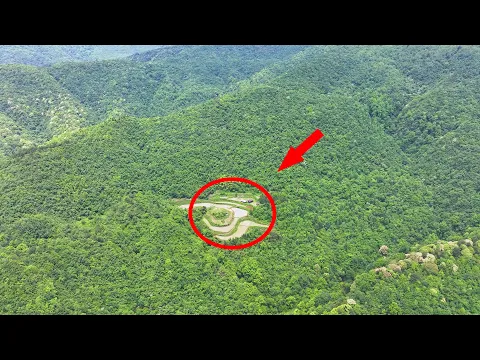

Cases like this reveal strategies for permanence in mountainous environments where modern infrastructure is limited.
Self-sufficiency is not romanticization, it is a daily calculation of effort, time, and safety.
The isolated family of Shibing maintains an intangible heritage of agricultural techniques, spring water, and wooden architecture that survives because it remains useful.
It also exposes contemporary dilemmas: how to reconcile income, education, and health without breaking ties with the land.
The hybrid village-mountain solution indicates paths of adaptation that preserve autonomy and reduce risks.
In Guizhou, the isolated family demonstrates that choices of seclusion can be, above all, projects of efficiency and autonomy shaped by the terrain, water, and time.
In your view, which factor weighs more in maintaining this life in the mountains today: water security or proximity to the village for services and selling production?






Família madrigal
Com certeza são felizes e LIVRES, porque viver aqui tá uma escravidão , imoralidades, e canibalismo
Matéria muito boa e interessante! Eles preservam e cuidam da terras. Não são ambiciosos.