





 Portuguese
  English
  Spanish
  5 min of reading
  0 comments


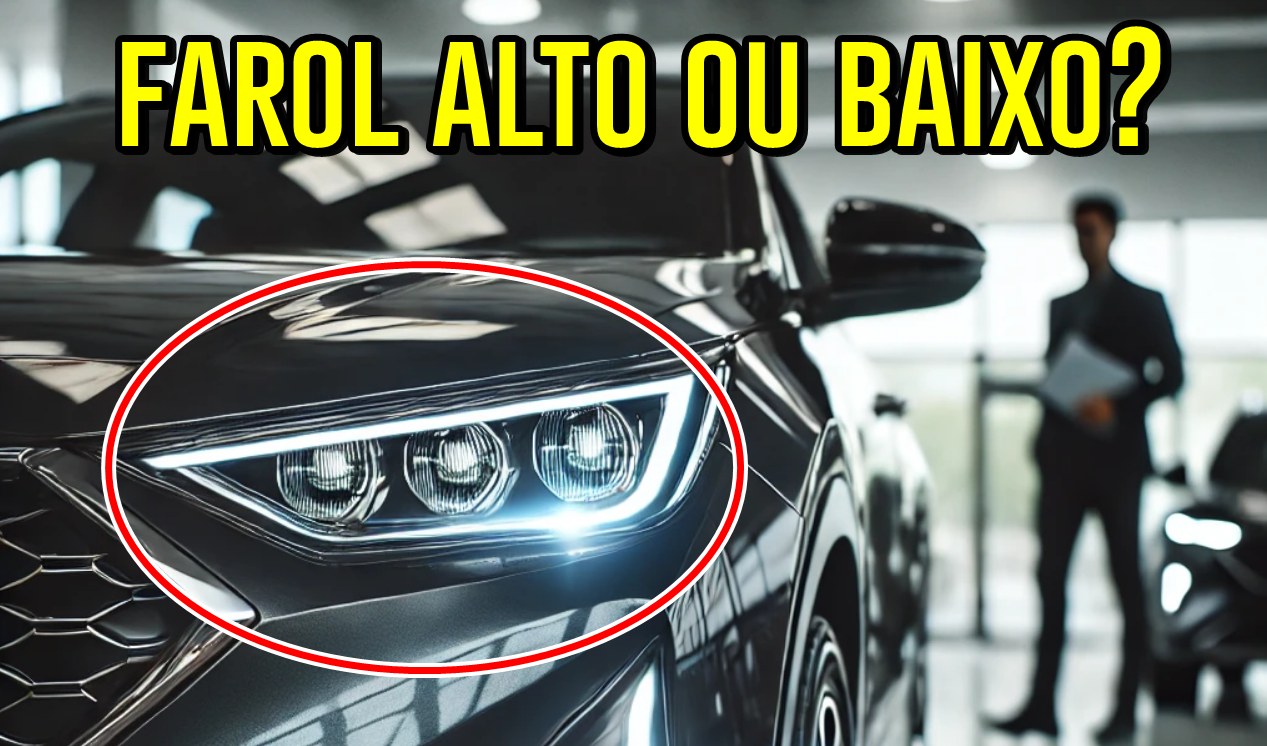
Understand The Difference Between High And Low Beams And Learn When To Use Each For Safe And Responsible Driving
Driving in low visibility conditions, such as on a road with dense fog, is always a big challenge. With little visibility, it is difficult to identify what is around, and any mistake can put safety at risk. So, when the weather is against you, which headlight is more appropriate: High Beam Or Low Beam
In this guide, we will understand the importance of each type of headlight, in which situations to use them, and what traffic laws say about the subject. Ready To Learn How To Ensure Safe Driving In Difficult Weather? Let’s Go!
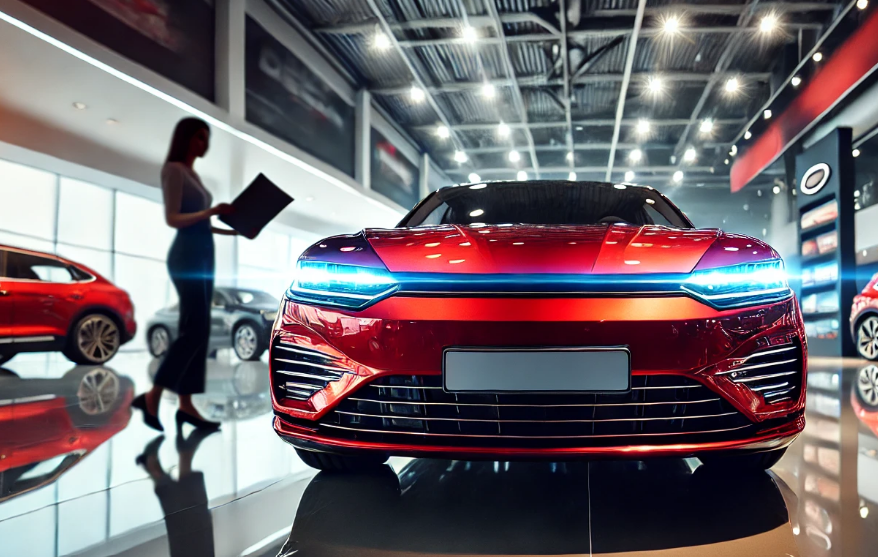
What Are Headlights?
Headlights are not just lights; they play an essential role in vehicle safety and design. They illuminate the road, help detect obstacles, and ensure that drivers can see and be seen.
-
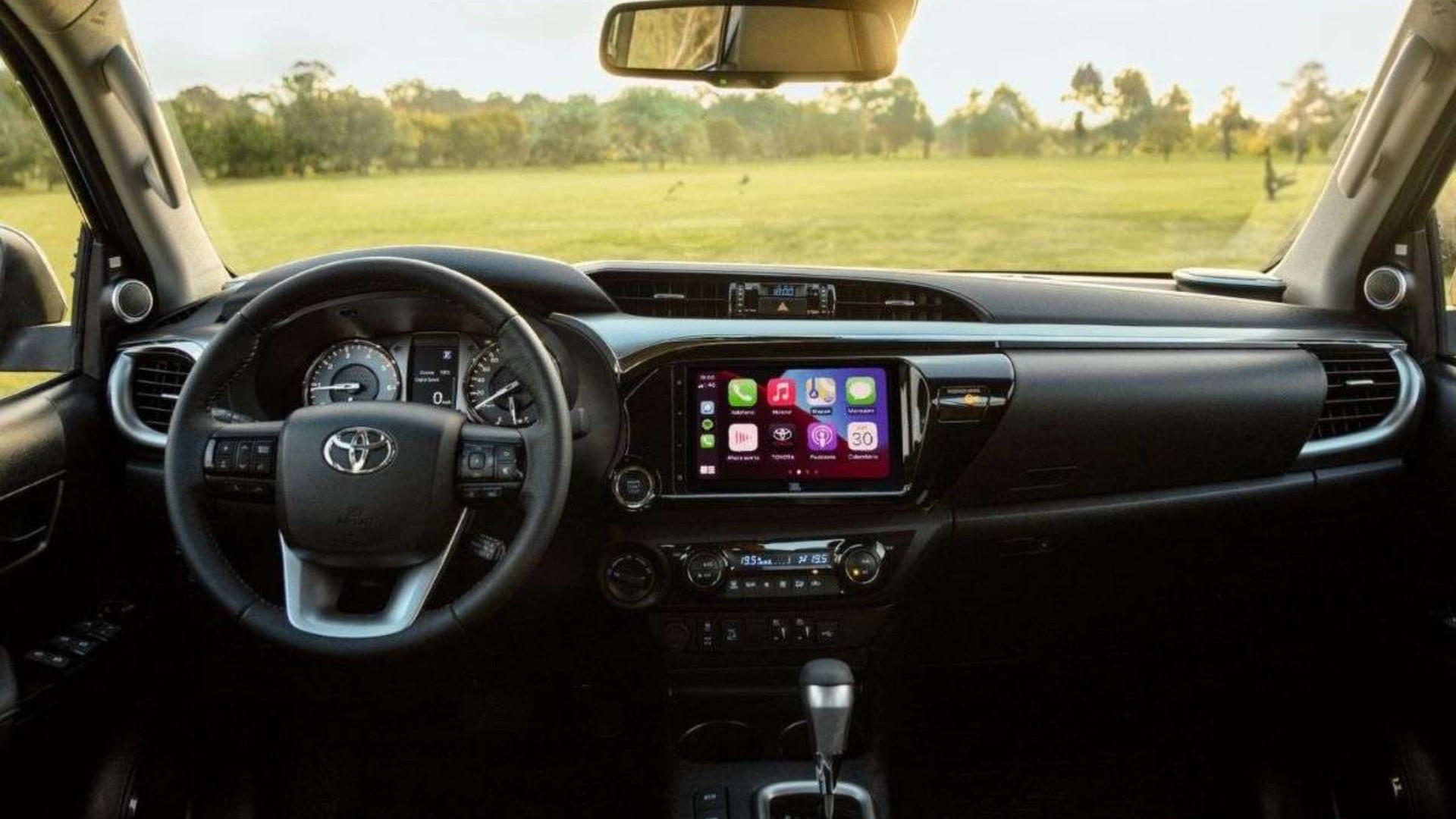
The Toyota Hilux is R$ 75.5 thousand cheaper and bets on the 2.8 turbodiesel engine with up to 204 hp and 50.9 kgfm to catch up with the VW Saveiro, which leads with 4,472 sales.
-
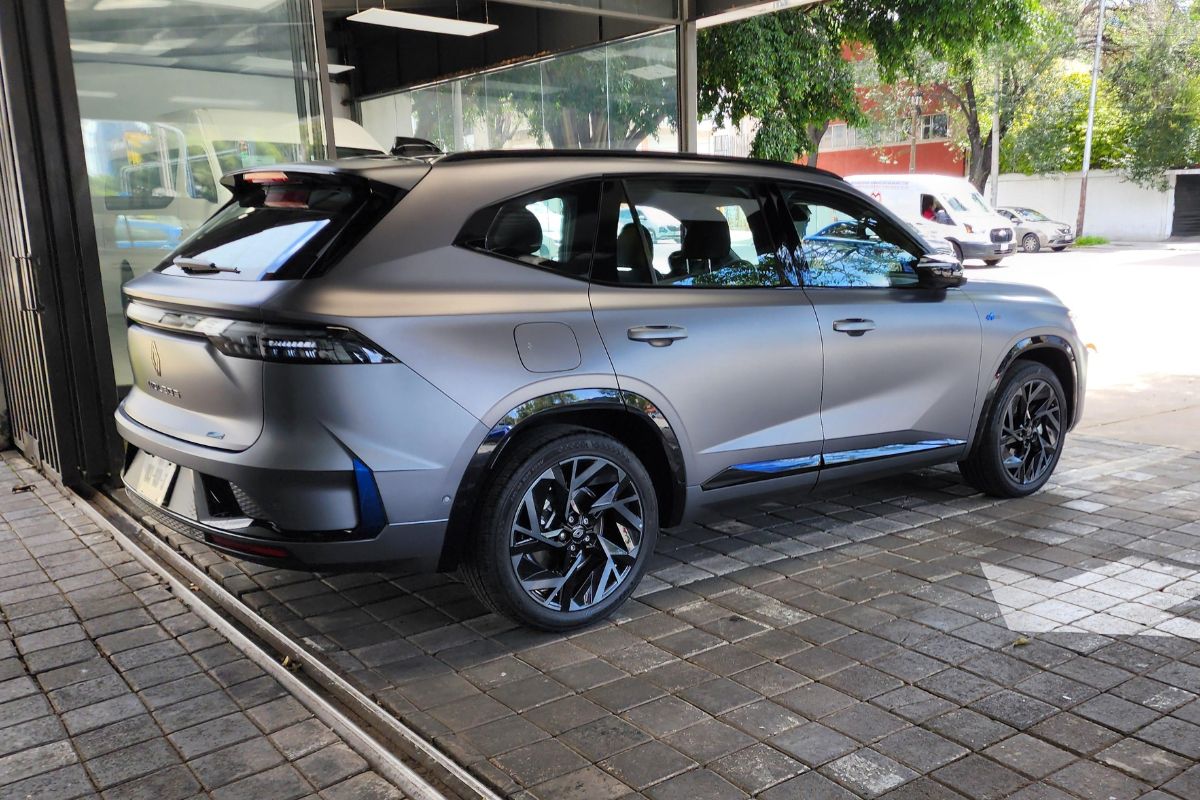
The new Renault Koleos has a screen exclusively for the passenger that is invisible to the driver, heated rear seats, and 29 assistance systems, but its Chinese competitors cost R$ 40,000 less and deliver more power.
-
The car stored for 38 years: when opening the barn door, what appears is breathtaking and looks like a scene from a movie!

-
Fiat works miracles in the Brazilian market, lowers the price of its 0 km hatch to R$ 69,990, reestablishes the model as the cheapest car in the country, and reignites the battle against Kwid and C3.
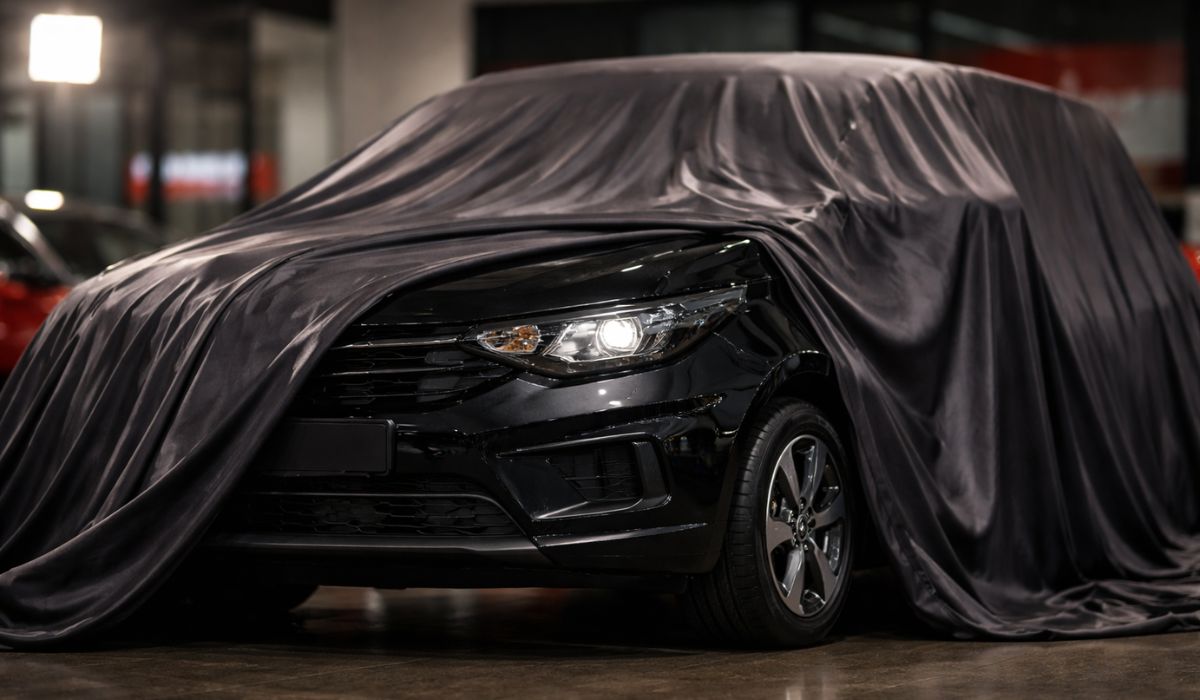

Even though they are indispensable, many drivers only pay attention to them during maintenance. An improperly adjusted headlight can blind other drivers and, in the worst cases, cause accidents. Therefore, keeping the headlights properly adjusted is crucial.
Types Of Headlights And Their Functions
Automotive headlights have different functions. Let’s get to know the most common types and how each one can help in various situations.
- Main Headlights
Main headlights provide illumination for most situations. Within this set are:- Fog Light: used in low-light conditions.Low Beam: illumination up to 40-50 meters, ideal for areas with lighting.High Beam: has a greater range, used in unlit areas.
Safety Tip: On single-lane highways outside urban areas, the use of low beams during the day is mandatory.
- Fog Lights
Fog lights, or auxiliary lights, are designed to tackle adverse weather conditions, such as fog and heavy rain. Located closer to the ground, they direct light downward, which avoids light reflection in fog and improves visibility. - Highway Lights
Highway lights, or long-range lights, project a very powerful beam of light, ideal for dark stretches and areas without other drivers. These lights are typically installed on the roof or between the main headlights. - Daytime Running Lights (DRL)
Daytime Running Lights (DRL) are a recent trend. They ensure the vehicle is visible during the day without the need to use low beams. Important: Starting in 2024, the use of DRL will be mandatory in new cars in Brazil. - Cornering Lights
This type of light follows the direction of the steering wheel, providing better illumination in curves. It is activated by sensors that monitor speed, orientation, and steering wheel position, offering more safety in turns.
High Or Low Beam: When To Use Each?
One of the most common questions is when to use high or low beams. Let’s understand better:
When To Use Low Beam?
Low beams illuminate up to 50 meters ahead and are indicated for:
- During the day, on single-lane highways.
- At night, even in areas with public lighting.
- In adverse weather conditions, such as rain and light fog.
- In tunnels and underground passages.
In the case of vehicles with DRL, it is not necessary to turn on the low beams during the day in urban areas. But be careful: improper use can result in a fine of R$ 130.16 and four points on your driver’s license.
How To Turn On Low Beams:
Generally, the lever to control the panel is on the left side of the steering wheel. Turn the knob to switch the headlight on and off, and watch for an indicator light on the panel.
When To Use High Beam?
High beams illuminate up to 100 meters and should be used in:
- Unlit areas.
- Places with low visibility.
- Rural roads or regions with dense vegetation.
The law requires that high beams be turned off when approaching another vehicle, either head-on or in the same direction, at less than 200 meters distance. The offense can cost R$ 88.38 and three points on your driver’s license.
How To Turn On High Beams:
Push the lever or turn the corresponding knob. A light on the dashboard indicates when the high beams are activated.
Foggy Road: High Or Low Beam?
In foggy conditions, fog lights are the most recommended. They prevent light from reflecting off the darkness, which could reduce visibility. This happens because water particles do not spread light in various places, potentially blinding the driver’s vision.
Therefore, using high beams in fog is discouraged: the light can reflect directly into the driver’s eyes, worsening visibility. Keeping either the fog light or the low beam on is also a practice of respect for other drivers, as it allows everyone to see better and travel more safely.
Tips For Safe Driving In Fog
Besides using the correct headlight, here are five tips that make all the difference for safe driving in fog conditions:
- Maintain A Safe Distance
Keep a distance between your car and the one in front. This provides time to react to any unforeseen situation. - Reduce Speed
Driving slowly gives you time to react to any unexpected obstacle on the road, such as potholes or speed bumps. - Use Road Markings As A Guide
In low visibility, road lines and signs are important references to keep the car on the right path. - Avoid Stopping On The Road
Stopping in low visibility areas increases the risk of accidents. If you need to stop, look for a safe place, such as a gas station, and turn on your hazard lights. - Keep Windows Clean And Defogged
Fog tends to fog up windows, worsening visibility. Use the car’s defogger to prevent this.
Driving safely requires more than just technique; it also involves responsibility and attention to road conditions. By using the correct headlights and adopting safe practices, you contribute to safer traffic for everyone.









Seja o primeiro a reagir!