





 Portuguese
  English
  Spanish
  3 min of reading
  1 comment


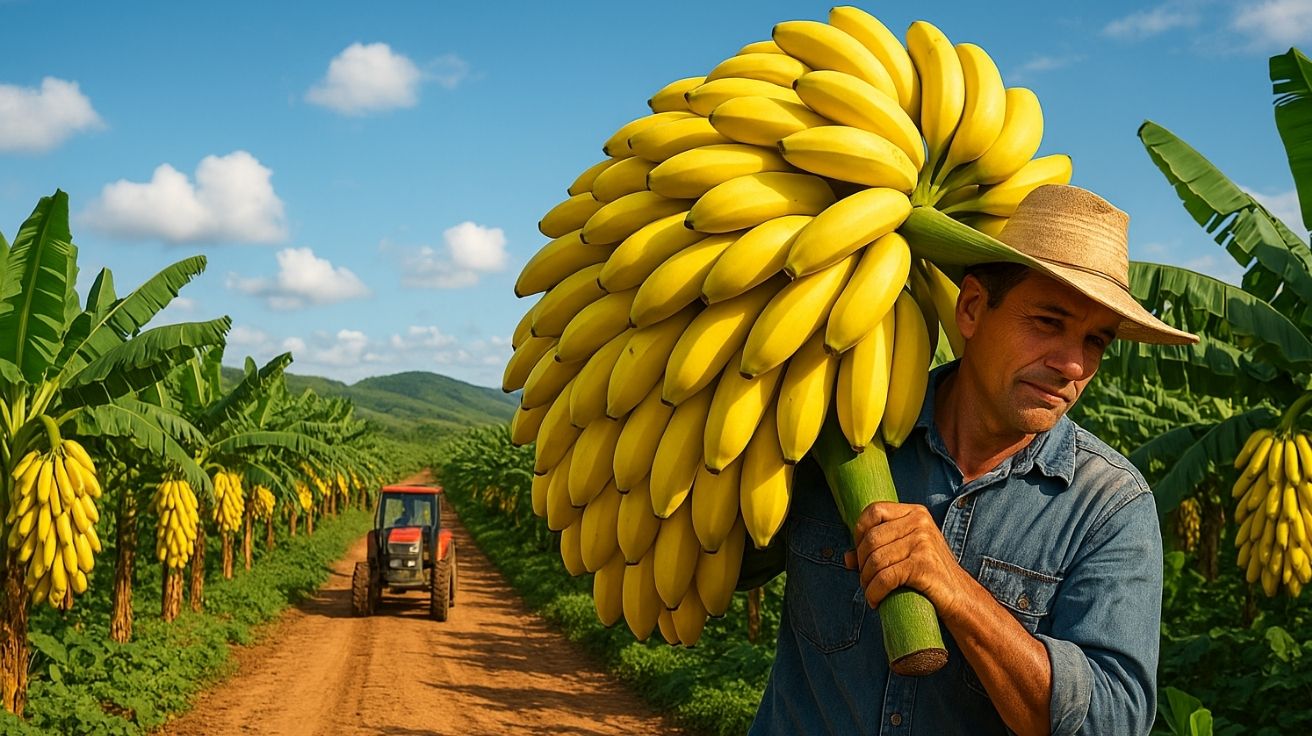


Cajati Municipality in the Ribeira Valley Stands Out as the Main Producer of the Fruit in the Country While Brazil Consolidates Its Position as the 4th Largest Producer Worldwide with Over 6.8 Million Tons Harvested
Brazil establishes itself as one of the world’s leading banana producers, with São Paulo state at the forefront of the national ranking.
According to data from IBGE and Sebrae, the country produced 6.8 million tons of the fruit in the 2023/24 cycle, achieving R$ 13.8 billion in production value. The city of Cajati, in the Ribeira Valley, accounted for a significant portion of this harvest, solidifying its reputation in the banana agribusiness.
With 976 thousand tons produced and a yield of R$ 43.4 thousand per hectare, São Paulo ranks first in the national ranking and accounts for 14% of Brazil’s total production.
-
The water that almost everyone throws away after cooking potatoes carries nutrients released during the preparation and can be reused to help in the development of plants when used correctly at the base of gardens and pots, at no additional cost and without changing the routine.

-
The sea water temperature rose from 28 to 34 degrees in Santa Catarina and killed up to 90% of the oysters: producers who planted over 1 million seeds lost practically everything and say that if it happens again, production is doomed to end.

-
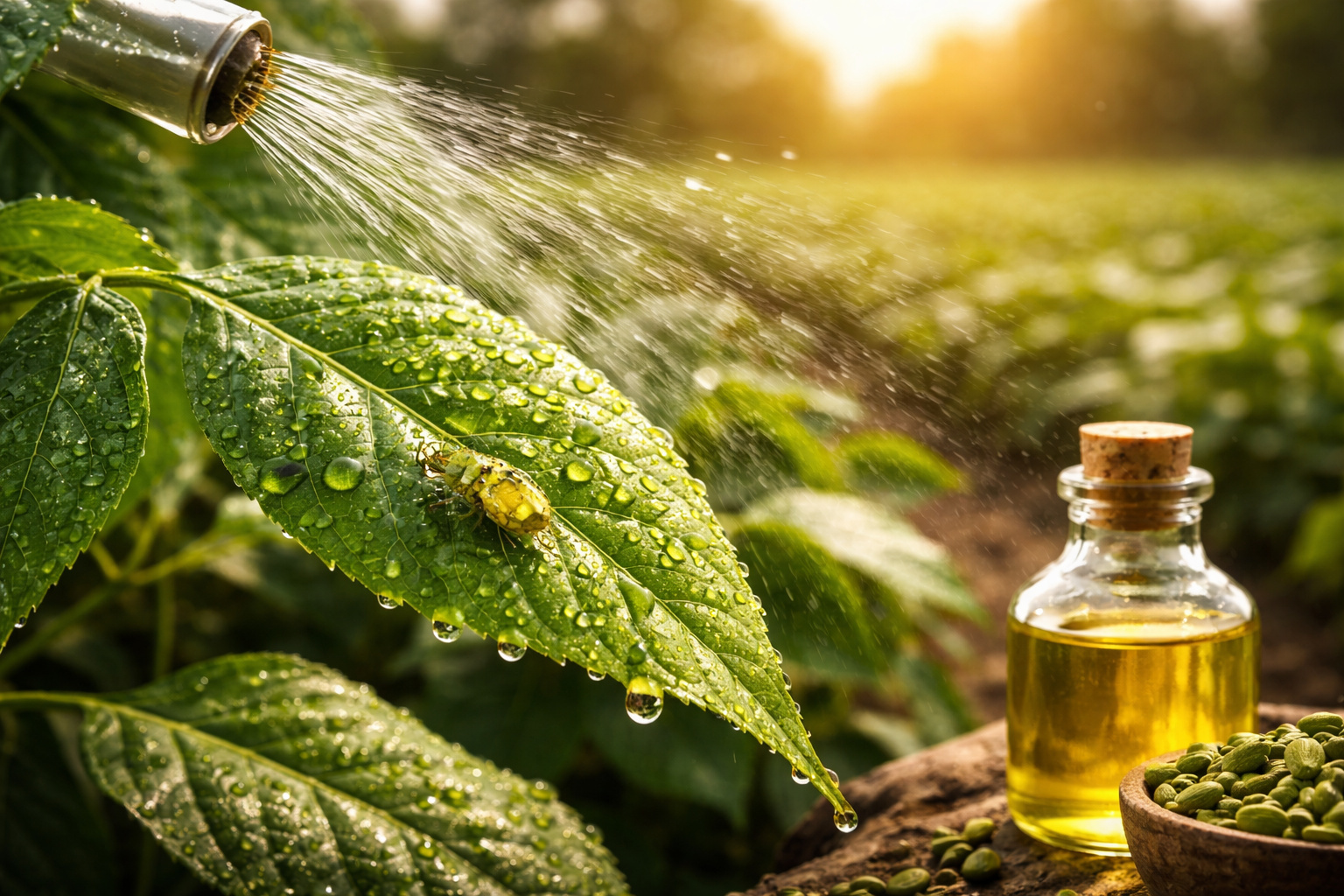
An Indian tree that grows in the Brazilian Northeast produces an oil capable of acting against more than 200 species of pests and interrupting the insect cycle, gaining ground as a natural alternative in soybean, cotton, and vegetable crops.
-
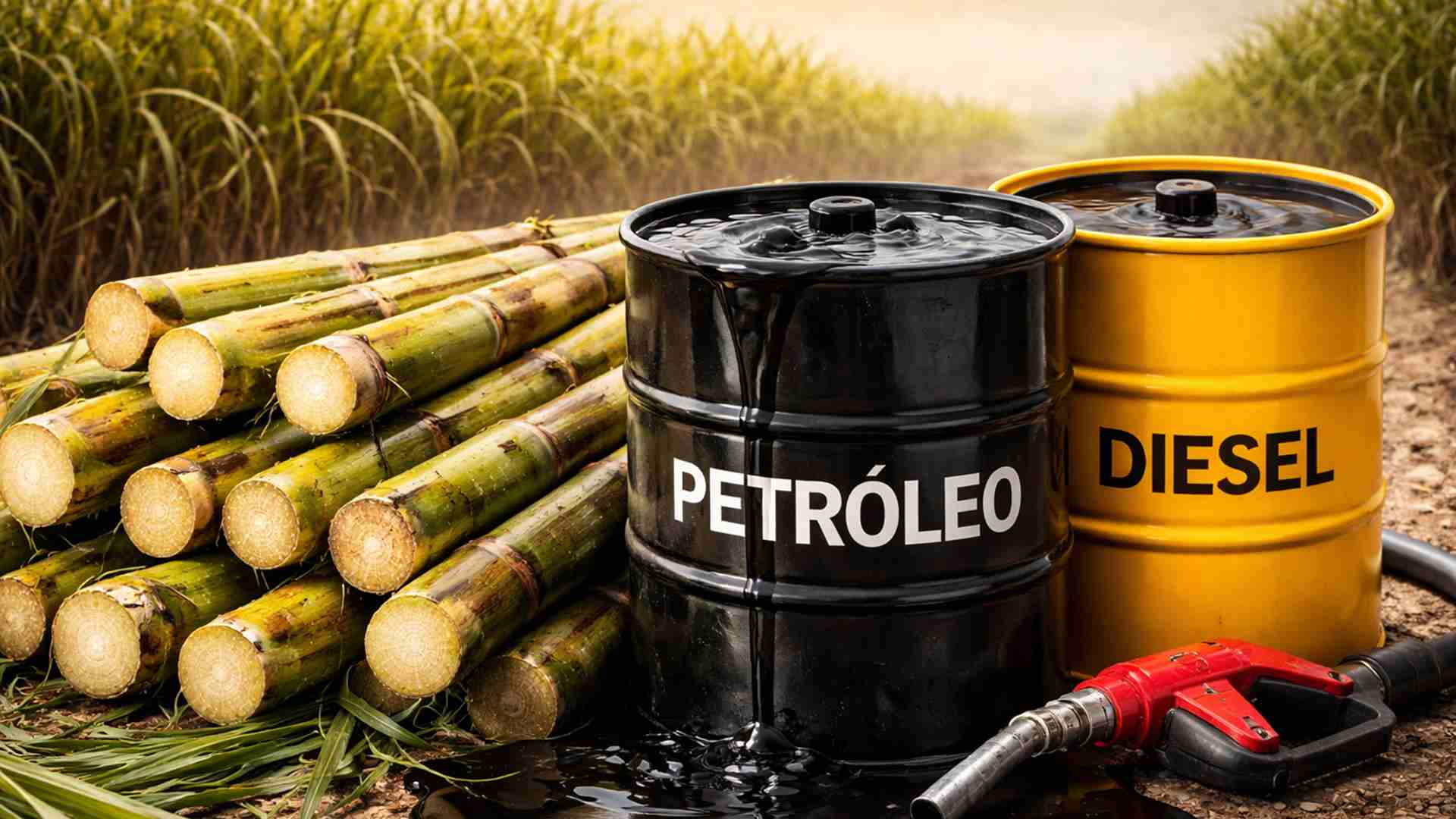
The rise in oil prices in the Middle East is already affecting Brazilian sugar: mills in the Central-South are seeing their margins shrink just as ethanol gains strength.

The banana farm in São Paulo stands out not only for its volume but also for its quality and innovation in cultivation methods, alongside a growth of 51% in production value between 2019 and 2023.
Producer Olival Dan is an example of the capacity for adaptation and rural entrepreneurship. He transformed the excess fruit production into a value-added product: sugar-free dried banana, aimed at the sports audience. With this, he established his own agribusiness, expanding sales and maximizing the use of the harvest.
Bahia and Minas Gerais Also Stand Out in Production
Despite São Paulo’s leadership, other states are solidifying their positions in banana cultivation. Bahia holds the second position, with 863 thousand tons harvested, and has the largest planted area, about 64 thousand hectares. The municipality of Bom Jesus da Lapa leads production in Bahia.
Minas Gerais, in third place, recorded 847 thousand tons and an increase of 82% in production value over the last four years. The city of Jaíba is the main reference in the state, and the average yield in Minas is 16,951 kg per hectare.
The state of Santa Catarina impresses with its financial yield, with R$ 53,564 per hectare, the highest among the main producers. The municipality of Corupá stands out in the state, which, despite producing less volume than SP, BA, and MG, grew 309% between 2019 and 2023.
Ideal Conditions and Varieties of Bananas in the Field
The banana farm requires special attention to fertile soil, temperatures between 20ºC and 30ºC, and good drainage. Excess moisture can favor diseases, compromising cultivation. Additionally, the use of organic fertilizer, such as manure and potassium, helps control pests and improves fruit quality.
Planting should be done with rhizomes (seedlings), in 30×30 cm holes, with a minimum spacing of two meters. The most recommended period is the hot and rainy season, ensuring good development and harvest.
Among the main banana varieties cultivated in Brazil are nanica, prata, maçã, ouro, da terra, roxa, and d’água. Each type adapts better to different regions of the country, according to climatic and hydric conditions.
Market Analysis and Guidance for Rural Producers
To increase the competitiveness of the banana farm, the rural producer needs to understand the potential of his property and region. This includes understanding production capacity, available human resources, and the most viable marketing channels.
According to Victor Ferreira, an analyst at Sebrae Nacional, studying the market and identifying local opportunities are crucial steps to access new niches. Differentiated products, such as dried, organic, or processed bananas, have gained space in the consumer market, especially in urban centers.
With advancements in technology in the field and the use of good agricultural practices, the banana sector has experienced significant growth. Production increased by 83% between 2019 and 2023, boosting agribusiness and generating around 500 thousand direct jobs in Brazil.
The data and information were compiled from publications by Sebrae, Agro Sustentar, and IBGE, including the Agricultural Census and technical reports on the banana agribusiness in Brazil.







Muito bom! Sem javalis sendo apontados como culpados pela incompetência alheia, somente bananas, uma fruta que é produzida no mundo todo na faixa situada entre os trópicos, e não somente nela.
A **** é uma ótima fruta, eu mesmo paguei hoje somente 1,99 o Kg da nanica em ótimo estado.