





 Portuguese
  English
  Spanish
  5 min of reading
  1 comment


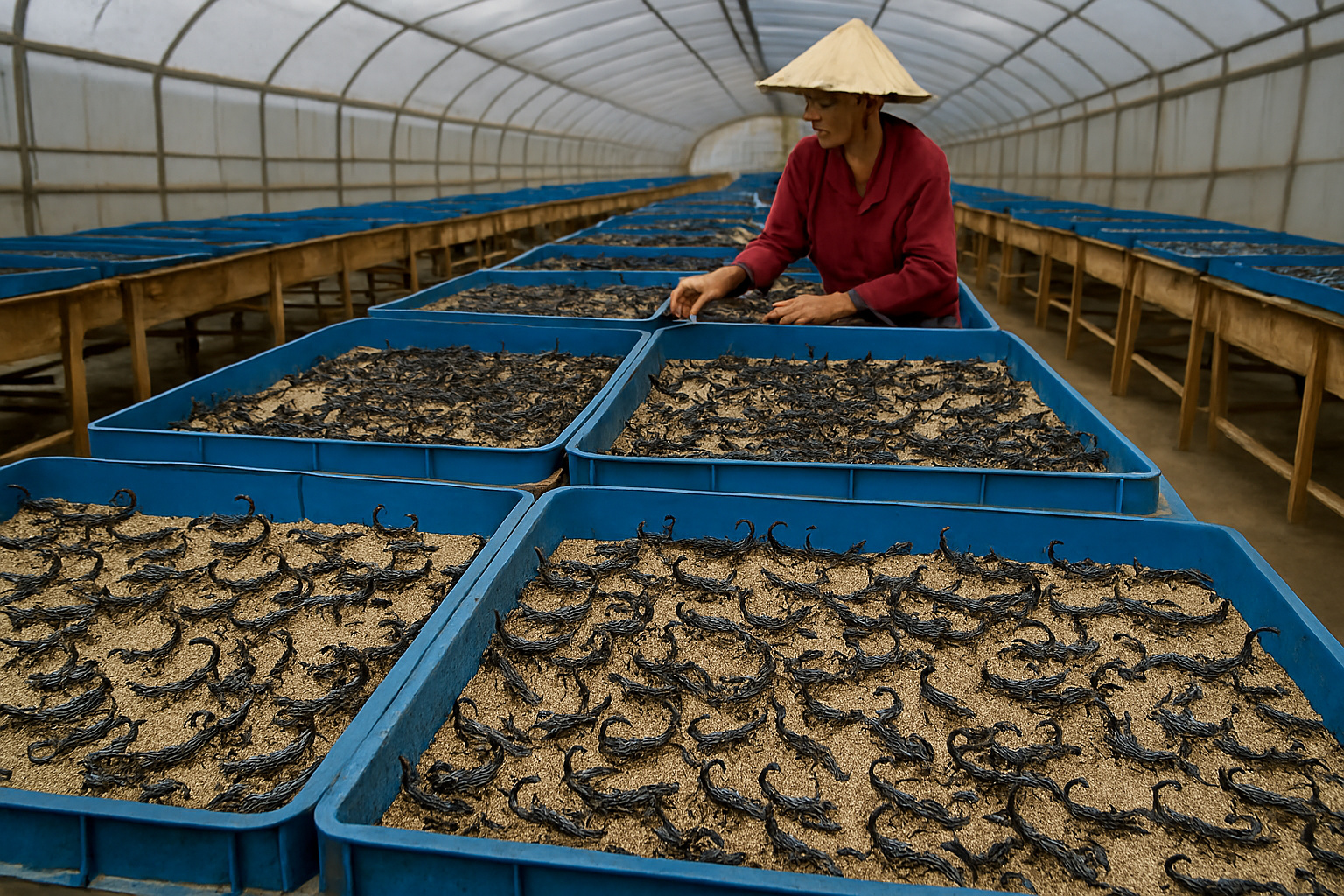


Chinese Farms Produce Up To 13 Tons Of Scorpions Per Year And Transform Their Venom Into “Liquid Gold” Of Biotechnology In A Market That Silently Grows.
The advancement of Chinese biotechnology has created a phenomenon that few imagined possible: industrial breeding of scorpions functioning as true living biofactories. In rural areas of Shandong and Henan, seemingly ordinary warehouses hide climate-controlled structures, boxes lined up for hundreds of meters, and thousands of arachnids cultivated under controlled humidity, temperature, and feeding cycles. This market, which for decades circulated on the margins of the formal economy, is now expanding at a rate similar to other emerging sectors of alternative protein, driven by a growing demand from medicine, the cosmetic industry, and laboratories that use purified toxins in biomedical research.
The most valuable raw material in this system is not the animal itself, but the venom produced by each individual. In traditional Chinese medicine, this compound has been used for centuries in specific treatments. In modern biotechnology, isolated elements of this secretion have become tools for research into anesthetics, biomarkers, and even candidate molecules for anti-cancer drugs. The combination of tradition and science has elevated the economic value of this input to impressive levels and transformed the venom into a product known in the Asian market as “liquid gold.”
The Industrial Scale That Surprises The Scientific World
The most solid data confirmed comes from Shandong, where a farm reported by the Chinese press achieved an annual production of 13 tons of scorpions. This number, by itself, reconfigures the global perception of the sector. To reach such volume, a highly organized system is necessary, with thousands of breeding boxes, strict hygiene control, heat management, and low-light environments that reduce the animals’ stress. The operation resembles a scientific facility more than a traditional rural breeding operation.
-
Rain gains strength in April, potentially exceeding 150 mm, placing the North, Northeast, and the coasts of the South and Southeast at the center of the heaviest forecast of the week.

-
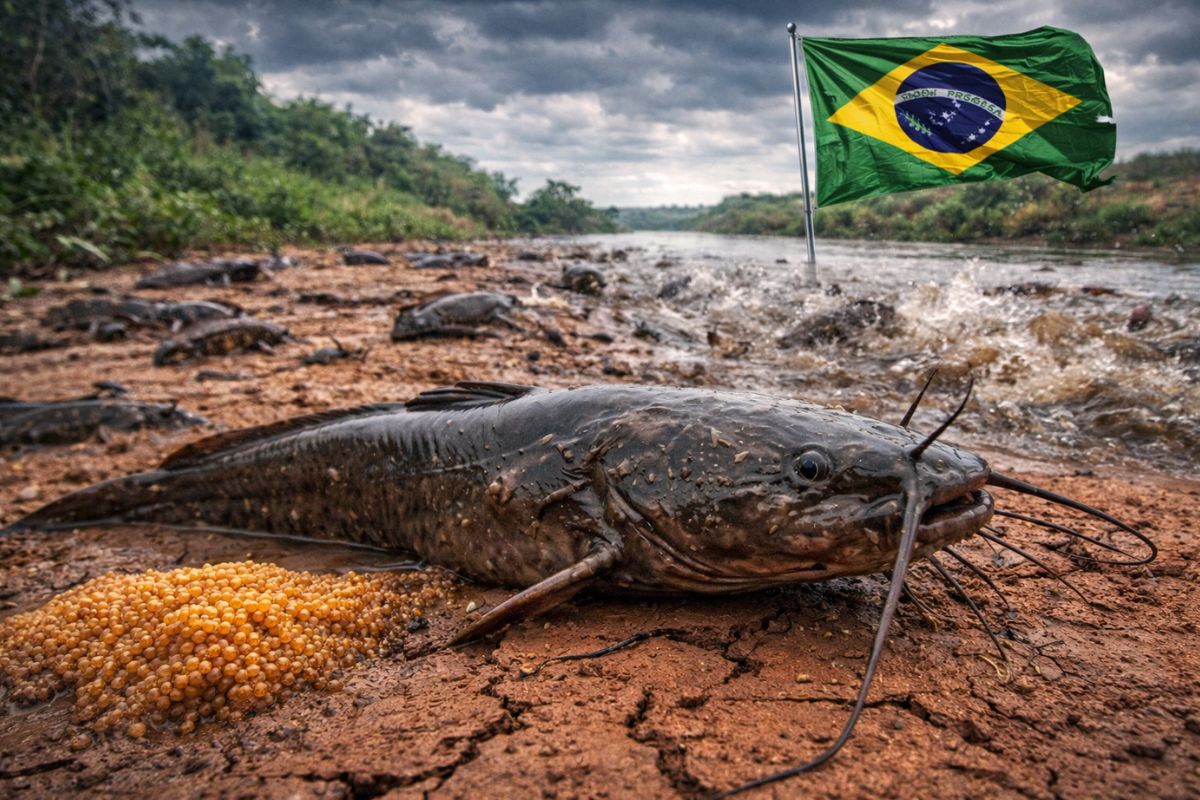
A fish that survives out of water, crawls on land until it finds another river, and whose female lays 80,000 eggs at once is infesting rivers and lakes in Brazil, and no one can stop this invasion.
-
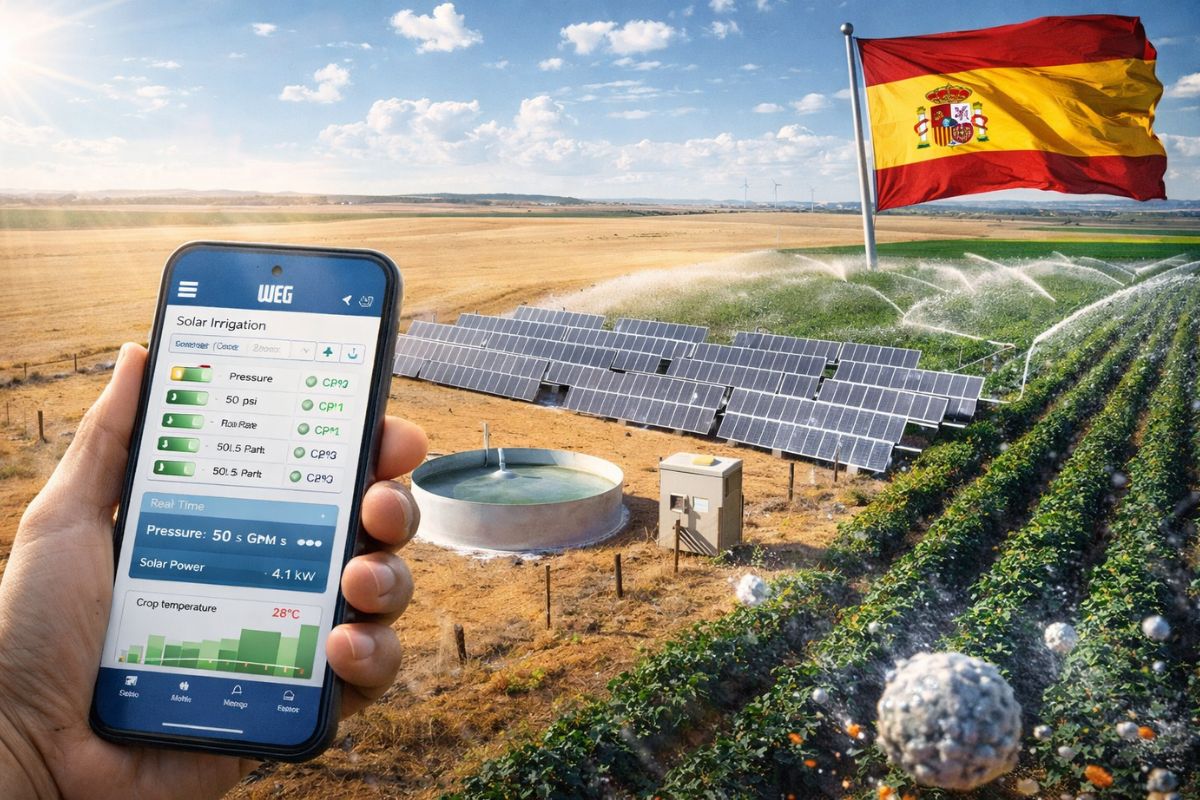
WEG took its technology to Spain to create a solar irrigation system that operates independently without needing an electrical grid, and now farmers control everything remotely via their mobile phones.
-
The US faces a meat crisis with fires, pests, and strikes, consumption rises and supply falls to the lowest level since 1952, creating a billion-dollar opportunity for Brazilian exports to grow in 2026.




The species most frequently bred is Olivierus martensii, also known as the Chinese scorpion, widely used for venom extraction and medicinal purposes. Each animal produces small amounts of toxin per “milking” cycle, but when multiplied by tens or hundreds of thousands of individuals, the accumulated volume represents one of the most valuable substances per milliliter in the world.
This productive scale is not an isolated case. Chinese universities, health institutes, and small rural entrepreneurs have entered the race for this market. With basic technical training and access to simple breeding structures, it is possible to transform low-income rural areas into biotechnology export hubs. What was once a marginal activity has become a business that moves millions and attracts investors interested in both the animals and their by-products.
Biotechnology Drives The Market And Creates New Uses For Scorpion Venom
The expansion is not just economic. Various Chinese and international studies have demonstrated that proteins present in scorpion toxins can be used as bases for more effective painkillers, anti-cancer formulations, and even biomarkers capable of identifying tumors accurately. Scientific interest has elevated the status of the venom, which has started to be purchased by foreign laboratories and cosmetic companies. The properties of these peptides, when stabilized and purified, have paved the way for high-value lotions, creams, and dermatological products.
This movement propels farms to maintain stricter standards of breeding and management. The development cycle of scorpions, which involves molting stages and slow growth, has been optimized with techniques that control lighting, humidity, and temperature. Feeding, once based on captured insects, has become standardized with reconstituted feeds. Each process is designed to increase the survival of the offspring, reduce losses, and maximize venom production.
How The Scorpion Chain Strengthens The Chinese Rural Economy
China has learned to integrate this niche of biotechnology into the local economy. In regions with low agricultural capacity, such as arid areas of Henan, entire families have begun to supplement their income with small breeding operations connected to larger cooperatives. The animals are sold alive, as dried biomass, or already processed for specific uses. This has allowed rural areas to attract investors and create stable supply chains, connecting small producers to large pharmaceutical and cosmetic companies.
The economic impact of the activity goes beyond the venom. The carcass of the scorpions is used in traditional medicinal practices, while crushed parts serve as ingredients for supplements. The market is vast and involves everything from formal exports to internal sales amounting to millions of dollars annually. For rural communities pressured by worker exodus, breeding scorpions offers a low-cost, high-demand, and good return alternative.
The Hidden Face Of A Market That Silently Grows
Despite its growth, the sector still operates somewhat discreetly. Scorpion breeding requires strict sanitary control, but many producers prefer to keep their facilities out of the limelight to avoid excessive oversight or commercial espionage. This means that the real size of the Chinese market is likely larger than what has already been reported. If a single farm has reached 13 tons per year, the national volume could be much higher.
Local regulations have begun to emerge, particularly to prevent overfishing of wild populations and to ensure the safety of workers handling the toxin. Biotechnology has advanced, but the sector is still balancing tradition, science, and a parallel economy that gradually organizes itself to meet internal and external demand.
Why Scorpion Venom Has Become One Of The Most Curious Commodities In Biotechnology
The economic power of the venom lies in the combination of scarcity and scientific applicability. Few species produce toxins with useful peptides for modern medicine. The processing is complex, the extraction is delicate, and the volume per individual is minimal. This naturally makes the product expensive. When we add to this the demand from laboratories testing new molecules and cosmetic companies using bioactive compounds as a competitive differential, an unusual and highly lucrative value chain emerges.
The result is a sector that has yet to compete for headlines but is growing at a surprising speed. Scorpions, once symbols of fear and mysticism, have become valuable industrial assets essential to Asian biotechnology. China recognized this potential before other countries and transformed these arachnids into a strategic element of its scientific economy.










Pena que o Brasil não começou antes.