





 Portuguese
  English
  Spanish
  3 min of reading
  0 comments


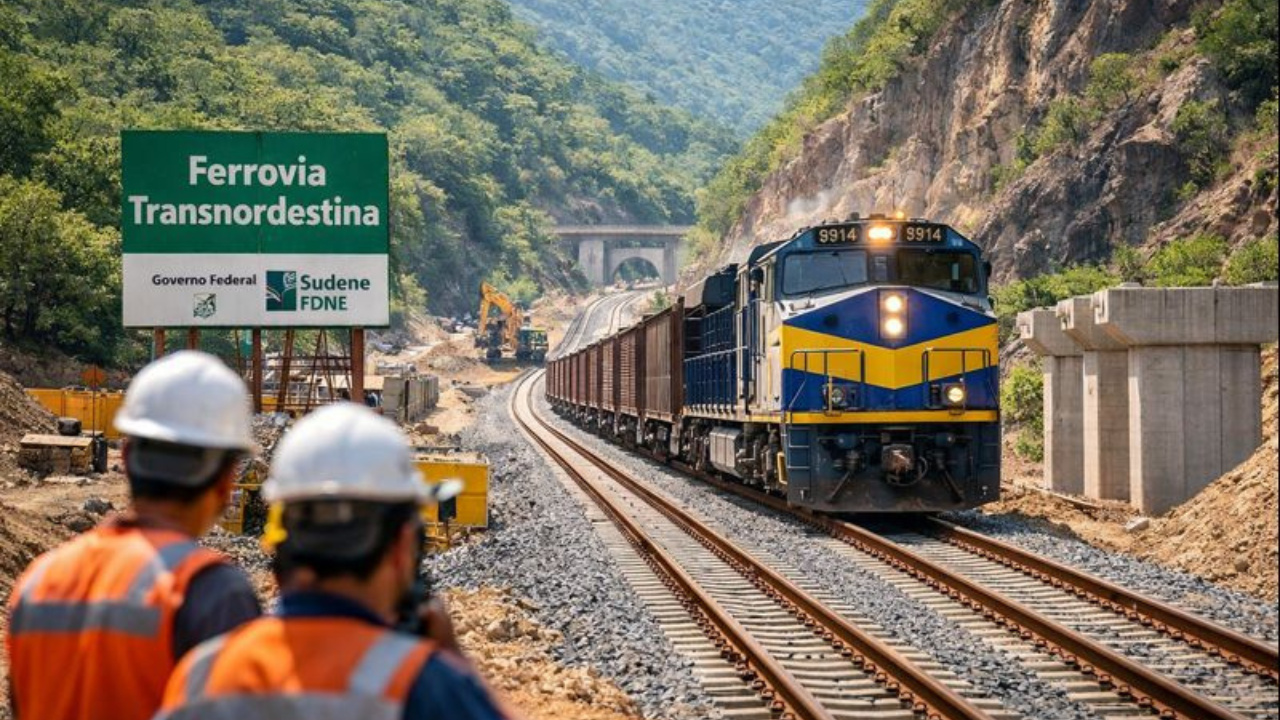
Sudene Releases Funds From FDNE for Transnordestina and Expands Investments in Infrastructure and Freight Rail Transport.
The Superintendency for the Development of the Northeast (Sudene) authorized, in December, the release of R$ 815.4 million for the construction of Transnordestina, increasing infrastructure investments in the Northeast.
The funding comes through the Fund for the Development of the Northeast (FDNE), with resources from the Northeast Bank, and aims to ensure the continuity of the works and accelerate the progress of freight rail transport by 2028, the deadline set for the complete delivery of the railway.
The new allocation was approved after Transnordestina Logística S.A. (TLSA) presented technical documentation that proved the need to increase financial availability via FDNE.
-
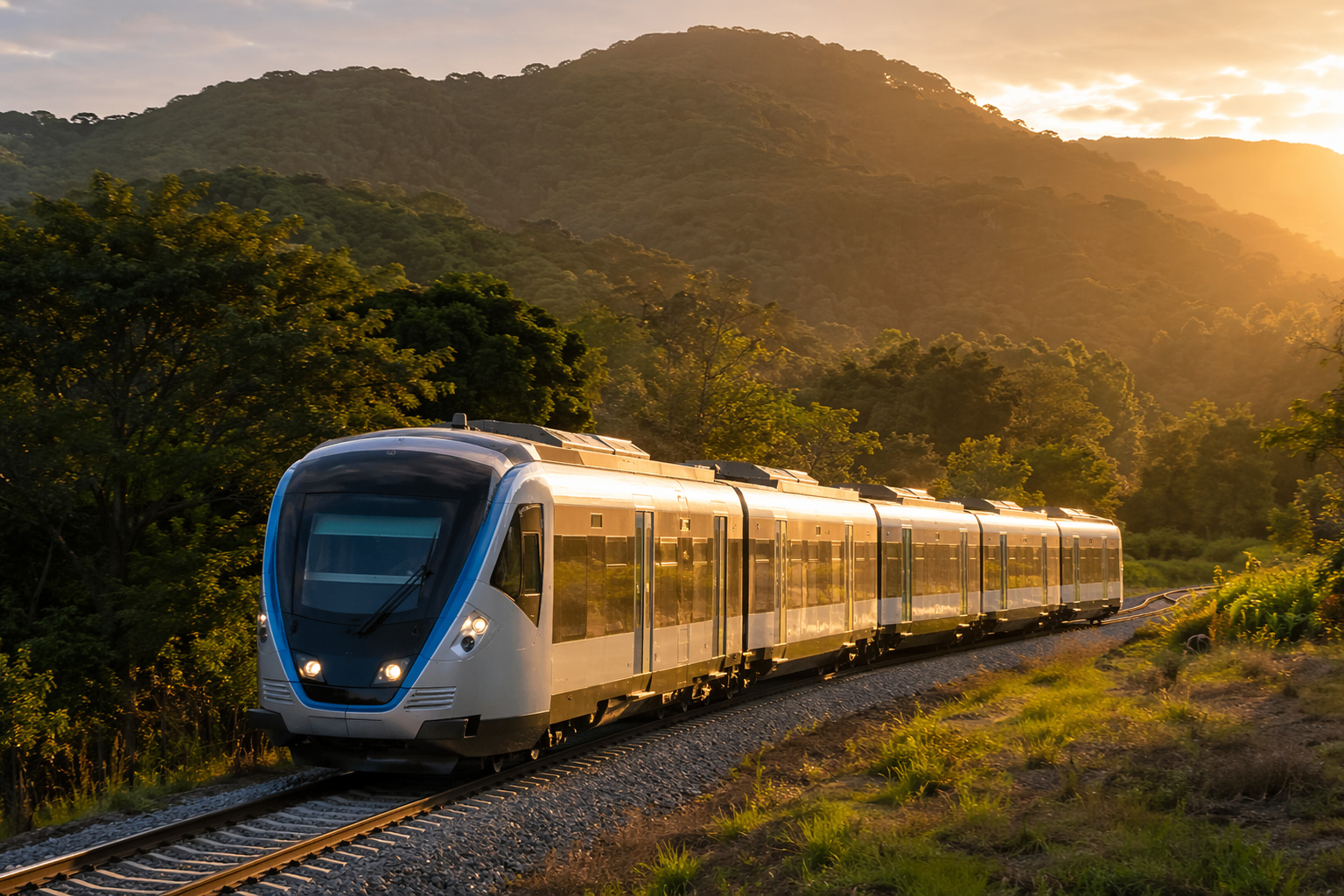
A new train in southern Brazil will connect Porto Alegre to Gramado on a route worthy of a movie and could transform tourism in the Serra Gaúcha with a billion-dollar investment.
-
A new train in southern Brazil will connect Porto Alegre to Gramado on a route worthy of a movie and could transform tourism in the Serra Gaúcha with a billion-dollar investment.
-
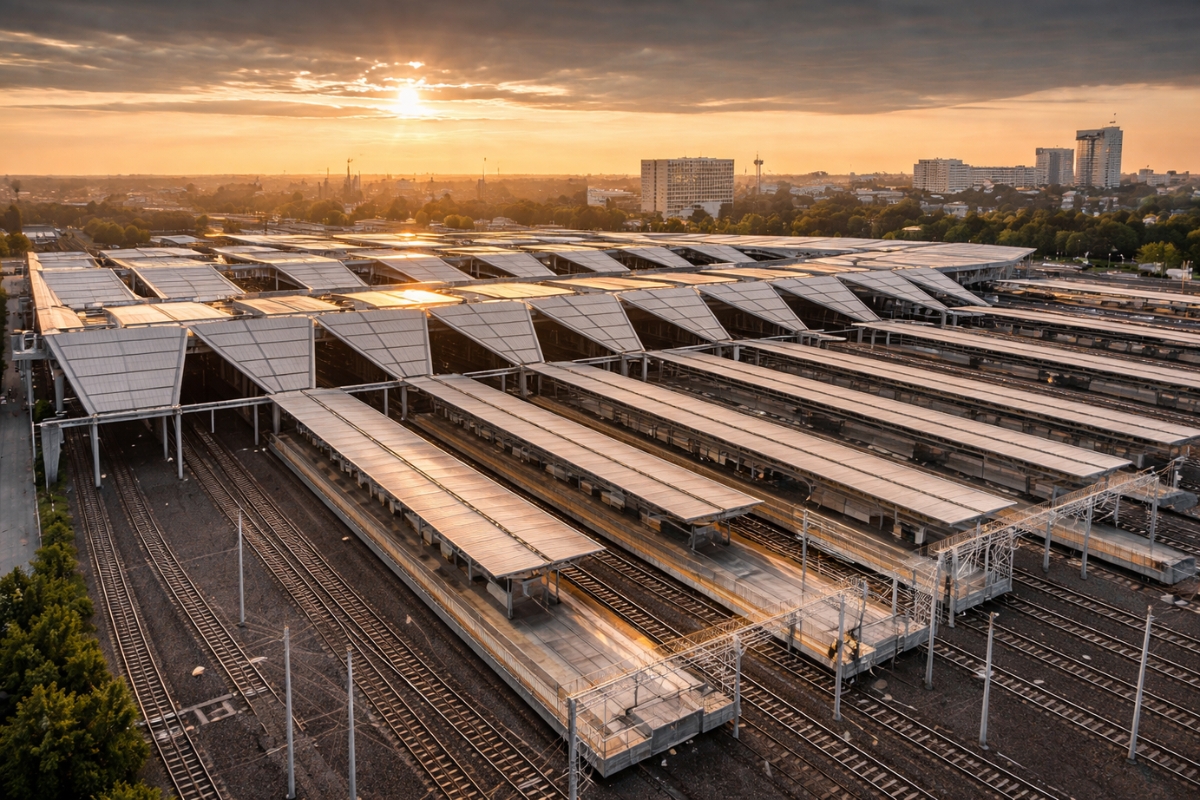
In A European City, The Country’s Largest Railway Junction Was Modernized Without Closing Its Doors, Kept Trains Running During Years Of Construction, Now Serves Up To 60,000 Passengers Per Day, And Installed Solar Panels That Generate About 30% Of Its Energy
-
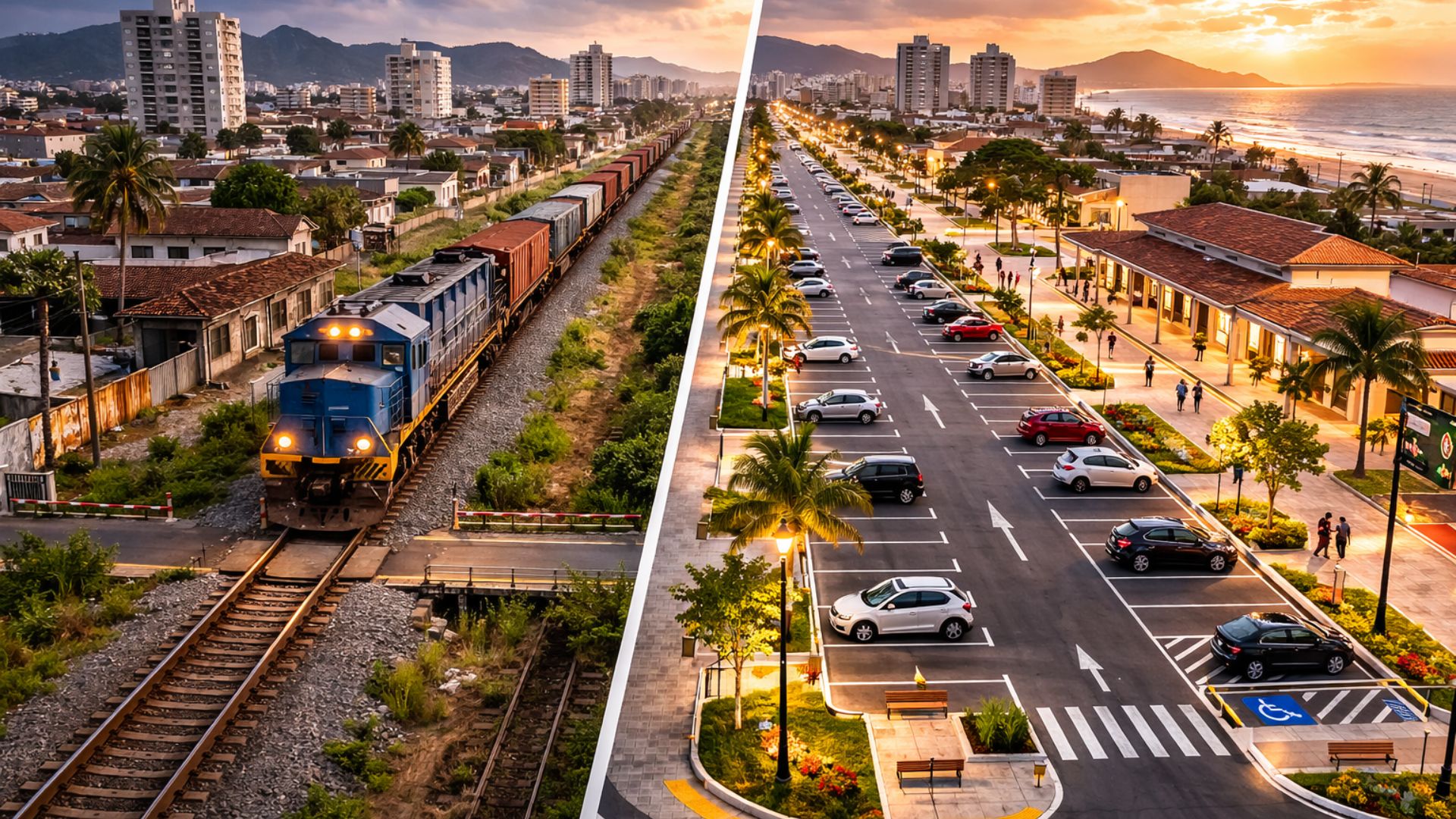
Famous Brazilian Railway May Become a Parking Lot
Thus, Sudene has consolidated another strategic step to ensure the project’s schedule, considered essential for regional logistics and the economic competitiveness of the Northeast.
FDNE Concentrates Resources and Strengthens Sudene’s Role
In addition to FDNE, Transnordestina also receives funds from the now-defunct Northeast Investment Fund (Finor).
Nevertheless, FDNE has become the main financial instrument of the project. In 2025, the initial expectation was to release R$ 2.4 billion, an amount that was practically realized over the year.
In July, R$ 600 million was made available, still referring to 2024. Following that, during the exit of then-superintendent Danilo Cabral, another R$ 816.6 million from Finor was allocated, focusing on works in Ceará.
Now, with the R$ 815.4 million from December, the total released by FDNE in 2025 reaches R$ 2.23 billion.
Therefore, Sudene reaffirms its central role in coordinating infrastructure investments, especially in long-term structuring projects.
Financial Schedule Foresees an Additional R$ 1.6 Billion
The financial planning for Transnordestina goes beyond 2025.
In the next two years, Sudene is expected to release an additional R$ 1.6 billion, maintaining the pace of project execution.
The updated FDNE schedule foresees:
December 2024: R$ 400 million;
July 2025: R$ 600 million;
August 2025: R$ 816.6 million;
December 2025: R$ 815.4 million;
2026*: R$ 1 billion;
2027*: R$ 600 million.
This financial flow ensures the completion of the 1,200 kilometers of railway within the stipulated deadline.
Works Progress on the Piauí–Ceará Axis
Meanwhile, the works on Transnordestina continue at a steady pace in the so-called phase 1, which connects São Miguel do Fidalgo, in Piauí, to the Pecém Port, in Ceará.
All the worksites of this phase are already contracted, which reduces the risk of stoppages.
Lots 9 (Baturité–Aracoiaba) and 10 (Aracoiaba–Caucaia) present the greatest challenges.
According to Sudene, these sections are of “greater technical complexity” as they cross mountainous areas of the Baturité Massif, requiring more sophisticated engineering solutions.
Still, the execution of these sections takes on a strategic character as it directly connects the productive interior of the Northeast to one of the region’s main ports.
Freight Rail Transport Has Already Started Operation
Even with ongoing works, freight rail transport has already begun on an experimental basis. Last Friday (19), the railway reached Iguatu, in the Central-South of Ceará, after covering 585 kilometers.
The operation began in Bela Vista do Piauí, from where 20 wagons loaded with tons of corn were sent to the Ceará-based company Tijuca Alimentos.
The trip marked the start of operational testing and demonstrated the logistical viability of the project.
This advancement anticipates economic benefits and signals that Transnordestina is beginning to fulfill its role of integrating regional productive chains.
Official Tests and Regular Operation Starting in 2026
According to TLSA, the official commissioning phase — a stage of technical and operational tests — is expected to occur throughout 2026.
Currently, the railway is authorized to operate between Simplício Mendes, in Piauí, and Acopiara, in Ceará, on a route of 680 kilometers.
This gradual operation reinforces the strategy of putting the project into operation even before its total completion.
Thus, with new allocations from FDNE, coordination from Sudene, and physical progress of the works, Transnordestina solidifies as one of the largest infrastructure investments in the country, with a direct impact on logistics, regional economy, and the future of freight rail transport in the Northeast.







Seja o primeiro a reagir!