





 Portuguese
  English
  Spanish
  3 min of reading
  0 comments


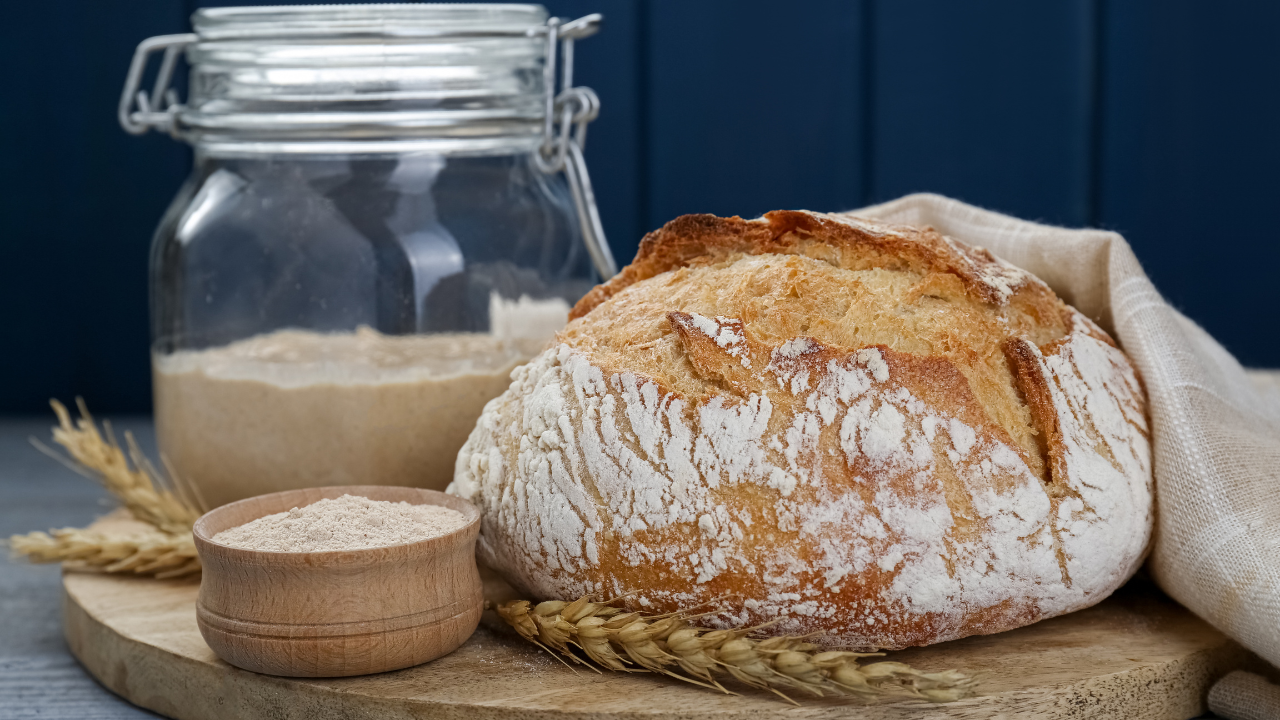
Discover Which Yeast Is Healthier for Your Recipes. Compare the Benefits of Biological and Chemical Yeast!
When it comes to baking, one of the essential ingredients is chemical or biological yeast, responsible for ensuring growth and softness.
However, there are different types of yeast available on the market, with the most common being biological yeast and chemical yeast.
Although both serve similar functions, their compositions and effects on the body can vary, directly impacting our health.
-
According to an analysis by NASA, only one human-made structure is visible from space, and it is not the Great Wall of China or the Pyramids of Egypt.

-
After 377 years of history, the Brazilian Army will have its first female general: Colonel Claudia Cacho has been promoted to brigadier general by Lula and will receive the sword and command baton this Wednesday in Brasília.

-
A Mercado Livre customer opened their package and found 32 resumes of people looking for jobs crumpled as protective paper inside the box, exposing names, addresses, documents, and phone numbers of dozens of candidates.

-
Iceberg A23a, one of the largest in the world, is undergoing accelerated collapse and may disappear: what explains the end of the ice giant?


In this article, we will analyze which yeast is the healthiest to incorporate into your daily diet.
What Are Biological and Chemical Yeasts?
Biological yeast is a natural ingredient that contains living microorganisms, mainly the yeast Saccharomyces cerevisiae.
Its function is to promote the fermentation of the dough, where the microorganisms consume the sugars present and release carbon dioxide and ethanol.
This type of yeast is widely used in the production of breads, pizzas, and other doughs that require slow fermentation.
On the other hand, chemical yeast is a mixture of baking soda, acids, and stabilizing agents.
These ingredients, when in contact with moisture and heat, quickly release carbon dioxide, causing the dough to rise instantaneously.
It is widely used in the preparation of cakes, cookies, and other doughs that do not require fermentation time.
Biological Yeast: Benefits and Precautions
Biological yeast, being natural, offers various health benefits.
It can help with food digestion, improve nutrient absorption, and even contribute to an increase in certain minerals in the diet.
Additionally, breads fermented with this type of yeast tend to have a lower glycemic index, which can help control blood sugar levels.
Another positive aspect of biological yeast is that it has probiotic properties, which can benefit gut health, preventing and treating digestive diseases.
However, it is important to remember that some people may be sensitive to yeasts, which can cause intestinal discomfort, such as bloating and gas. Therefore, consumption should be moderate.
Chemical Yeast: A Practical But Less Healthy Alternative
Due to its quick action, chemical yeast is very practical and used in recipes that require immediate dough rise, such as cakes and cookies.
However, this yeast is primarily composed of baking soda, which can pose health risks, especially for people with hypertension or kidney problems.
Although it is considered safe in moderate amounts, excessive consumption can lead to stomach discomfort, such as disturbances in the acid-base balance of the body.
Thus, those on a sodium-restricted diet should pay attention to the amount consumed.
Which Yeast Is the Healthiest?
Analyzing the benefits of each type of yeast, we can affirm that biological yeast is the healthier option.
It is natural, aids in digestion, and can improve nutrient absorption, in addition to offering probiotic advantages for the intestinal system.
Chemical yeast, while being a practical option, poses some risks related to its high sodium content, which can harm cardiovascular health, especially in individuals with hypertension.
However, chemical yeast can be consumed occasionally without major harm to health, as long as the amounts are controlled.
The secret lies in balance: biological yeast is the ideal choice for those seeking a more beneficial and healthy option, while chemical yeast can be used when a quick effect is needed in recipe preparation.
Which Yeast Is Better?
When choosing the type of yeast for your recipes, it is important to consider not only the flavor and texture of the baked goods but also the impacts these ingredients can have on your health.
For those seeking a natural and healthier ingredient, biological yeast is the best option, providing benefits like helping digestion and potentially increasing nutrient content.
Chemical yeast, although useful for quick recipes, should be consumed in moderation, especially by those who need to control sodium intake.
Now, how about trying to vary your recipes and opt for a healthier yeast? Experimenting with biological yeast can be an excellent way to transform your recipes into something more nutritious and beneficial for health!









Seja o primeiro a reagir!