





 Portuguese
  English
  Spanish
  3 min of reading


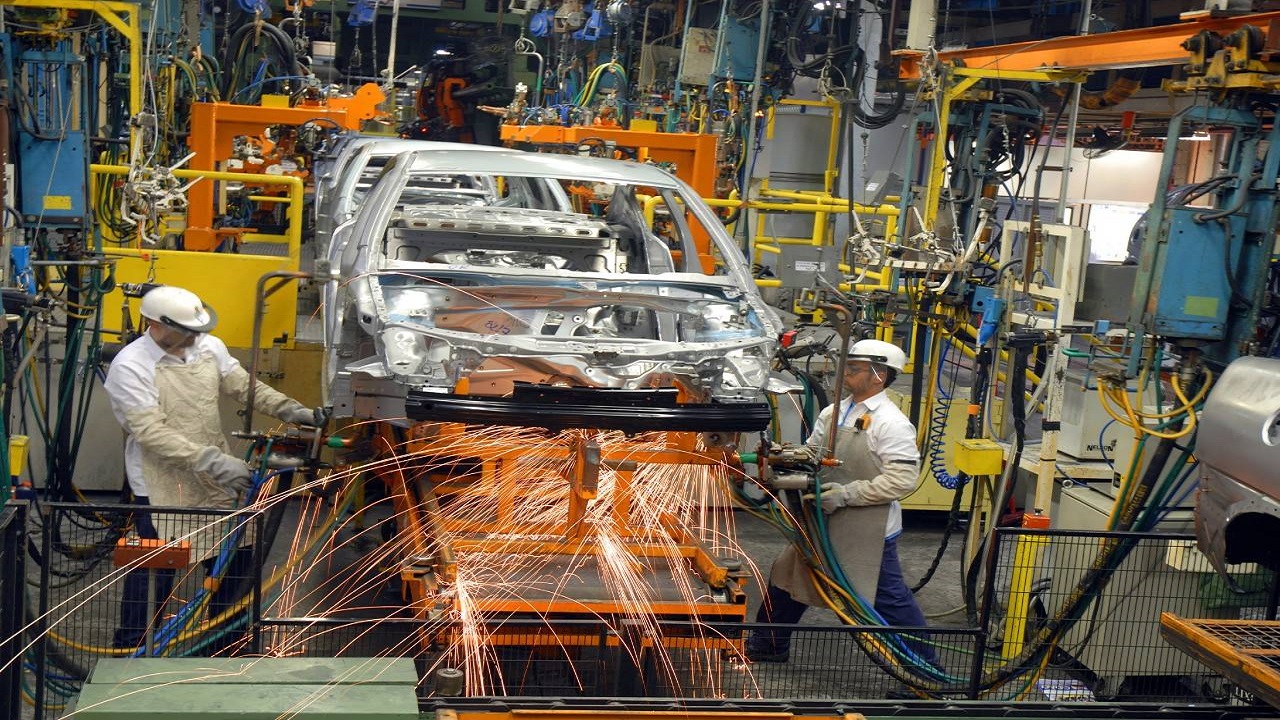
Fenabrave Evaluates That Automakers Were Severely Affected by the Lack of Supplies. Fiat, GM, Volkswagen, Renault, and Toyota Need to Seek Alternatives to Face the Automotive Parts Crisis in the Country
The Fenabrave (National Federation of Motor Vehicle Distribution) announced on last Monday (4) that it reduced its forecast for sales growth in the automotive industry to 11.1% in 2021, totaling around 3.37 million units. In July of this year, Fenabrave’s forecast was a rise of around 13.6%, or more than 3.45 million vehicles, compared to 2020, while the estimate in January was for a 16.6% increase, or 3.54 million units. This announced reduction was due to the fact that crucial automotive parts are missing in the major automakers, resulting in a halt of industrial activities throughout the year 2020 until the beginning of 2021, mainly caused by the COVID-19 pandemic.
Read Also
Severe Crisis in Automotive Parts Replenishment Creates Uncertainty for Manufacturers
According to Alarico Assumpção Júnior, president of Fenabrave, automakers such as Fiat, Toyota, Renault, GM, and Volkswagen now face a scenario filled with uncertainties, amid the largest automotive parts supply crisis experienced in recent times.
The low level of component stock within factories and automakers is also pointed out as a reason for the approximately 4.43% reduction in sales in September when compared to August. In relation to September 2020, the drop was around 14.37%. The total number of vehicles registered by the end of September 2020 was only 281,054 units.
-
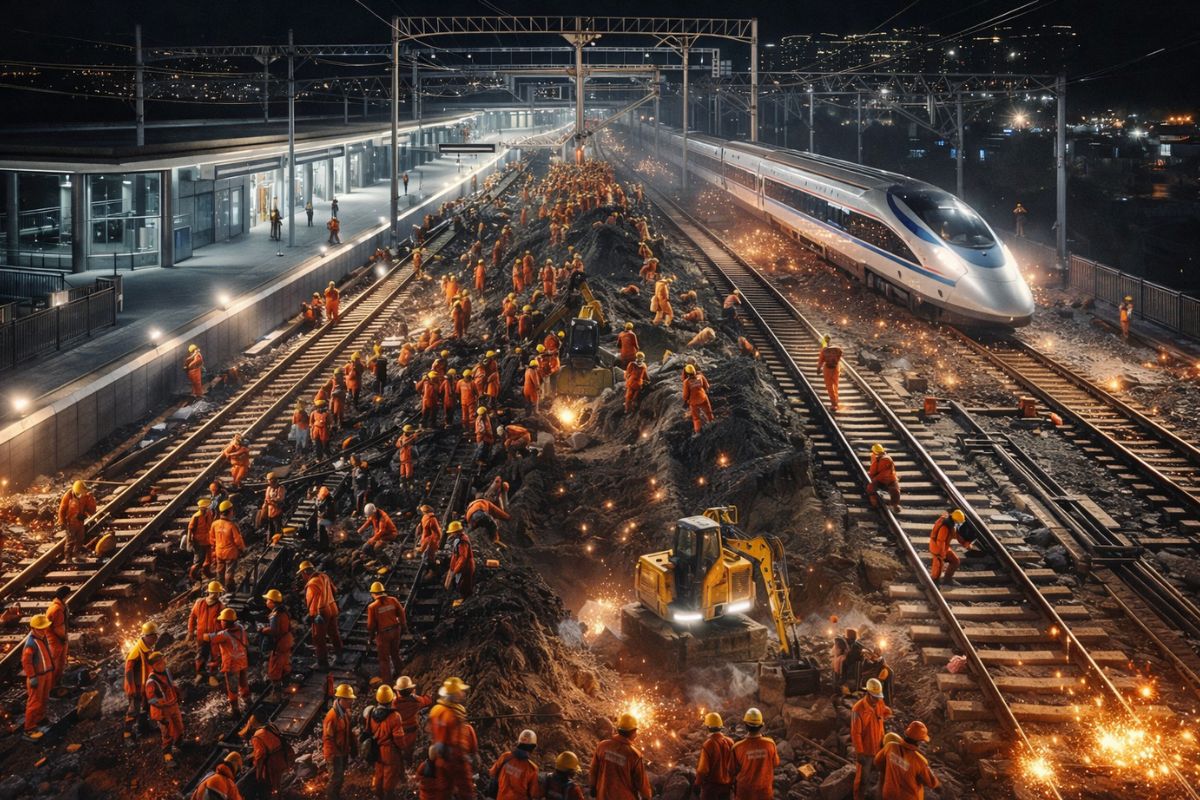
More than 1,500 Chinese workers transformed an entire railway station in just one night and reduced a 7-hour journey to 90 minutes with a high-speed line of 200 km/h.
-
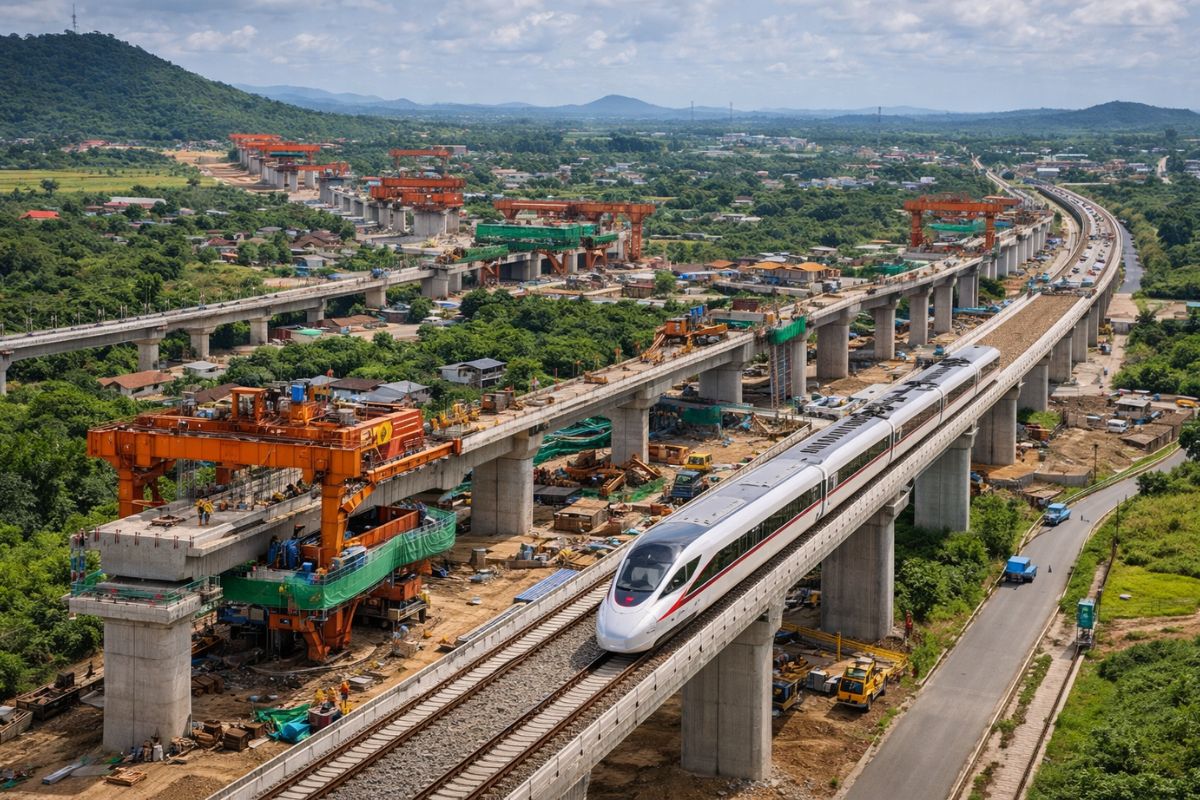
An Asian country has just divided its high-speed train megaproject into 17 independent works to accelerate the construction of the railway that will run through the entire country from north to south.
-
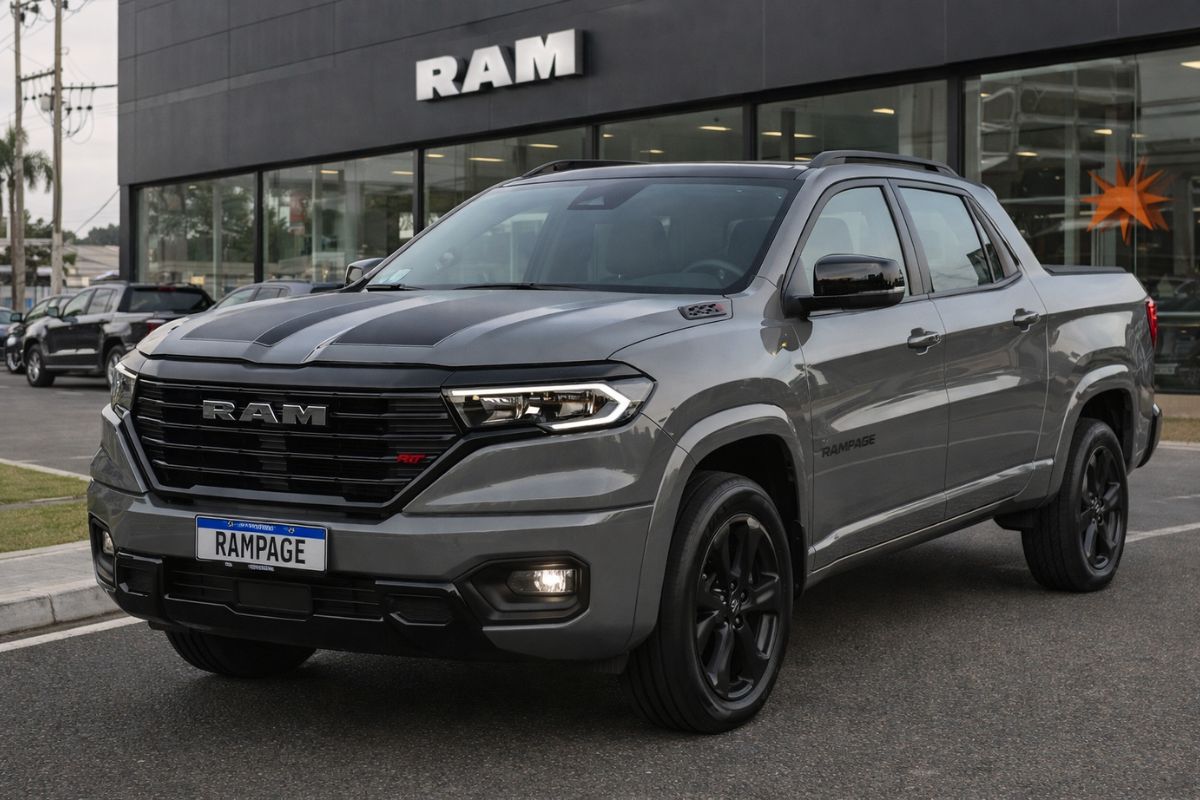
Ram had never made a flex engine in the brand’s history, but now the Rampage 2027 arrives in Brazil with 272 horsepower powered by gasoline or ethanol and is already available at dealerships.
-
Couple builds earth house using hyperadobe technique and green roof without tarpaulin: the project uses gelmembrane, adobe partitions, and plaster with cactus slime, and the kitchen is already ready with a move planned in two months.

Alarico states that only in the first months of 2022 will automakers have more clarity to observe the possibilities of resolving this serious issue. According to Fenabrave, the total vehicle registration since the beginning of January this year remains above 20%, but continues to be a percentage below what was expected.
Challenges in the Industrial Sector to Meet Automotive Parts Demand
With the lack of supplies, especially semiconductor models, the industry has pointed out this situation as the biggest challenge of the year for sector recovery.
The largest automakers in the world, which maintain some units in the country, such as Fiat, GM, Volkswagen, and Toyota, have had to temporarily halt the assembly of their vehicles due to the supply crisis of essential automotive parts.
Automotive Industry Paralyzed Due to Lack of Supplies
In mid-August, the Brazilian automotive industry reported that it had to stop producing about 120,000 vehicles in the first half of 2021 due to the lack of automotive parts. However, Fenabrave had already warned about the problem of the lack of supplies months before the crisis worsened.
In March, Fenabrave informed both automakers and the general public that the decline in vehicle production could extend to a total suspension of vehicle assembly in Brazil throughout the year, precisely due to the lack of supplies and other resources.









Seja o primeiro a reagir!