





 Portuguese
  English
  Spanish
  4 min of reading
  0 comments



Historical high exposes fragility of Brazilian companies in the face of high interest rates, credit crisis, and direct impact on the national productive sector
Brazil recorded a worrying milestone in its economy by reaching, in 2025, the highest number of judicial recovery requests since the beginning of the historical series by Serasa Experian, which started in 2012. In total, 2,466 companies turned to the courts to renegotiate debts, representing an increase of 13% compared to the previous year. This significant growth reveals, above all, a scenario of strong financial pressure on the Brazilian business sector.
The information was released by “Serasa Experian”, according to a survey published this Tuesday, the 7th, indicating that the economic environment remains challenging. This occurs mainly due to the maintenance of basic interest rates at 15% per year, a factor that has suffocated the cash flow of companies and significantly hindered the rollover of accumulated liabilities.
Moreover, the high cost of credit continues to be one of the main obstacles to economic recovery, creating a cascading effect that directly impacts the payment capacity of organizations. As a result, many companies end up not finding viable alternatives outside the judicial process.
-
The state that supplies Brazil with 600,000 tons of onions annually is seeing its own farmers go bankrupt one after another because no one pays a fair price for the product. The situation became so critical that the government had to urgently freeze debts to prevent a wave of bankruptcies in rural Santa Catarina.

-
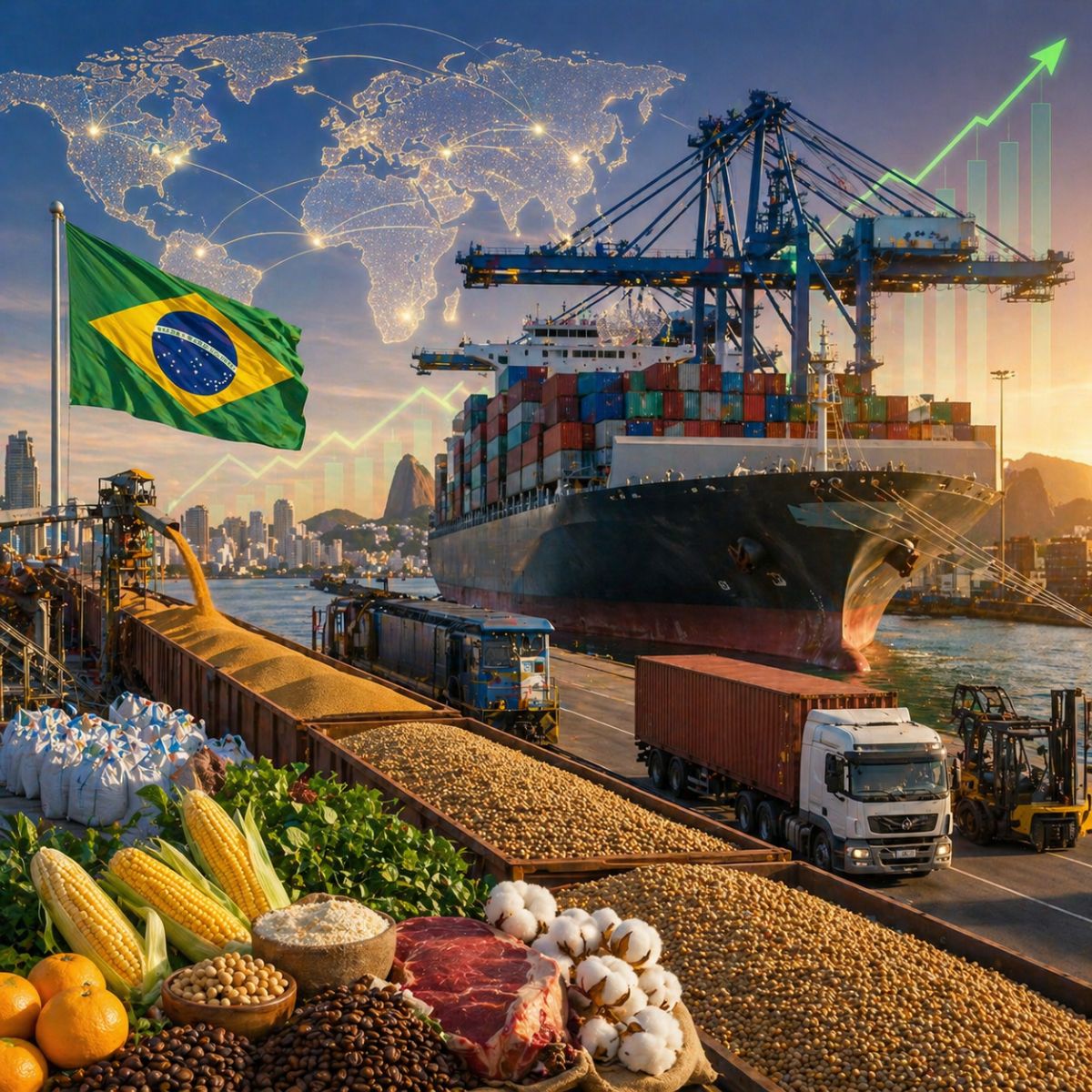
The Brazilian export machine is breaking record after record, with billions entering the country every month. China buys everything Brazil produces, Europe increased its imports by almost 10%, and Brazilian ports received R$ 7.8 billion in investments to avoid collapsing under the brutal demand.
-
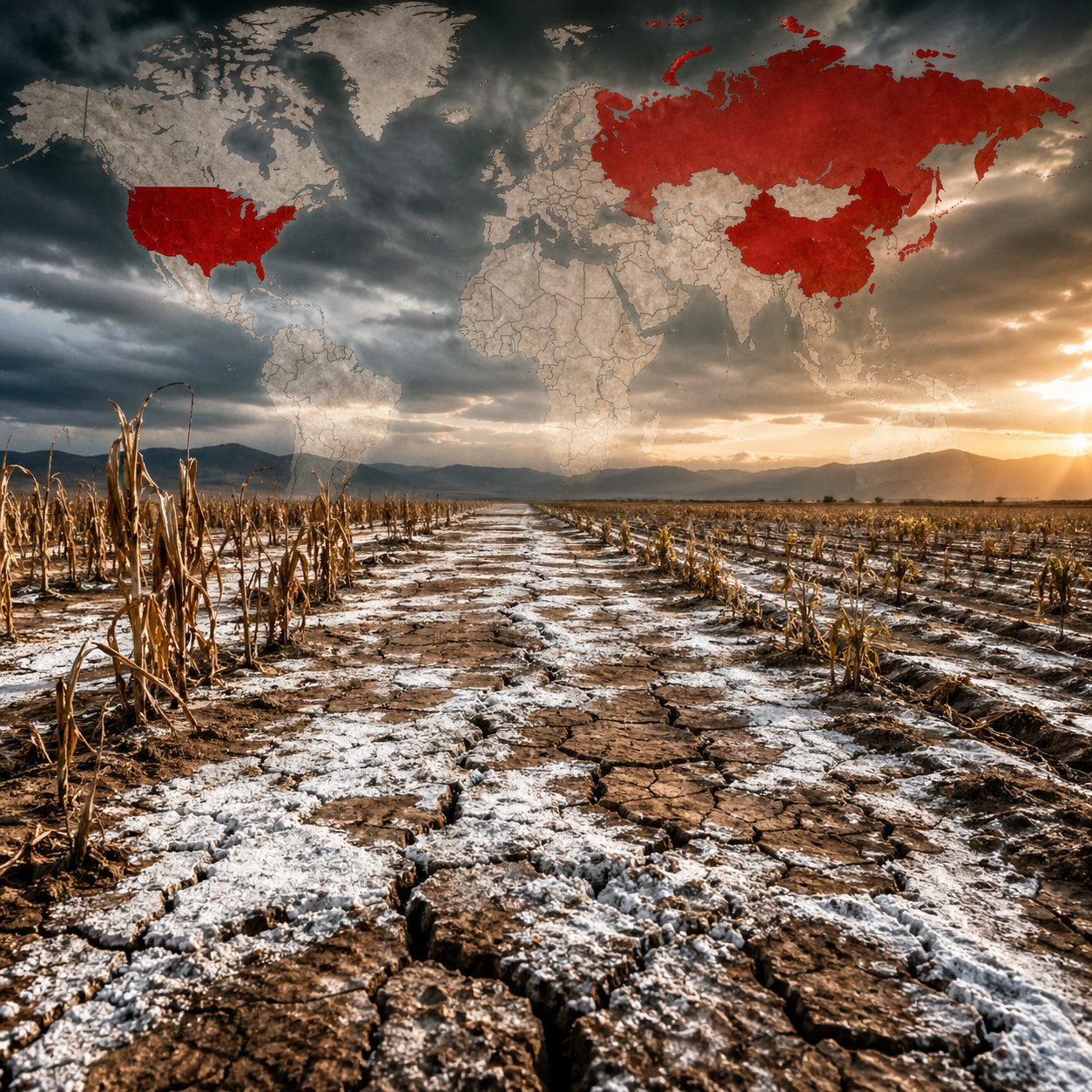
Experts warn that salinization already threatens 1.4 billion hectares of soil on the planet and could put another 1 billion at risk, with China, the United States, and Russia among the affected countries and productivity losses that can reach 70% in degraded agricultural areas.

-
The world’s largest soybean meal importer is rejecting shipments from South America due to an unauthorized gene. Prices have already soared almost 5% in a month on the Chicago Board of Trade, and Brazil is racing against time to avoid being blocked as well and losing its biggest buyer market.



Agribusiness leads requests and reveals structural crisis in the sector
In this context, the negative prominence of agribusiness stands out. The agricultural sector was responsible for 743 judicial recovery requests, equivalent to 30.1% of the total registered in the country. This number represents a drastic change in the profile of recoveries over the years.
For comparison, in 2012, agribusiness represented only 1.3% of the requests, which highlights an alarming growth in financial vulnerability in the sector. This scenario results from a combination of adverse factors.
On one hand, there was a significant drop in grain prices, directly impacting producers’ revenue. On the other hand, production costs skyrocketed, especially with the rise in fertilizer prices. In addition, climatic risks increased, compromising harvests and amplifying losses for companies and rural producers.
Consequently, the sector that historically supported a significant part of Brazil’s GDP began to face an unprecedented financial collapse, reflecting a challenging global and domestic context.
Services, commerce, and industry also feel the impact of expensive credit
Right after agribusiness, the services sector appears as one of the most affected, with 739 requests, representing about 30% of the total. Next, commerce recorded 535 processes, while industry totaled 449 judicial recovery requests.
However, unlike agribusiness, the industrial and commercial sectors showed a decrease in their relative participation in the total number of requests over the years. This movement reflects, above all, the loss of relevance of these segments within the Brazilian economy.
Still, the impact of expensive credit is transversal. That is, regardless of the sector, the high cost of loans has made it difficult to maintain business operations.
Moreover, the current crisis has distinct characteristics from the recession of 2016. During that period, the country faced a generalized macroeconomic contraction. Now, the main problem is directly linked to the high cost of money, even with the beginning of gradual cuts in the Selic rate.
As a consequence of this scenario, delinquency reached worrying levels. In January 2026, Brazil accounted for 8.7 million negative CNPJs, with an average of seven overdue debts per company, reinforcing the degree of corporate indebtedness.
Trends indicate continuation of the crisis until 2026
In light of this scenario, the prospects for the market remain challenging. The judiciary recorded 977 collective processes, the highest volume in the last ten years. This type of process involves multiple companies from the same economic group seeking recovery simultaneously.
Additionally, experts point out that the scenario of financial tightening is expected to persist at least until mid-2026. This is due to the combination of the slowdown in economic activity and the risk of inflation, which may be intensified by global conflicts.
On the other hand, an alternative has gained strength: extrajudicial recovery. This model, which dispenses with the appointment of a judicial administrator, is more accessible and less bureaucratic.
To give an idea, in 2023 there was a ratio of 26 judicial requests for each extrajudicial. In the last two years, this number has dropped to 16 to one, indicating a change in companies’ behavior.
Thus, extrajudicial recovery allows greater operational flexibility, enabling companies to continue functioning while negotiating their debts directly with creditors.
Source: Revista Oeste


Be the first to react!