





 Portuguese
  English
  Spanish
  4 min of reading
  0 comments


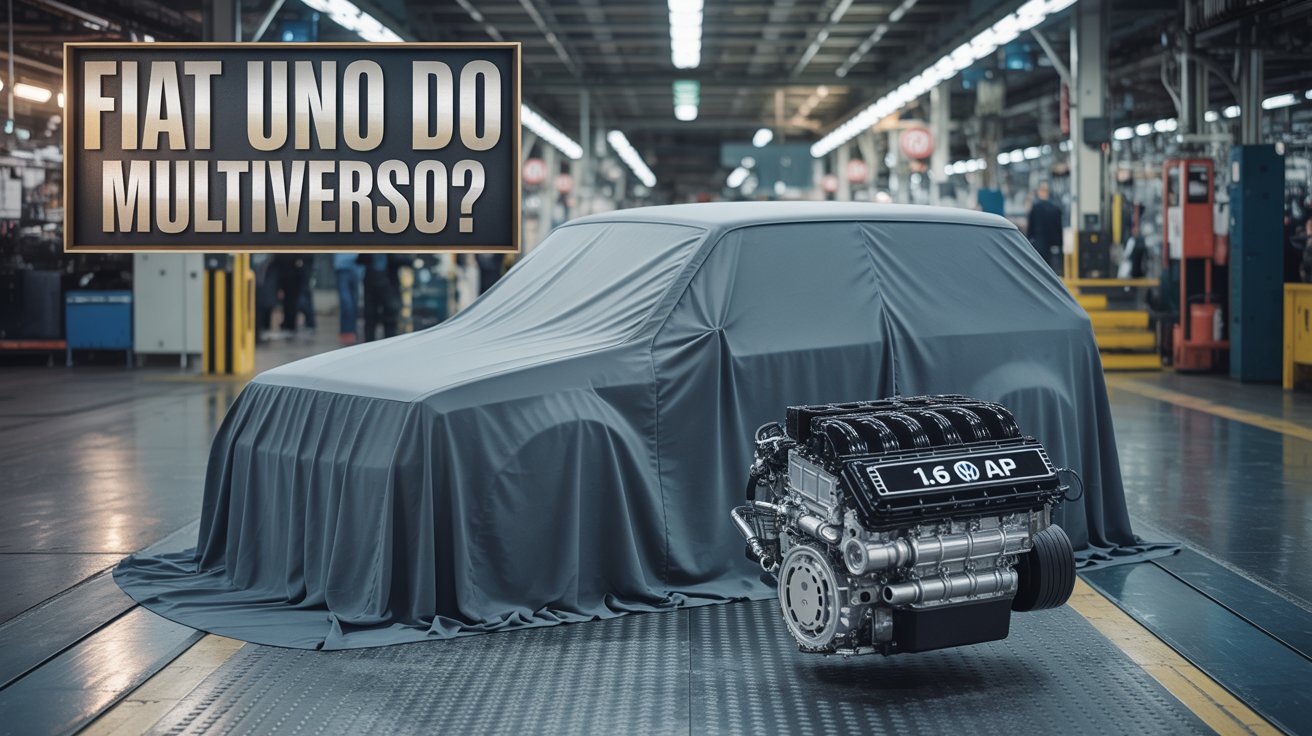
Secret Prototype, Surprising Innovations, and a Project That Never Hit the Streets. Discover What Kept the VW BY Hidden for Years and How It Influenced the Future of Volkswagen’s Compacts in Brazil.
The VW BY was a secret prototype developed by Volkswagen do Brasil in the 1980s, envisioned as a compact model, smaller and more affordable than the Gol, with the clear intention of directly competing with the Fiat Uno, which was then a benchmark for smart solutions for popular cars.
Designed to be the successor to the Beetle, the VW BY combined elements of the Gol and Uno in a unique combination that ended up being kept under wraps for decades.
This car, which can currently be visited at the VW Garage expansion in São Bernardo do Campo (SP), was only revealed to the public many years after its development.
-
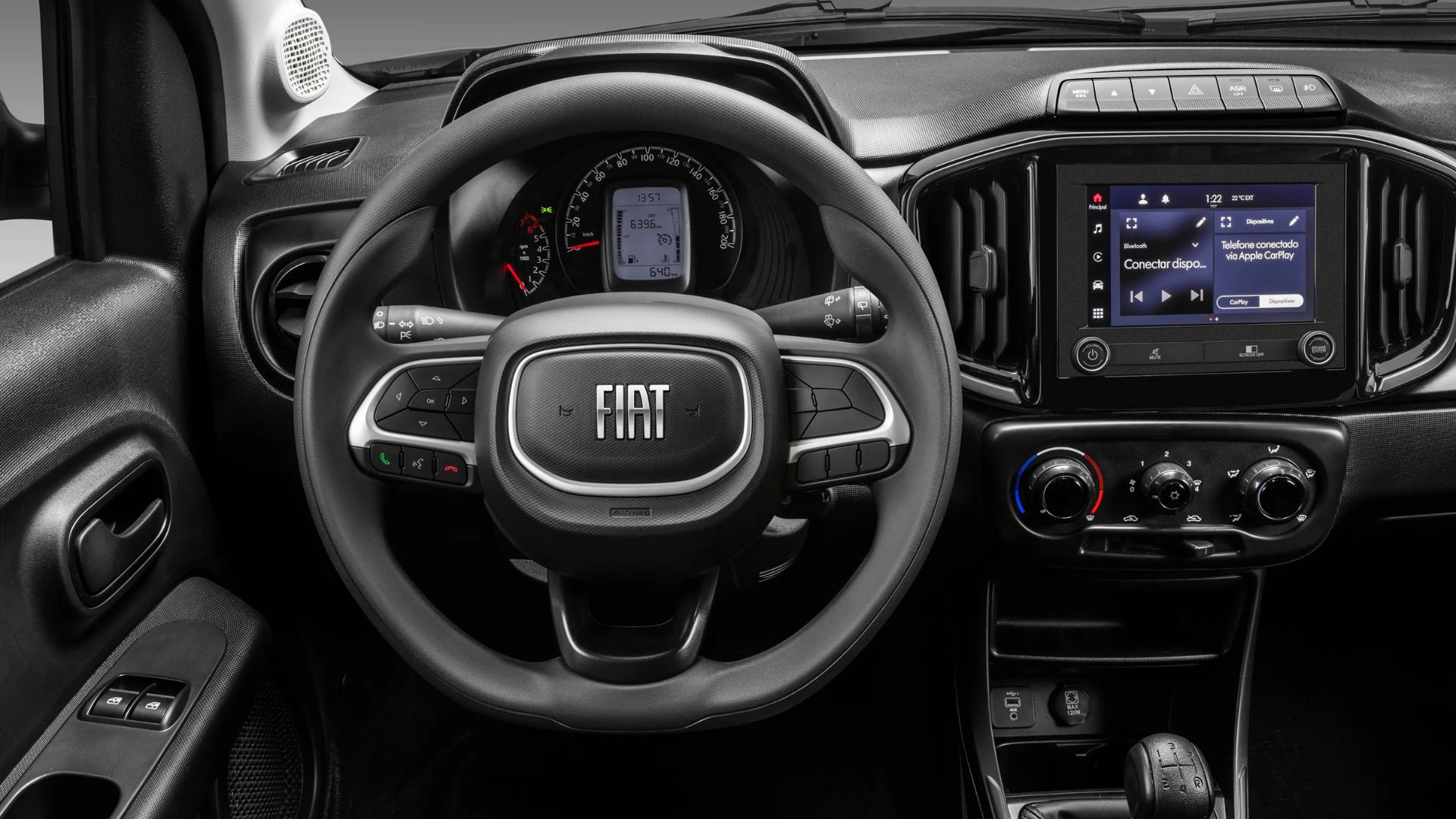
With a 1.0 engine producing 75 hp and costing less than R$ 70,000, Fiat’s car returns to the podium as the cheapest in the country; a temporary promotion for the 2026 Like version reduces the price of the Fiat Mobi.
-
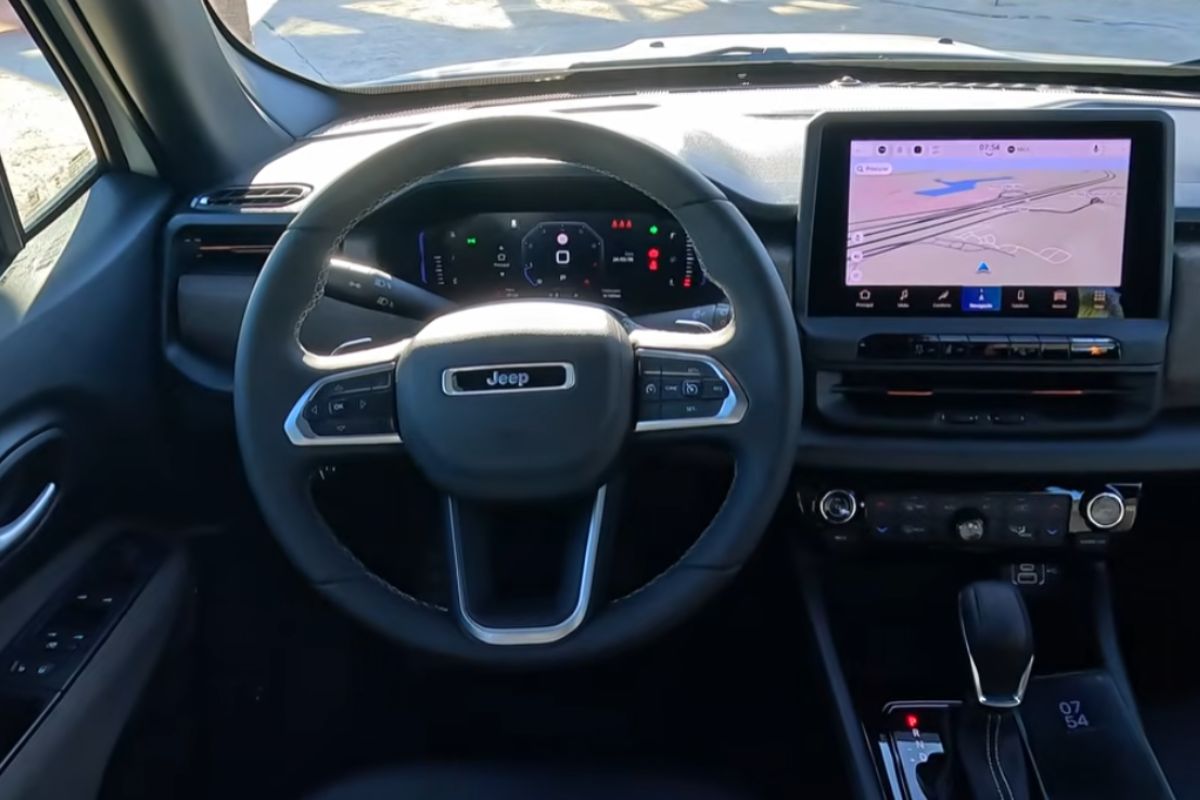
With a mild hybrid system of 48 V, 176 hp and a price of R$ 175,990 in the Sahara version, the new Jeep Renegade changes mostly on the inside, improves slightly in fuel consumption, and remains almost the same car.
-
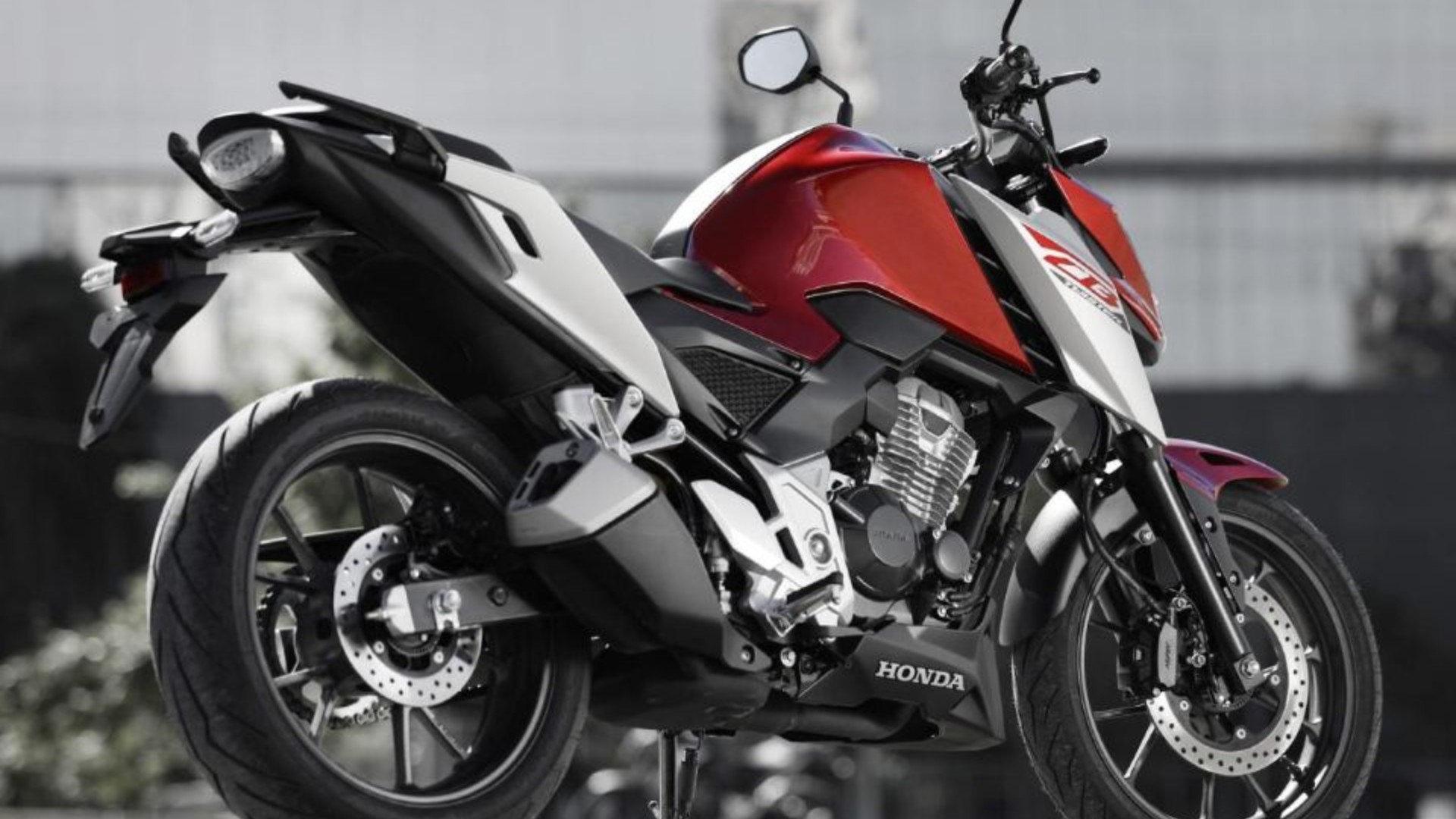
With a 293.5 cm³ engine and a range of up to 400 km with a 14.1-liter tank, the Honda CB 300F Twister 2026 has up to 24.7 hp, an initial price of R$ 25,150, and already exceeds R$ 29,000 in the Fipe Table.
-
With a 1.3 engine, nearly 700 km of range, and Turbo 200, the Fiat model surpasses Polo, Tera HB20, and Onix, becoming the best-selling car in March; see the numbers for the Fiat Strada and others.

The prototype attracted attention in 1986 when it was spotted by a team from Quatro Rodas magazine, but its design was never approved for mass production.
Volkswagen’s strategy with the BY was clear: to offer a compact hatch that made the best use of internal space, was cheaper and smaller than the Gol, to compete in the entry-level segment.
The goal was clear — to beat the Fiat Uno, launched in 1985 and recognized for its functional design and fuel efficiency.
Anticipated Technical Innovations
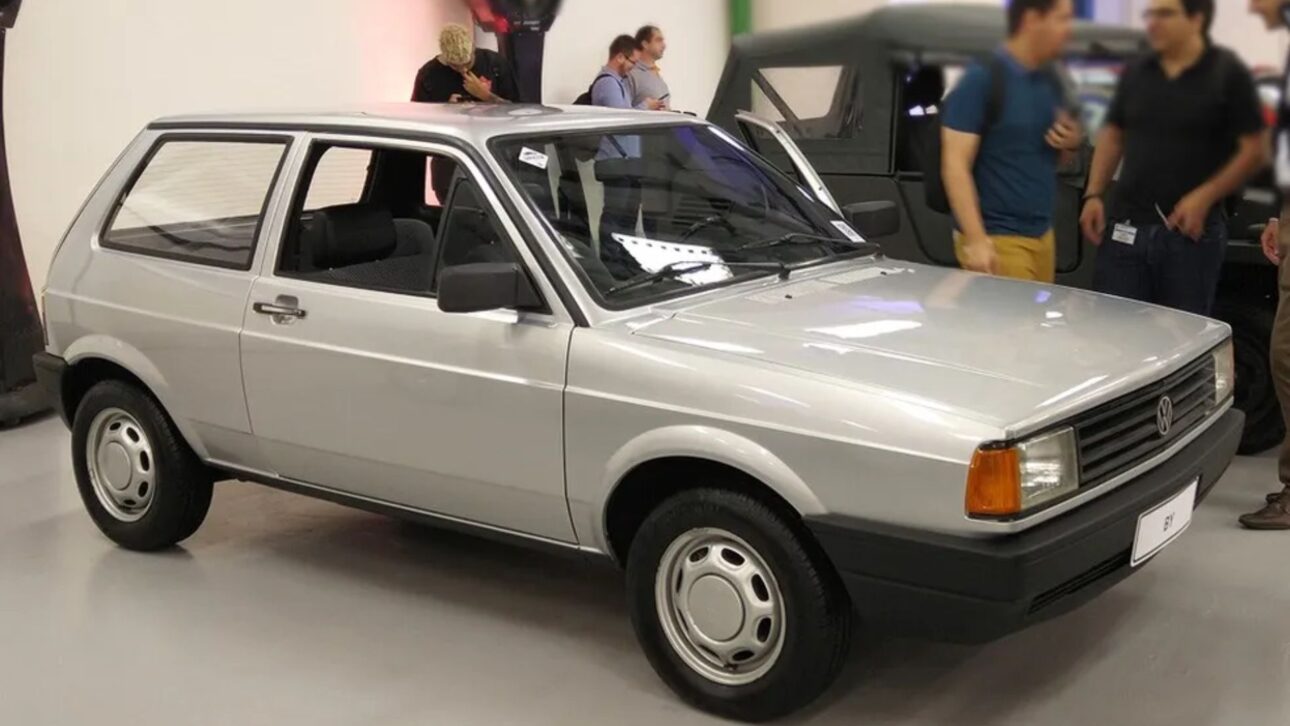
The VW BY was directly based on the first generation of the Gol, codename BX, and received the designation BY to mark its distinct identity.
The idea was to maintain the robustness and the AP 1.6 engine, widely used in the Gol lineup, but with a more compact and economical body.
To reduce costs, Volkswagen utilized the front end of the Gol, from the B-pillar forward.
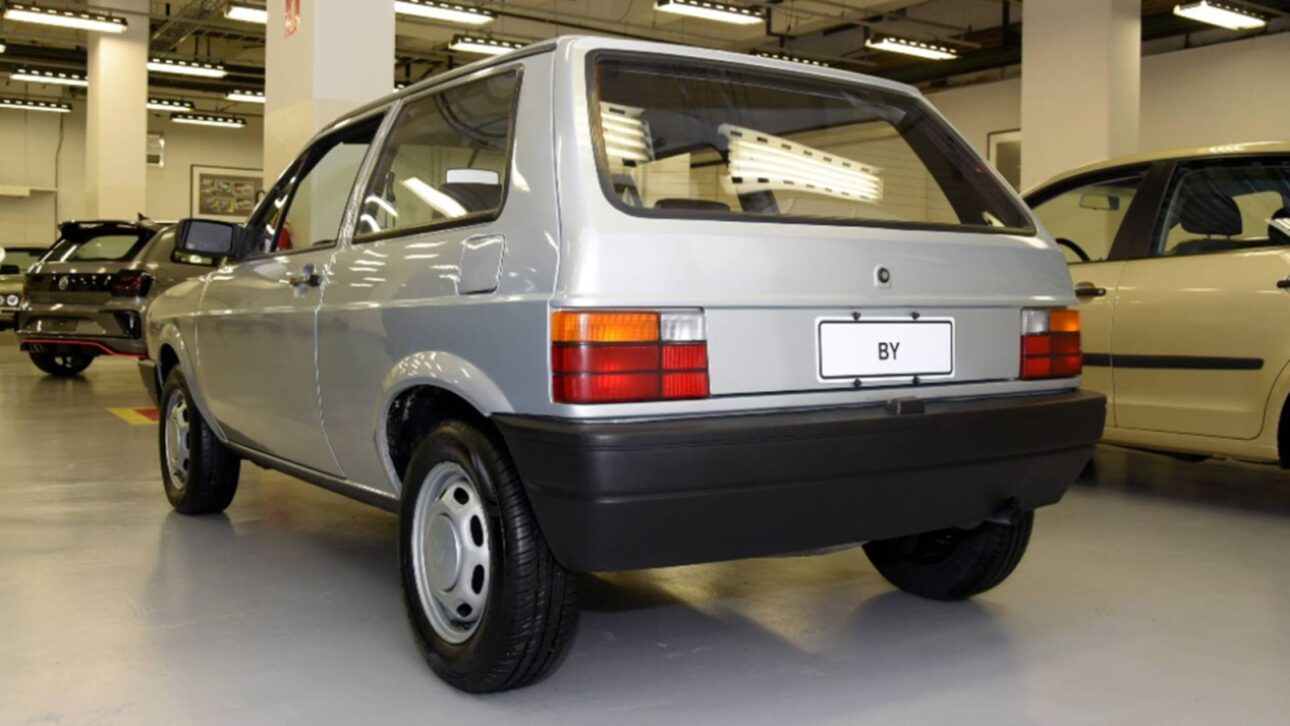
This, however, created a disproportionate look: a long hood to accommodate the longitudinal engine, and a short, abrupt rear clearly inspired by the Fiat Uno.
The resemblance was not coincidental but rather the result of a technical analysis aimed at directly competing with the Italian model.
Among the innovative solutions, the VW BY featured a glued windshield directly to the body, eliminating the traditional rubber seals used in the Gol of the time, along with the absence of gutters on the roof, giving it a cleaner and more modern design.
The biggest innovation, however, was the sliding rear seat system, which allowed for increased trunk space by sliding the seats on tracks.
This idea would only be officially adopted by Volkswagen in Brazil in 2003, with the launch of the Fox.
Additionally, the rear suspension was redesigned to take up less space, unlike that used in the Gol, which also contributed to better utilization of interior space.
Reasons for the Cancellation of the VW BY
However, these innovations that positioned the VW BY ahead of its time ultimately rendered the project economically unviable.
The high development and production costs would have made the final price of the car higher than that of the Gol, which contradicted its original proposal of being a more accessible entry-level vehicle.
Volkswagen was unable to position the BY below the Gol on the price list, making its commercial launch unfeasible.
This cost versus innovation dilemma was not exclusive to the VW BY.
Decades later, the Volkswagen Fox would face similar difficulties in Brazil, precisely because it was competing with already established and cheaper models.
Moreover, the formation of Autolatina, the partnership between Volkswagen and Ford in Brazil in the late 1980s, shifted the automaker’s strategic priorities, contributing to the definitive shelving of the BY project.
Legacy of the VW BY Prototype
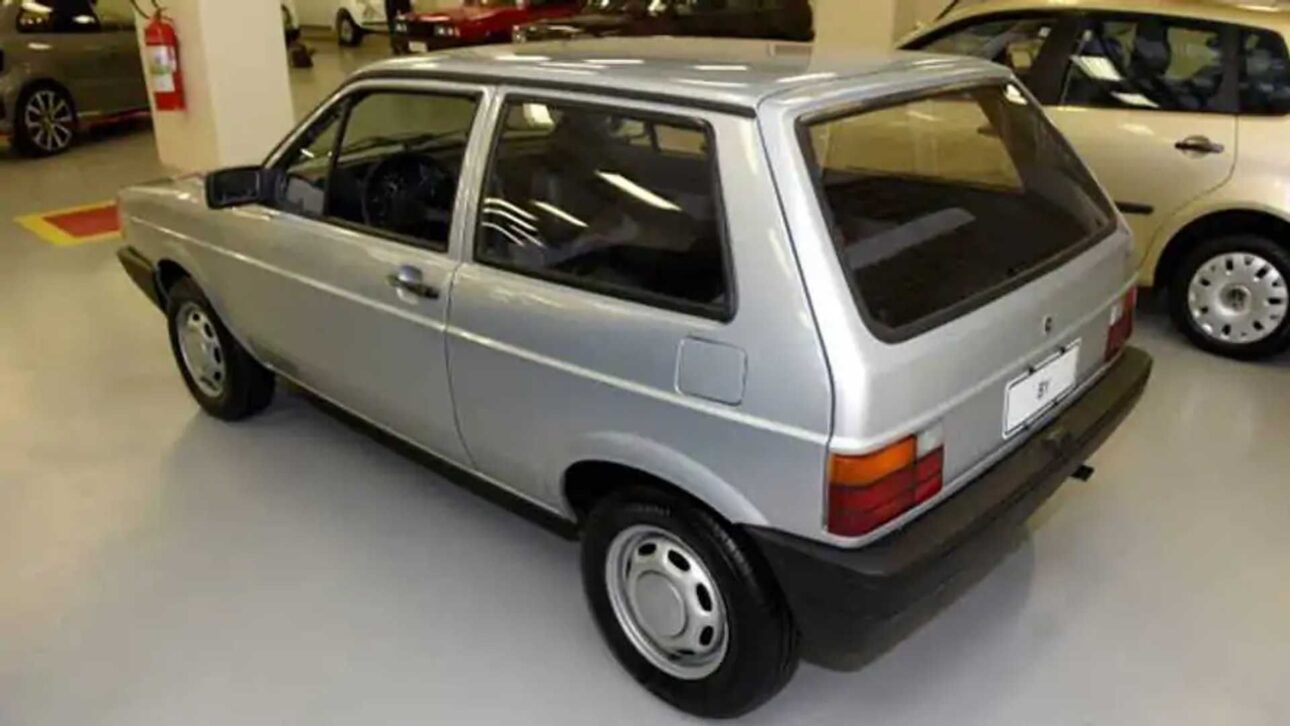
Today, the VW BY is considered one of the best-kept secrets in the national automotive industry.
Its legacy lies in the technical and design solutions that anticipated concepts that would only become popular much later.
The prototype reflects the efforts of Brazilian engineering to innovate and compete with international models, even in the face of economic and strategic challenges.
The public discovery of the prototype at the VW Garage reinforces the historical importance of the project for the national market and reveals how revolutionary ideas sometimes remain on paper due to commercial and situational issues.
The story of the VW BY shows that innovation does not always translate into immediate commercial success, but can influence the future of the automotive industry.
In light of this scenario, we invite enthusiasts and curious individuals to learn about this important piece of national automotive history.








-

Uma pessoa reagiu a isso.