





 Portuguese
  English
  Spanish
  3 min of reading
  0 comments


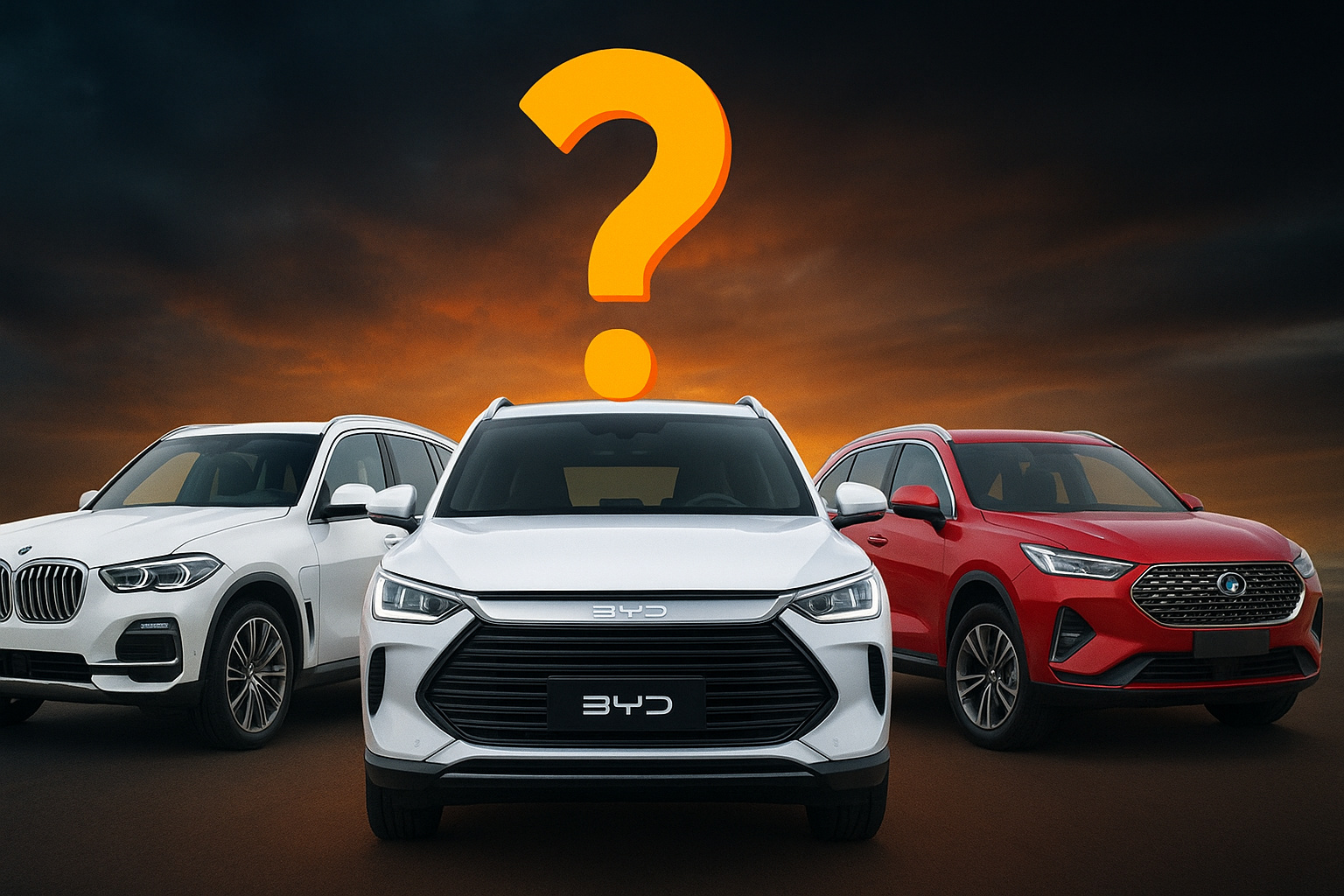
BYD, GWM, and BMW Compete for the Title of First Plug-In Hybrid Car Made in Brazil. See Who Truly Leads the Electrification Race.
Brazil Accelerates Towards Automotive Electrification
The automotive industry in Brazil is going through a historic moment. Major automakers like BYD, GWM, and BMW are competing head-to-head for the title of “first plug-in hybrid car manufactured in the country.”
This race for innovation marks a new era for the sector, driven by billions in investments, clean technology, and the global shift towards more sustainable engines.
Recent announcements place the country in a strategic position in the global race for electrification.
-
Less than a Tera TSI, up to 710 km of range and charging in 9 minutes: the new BYD Song Ultra expands the Chinese brand’s bet on increasingly faster, more technological, and competitively priced electric SUVs.

-
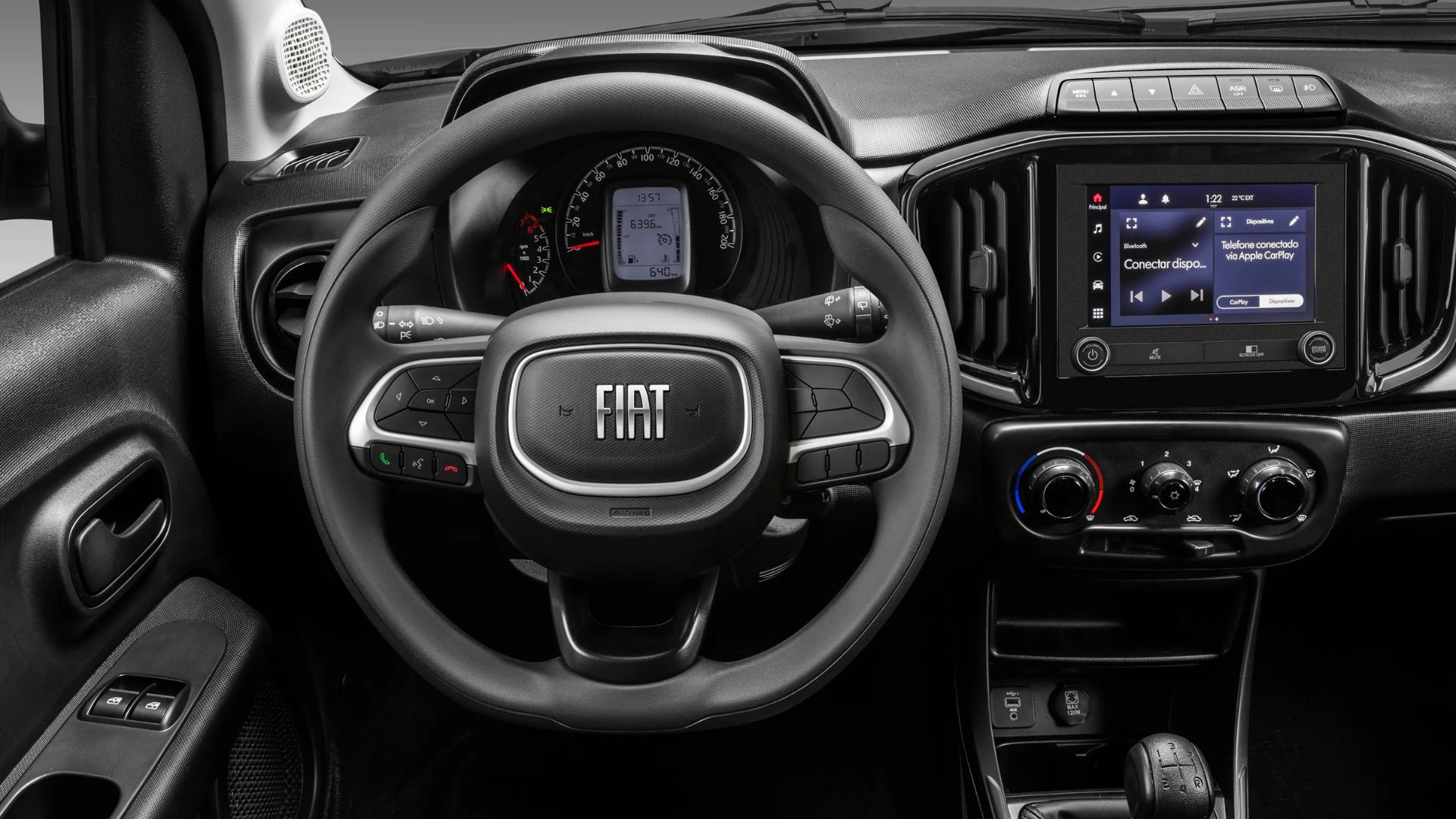
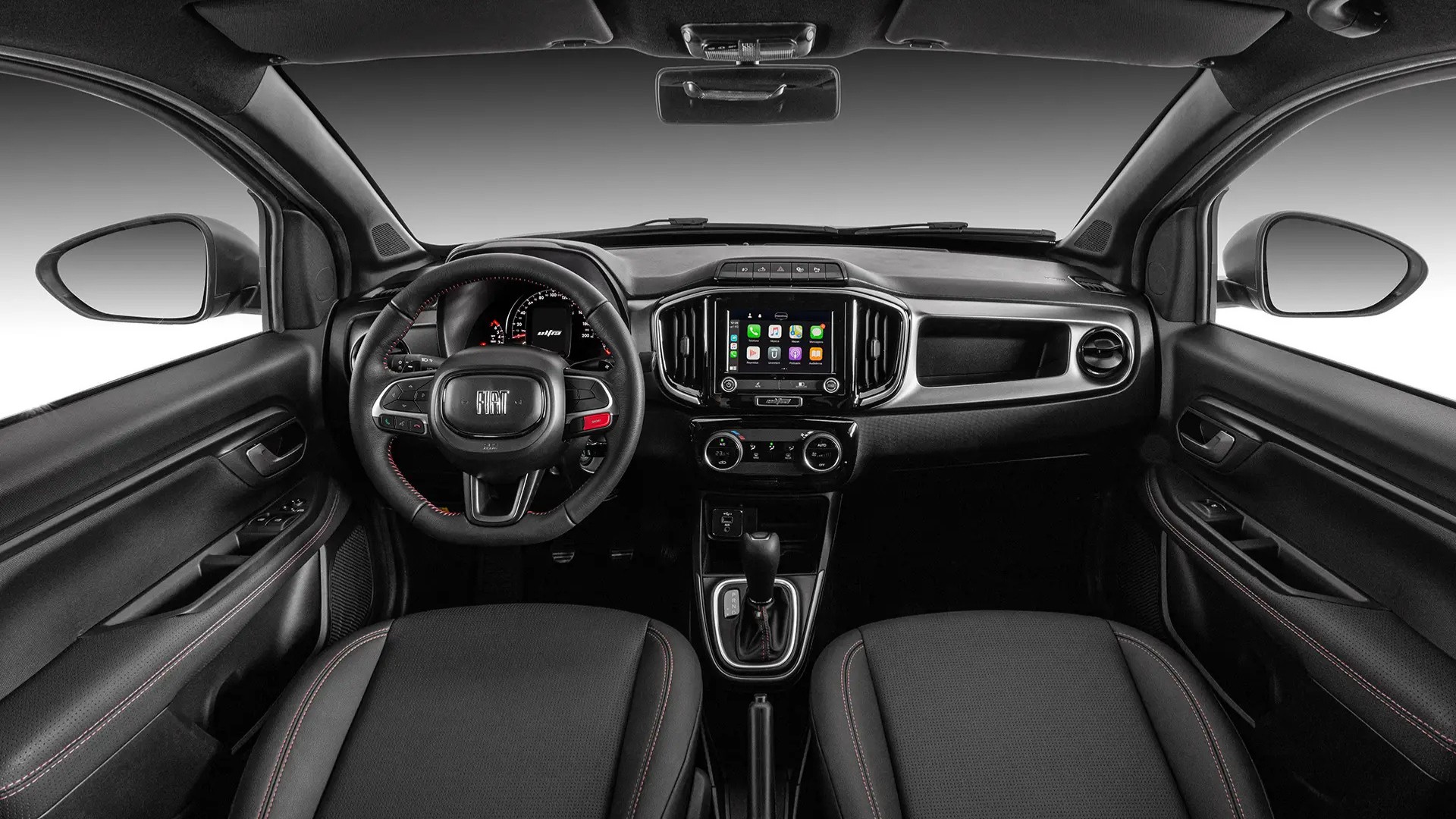
With a 1.0 engine producing 75 hp and costing less than R$ 70,000, Fiat’s car returns to the podium as the cheapest in the country; a temporary promotion for the 2026 Like version reduces the price of the Fiat Mobi.
-
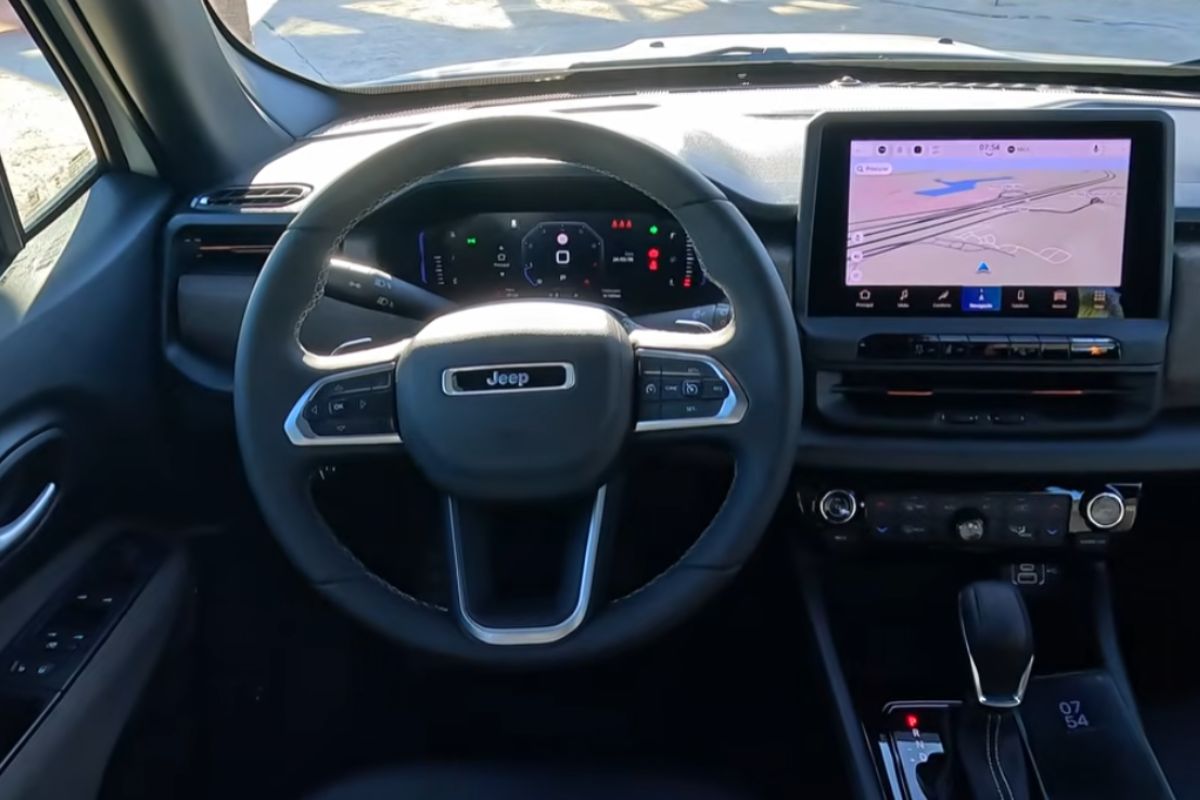
With a mild hybrid system of 48 V, 176 hp and a price of R$ 175,990 in the Sahara version, the new Jeep Renegade changes mostly on the inside, improves slightly in fuel consumption, and remains almost the same car.
-
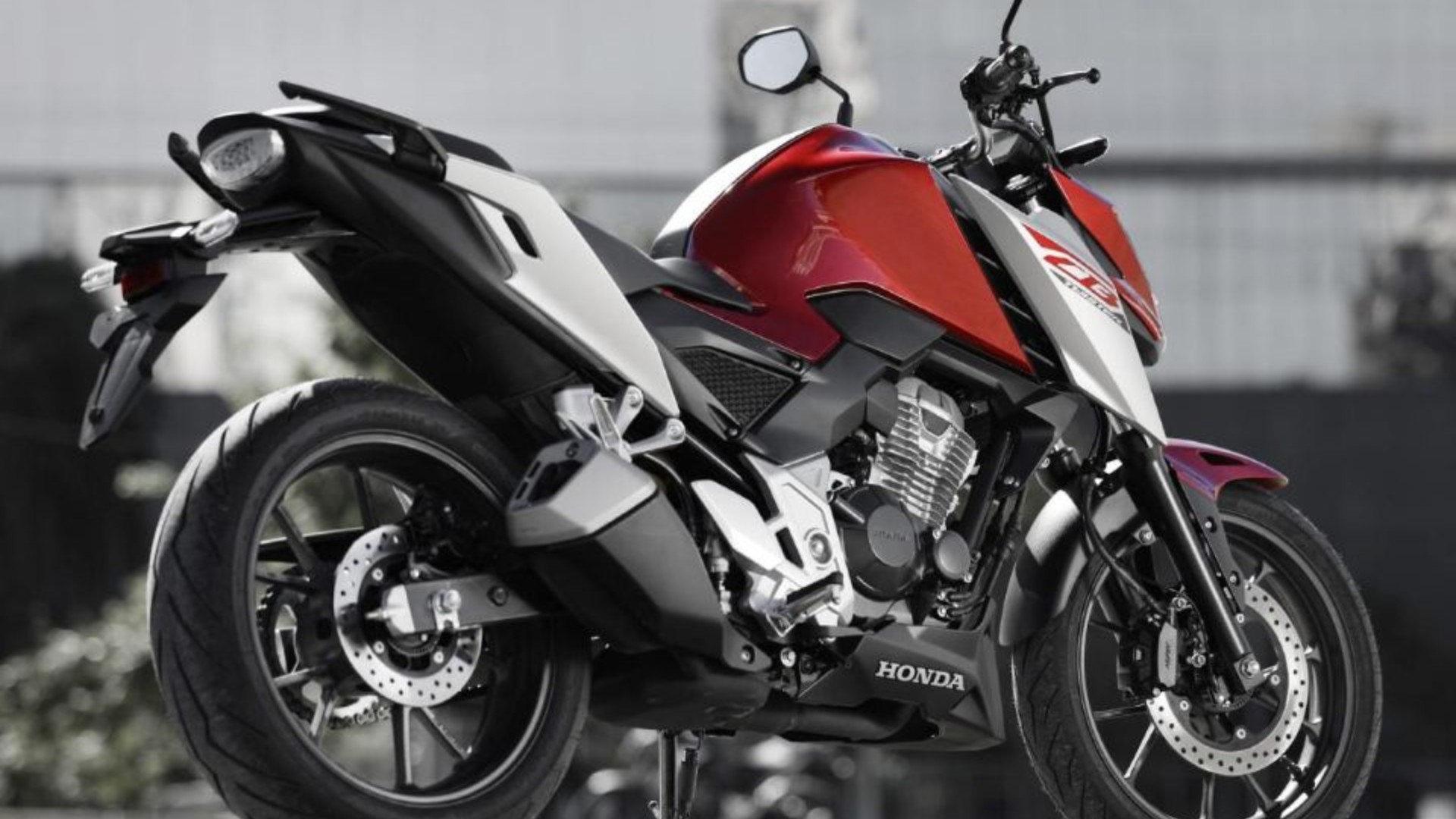
With a 293.5 cm³ engine and a range of up to 400 km with a 14.1-liter tank, the Honda CB 300F Twister 2026 has up to 24.7 hp, an initial price of R$ 25,150, and already exceeds R$ 29,000 in the Fipe Table.

Moreover, beyond status, this competition reveals the advancement of national manufacturing of hybrid vehicles — a real alternative for those seeking economy and sustainability without giving up autonomy on the roads.
What Is, After All, a Plug-In Hybrid Car?
Before understanding who is ahead, it’s worth recalling what defines a plug-in hybrid car (PHEV). It is a model that combines two propulsion systems — a combustion engine and an electric motor, powered by a rechargeable battery.
The main advantage lies in flexibility. These vehicles can be charged from an outlet, just like 100% electric cars, and can travel up to 100 km on electric power alone.
When the charge runs out, the combustion engine kicks in, ensuring long trips without worrying about autonomy.
Therefore, the PHEV is the perfect middle ground between pure electric and traditional gasoline engines.
GWM Takes the Lead with Production in Iracemápolis
GWM (Great Wall Motors) opened its factory in August 2025 in Iracemápolis (SP) — the former Mercedes-Benz plant.
There, the Chinese brand began assembling the Haval H6 SUV, which has a plug-in hybrid version, along with the Poer P30 pickup and the Haval H9 SUV.
Despite the hype, the company has never officially claimed to be the first producer of PHEV vehicles in Brazil.
Nonetheless, many media outlets have highlighted this achievement as the first of “high volume.” That is to say, the start of commercial-scale production focused directly on the Brazilian consumer.
BMW Claims True Pioneering Status
On the other hand, who truly inaugurated the era of plug-in hybrid cars manufactured in Brazil was BMW, back in November 2024.
At the factory in Araquari (SC), the Germans produce the sophisticated X5 PHEV, the first model assembled with plug-in technology on national soil.
However, there is one detail: with a starting price of R$ 786,950, the luxury SUV is a niche product with reduced sales volume.
This limitation has raised the “asterisk” regarding GWM’s pioneering title — which, despite arriving later, is betting on mass production and the popularization of hybrids in Brazil.
BYD Introduces the World’s First Flex Plug-In Hybrid
Meanwhile, the giant BYD — a global leader in electric vehicle sales — recently inaugurated its factory in Camaçari (BA).
After some delays, the Chinese brand revealed an unprecedented achievement: the world’s first flex plug-in hybrid car, the Song Pro SUV.
The model is still a prototype, with no confirmed date for the start of production, but it demonstrates the automaker’s innovation power in the country.
After all, the combination of hybrid technology and flex fuel promises to revolutionize the national automotive industry, enhancing autonomy and reducing environmental impact.
A New Chapter for the Brazilian Automotive Industry
The race between BYD, GWM, and BMW shows that Brazil is ready for an unprecedented technological leap.
With modern factories, investment in local manufacturing, and a growing infrastructure network, the country is starting to pave the way for more sustainable and accessible mobility.
Moreover, the advancement of plug-in hybrid cars symbolizes the revival of confidence in the national industry.
Thus, as the energy transition progresses worldwide, Brazil emerges as a protagonist in this silent revolution — uniting power, innovation, and environmental responsibility.








-

2 pessoas reagiram a isso.