





 Portuguese
  English
  Spanish
  4 min of reading
  0 comments



Those who have a Fiat Toro with a diesel engine know how much this model delivers strength and practicality for daily use, but they must have also heard about the necessary care for the particulate filter. This component, known by the acronym DPF (Diesel Particulate Filter), is responsible for reducing pollutant emissions. However, when it does not receive the proper attention, it can become a villain, causing loss of power, increased fuel consumption, and even stalling the car in critical situations.
Particulate Filter: What It Is and How It Works
The particulate filter is a system installed in the exhaust, designed to capture and store the soot resulting from diesel combustion. This soot, if released directly, would impact air quality and increase pollutant emissions. To prevent this, the DPF retains the material and periodically performs what is called “regeneration”: a process of burning the accumulated soot, transforming it into less harmful gases.
The problem arises when the car cannot complete this regeneration cycle, usually due to short urban trips that do not provide the ideal temperature for burning soot.
-
Less than a Tera TSI, up to 710 km of range and charging in 9 minutes: the new BYD Song Ultra expands the Chinese brand’s bet on increasingly faster, more technological, and competitively priced electric SUVs.

-
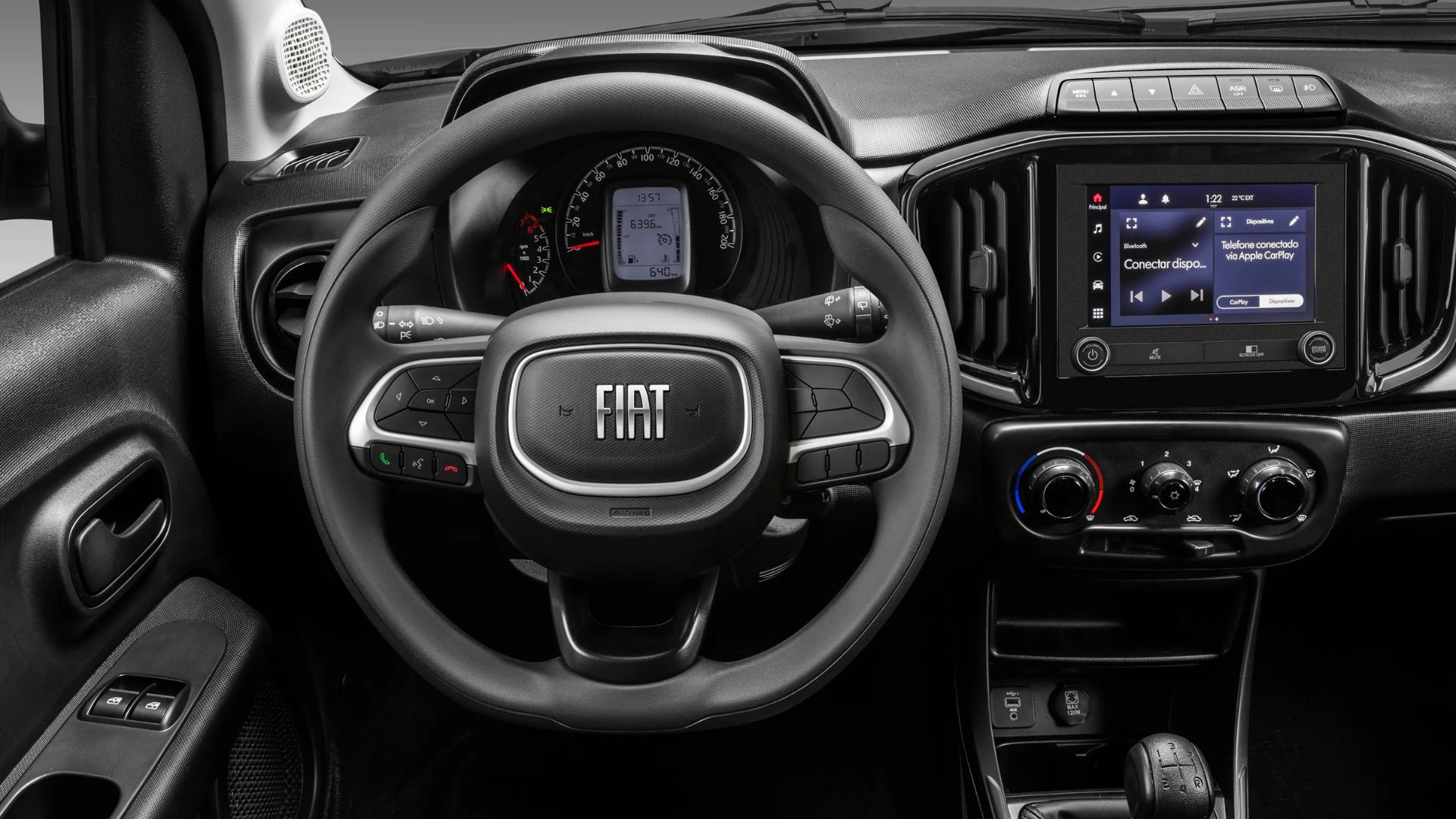
With a 1.0 engine producing 75 hp and costing less than R$ 70,000, Fiat’s car returns to the podium as the cheapest in the country; a temporary promotion for the 2026 Like version reduces the price of the Fiat Mobi.
-
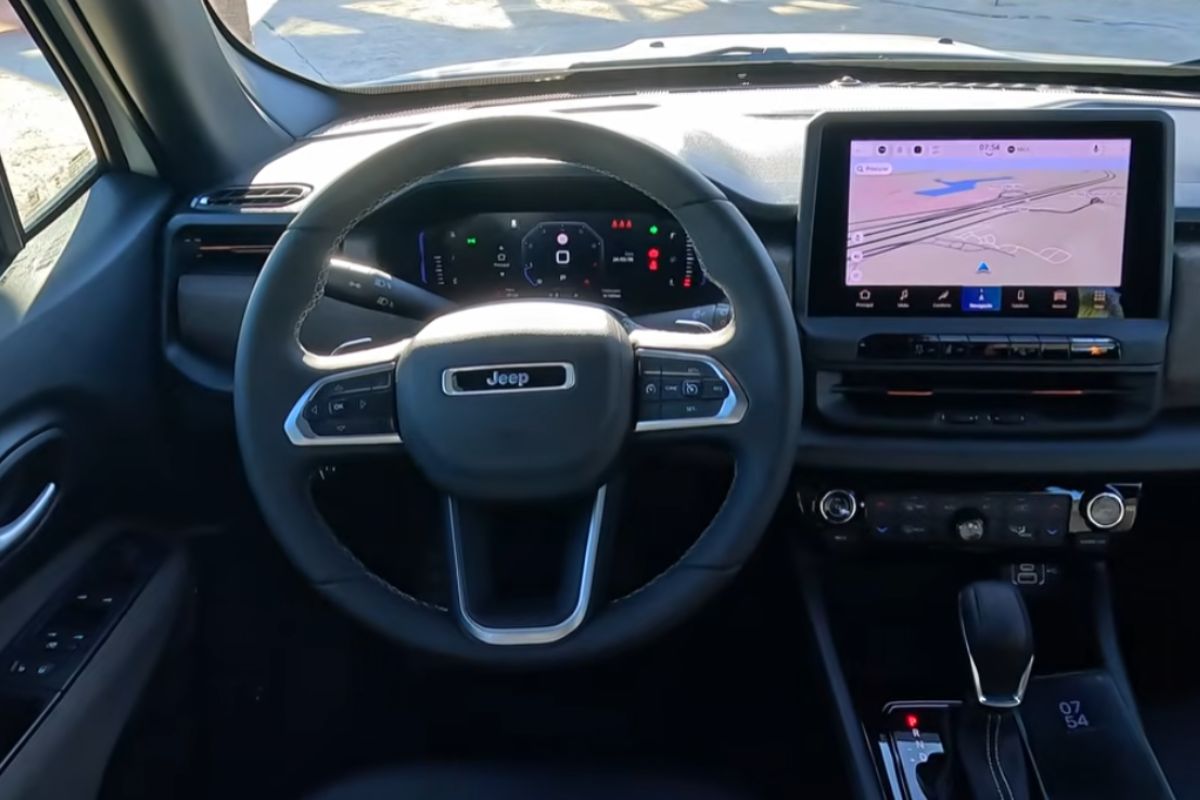
With a mild hybrid system of 48 V, 176 hp and a price of R$ 175,990 in the Sahara version, the new Jeep Renegade changes mostly on the inside, improves slightly in fuel consumption, and remains almost the same car.
-
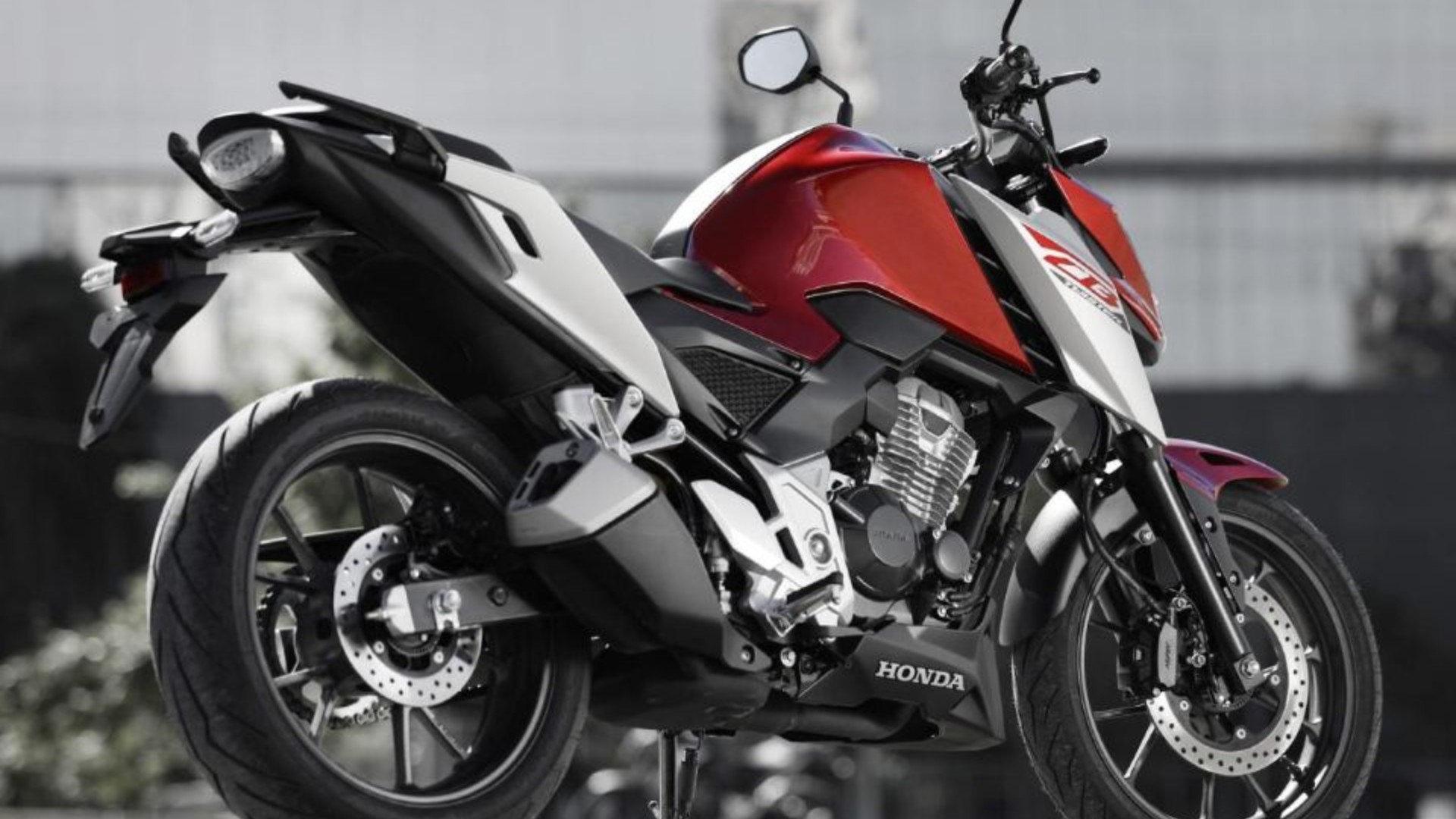
With a 293.5 cm³ engine and a range of up to 400 km with a 14.1-liter tank, the Honda CB 300F Twister 2026 has up to 24.7 hp, an initial price of R$ 25,150, and already exceeds R$ 29,000 in the Fipe Table.
Symptoms of Clogged Particulate Filter in Fiat Toro
The attentive driver notices some clear signs when the filter is about to have issues. Among the main ones:
- Increased fuel consumption.
- Warning light on the dashboard indicating a failure in the emissions system.
- Loss of power, especially on inclines or during acceleration.
- Fan running frequently, even on short trips.
Ignoring these signs can lead to engine stalling in emergency mode, reducing speed and forcing the driver to seek immediate assistance.
How to Prevent Particulate Filter Stalling
The best strategy is to act preventively. Here are the most effective tips for owners of diesel Fiat Toro:
Take Longer Trips Regularly
If you only use the car for short urban routes, regeneration is unlikely to occur. Set aside at least once a week to drive on the highway for about 20 to 30 minutes, keeping higher revs. This practice helps the filter burn the accumulated soot.
Use Quality Fuel
Not all diesel is the same. Choosing reliable stations reduces the chance of excessive particle formation and prolongs the life of the DPF. Using adulterated fuel accelerates clogging and can even compromise other components, such as the injectors.
Follow the Recommended Lubricant Oil
The wrong oil can generate residues that hinder regeneration. In the Fiat Toro, it is essential to follow the recommendations of the manual, using low ash (Low SAPS) lubricants that are compatible with the emissions after-treatment system.
Pay Attention to Preventive Maintenance
Changing air and fuel filters within the timeframe is more important than it seems. When these components are saturated, the engine operates erratically, generating more soot and overloading the DPF.
Avoid Turning Off the Car During Regeneration
If you notice the engine feeling “stuck,” with high revs and a stronger burning smell, it may be a sign that regeneration is underway. Turning off the car at this moment interrupts the process and accumulates even more dirt in the filter.
What to Do If the Filter Is Already Clogged
When the light on the dashboard turns on and the power loss becomes evident, it’s time to act quickly. Some alternatives:
Forced Regeneration at a Workshop
Fiat dealerships and specialized workshops have equipment to force the regeneration process, burning the accumulated soot and releasing the gas flow.
Chemical Cleaning
In intermediate cases, it is possible to apply specific chemical products that help dissolve the residues. This solution requires specialized labor and should not be done at home.
Filter Replacement
In more severe cases, the only solution is to replace the DPF, which represents a high cost, potentially exceeding R$ 10,000. Therefore, prevention is the best alternative.
Consequences of Ignoring the Problem
Driving with a clogged particulate filter poses serious risks, not only to your wallet but also to safety. The car can enter emergency mode in critical situations, such as overtaking. Additionally, the engine begins to work hard, increasing the chances of more expensive failures, such as turbocharger problems.
Why the Fiat Toro is More Sensitive to This
The Fiat Toro diesel is often used in urban routes and short-distance tasks, such as transporting goods in cities. This usage profile fosters the accumulation of soot in the DPF. Models that run more on highways face fewer problems precisely because they can complete regenerations naturally.
A Care That Ensures Longevity
Caring for the Fiat Toro’s particulate filter is not just an environmental issue. It is a direct investment in the vehicle’s durability and the peace of mind of those who depend on it. Incorporating simple habits, such as driving on the highway weekly and keeping maintenance up to date, makes all the difference.
Those who have dealt with DPF issues know how frustrating it can be to stop a modern and robust car over a maintenance detail. And often, it is precisely the small preventive actions that avoid major headaches.





-

-

-

-

-

21 pessoas reagiram a isso.