





 Portuguese
  English
  Spanish
 5 min of reading
  0 comments


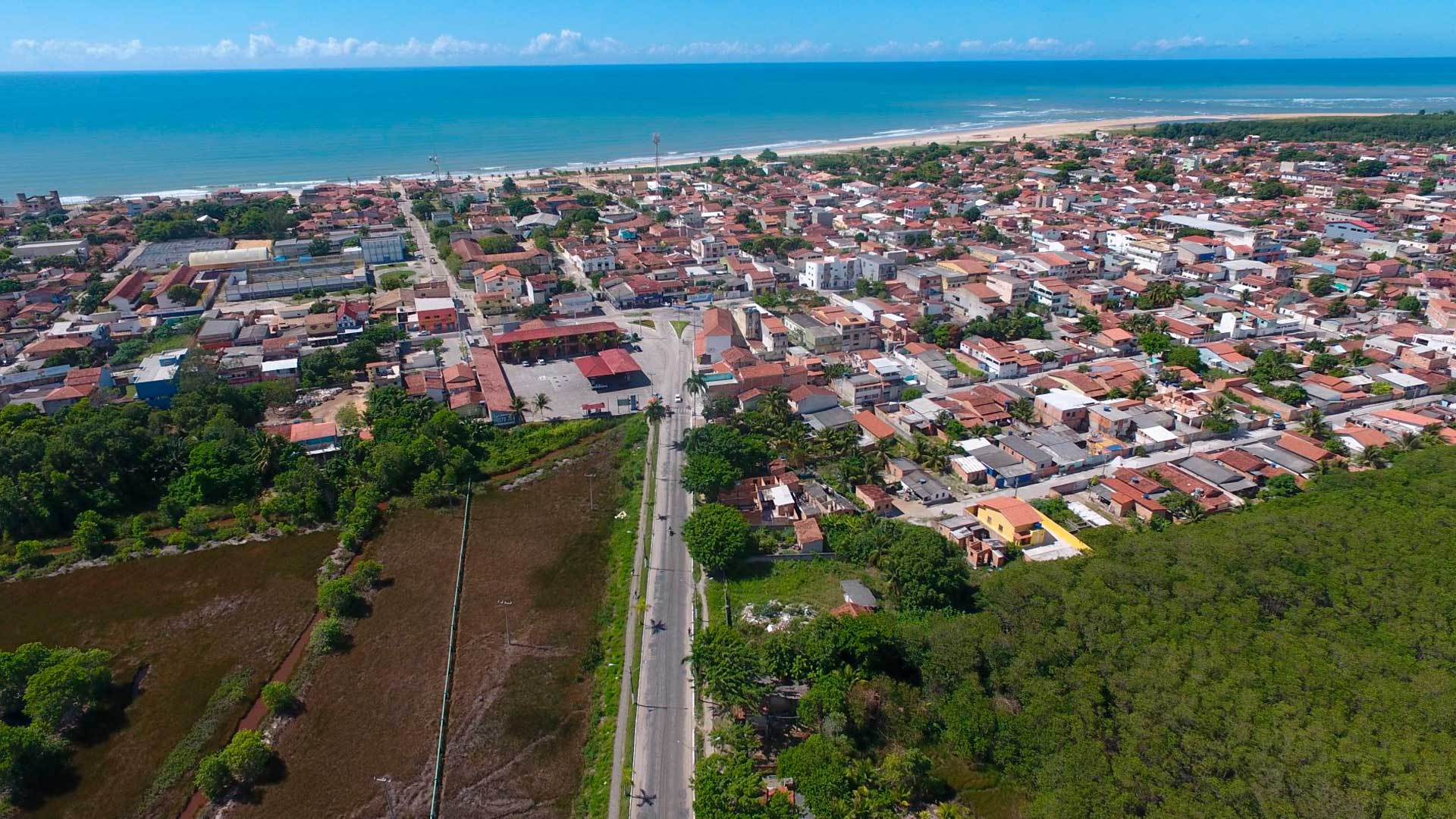
Mucuri City Hall Announces It Will Not Hold New Year’s Eve Celebration, Attributing Decision to Financial Impact of Tax Reform Transition Starting January 2026
The Mucuri City Hall, in southern Bahia, announced that it will not hold the 2026 New Year’s Eve celebration and justified the measure as a choice of fiscal responsibility, given a scenario of strong pressure on the municipal budget. The administration claims that the cancellation is not due to a lack of will, but because of the cost the celebration would impose on a city with approximately 40,000 inhabitants.
In an institutional statement, the municipality informed that the decision takes into account the start of the tax reform transition in January 2026 and the expected effect on revenues and transfers related to taxes such as ICMS and ISS. The city hall also mentioned that Mucuri would be among dozens of Brazilian municipalities most affected in this scenario.
Mayor Robertinho, from União, confirmed the measure and stated that the New Year’s transition will occur with a simpler gathering by the beach, and a modest fireworks display, without the traditional structure of large attractions. According to him, the measure is temporary and linked to the rebalancing of public accounts.
-
Lula responds directly to Trump and says that Pix is from Brazil and will not change under pressure from anyone, after a report from the United States pointed out the Brazilian payment system as an American trade barrier.

-
Amazon has just announced a new fee on all deliveries, and your online purchases will become more expensive starting April 17, including for those buying from the United States here in Brazil.

-
He sold his share for R$ 4 thousand, saw the company become a giant worth R$ 19 trillion, and missed the opportunity of a lifetime.

-
Elon Musk’s Starship megafrocket puts $8 billion at risk, raises alarms in the market, and could affect technology, mining, and space internet startups in the coming years.


The last New Year’s Eve party in the city, which marked the arrival of 2025, took place between December 28 and 31 at Arena Praia da Barra, featuring attractions such as É o Tchan, Lá Fúria, Trio da Huanna, and Saiddy Bamba, as reported by Jornal Correio.
Why Did Mucuri City Hall Cancel the New Year’s Eve Celebration?
According to the city hall, the cost of structures, logistics, and artistic attractions would directly compete with essential expenses, such as medications, transport, and school meals, maintenance of roads, and timely payment of employees. The administration argues that in the current context, funding a large party with public resources would not be compatible with the need to prioritize services.
The statement also emphasizes that areas such as health, education, urban cleaning, and city maintenance are already under pressure and would be directly impacted if the municipality reduced investments in these sectors to fund the event. The city hall acknowledges public frustration, but maintains that the decision aims to prevent worsening the fiscal situation.
Tax Reform in 2026 and the Fear of Decreased Municipal Transfers
The central justification presented by the municipality is linked to the start of the transition to the new consumption tax model provided by Constitutional Amendment 132, with ongoing regulation and complementary legislation already published, according to information compiled by the Ministry of Finance.
In practice, the transition in 2026 marks the adaptation of the system to taxes such as CBS and IBS, which gradually replace current charges, and requires operational and fiscal changes across the country. The Mucuri city hall connects this process to the expectation of a decrease in revenues linked to ICMS and ISS, which help sustain the municipal machinery.
Reports on the subject indicate that by the beginning of 2026, electronic fiscal documents should begin to highlight CBS and IBS, reinforcing that the year will be one of implementation and adjustments for businesses and governments.
In the official announcement, Mucuri states that it is among 58 Brazilian cities that would be most affected by the impacts of the transition and uses this data to explain why the local budget needs to be even more conservative in 2026. The administration argues that the risk is compromising basic services if the municipality continues high spending on events.
The city hall also requested public participation to strengthen the local economy, with actions such as requesting invoices and valuing local commerce, pointing this out as a way to reduce losses and improve collections amid the changes.
Judicial Debts and Blockages in 2025 Tighten Mucuri’s Budget
In addition to the tax reform, the municipal administration cited a series of judicial decisions in 2025 that generated blockages and immediate payments of debts accumulated by previous administrations. According to the city hall, judicial commitments alone exceeded R$ 40 million in 2025, equivalent to two months of the municipality’s revenue.
Still according to the statement, since 2021 the current administration has already paid R$ 178,342,325.40 in inherited debts, but the municipality still faces a consolidated liability of R$ 586,948,875.33, in addition to nearly R$ 500 million in ongoing lawsuits, which may grow with corrections and interest.
The city hall mentioned internal management measures, such as updating company registrations, increasing the use of electronic invoices, combating waste, and administrative reorganization, but stated that the combination of liabilities and revenue uncertainty requires cuts in expenditures considered non-priority.
What Does the City Plan to Do Instead and What Happens to Tourism in Southern Bahia?
The mayor declared that the transition to 2026 should occur with a simpler celebration on the beach and a reduced fireworks display, without the large attractions that had marked the summer calendar. The city hall also emphasized the temporary nature of the decision and conditioned a resumption of festivities to financial rebalancing.
This change follows the previous edition, in December 2024, which featured a four-day program at Arena Praia da Barra, with nationally known bands, according to Jornal Correio. Thus, the municipality shifts to a more discreet New Year’s Eve, which may reduce the flow of visitors attracted by shows, while the administration claims to be protecting the budget for health, education, and urban maintenance.
In your municipality, do you think cutting the New Year’s Eve celebration is administrative responsibility or a mistake that harms tourism, commerce, and summer jobs? Comment on what you would do if you were in charge and say if public events should be a priority even in times of fiscal tightening.








-

-

-

-

4 pessoas reagiram a isso.