





 Portuguese
  English
  Spanish
  6 min of reading
  0 comments


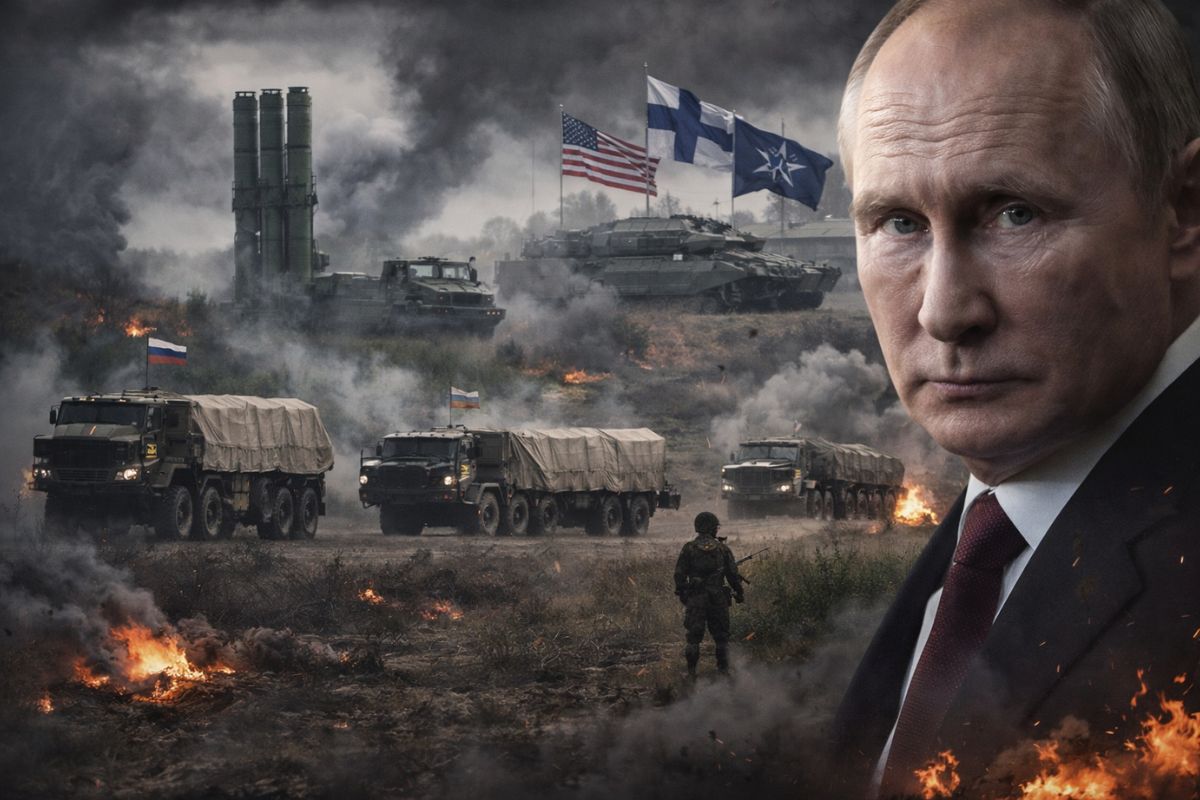
Intelligence Reports, Russian Territorial Advancement, and Pressured Negotiations Compose a Picture Where Putin Maintains Broad Objectives in Ukraine, While European Allies Fear That an Incomplete Agreement Will Freeze the Conflict, Weaken Western Deterrence, and Prepare a New Cycle of Instability on the Eastern Border of the Continent in the Coming Years.
Putin has returned to the center of the Western strategic debate because converging assessments from Washington and Helsinki describe a risk that goes beyond a simple end to hostilities. The most concerning hypothesis is one of operational, not structural, peace, used to regain military capacity, reorganize logistics chains, and reposition political pressure on Kiev and its allies.
According to the portal Terra, in the short term, negotiations may reduce the pace of war; however, in the medium and long term, the dispute remains open if the Kremlin’s maximum objectives remain intact. It is this difference between ceasefire and lasting stabilization that explains why part of American intelligence and European governments treat the current moment with caution, despite the more optimistic public discourse from political sectors in Washington.
The Converging Alert Between Helsinki and Washington
The starting point of the analysis is clear: the president of Finland has signaled that the outcome of the war in Ukraine may close one phase and open another, potentially broader for European security. In parallel, intelligence reports from the United States, according to Reuters, have reiterated for more than two years that Putin’s strategic objectives have not shrunk even after military wear and tear, economic sanctions, and diplomatic rounds.
-
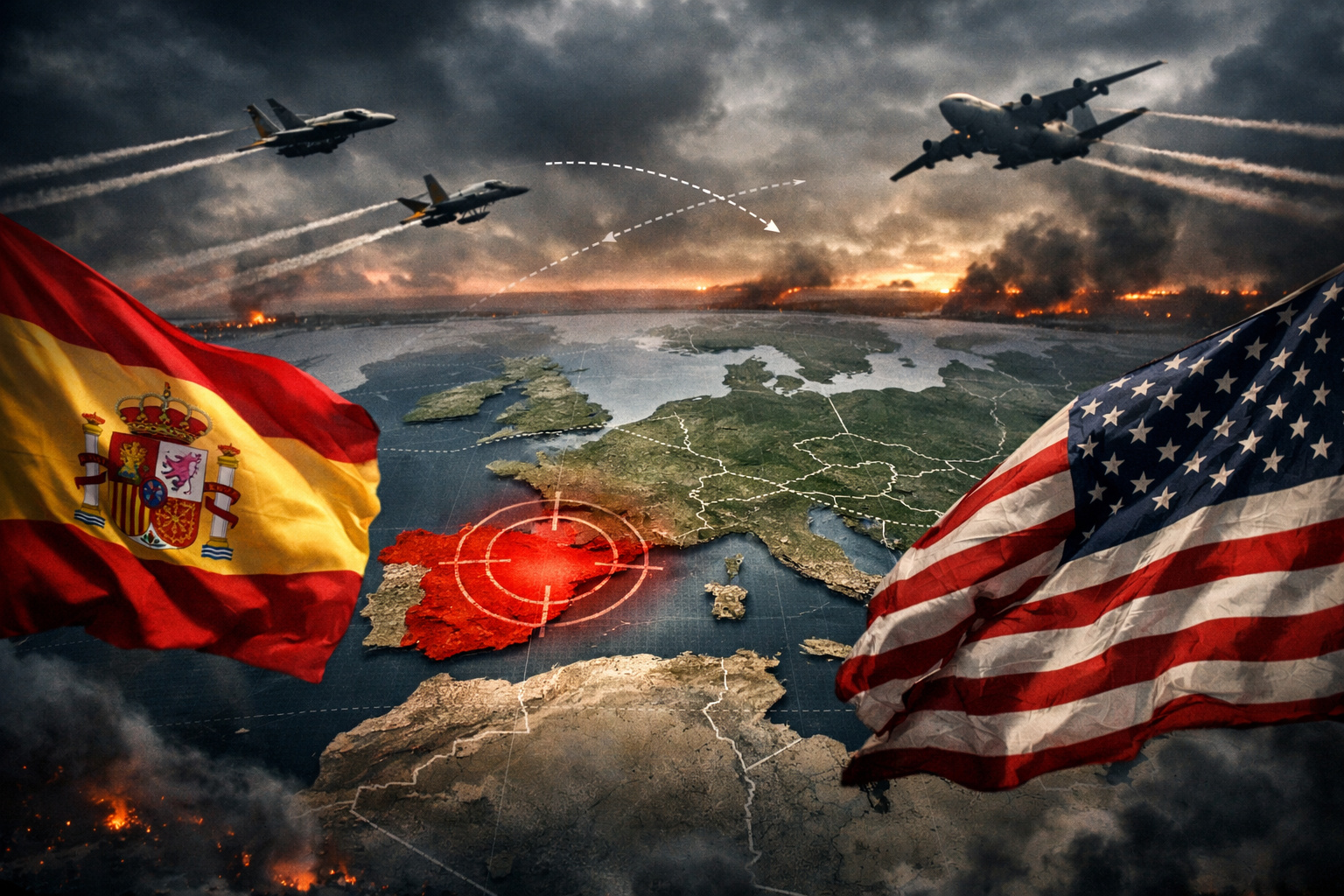
Spain challenges the USA and closes its airspace for operations against Iran, raising global tension and provoking the threat of a trade rupture.
-
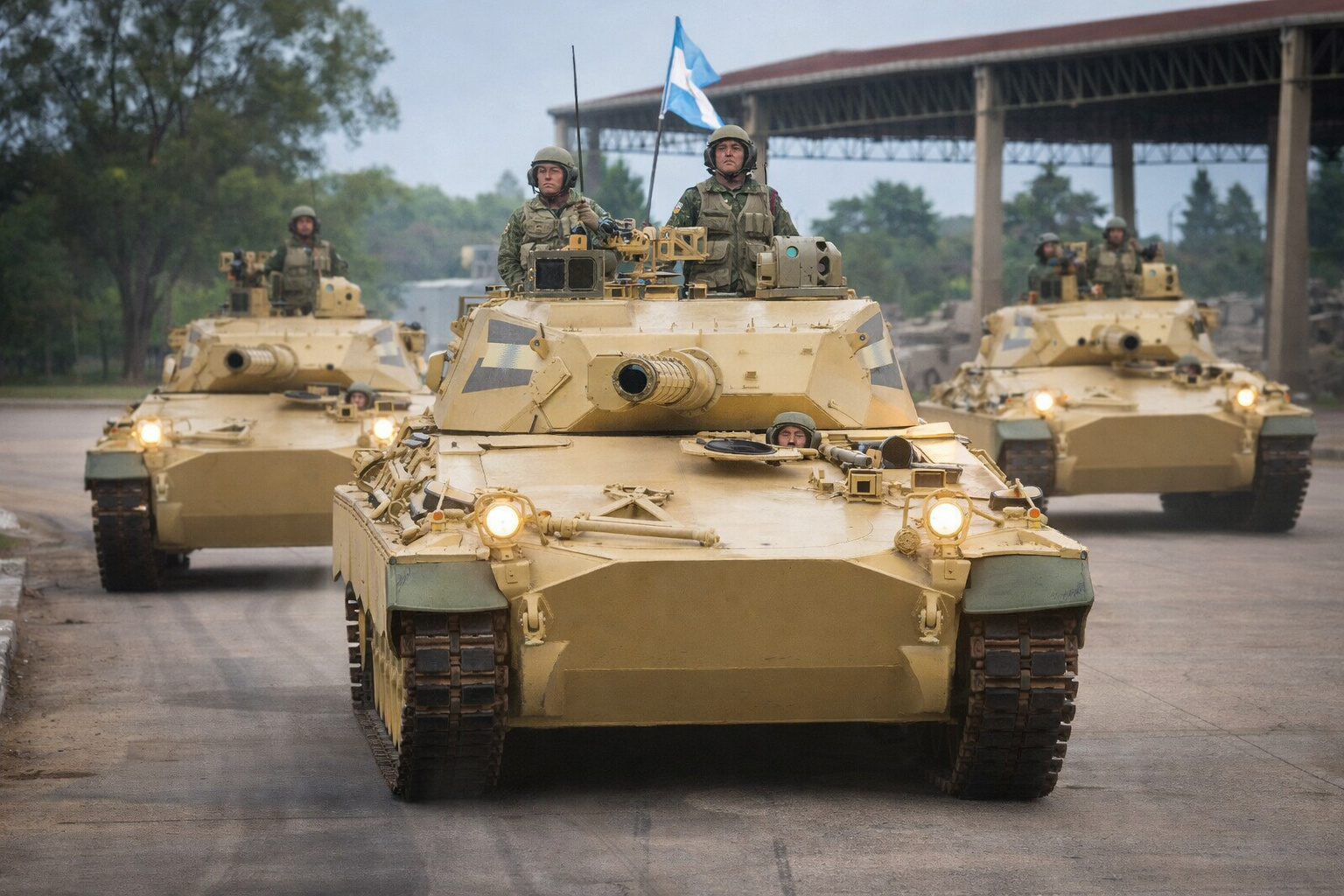
While no other country manufactures tanks in Latin America, Argentina activates the TAM 2C-A2 and raises a curiosity about the technological lag in the region.
-
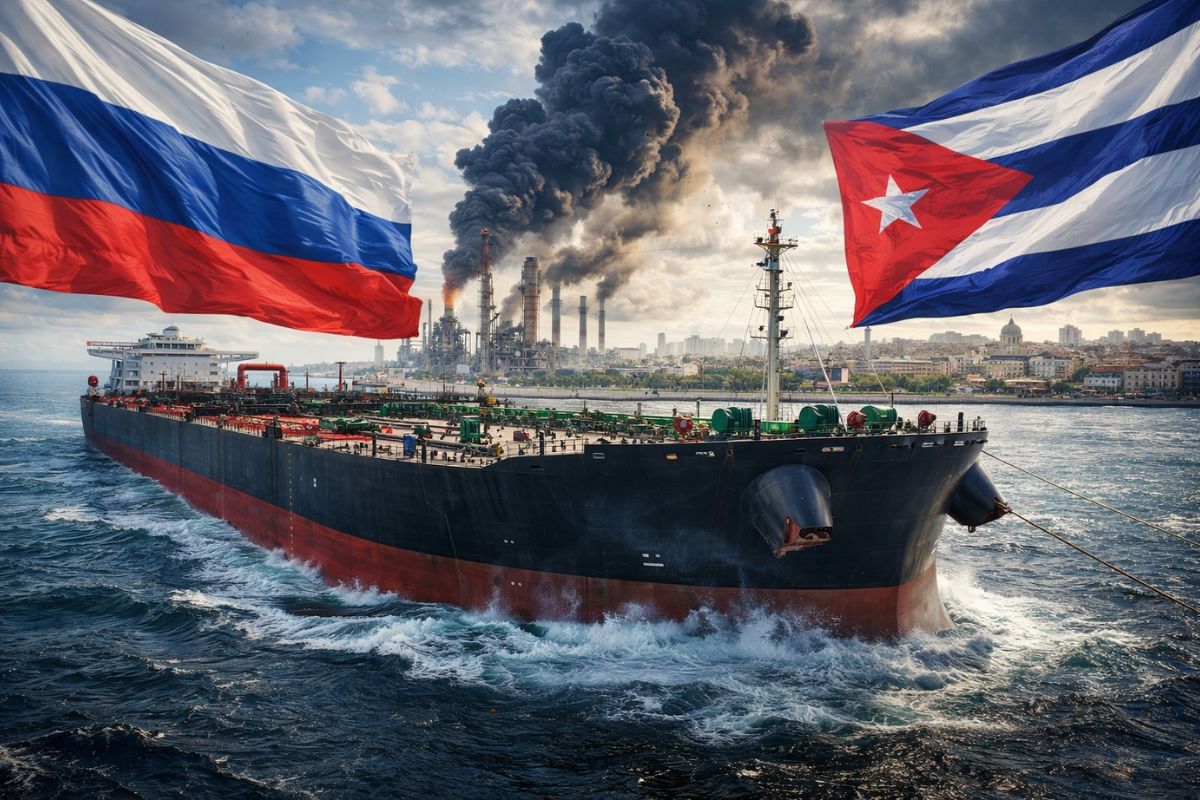
A Russian ship with 730,000 barrels of oil has just arrived in Cuba while Mexico negotiates fuel sales through private companies: the communist island is desperately seeking alternatives after losing its supply from Venezuela due to American military action.
-
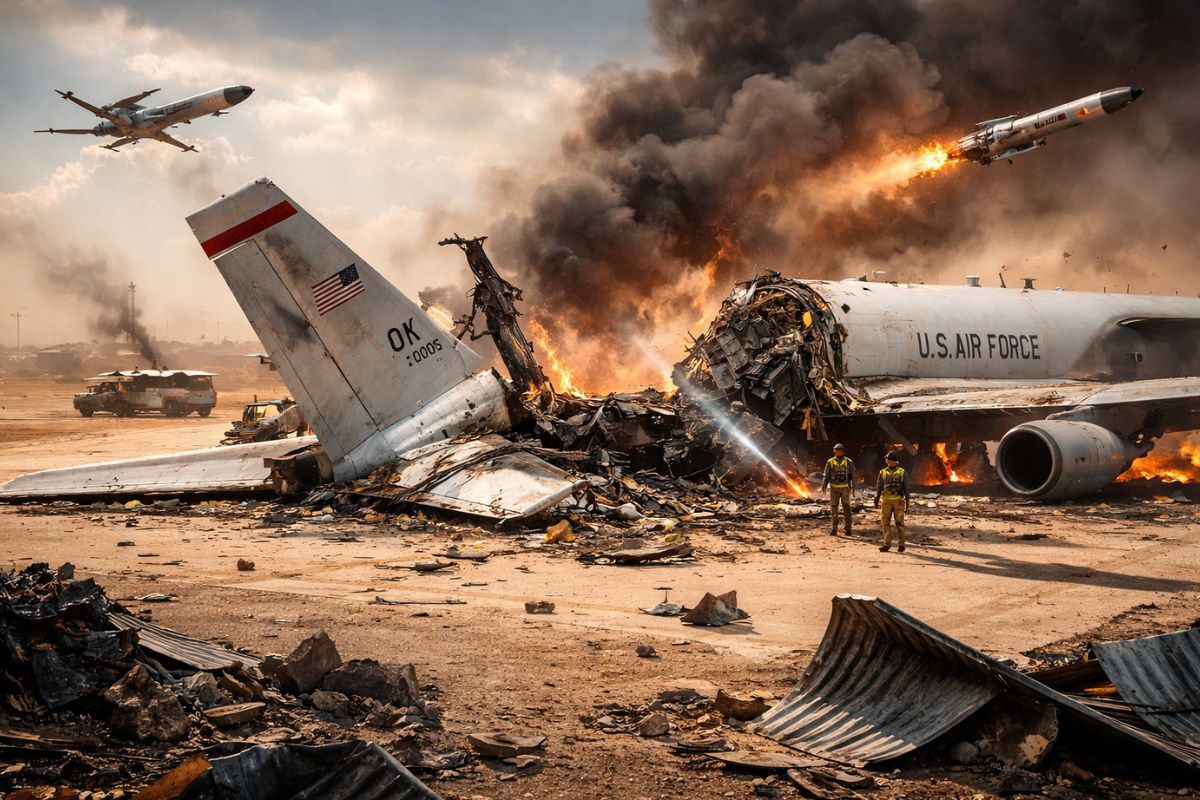
Iranian drones and missiles destroyed a 270 million dollar American spy plane in Saudi Arabia, splitting the E-3 Sentry aircraft in half and injuring 12 military personnel in an attack that exposes the vulnerability of U.S. bases in the Persian Gulf.
This reading did not arise from an isolated episode. Since the large-scale invasion in 2022, the recurring interpretation is that Moscow seeks to subordinate all of Ukraine and restore influence over areas that have already been under Soviet orbit, including in regions now linked to NATO’s defense system. When different services reach similar diagnoses over long observation cycles, the alert gains technical density, not just political weight.
At the same time, there is a narrative dispute in Washington. The negotiating wing linked to Donald Trump argues that Putin would be more inclined to finalize an agreement, while intelligence analysts highlight the inconsistency between rhetoric and practice. In military and territorial practice, Russian behavior does not signal renunciation of broader goals, and this contrast has become the core of the disagreement over what might constitute a viable peace.
Ukraine on the Map: 20% Under Russian Control and Territorial Stalemate
The most objective data of the crisis is territorial: Russia controls about 20% of Ukraine, including almost all of Luhansk and Donetsk, extensive areas of Zaporizhia and Kherson, as well as Crimea. This does not only represent the occupation of physical space. It is a corridor with industrial, logistical, and geopolitical value, capable of altering the regional balance for years if consolidated without security countermeasures.
When Putin formally declares that Crimea and four occupied provinces belong to Russia, he sets a negotiation line that makes any compromise agreement more difficult. The requirement for Kiev is equivalent to validating annexation by military force. For the European architecture, the effect would be even greater: accepting altered borders under coercion could set a precedent for new tests of strength on the continent.
In this scenario, pressure has increased on Volodymyr Zelenskiy’s government to accept concessions, including the withdrawal from areas in Donetsk still under Ukrainian control. The internal political cost of such a decision is extremely high. For a large part of Ukrainian society, conceding territory without robust guarantees does not end the conflict; it merely postpones it. The central question shifts from “how much territory is lost now” to “what war comes back afterward”.
Security Guarantees: Package Design and Its Fragilities
The talks facilitated by Trump’s inner circle, featuring names like Jared Kushner and Steve Witkoff, have progressed into a package of guarantees backed by the U.S. and discussed with Ukraine and European countries. Among the elements are the presence of security forces predominantly European in areas away from the front line, air patrols with American support, intelligence sharing, and potential ratification in the United States Senate. On paper, it is a multi-level deterrence system.
Another sensitive point is the size of the Ukrainian Armed Forces, mentioned at around 800,000 military personnel, with Russian pressure for further reduction. This discussion is both technical and political: limiting forces can facilitate escalation control, but it can also reduce future defense capacity. Without a balance between restraint and readiness, the guarantee can become formalized vulnerability.
Even with advancements, Zelenskiy questions the real effectiveness of these guarantees in light of a history of violations and Russia’s rejection of the presence of foreign troops in Ukraine. If Moscow does not accept verification and response mechanisms, a significant part of the package loses practical strength. A guarantee that does not alter the aggressor’s risk calculus functions more as a diplomatic symbol than as a strategic deterrent.
Current Capacity Versus Long-Term Strategic Intent
The Office of the U.S. Director of National Intelligence acknowledges that Russia, in its current state, does not have the immediate capacity to conquer all of Ukraine nor to launch a broad offensive against Europe. This point is essential to avoid simplistic alarmist readings. Today’s military capacity and tomorrow’s political intent are not the same variable.
The problem is that the absence of immediate capacity does not eliminate long-term plans. If the political objective remains expansive, a pause may serve to rebuild forces, adapt military production, and exploit Western political fatigue. In this logic, time becomes a Russian strategic asset: the greater the external fatigue, the lower the cost of new pressures. This is why intelligence and governments on the eastern front fear a fragile peace used as an operational pause.
The reference to recent territorial gains estimated by Putin, at around 6,000 square kilometers in the last year, reinforces this perception of goal continuity. If the advance on the ground coexists with negotiation rhetoric, suspicion of a dual tactic grows: negotiate to reduce external resistance while consolidating facts on the map. Without a mechanism that imposes an immediate cost for violations, the incentive to test boundaries remains.
What Is at Stake for NATO and Eastern Europe
For Poland and the Baltic States, the debate is not abstract. They appear repeatedly as potential areas of future pressure if Moscow exits Ukraine with consolidated gains and without robust containment. The critical point is not to predict an automatic invasion, but to understand the risk of gradual escalation through hybrid, coercive, and military means. The European strategic frontier begins with the credibility of what is accepted today in Kiev.
NATO enters the center of this equation because Putin has insisted on narratives of confrontation with the alliance while simultaneously denying a direct threat to Europe. This ambivalence reduces predictability. In international security, predictability is a stability asset; when it declines, the space for miscalculation and crisis grows. An incomplete agreement may reduce shots in the present, but increase uncertainty in the European defense system.
In the end, the discussion transcends Ukraine as an isolated theater. It touches on the basic rule of the post-Cold War order: borders should not be altered by force. If this rule weakens, the effect overflows to all of Eastern Europe. Therefore, the strategic question is not just “when does the war stop,” but “on what terms does it stop and who gains time from it”.
The convergence between the alerts from Finland and sectors of U.S. intelligence points to an uncomfortable reading: the end of the war may not be synonymous with the end of the threat.
If Putin’s objectives remain expansive, a peace without verifiable safeguards is likely to function as a tactical truce, not as a stable solution for European security.
I really want to hear your perspective: if an agreement were closed now with territorial concessions and indirect guarantees, do you believe that it would truly protect Eastern Europe or merely transfer the risk to the coming years? What condition, in your opinion, should be non-negotiable in such a pact?





Seja o primeiro a reagir!