





 Portuguese
  English
  Spanish
  3 min of reading
  0 comments


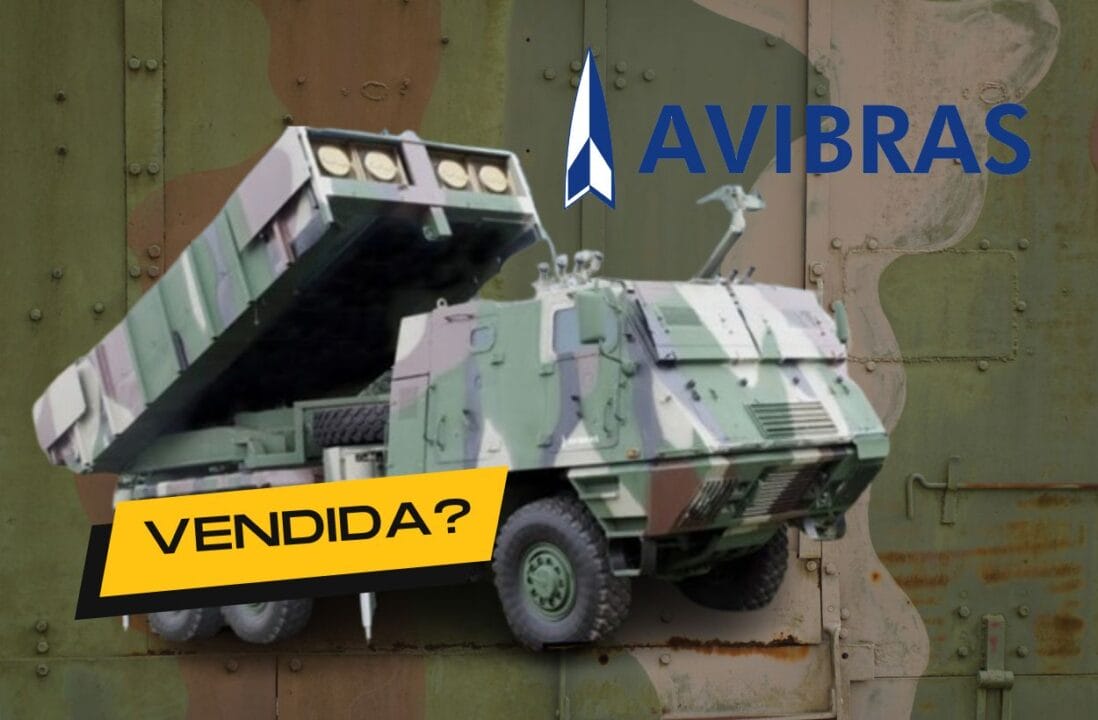
Brazilian Defense Company Avibras, Creator of the Astros and AV-MTC 300 Systems, Will Be Sold to an Australian Corporation, Triggering Concerns About the Future of Innovation and Technological Sovereignty in Brazil in the Defense Sector.
The renowned Brazilian defense company, Avibras, known for its innovation in artillery systems such as the Astros 2020, is about to be acquired by a corporation from Australia. This decision, disclosed by Portal DefesaNet, emerges as a solution to Avibras’ ongoing financial crisis, exacerbated by the pandemic, resulting in the layoff of 400 employees in 2022.
Founded in 1961, Avibras has distinguished itself in critical sectors such as aerospace, technology, and telecommunications, especially with the multiple rocket launcher Astros, renowned in the 1980s during conflicts in the Middle East. The commercial success of the Astros, particularly with sales to Iraq and Saudi Arabia, catapulted Avibras onto the global stage, enabling the development of advanced technologies, such as the tactical cruise missile AV-MTC 300.
Consequences of the Sale of Avibras to Australia


The acquisition by the Australian company, authorized by the Brazilian government, raises concerns about the fate of Avibras’ innovations, such as the AV-MTC 300 missile and the Astros 2020 system. With the transfer of ownership, there is a risk of loss of technical knowledge and expertise, threatening autonomy and future development of the Brazilian defense sector.
-
An aquatic seed consumed for centuries in Asia is going viral in the West after studies highlighted its antioxidant compounds and potential anti-inflammatory properties. It pops like popcorn, has low fat content, and is already being called the new functional snack.

-
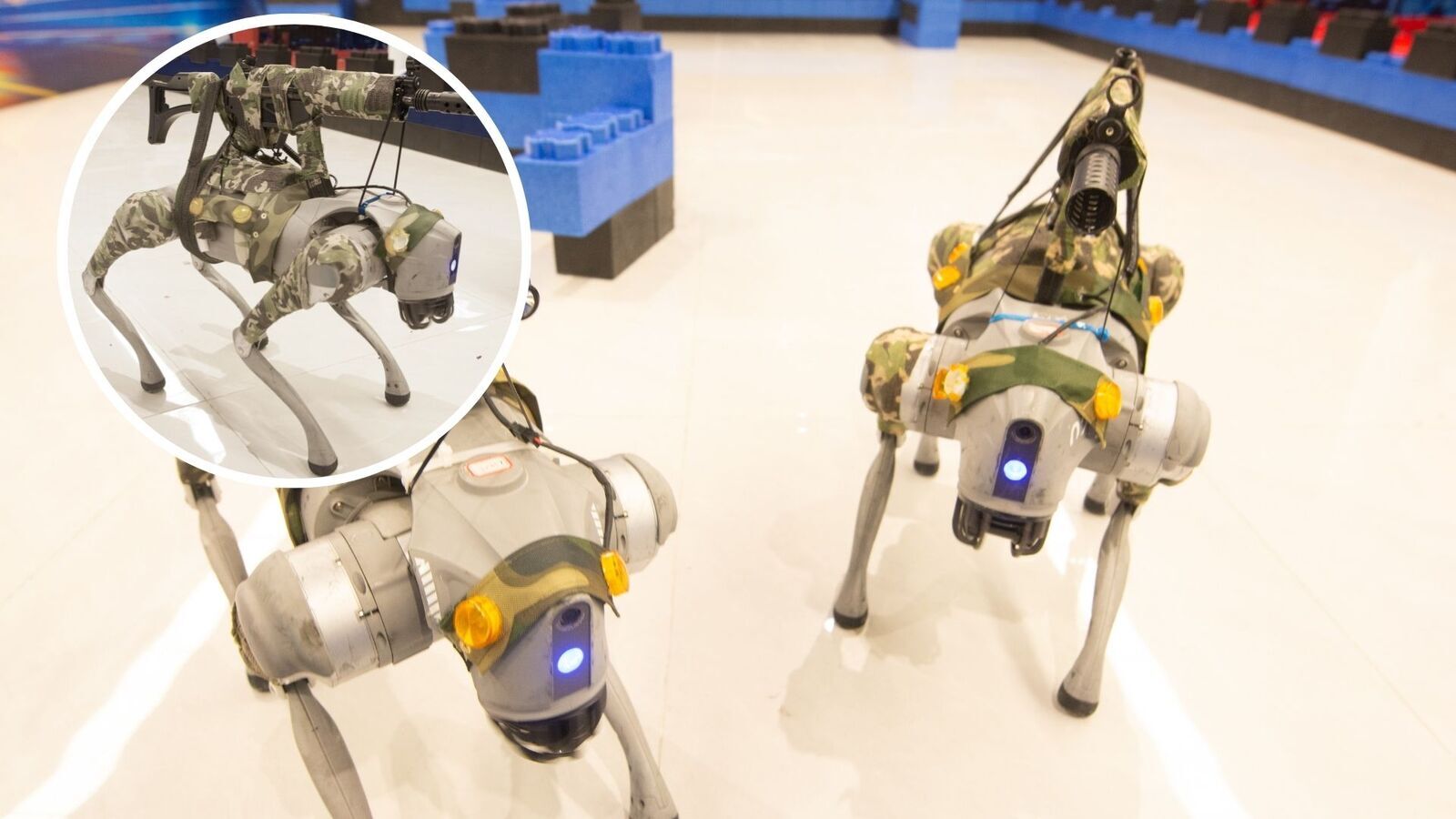
China showcases robot dogs that act in groups like a coordinated pack, make decisions together, and could change the way modern wars operate.
-
The coldest seawater ever recorded in Earth’s history was hidden under extreme ice 717 million years ago and reached an impressive -15°C.

-
China has launched the world’s first floating artificial island, a scientific structure designed to face open seas, test equipment weighing hundreds of tons, and reach depths of 10,000 meters.


Although there is no official confirmation from Avibras about the sale, the market speculates that the transaction may finalize soon. The scenario is one of uncertainty regarding the continuity of strategic projects and the maintenance of production in Brazil, with possible implications for job loss and technical know-how.
Astros 2020 and the AV-MTC 300 Missile from Avibras

Avibras’ strategic projects, such as the Astros 2020 and the AV-MTC 300 missile, may undergo a transition similar to what occurred with the Mansup, which was relocated to another national company after the sale of Odebrecht Defesa e Tecnologia to Elbit Systems.
If the sale of Avibras is finalized, the cruise missile project AV-MTC 300, whose intellectual property belongs to the Brazilian Army, could be transferred to another Brazilian company, thus maintaining continuity and technological development within the country. On the other hand, the status of the Astros 2020 system, belonging to Avibras, will depend on the conditions negotiated in the sale and the acquiring company’s interest in continuing investment and development of these projects in Brazil.
Despite Progress, There is the Company’s Financial Crisis
The extent of Avibras’ financial crisis, a renowned company in the defense industry, is notable, as is its eventual sale to an Australian company. This represents a significant shift in the Brazilian defense landscape, indicating profound challenges in the sector and possible repercussions on the country’s technological sovereignty.
It is surprising to see a company that played a crucial role in the development of national defense technologies, such as the Astros system and the AV-MTC 300 missile, facing such difficulties that it is being sold to a foreign entity. The sale of Avibras to Australia marks a critical point for Brazil’s defense industry, highlighting the need for strategic assessment of the long-term consequences for the sector and national sovereignty in defense technologies.








-

Uma pessoa reagiu a isso.