





 Portuguese
  English
  Spanish
  3 min of reading


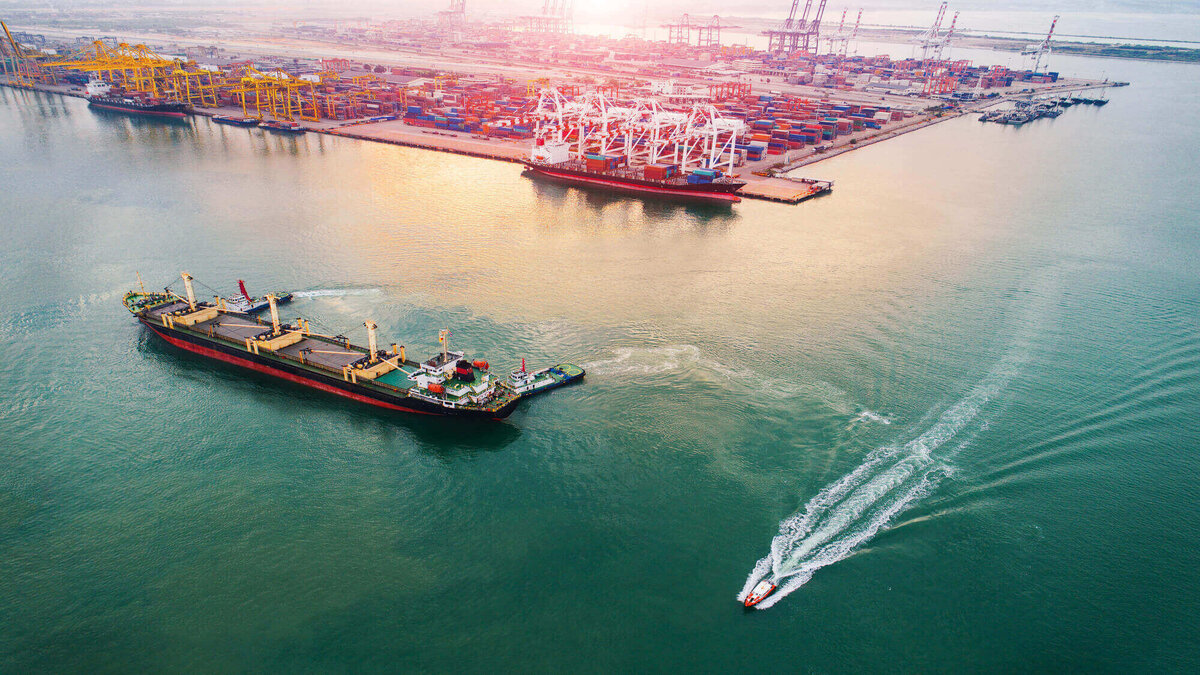
With the exclusion of the charges for the wharfage fee in the calculations of the import tax on freight at Brazilian ports, the Ministry of Economy is projecting a revenue of R$ 307.5 million by the end of 2022 with the take of the decision.
For this Monday, (06/20), the Ministry of Economy has good projections for the Brazilian port sector, with an estimate of monetary revenue of R$ 307.5 million, caused by the end of the wharfage fee in the import tax on freight in the country. Thus, the take of this decision should strongly benefit the national market by the end of 2022 with even more funds for the national complexes.
Ministry of Economy Projects Revenue of R$ 307.5 Million at Brazilian Ports Caused by the End of the Charges for the Wharfage Fee in the Import Tax on Freight
During the early days of June, the Federal Government announced the end of the charges for the wharfage fee in the import tax on freight in Brazil, to ensure the reduction of import costs of these goods at Brazilian ports to further boost operations in the current scenario. And, a few days after the take of this decision, projections for the future in the Brazilian port sector are getting better and better.
This is because the Ministry of Economy expects that the exclusion of the wharfage fee from the import tax on freight at Brazilian ports will bring the country a revenue of R$ 307.5 million by the end of 2022.
-
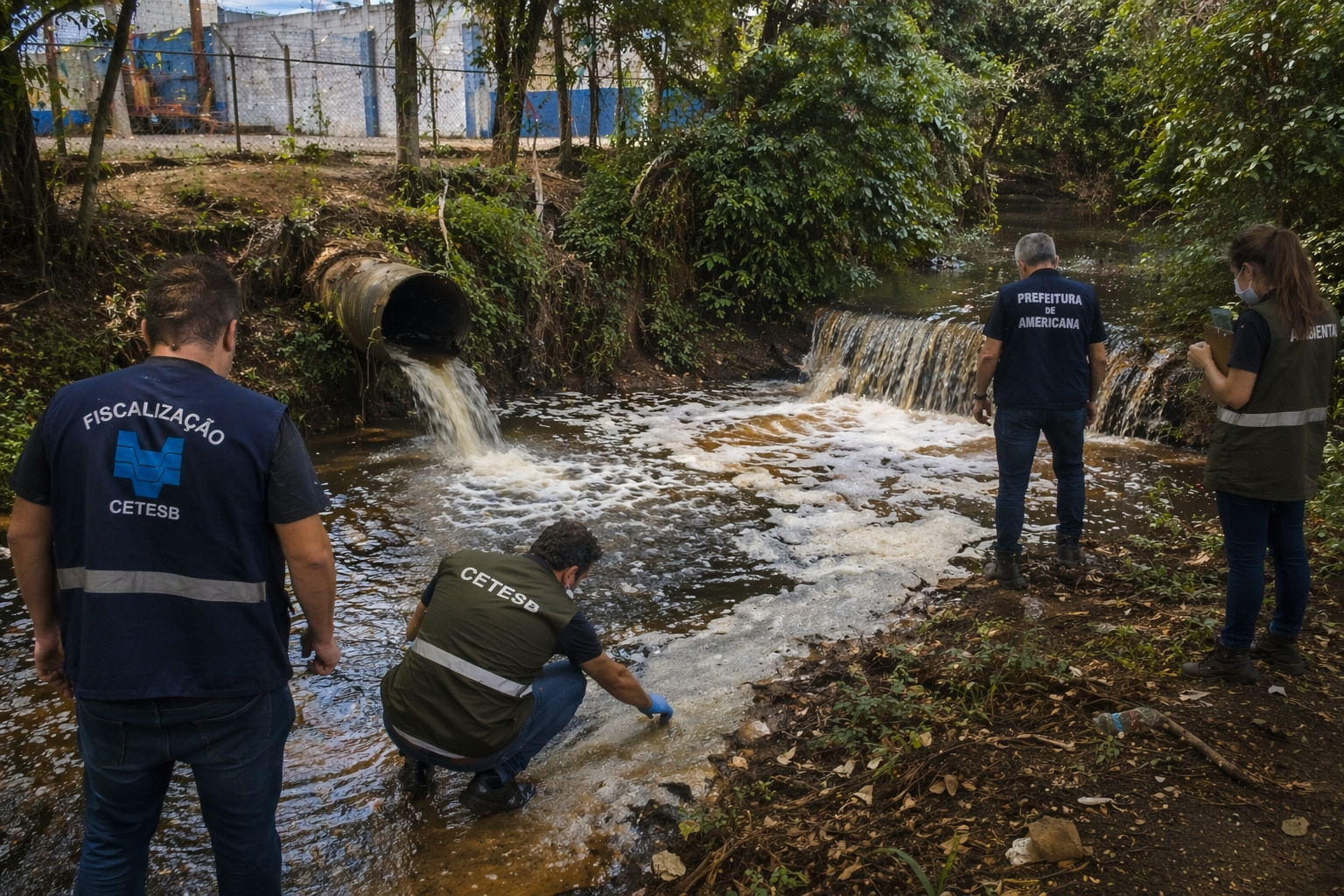
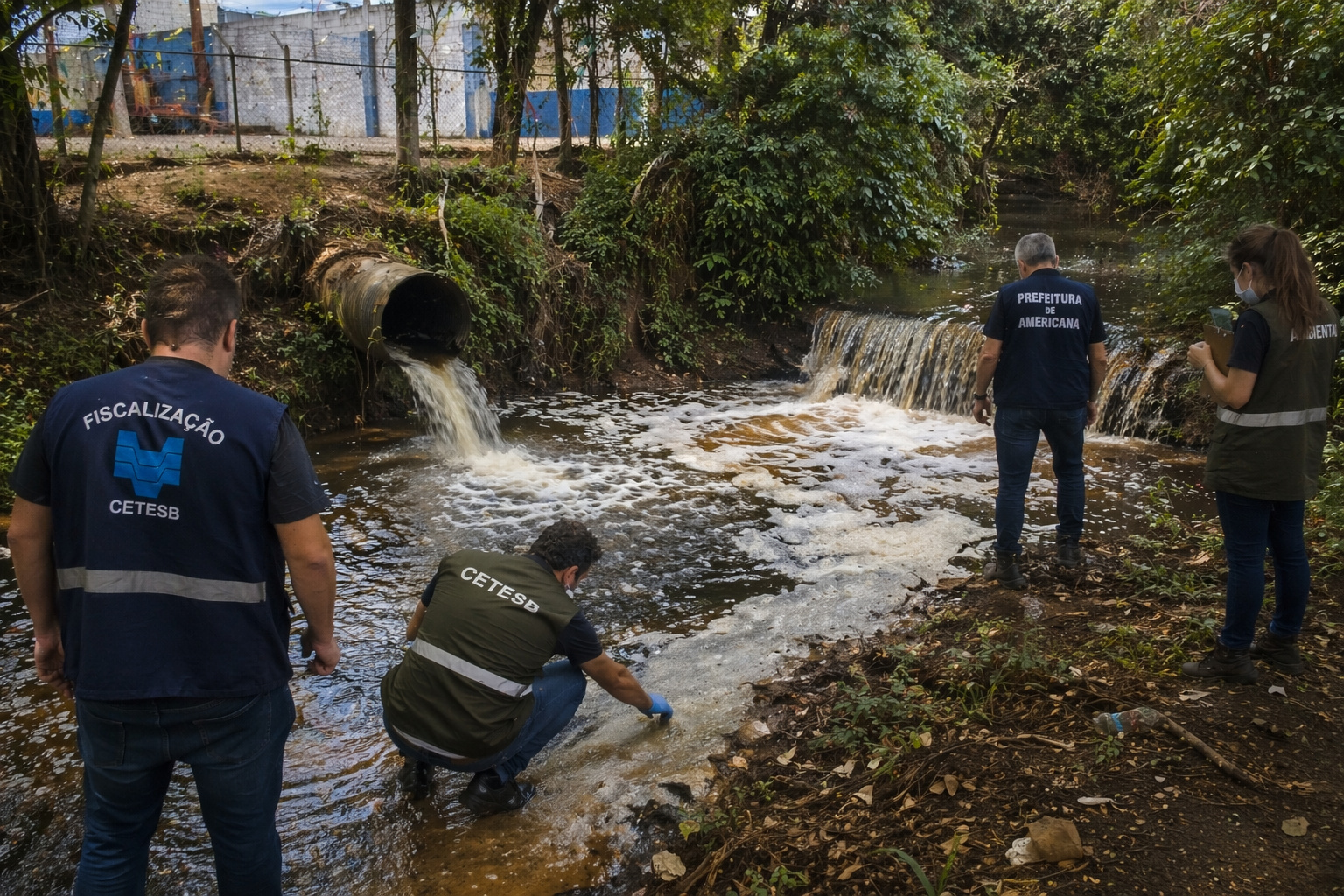
A fine of R$ 115 thousand places Goodyear at the center of an environmental case in Americana after oil and grease appeared in a stream and the company was required to act quickly.
-
A fine of R$ 115 thousand puts Goodyear at the center of an environmental case in Americana after oil and grease appeared in a stream and the company was forced to act quickly.
-
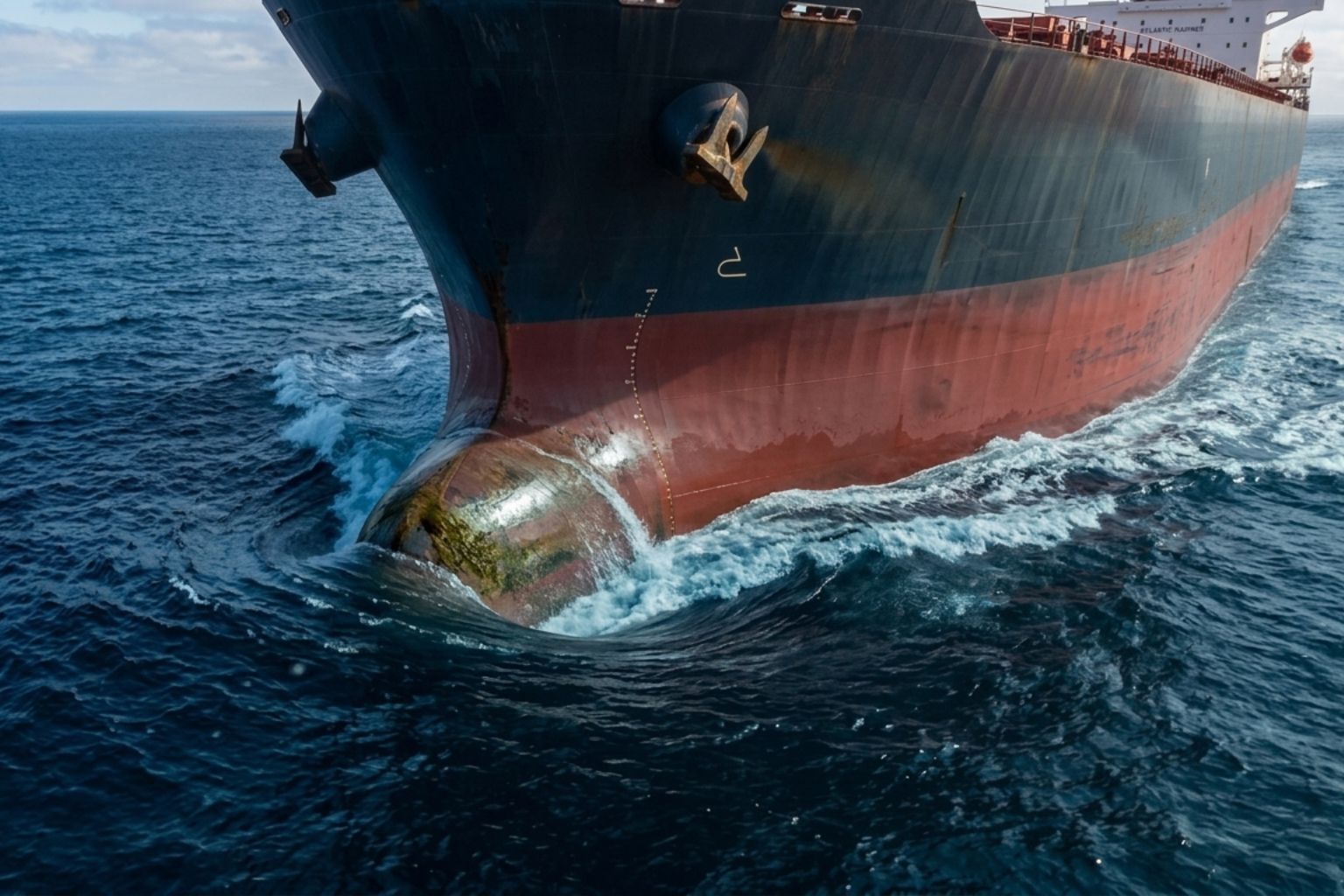
A hidden metal piece in the bow redesigns the water flow, reduces drag, and can save over 10,000 tons of fuel per year; this invisible solution allows giant ships to cut millions in costs without changing engines or routes.
-
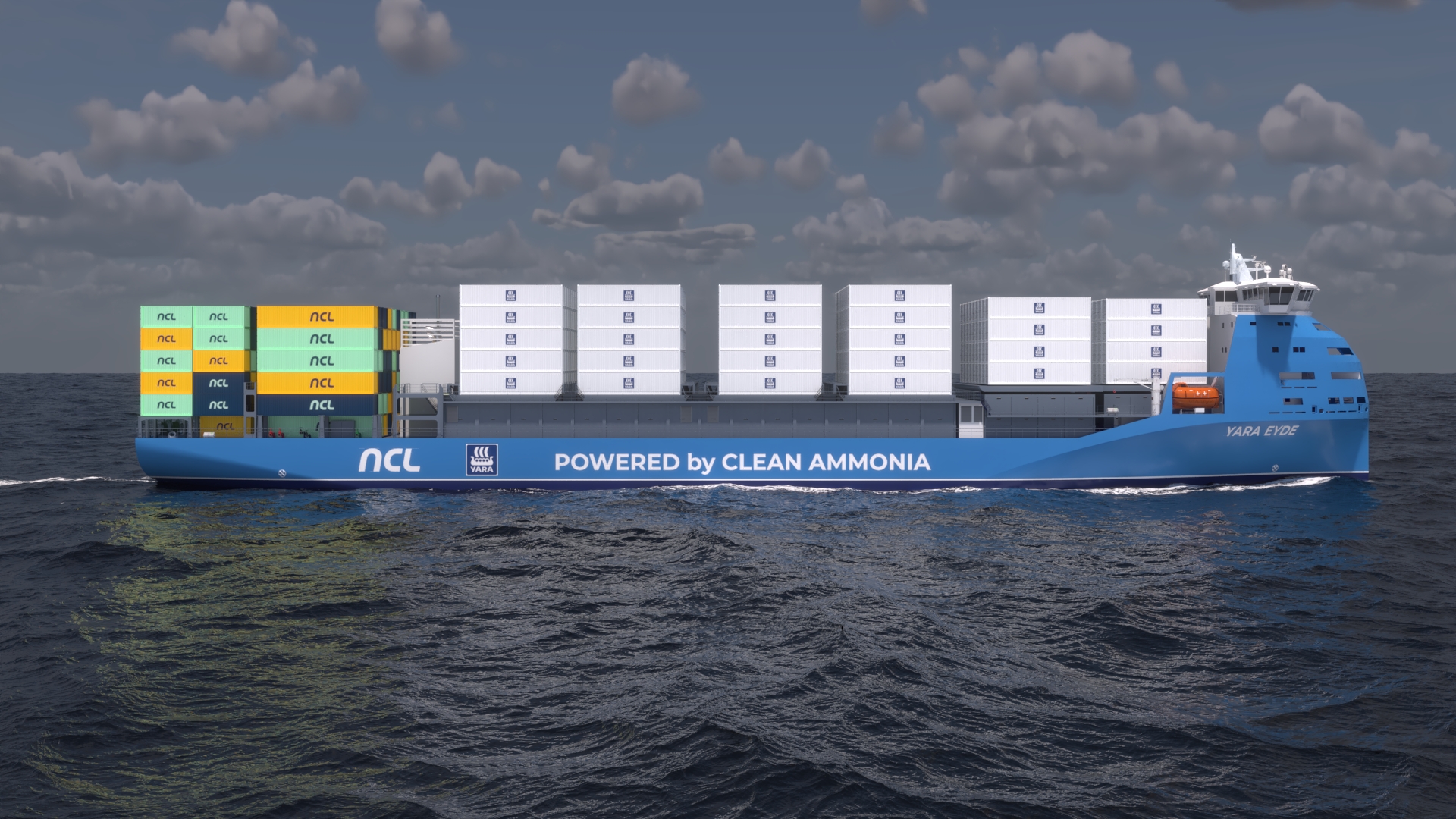
The world’s first container ship powered by renewable ammonia promises to avoid around 11,000 tons of CO₂ per year. The vessel, scheduled to operate in 2026, will connect Norway, Germany, and the Netherlands on one of the shortest and most strategic routes in Europe.
According to the Ministry’s projections, the amount is expected to nearly double in the following year, and the estimated revenue loss in 2023 is R$ 685.63 million, in addition to the fact that the removal of the fee represents a reduction of up to 1.5% in import costs.
However, the Federal Government is still not satisfied with the reduction in import costs in the country and aims to ensure even more tax benefits in the tax so that the entry of freight into Brazilian ports becomes even more accessible.
Thus, the Ministry of Economy reinforced its position in a recent statement saying that it will continue taking measures to guarantee a cross-commercial opening of the economy, with positive impacts on competitiveness and the integration of the country into global trade flows.
Exclusion of the Wharfage Fee from the Import Tax Ensured Cost Reduction for Operations and Will Bring Benefits to the Final Consumer in the National Market
According to projections from consultant GO Associados, Cícero Júnior, the exclusion of the wharfage fee from the import tax will make it cheaper to carry out this type of operation and will bring benefits to the final consumer.
Cícero states: “The tax was impacting port movement costs. In theory, it will become cheaper to import. We depend on industrialized products; we import many inputs for various sectors, and this can consequently be passed on in the form of cost reductions to users. Products will tend to have a slight decrease in prices.”
Thus, the removal of the amount in the tax will also place Brazil on a different level in the international market, as the country was the only one in Mercosur to consider the wharfage fee in this value. Moreover, the country’s port sector will feel a great impact from the decision, as it is expected to boost new import businesses at Brazilian ports over the coming months.
Thus, the Ministry of Economy and the Federal Government continue to seek measures to make the country even more relevant in the international port scenario and ensure the maintenance of Brazil’s leadership in cargo trade through its ports.







Seja o primeiro a reagir!