





 Portuguese
  English
  Spanish
  3 min of reading
  0 comments


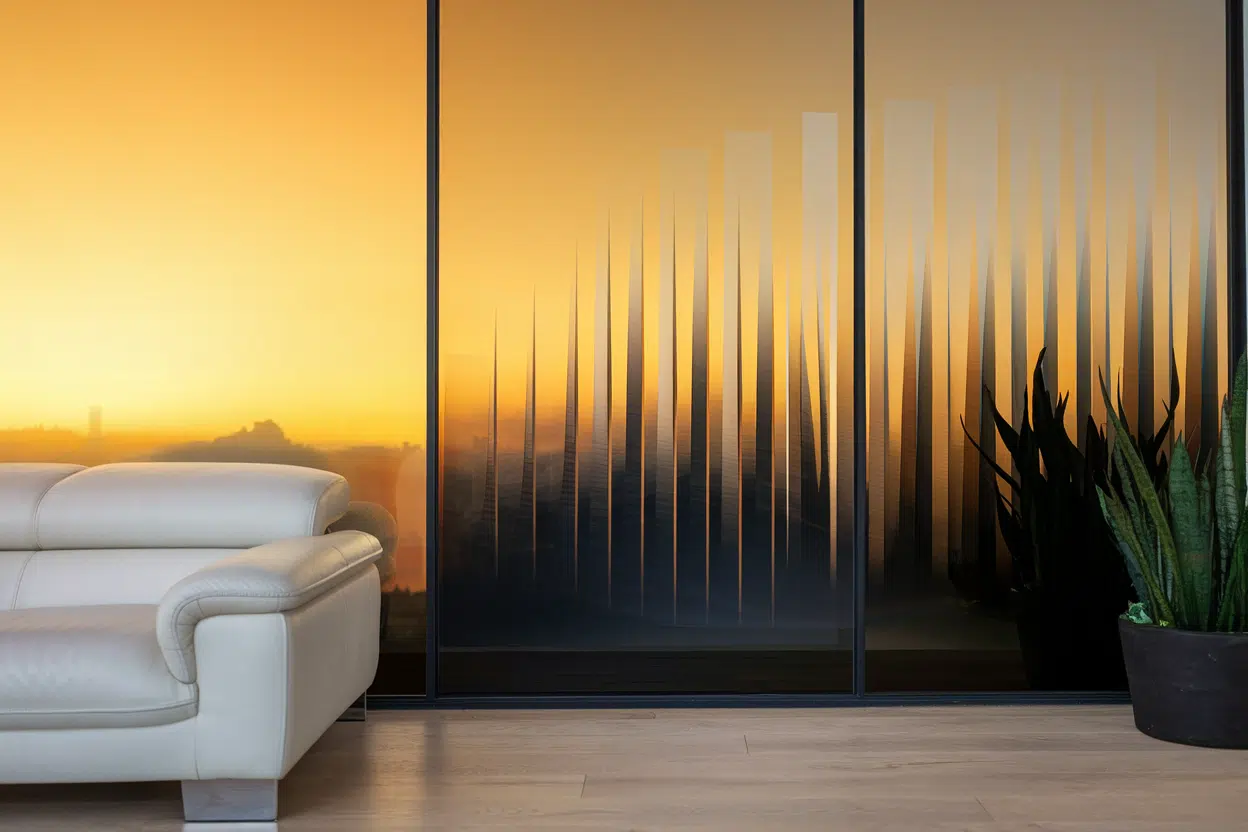
Windows That Adapt to the Heat of the Day, Keeping Interiors Cool Without Additional Energy: The Innovative Development from Rice University
Thermochromic material technology is proving to be a promising solution for temperature control in indoor environments, offering an energy-efficient alternative. Researchers at Rice University have developed a smart material capable of adjusting its transparency according to temperature changes, overcoming the limitations of similar materials available on the market.
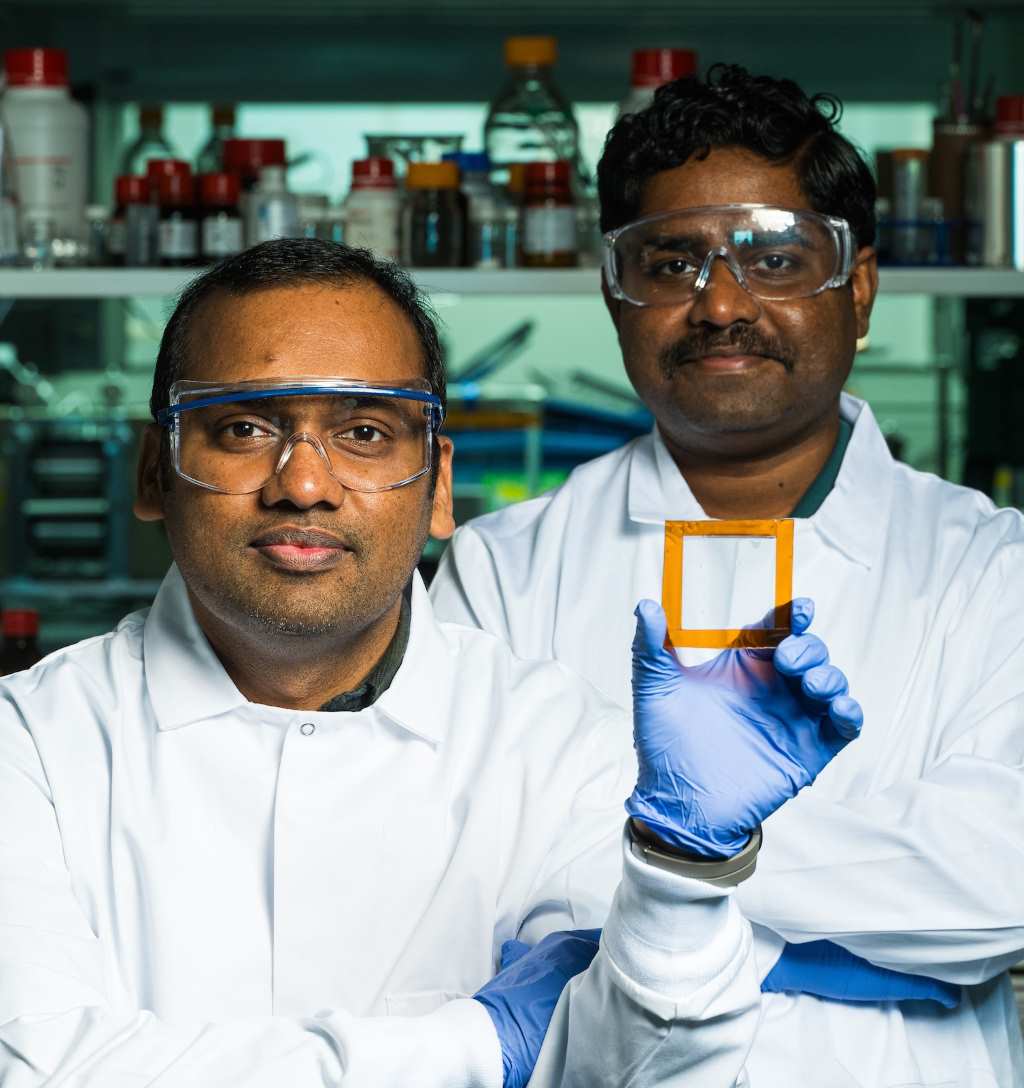
This new material, an advanced blend of polymers, promises to significantly improve energy efficiency by cooling indoor spaces, according to a study recently published in the journal Joule. The innovation not only makes spaces more comfortable but also contributes to reducing energy consumption and carbon emissions, a critical issue in a world where global warming and climate change intensify.
Environmental Impact and Sustainability
Air conditioning, while essential in many climates, already accounts for approximately 7% of global energy consumption and 3% of carbon emissions. As global temperatures continue to break records and heatwaves become more frequent, the search for more sustainable and efficient temperature control methods becomes increasingly urgent. One proposed solution is the use of windows coated with materials that block heat entry without sacrificing brightness.
-
Marine fossils found at over 8,800 meters altitude on Everest and in large mountain ranges have proven that entire continents move, oceans disappear, and tectonic plates collide over millions of years, revolutionizing science in the 20th century.

-
What if the Sun disappeared suddenly? Simulation shows Earth in darkness within minutes, extreme cold, and rapid collapse of life on the planet.

-
A 2,400-year-old iron foundry has been discovered in Senegal with 100 tons of slag, 35 furnace bases, and signs of nearly eight centuries of continuous metallurgical activity.

-
Four humans are flying towards the Moon inside the Orion capsule launched by the SLS rocket, and on April 6, Artemis II will disappear behind the far side of the Moon without communication with Earth for nearly an hour.


Thermochromic materials emerge as a viable solution, but until now, their high cost and short durability have limited their widespread application. The team at Rice University, led by renowned researcher Pulickel Ajayan, developed a system of blended salt polymers that overcomes these barriers, making this technology a viable and accessible option for buildings and vehicles, among other applications.
Benefits and Practical Applications
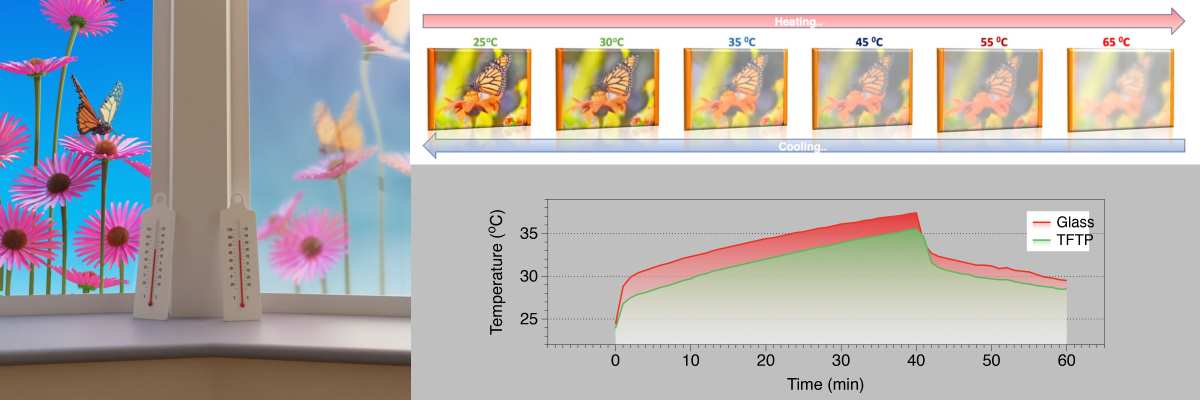
Imagine a window that automatically becomes less transparent as the day gets warmer, helping to keep indoor environments cool without the need for additional energy. This is the promise of the new material developed by engineers at Rice. According to Sreehari Saju, co-author of the study and a doctoral student in materials science and nanoengineering, this technology utilizes organic and inorganic components to overcome the limitations of current thermochromic materials, such as short lifespan and high costs.
Moreover, the thermal response of this material is tailored to real-world environmental needs, meaning it can be implemented in various regions with different climates. Smart windows made with this material could thus significantly reduce energy consumption in buildings, resulting in substantial savings in energy costs and a considerable reduction in carbon footprint.
Research and Development
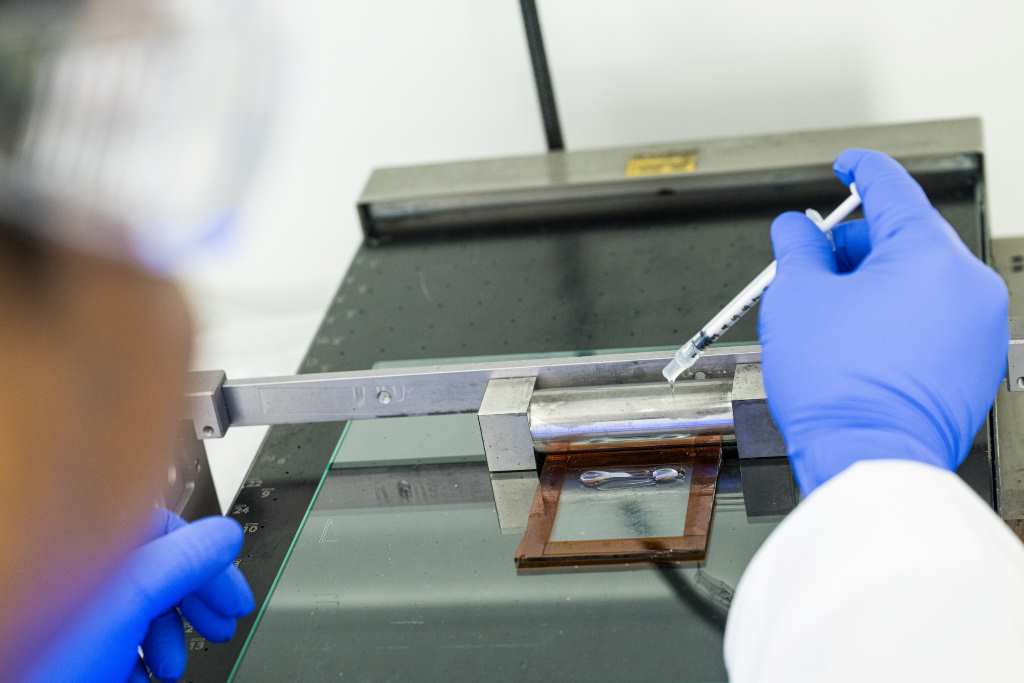
To fully understand the potential of this thermochromic material, the researchers combined experimental methods with computational simulations, assessing the material’s performance in different urban environments around the world. This unique approach allowed the team to identify the potential impact of the technology when implemented on a large scale, providing valuable insights for its practical application.
According to Anand Puthirath, a research scientist in Ajayan’s group and co-author of the study, the combination of materials and techniques used in creating this new thermochromic material had never been explored before. The team conducted a series of experiments to characterize the properties of the materials, as well as rigorous environmental stability and durability tests. The results indicate that the new polymer blend not only outperforms existing alternatives but also has an impressive lifespan of 60 years, setting new standards for durability and performance for this technology.


The Future of Sustainable Architecture
The findings of this research represent a significant advancement in sustainable architecture, offering a practical and scalable solution to improve energy efficiency in buildings around the world. According to Pulickel Ajayan, the corresponding author of the study and a professor of engineering at Rice University, this innovation addresses a critical challenge in building sustainable environments, making it possible to implement efficient cooling technologies at scale.
As global society moves toward a more sustainable future, the demand for technologies like the thermochromic material developed by the Rice University team is only expected to grow. With the potential to significantly reduce energy consumption and carbon emissions, this innovation could become a key player in the fight against climate change, providing an accessible and effective way to keep indoor environments comfortable and energy-efficient.
More Information: rice.edu









Seja o primeiro a reagir!