





 Portuguese
  English
  Spanish
  6 min of reading
  0 comments


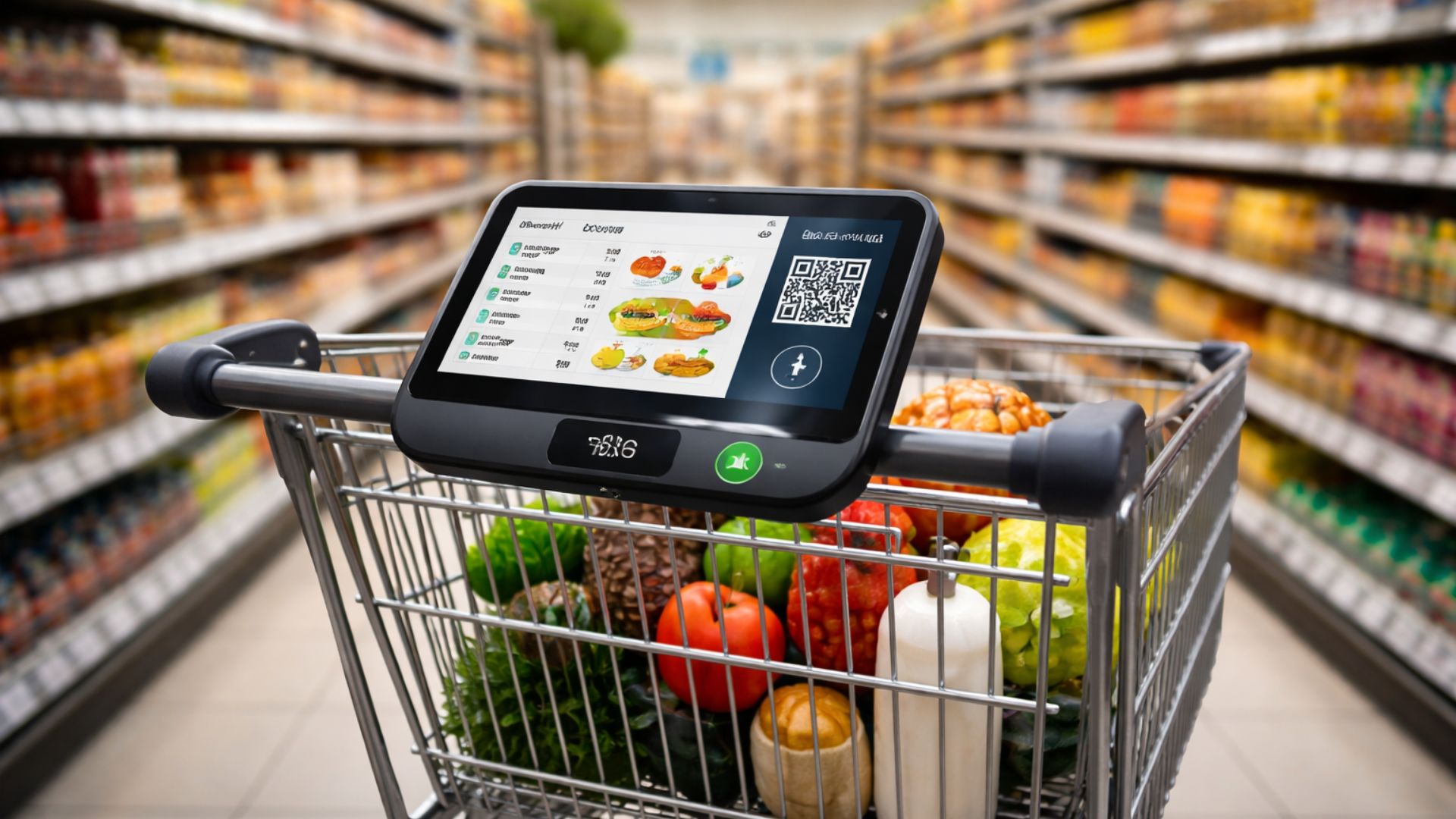
Cart Digitalization Advances in Global Retail, Integrates Payments, Data, and Real-Time Offer Customization, Alters Supermarket Routines, and Raises Debates on Privacy, Use of Consumer Information, and Model Adaptation to the Brazilian Market.
Supermarket carts that previously required coins to unlock are beginning to gain connected versions, with QR Code unlocking, contactless payment, and features that allow for tracking items added during shopping.
In different countries, manufacturers and chains have been testing models that replace the metal “piggy bank” with digital systems linked to apps, registrations, and loyalty programs, opening up space for personalized offers and consumer behavior analysis.
The change is particularly strong in European markets, where the use of coins to release carts is traditional.
-
New German Zeiss lenses arrive in Brazil promising to reduce mental effort by up to 90% and revolutionize the way we see amidst the excess of screens.

-
Scientific study identifies unique blood patterns that reveal the secret of individuals who surpass 100 years of age.

-
Princeton engineers create a flexible 3D-printed robot that eliminates motors and uses heat to perform complex movements.

-
Security alert: The proliferation of fake QR codes in public places facilitates financial scams and personal data theft.
The proposal, according to companies in the sector, is to maintain the incentive for returning the cart while simultaneously reducing friction for consumers who no longer carry physical cash on a daily basis.
In this logic, the deposit ceases to be a coin and becomes a value temporarily linked to the mobile phone or card, released after the cart is returned.
From Coin Vault to Digital Unlocking
In countries like Germany and Spain, the coin locking mechanism is part of the routine in many stores, as a way to organize carts and reduce abandonment in the parking lot.

What changes now is the way to unlock.
European manufacturers describe solutions where the same control mechanism can be migrated to digital alternatives, such as reward systems, integration with loyalty programs, and usage data collection.
The digitalization of the “deposit” is presented as a way to offer benefits and reinforce cart return without relying on physical cash.
In practice, recent initiatives also link unlocking to smartphones.
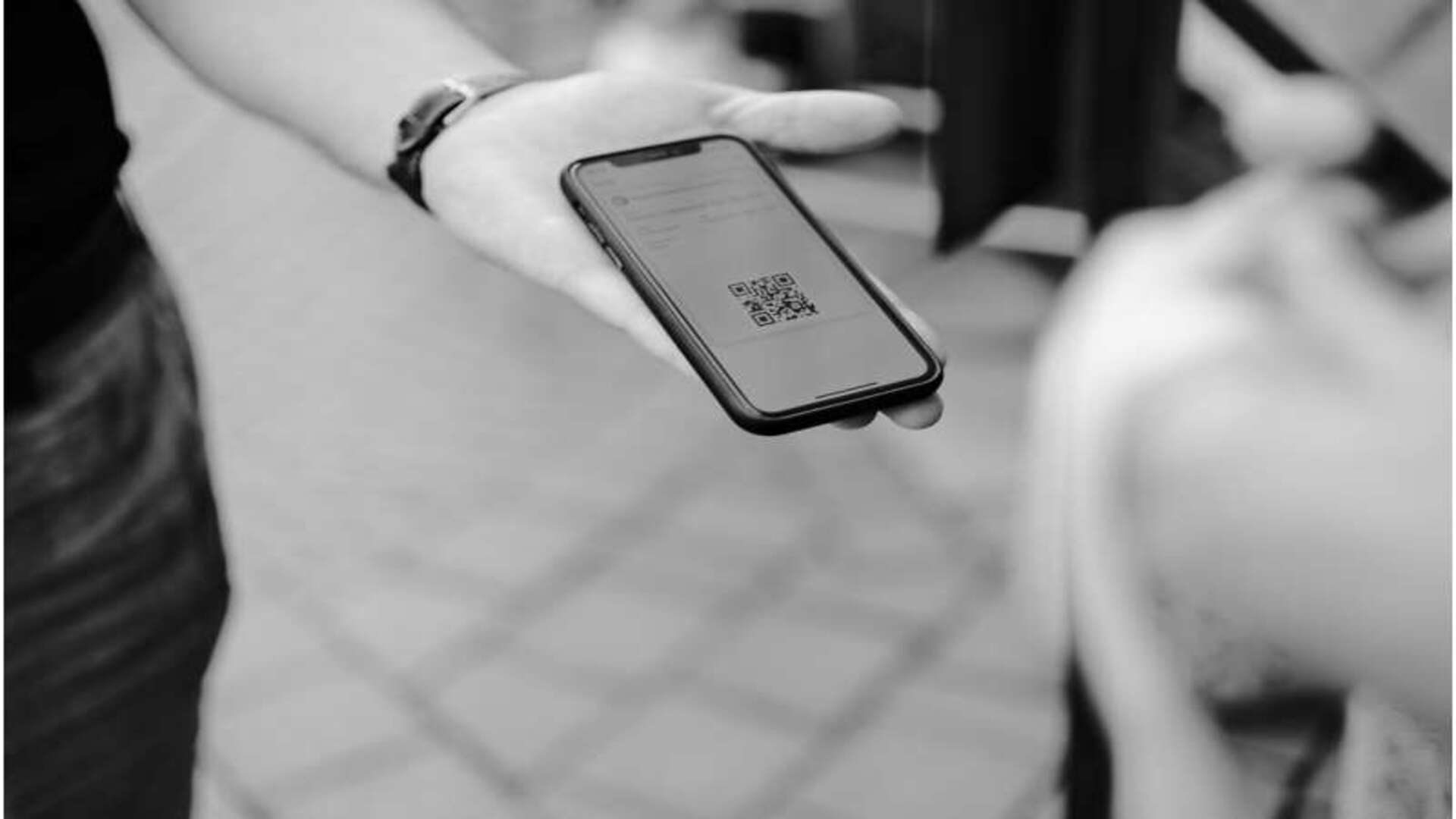
An example cited by an Australian outlet in 2021 describes a model where the consumer scans a QR Code on the cart to make a deposit and then receives the amount back when returning and locking the equipment again.
The proposal was publicized as an alternative to coins and, at the same time, as a way to track abandoned carts outside the designated area.
Smart Carts and Reducing Shopping Time
In addition to unlocking, another front involves “smart” carts with screens and sensors capable of recognizing or recording products during the journey.
Spanish press reports have described the arrival of carts with technologies such as NFC, QR codes, and integrated terminals, in some cases with the ability to automatically register items and allow payment without going through the traditional checkout.
These models connect to a broader trend of queue-free shopping, which includes everything from stores with automated payment to experiences where the consumer uses their own mobile phone to register what they pick from the shelves.
In 2021, for example, an initiative from a German chain was reported as a test for shopping with entry via QR Code and payment through the mobile phone, without the traditional step of scanning products at checkout, demonstrating how retail is trying to reduce steps in the process.
Still, the advancement of carts with sensors and screens does not imply a single standard.
Part of the experiences focuses on digital unlocking and cart logistics.
Another part aims for checkout automation, with item recognition and payment directly in the cart, using systems that can vary significantly from one chain to another.
Customer Registration and Personalized Offers via AI
The most sensitive layer of this transformation is the potential to associate the use of the cart with a customer profile.

When the consumer logs into the app, approaches a card, or identifies a loyalty account, the supermarket gains means to link that cart to a registration, connecting the store experience to the purchase history.
Companies that sell this type of technology describe that the cart’s intelligence can recognize added and removed items and allow the customer to “activate” coupons and receive recommendations on the screen.
In practice, this paves the way for personalized promotions based on consumption behavior and for the creation of databases that can later guide campaigns and pricing strategies.
This type of customization, common in the digital environment, is migrating to the supermarket aisle.
The promise is to “make physical retail behave like a website,” with tailored offers during the purchase.
At the same time, the change expands the volume of information collected inside the store, as it begins to capture not only what was purchased but also how the consumer moves about, what they put in the cart, and even what they return to the shelf, depending on the technology adopted.
LGPD and the Use of Data in Supermarkets
In Brazil, any advance of this kind goes through the rules of the General Data Protection Law, which defines parameters for the collection, use, and sharing of personal data.
The LGPD establishes that data processing must have a specific purpose and adequate legal basis, in addition to requiring transparency for the subject and proportional security measures against risks.
The law also provides rights such as access, correction, and deletion, within applicable hypotheses.
This means that a connected cart, when linked to a identifiable registration, may involve the processing of personal data.
In scenarios of offer personalization and consumption profiling, companies need to justify the legal basis, clearly inform what is being collected and for what purpose, and ensure governance over who accesses this information and how it is protected.
Guidance materials from the National Data Protection Authority and the legal text itself reinforce the distinction between data processing agents and responsibilities in the use of this information.
Paid Carts in Brazil and Adoption Challenges
Unlike parts of Europe, the use of carts without a coin deposit is more common in Brazilian chains, making paid unlocking a significant cultural change.
The discussion about adoption, however, still depends on public confirmation and the policies of each chain, in addition to factors such as equipment cost, maintenance, store adaptation, and consumer acceptance.
There are suppliers and retail sector content that describe the expansion of smart carts and initiatives of carts with QR Code and NFC, including examples of implementation in Brazil in recent years.
Information, however, varies by chain and is not always accompanied by detailed public documentation.
So far, there is also no secure confirmation, from an official source or verifiable announcement, that this model will “dominate” the Brazilian market by 2026, as suggested by the title’s forecast.
With digitalization accelerating payments and loyalty, the global movement is evident: carts cease to be just a mechanical accessory and begin to integrate data systems, offers, and automation.
The question in Brazil is not just technological but also regulatory and about consumer trust in how their purchase history will be treated inside and outside the store.
If the cart becomes a point of collection and real-time decision-making, what will be the acceptable limit between convenience and monitoring in the shopping experience?




-

-

-

-

-

-

272 pessoas reagiram a isso.