





 Portuguese
  English
  Spanish
  3 min of reading
  0 comments


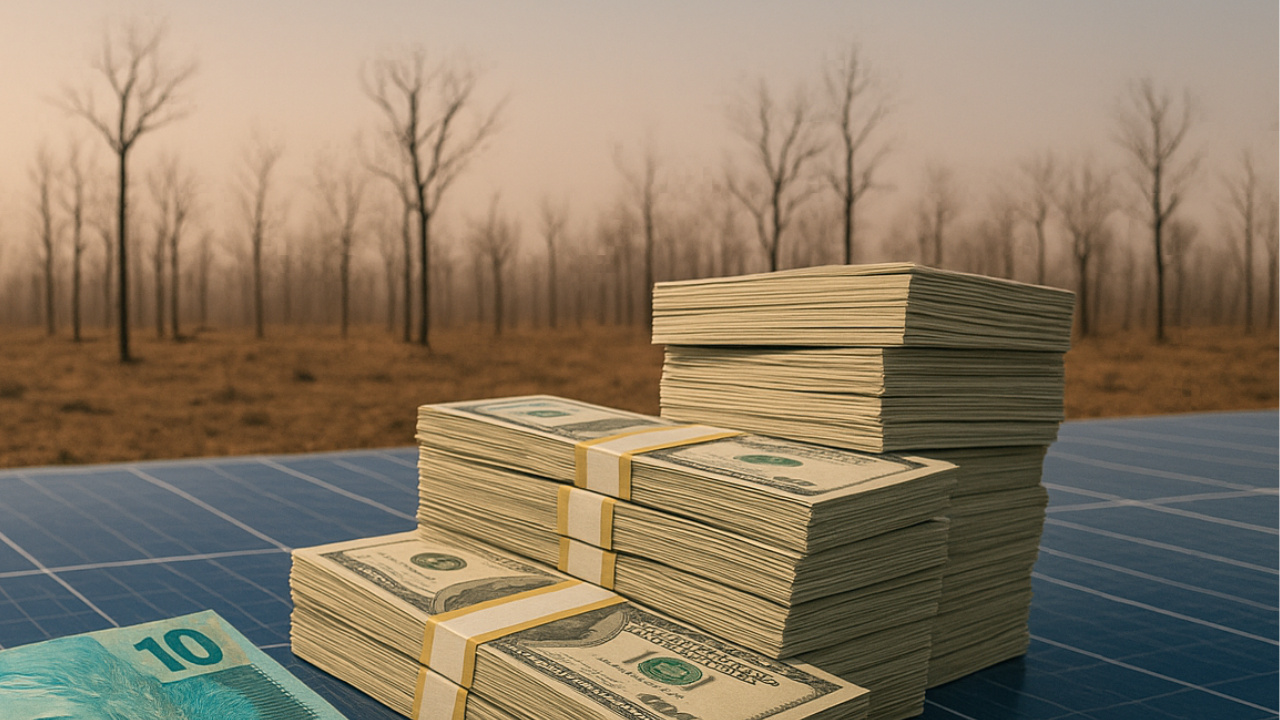
Climate Finance in Brazil More Than Doubled, Reaching US$ 67.8 Billion in 2023, Driven by the Energy Sector and Solar Generation Expansion, According to CPI/PUC-Rio Report.
The volume of investments aimed at climate actions in Brazil jumped significantly in recent years. According to a report released by the Climate Policy Initiative (CPI), linked to PUC-Rio, national climate finance reached US$ 67.8 billion in 2023, more than double the amount recorded in 2019.
According to the survey, this progress reflects the strengthening of policies aimed at energy transition and sustainable development, especially in the energy and agriculture and forestry sectors.
“In Brazil, mobilizing climate finance is crucial to achieving the country’s climate and development goals, promoting greater adaptation to climate change and reducing socioeconomic vulnerabilities,” highlighted Joana Chiavari, research director at CPI/PUC-Rio.
-
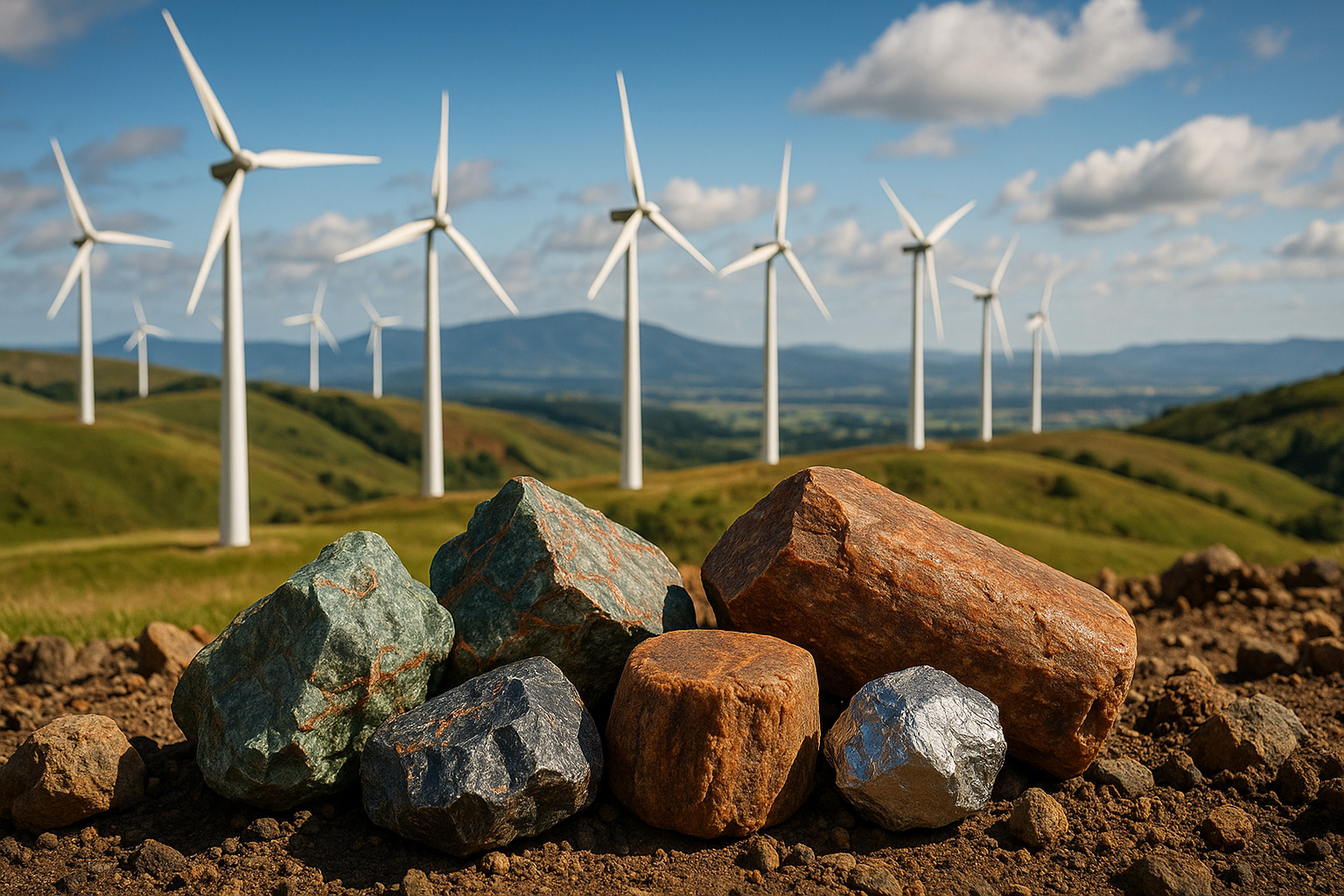
The Brazilian state accelerates industrial competitiveness with a focus on the extraction of strategic minerals to boost the energy transition in Goiás.
-
A Canadian retiree creates a hydroelectric system on a real river, generating energy continuously throughout the day and demonstrating how the power of water can supply a house with stability even in a simple structure.

-
Petrobras reaffirms its commitment to the market and ensures that it will carry out the energy transition safely to maintain national sovereignty.

-
Researchers discover a possible hydrogen deposit of up to 46 million tons beneath an ancient coal basin, and the volume could exceed half of the entire global production.

Energy Drives Growth with Solar Expansion and Record Investments
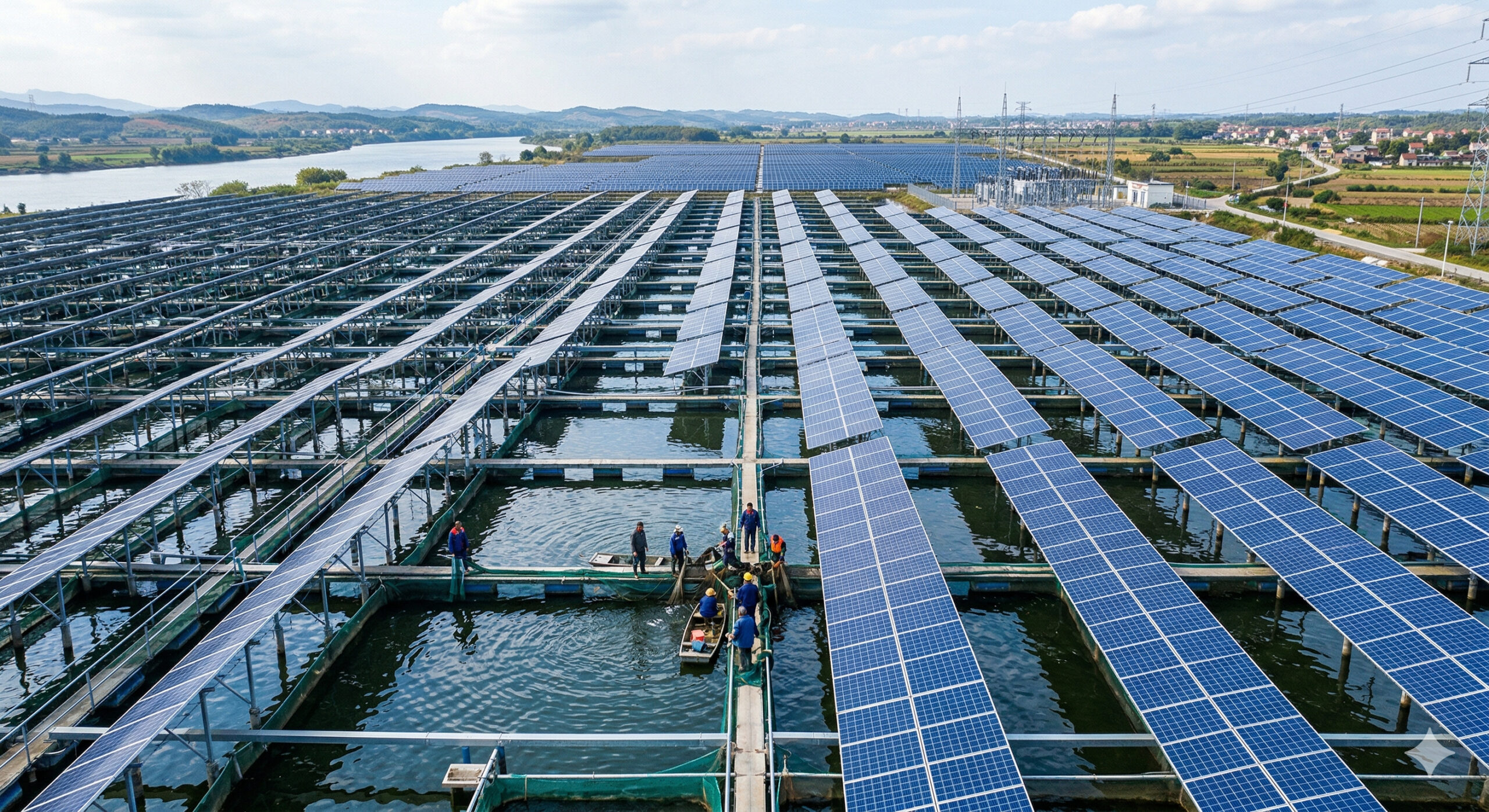
The energy sector was the main driver of increased investments. The study shows that solar generation was the standout, raising contributions from US$ 9.5 billion in 2020 and 2021 to US$ 22.4 billion in the following two years (2022 and 2023).
This surge reflects the advancement of renewable sources in the Brazilian power matrix, the decreasing costs of photovoltaic systems, and the growing adoption of distributed solar energy by companies and households. Additionally, incentives from BNDES and private banks spurred new energy infrastructure projects and the expansion of solar and wind farms.
Agroforestry Sector Also Grows, but Forests Remain a Secondary Focus
The survey also points out that the Agriculture, Forests, and Other Land Use (AFOLU) segment nearly doubled its resources, increasing from US$ 14.9 billion to US$ 28 billion between 2020 and 2023. Part of this increase is associated with the advancement of sustainable practices, such as agroforestry, low-carbon agriculture, and regenerative livestock.
However, the report draws attention to an imbalance: forests received only 1% of the total invested. The amount fell from US$ 1.5 billion in 2019 to just US$ 254 million in 2023.
“The low investment in the forestry sector reveals how their role in the climate agenda is still an underutilized opportunity. To progress in combating climate change, forests must be understood as central assets,” stated Juliano Assunção, executive director of CPI/PUC-Rio.
Private Sources Dominate Contributions and Show Decisive Role of the Financial Sector
The report reveals that domestic sources represented 90% of total investments between 2019 and 2023. Financial institutions, companies, and households were responsible for over two-thirds of the funds applied in 2022 and 2023.
In the public sector, the federal government and BNDES stood out as the main financiers, with an annual average of US$ 6.6 billion and US$ 7.2 billion, respectively.
The allocation of resources also demonstrates the country’s focus on reducing emissions: 79% of contributions were aimed at climate mitigation, while 7% were dedicated to adaptation and 11% to dual-purpose projects.
Losses and Damages Gain Relevance After Climate Tragedies
Although they still represent a smaller share of the total, investments in losses and damages have increased rapidly, rising from US$ 200 million in 2019 to US$ 2.2 billion in 2023. After the climate tragedy that hit Rio Grande do Sul in 2024, this amount reached US$ 8.1 billion, showing a new urgency in addressing environmental disasters.
For the Climate Policy Initiative, the mapping serves as a baseline to track whether investments will remain aligned with the Brazilian climate agenda, especially after the commitment made at COP29, which aims to mobilize US$ 300 billion by 2035.





Seja o primeiro a reagir!