





 Portuguese
  English
  Spanish
  4 min of reading
  0 comments


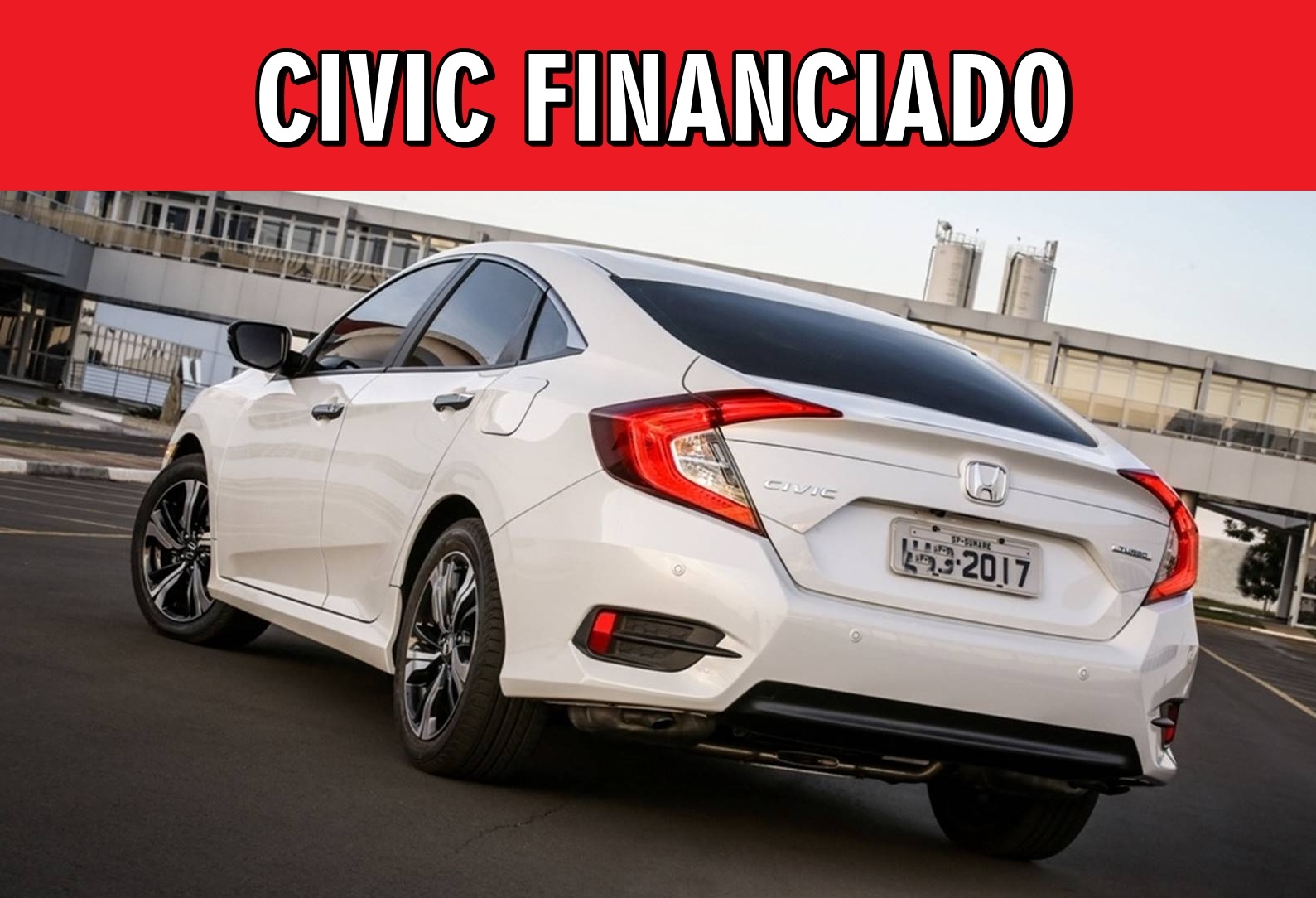
With the rise in prices of used cars, many Brazilians are turning to credit to make their dream of owning a car come true. Financing a Civic G10, for example, has become an alternative for those who want a reliable sedan but need to install the purchase in conditions that fit their budget. Carefully evaluating the interest rates, the down payment, and the overall contract cost can prevent unpleasant surprises over time.
Financing a Civic G10 may seem like the ideal solution for those looking to acquire a comfortable, reliable car with good resale value, but who do not have the full amount available upfront.
However, due to the high prices of many used models in Brazil, financing becomes the alternative for many buyers.
In this scenario, understanding how installments and interest work can make all the difference in the consumer’s wallet. Simulation made by the channel Pipoco Investor.
-
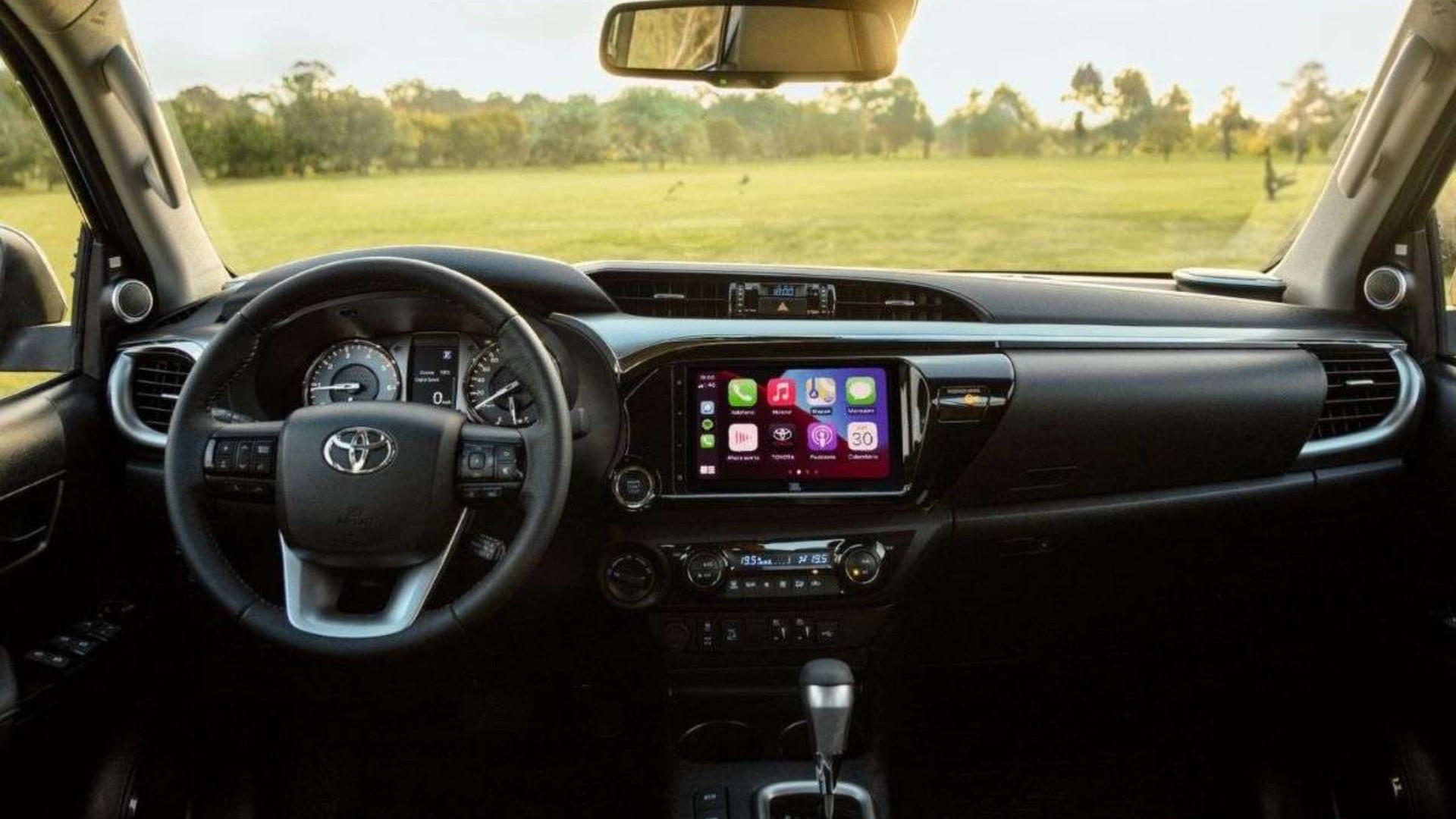
The Toyota Hilux is R$ 75.5 thousand cheaper and bets on the 2.8 turbodiesel engine with up to 204 hp and 50.9 kgfm to catch up with the VW Saveiro, which leads with 4,472 sales.
-
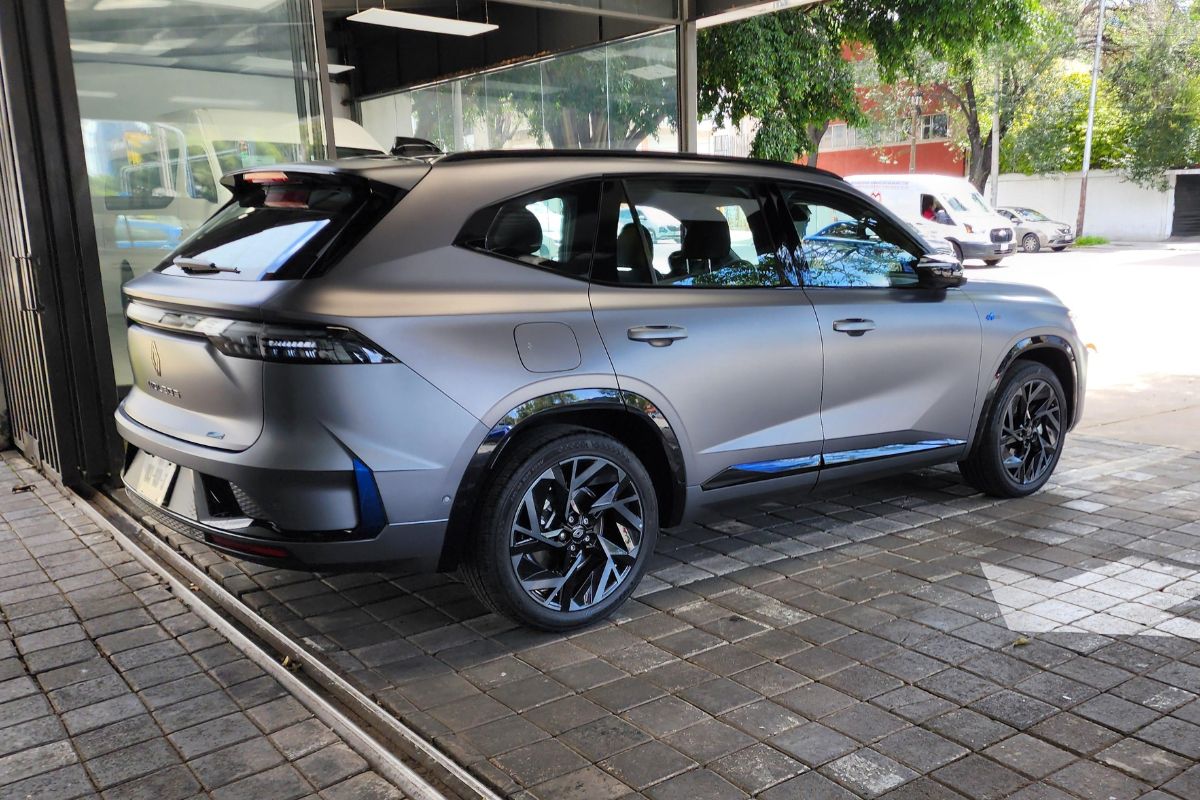
The new Renault Koleos has a screen exclusively for the passenger that is invisible to the driver, heated rear seats, and 29 assistance systems, but its Chinese competitors cost R$ 40,000 less and deliver more power.
-
The car stored for 38 years: when opening the barn door, what appears is breathtaking and looks like a scene from a movie!

-
Fiat works miracles in the Brazilian market, lowers the price of its 0 km hatch to R$ 69,990, reestablishes the model as the cheapest car in the country, and reignites the battle against Kwid and C3.

Financing Simulation for a Civic
The financing of a Civic G10 with a value of R$ 95,000.00, based on a down payment of R$ 30,000.00, was calculated based on a term of 48 months — that is, four years.
The interest rate used in the simulation was 2% per month, a common value among financial institutions for consumers with an average Credit Score.
It is important to highlight that the interest rate varies significantly according to the buyer’s profile. If a person has a higher credit Score, there are chances of obtaining better conditions.
On the other hand, those with a low Score may face even higher interest rates than those used in this example.
Installments and Total Amount Paid
With these conditions, the monthly installment value for financing a Civic would be fixed at R$ 2,119.12. At the end of the 48 months, the total amount paid for the car would reach R$ 131,717.73.
That is, R$ 36,717.73 more than the original value of the vehicle.
This difference represents 28% of the total amount paid, being the amount referring only to the financing interest.
This simulation serves as a warning for those wishing to buy a financed car: it is essential to consider not only the value of the installments but also how much will be paid in total by the end of the contract.
Comparison with Larger Down Payment
The same example was redone with a larger down payment of R$ 50,000.00. The goal was to show how the down payment impacts the final cost of financing directly.
With the new down payment, the financing amount dropped to R$ 45,000.00, reducing the monthly installment to R$ 1,477.00.
As a result, the total amount paid at the end of four years would be considerably lower.
The interest would drop to approximately R$ 25,000.00, which shows a significant saving of over R$ 11,000.00 just by increasing the down payment amount.
The Importance of Simulating Before Closing a Deal
Those considering acquiring a car through financing need to understand that each case is unique.
The consumer’s Score, down payment amount, chosen term, and applied interest rate completely change the scenario.
That is why making a personalized simulation is an essential step before signing any contract.
There are simple tools, including online spreadsheets, that help calculate the financing for a Civic or any other car.
Additionally, many dealerships allow simulations without commitment, which gives the buyer a realistic idea of what they will face.
Practical Tip: Half the Value as Down Payment
A practical piece of advice mentioned in the example is to try to make a down payment that represents at least half of the total value of the car.
In the case of financing a Civic costing R$ 95,000.00, this would correspond to a down payment of R$ 47,500.00. Following this logic, the monthly installment and the amount paid in interest drop drastically.
This strategy reduces the impact of interest over time, improves negotiating conditions with banks, and can also facilitate credit approval.
Simulation Summary
| Car Value | Down Payment | Installments | Monthly Interest | Monthly Installment | Total Paid | Total Interest |
|---|---|---|---|---|---|---|
| R$ 95,000.00 | R$ 30,000.00 | 48x | 2% | R$ 2,119.12 | R$ 131,717.73 | R$ 36,717.73 |
| R$ 95,000.00 | R$ 50,000.00 | 48x | 2% | R$ 1,477.00 | R$ 120,000.00 | R$ 25,000.00 |
Financing a Civic can be a good alternative for those who do not have the full amount available upfront, but it requires planning.
Interest represents a significant portion of the final amount paid, and the down payment is the main factor in reducing this impact.
Before closing a deal, it is always worth comparing simulations and, if possible, negotiating the terms. A larger down payment can bring relevant savings and make the monthly installment more feasible.
It is important to highlight that the values presented throughout the article are part of a simulation based on a hypothetical scenario. The actual financing conditions, such as interest rates, installment values, and credit approval, vary according to each consumer’s profile and the policies of financial institutions. To obtain accurate and personalized results, it is ideal to consult banks, finance companies, or authorized dealerships directly.










-

-

2 pessoas reagiram a isso.