





 Portuguese
  English
  Spanish
  3 min of reading
  0 comments


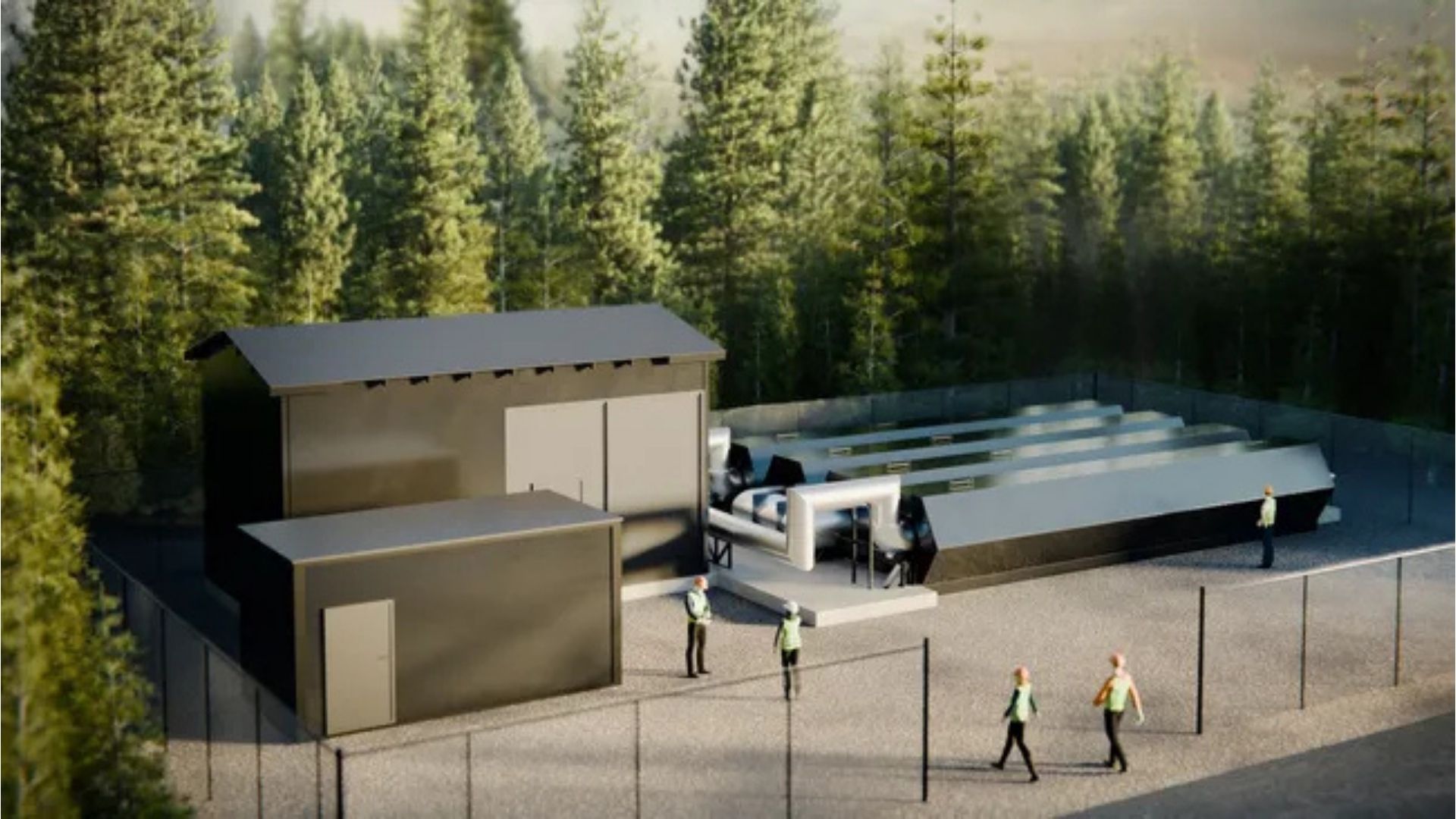
The implementation of this thermal technology allows the excess electricity generated by wind and solar sources to be stored in heated sand reservoirs, ensuring a stable and sustainable supply for the electrical system even during periods without wind or sun.
A new thermal storage technology is gaining attention in Finland as a promising solution to the challenges of intermittency in renewable sources.
The so-called sand battery allows for the conversion of excess clean energy, such as wind and solar, into stored heat for later conversion back into electricity for the grid.
The project, which is already operational, uses a simple and abundant material to solve one of the biggest bottlenecks in the global energy transition: how to store energy cheaply and efficiently.
-
New technology transforms ethanol into airplane fuel, promises large-scale production and cheaper fuel to ‘save’ the growing global demand by 2050.

-
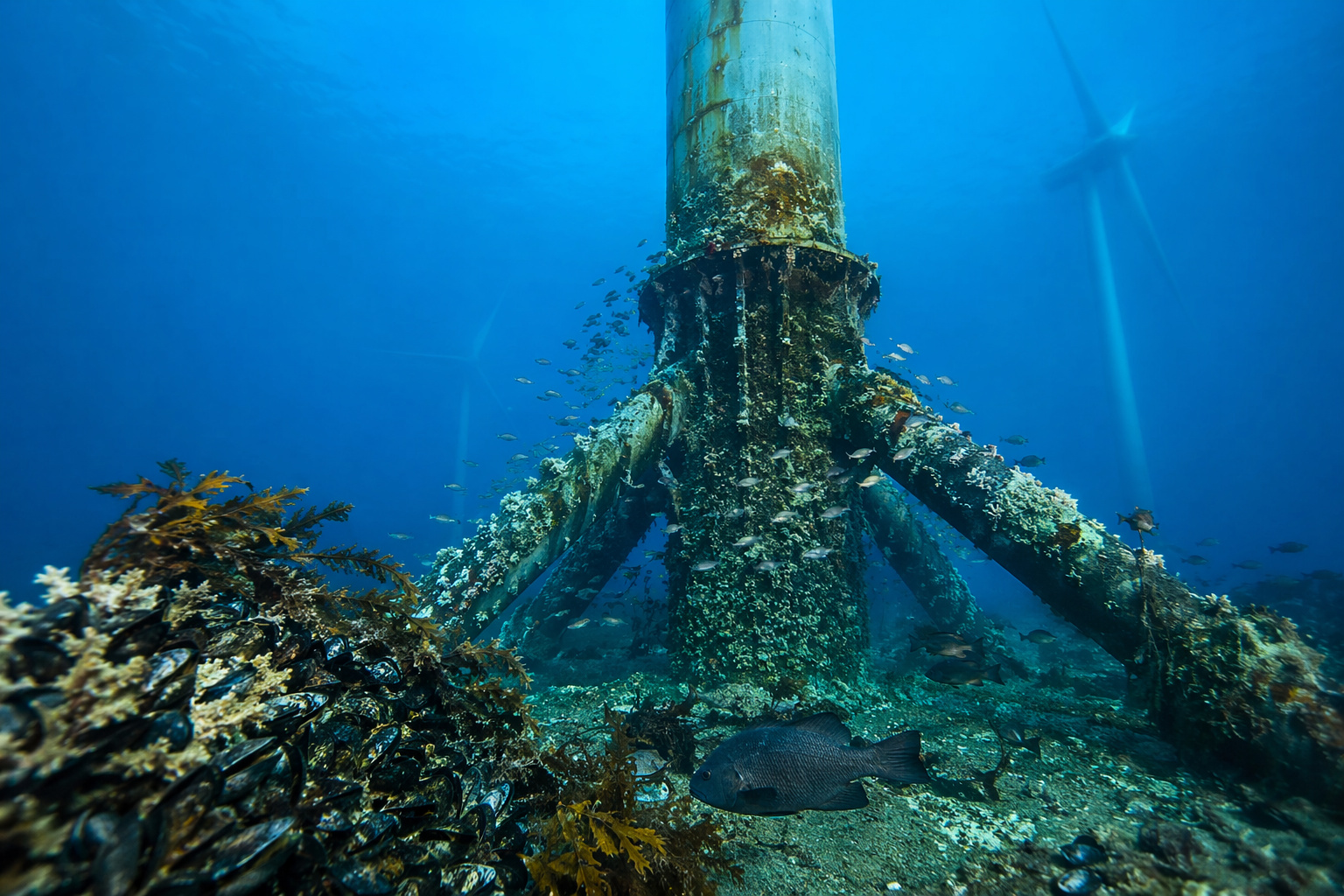
It seemed like just a clean energy project in the ocean, but over time offshore turbines began to provoke something unexpected: lifeless areas started to fill with species and form new ecosystems.
-
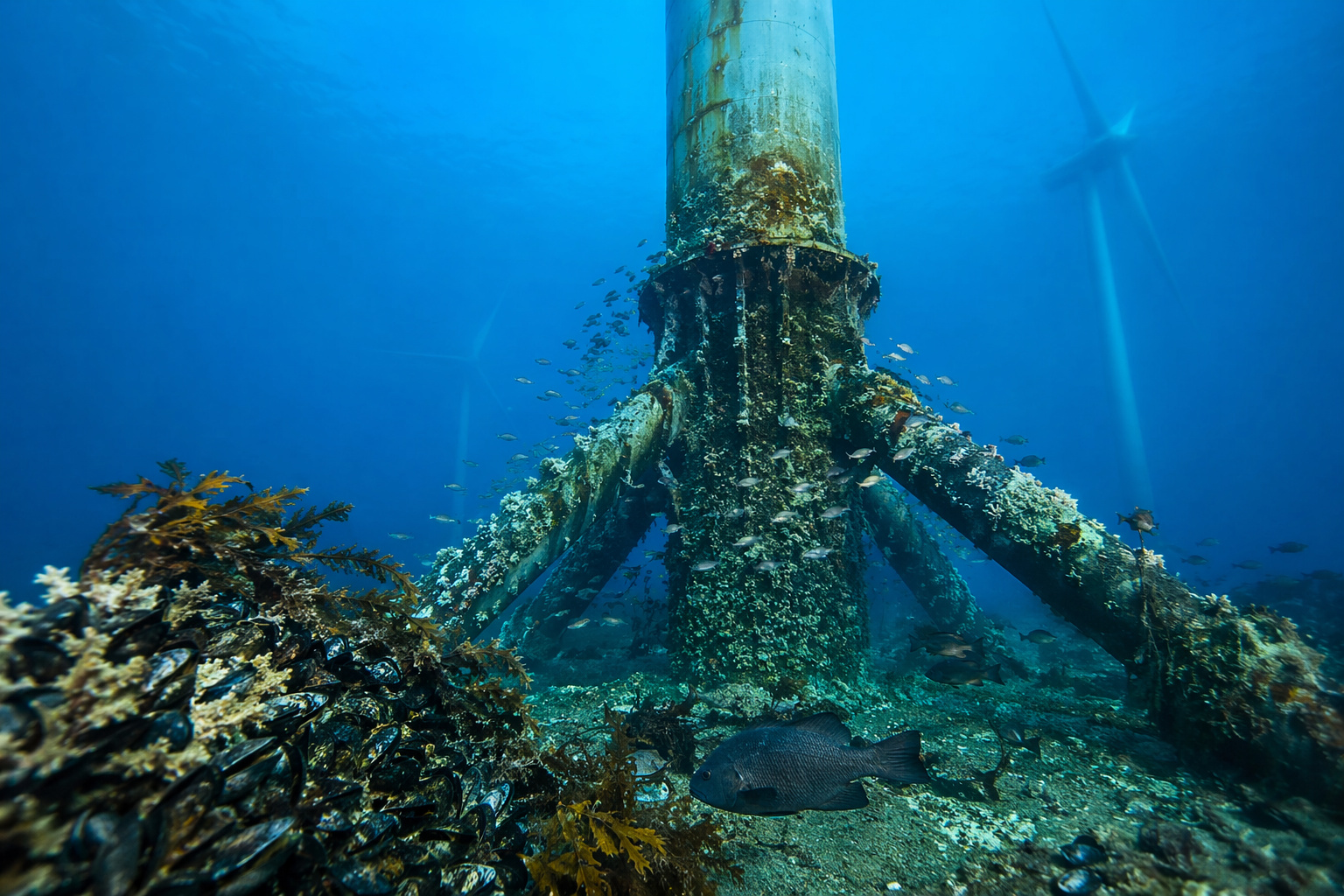
It seemed like just a clean energy project in the ocean, but over time, offshore turbines began to provoke something unexpected: lifeless areas started to fill with species and form new ecosystems.
-
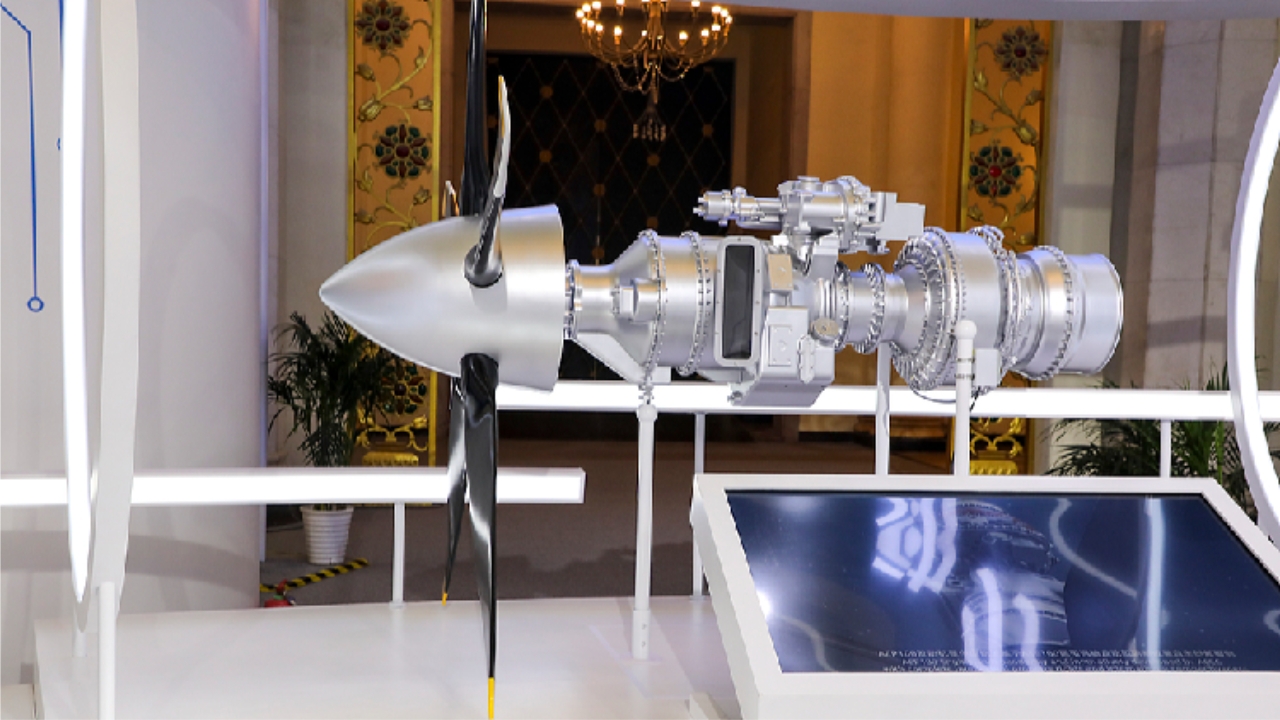
China conducts the world’s first flight of a hydrogen-powered turboprop aircraft, covering 36 km in 16 minutes.
The operation of large-scale thermal storage
The sand battery system consists of a large insulated reservoir filled with low-quality sand, which is heated to temperatures that can exceed 500 degrees Celsius.
Through a heat transfer process using compressed air or electrical elements, the excess energy from the grid is transformed into thermal energy stored in the grains of sand.
This method allows heat to be retained for months, functioning as a strategic reserve for periods of low renewable energy production or high demand in winter. Unlike traditional lithium batteries, which suffer chemical degradation over time, sand retains its physical properties even after numerous heating and cooling cycles.
The simplicity of the material drastically reduces maintenance costs and eliminates the need for mining rare and expensive metals.
Additionally, the structure can be built vertically, taking up less space and easily integrating into the existing industrial infrastructure in Finnish cities.
Conversion and distribution of energy to the electrical grid
The major innovation presented in Finland is the ability to transform this stored heat back into electricity to power the national electrical grid.
When demand increases, the hot air from the sand battery is directed to heat exchangers that generate steam, driving turbines for electricity production.
This closed cycle ensures that energy waste is minimized, providing a fast dispatch alternative that competes with fossil fuel-fired power plants.
The Finnish project demonstrates that the system is particularly effective for district heating, supplying hot water and heating to thousands of homes simultaneously.
By operating in both thermal and electrical fronts, the technology maximizes the utilization of energy generated by variable sources.
The flexibility of the system allows it to be scaled for different sizes, from small communities to large industrial hubs that require high constant energy loads.
Sustainability and the future of sand batteries
The implementation of the sand battery represents a decisive step towards the total decarbonization of the energy matrix, as it uses materials with very low environmental impact.
The sand used does not need to be of construction grade, allowing for the use of mining waste or desert sand, making the technology accessible for various geographies.
Scientists and engineers believe that this low-cost model will be essential for countries seeking energy independence without compromising climate goals.
The success of the unit in Finland is already attracting the interest of investors and governments around the world, who see sand as a way to stabilize energy prices.
With the increase in storage capacity, electrical grids become more resilient to supply crises and market fluctuations.
The expectation is that, in the coming years, new sand battery plants will be spread across the European continent, consolidating thermal storage as a fundamental pillar of modern electrical infrastructure.
Click here to access the study.





Seja o primeiro a reagir!