





 English
  Francês
  Alemão
  Italiano
  Japonês
  Norueguês
  Portuguese
  Spanish
  3 min of reading


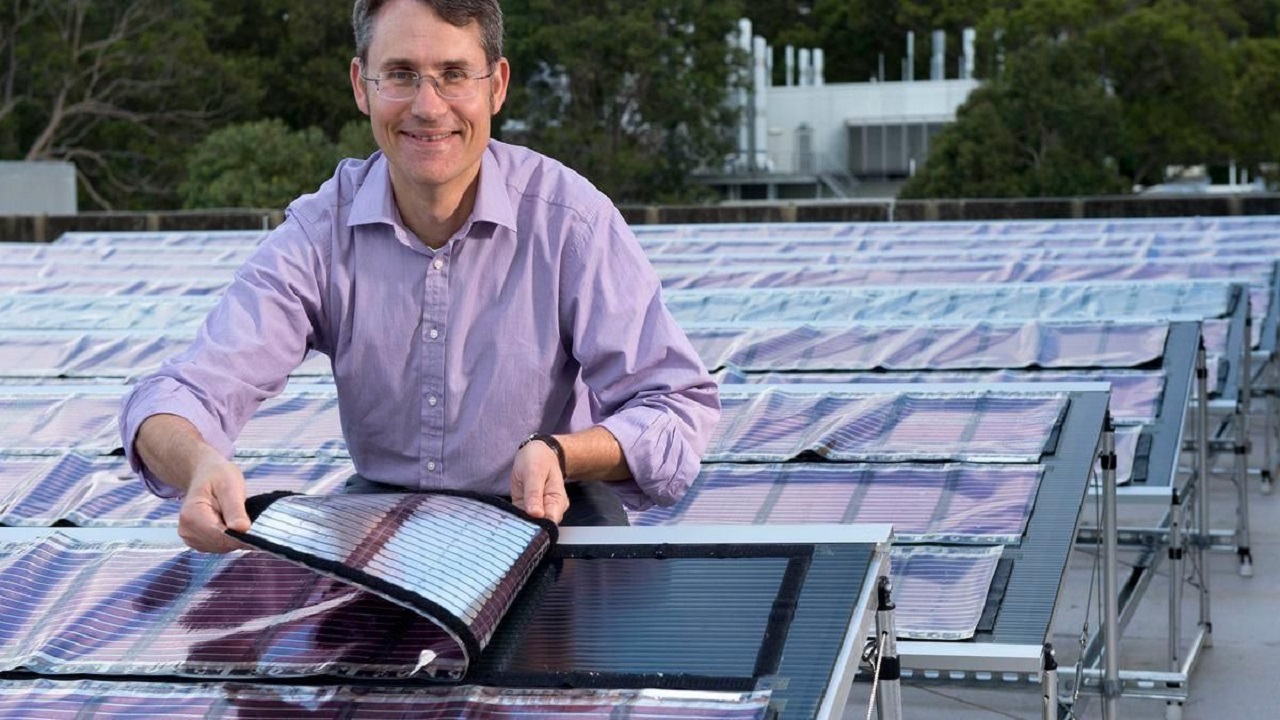
Researcher Develops Low-Cost Solar Panels That Could Make Solar Energy More Accessible And Could Completely Change The Renewable Energy Market. The Cheap Solar Panels Cost US$ 10 Per m².
An Australian physicist is leading a project that promises to be groundbreaking in the renewable energy sector. It involves a new type of low-cost solar panel that the developer claims could make solar energy more accessible for everyone. In May 2022, Paul Dastoor, a professor at Newcastle University, used printed organic solar cells to power monitors and screens at an exhibition in Melbourne.
Low-Cost Solar Panels Are Being Installed In An Area Of 200 m²
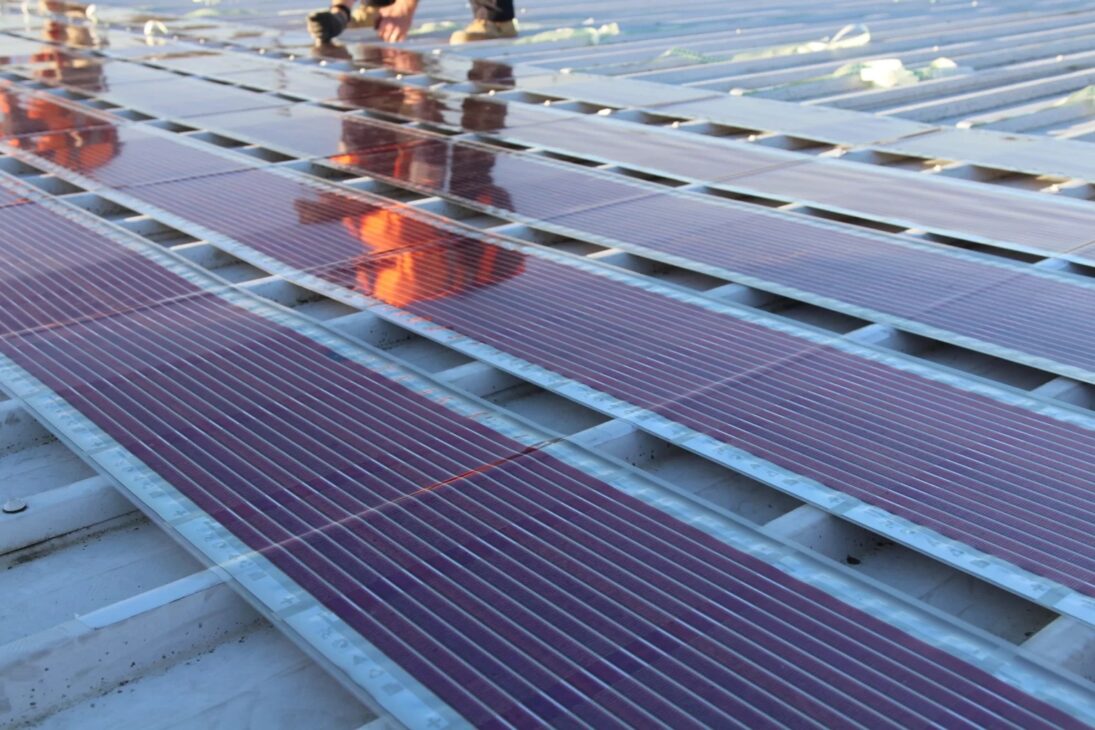
Less than a millimeter thick and held together with double-sided tape, the cheap solar panels, which could change the renewable energy market, have a texture similar to a bag of potato chips and can be produced for less than US$ 10 per square meter, or about R$50 at the current dollar exchange rate.
Dastoor has been working in the technology for over ten years; however, he has now begun developing a 200 m² solar power plant, being the first commercial application of this type in Australia and possibly in the world.
-
The climate in 2026 may surprise with extremes even more intense than in 2025, with heatwaves, out-of-season cold, and irregular rainfall in Brazil.

-
Astronomers identify 45 rocky planets that could harbor life, and one of them is just 4.2 light-years from Earth, making it the closest neighbor with the potential to have liquid water on its surface.

-
Archaeologists discover 43,000 ostraca in Egypt with tax lists, drawings, religious texts, and everyday notes that reveal what life was like in ancient Athribis before Cleopatra.
-
China showcases laser defense systems that target drones flying very low and attempts to address a flaw that has been concerning armies worldwide.

According to the inventor, the low cost and the speed at which this technology can be installed are exciting, given the need to find solutions and quickly mitigate the demand for baseload energy, a renewed concern as Australia approaches another summer.
The printed cheap solar panels, for now, are not as efficient as silicon-based ones and degrade much faster. However, the physicist emphasizes that their low production and installation costs have made the technology competitive. The commercial installation was completed in one day by just five workers and an industrial-sized printer, capable of producing hundreds of meters of the product in just one day.
MIT Researchers Develop Ultra-Light And Thin Solar Panels
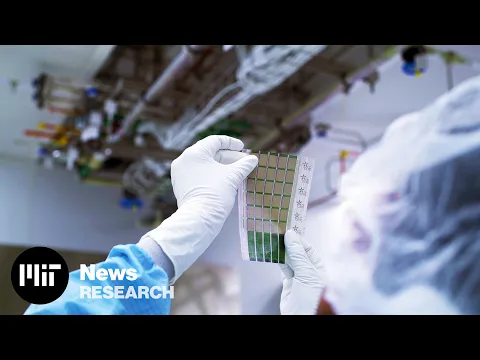

In addition to the low-cost solar panels developed by the physicist, a team of engineers from the Massachusetts Institute of Technology (MIT) has developed ultra-light fabric solar cells that can easily and quickly turn any surface into a source of electricity.
The panels are extremely thin, and despite being much lighter, they have the capability to generate up to 18 times more energy per kg. These new ultra-light solar panels are developed with semiconductor inks, produced through printing processes, just like Dastoor’s cheap solar panels.
The main advantage of these thin and lightweight solar cells is that they can be applied to various types of surfaces; however, the disadvantage is their extreme fragility. Therefore, to solve the problem, the engineers used a specific type of fabric that is lightweight yet durable.
Panels Weigh Only 13 g/m²
Weighing about 13 g/m², the fabric commercially known as Dyneema was the best option according to the engineers, as this material is made of highly resistant fibers.
In the assembly process of the new solar panels, the engineers added to the solar cells a UV-curable adhesive, only a few microns thick, making it easy for the cells to stick to the fabric, creating an ultra-light solar structure with a very robust mechanics.
The MIT engineers utilized nanomaterials in the form of inks suitable for graphic printing. In the process, the researchers coated the structure of the solar cell, applying several layers of electronic materials on a releasable substrate prepared with just 3 microns of thickness.








Seja o primeiro a reagir!