Portuguese
  Spanish


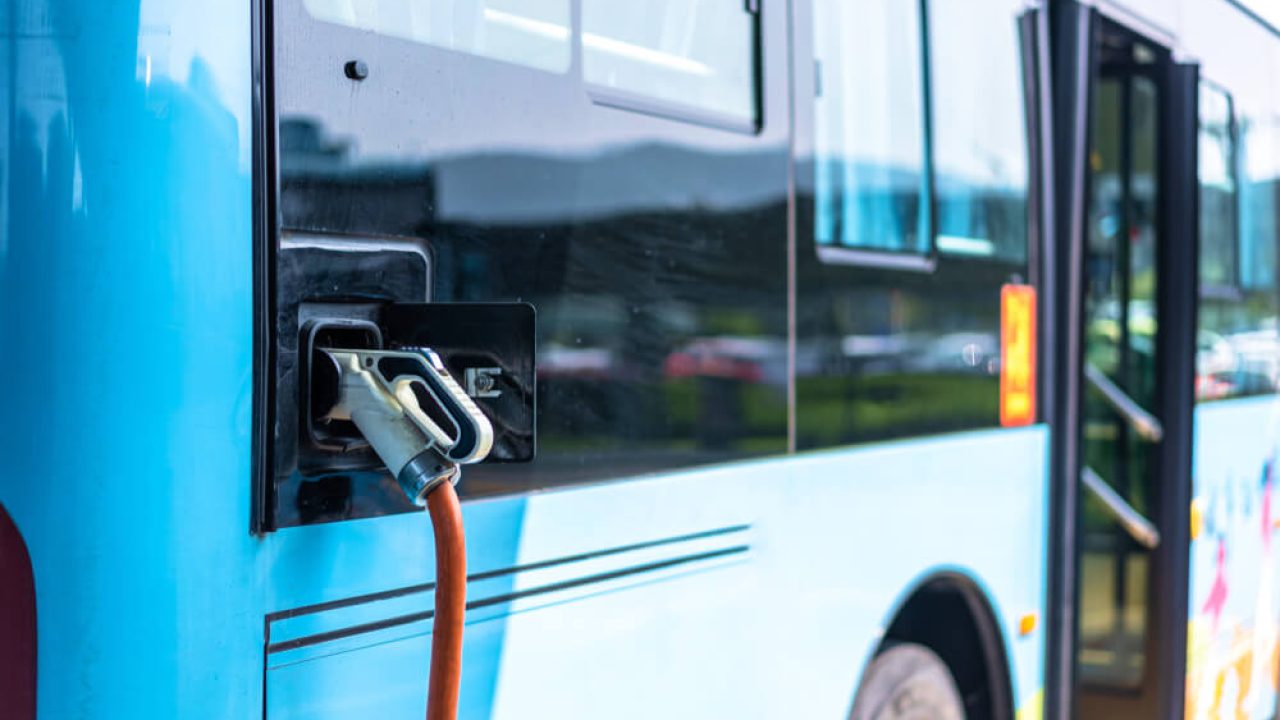

Engie, a Company Leading the National Renewable Energy Sector, Has Just Announced a New Partnership to Use Electric Buses at Airports in Brazil.
Engie Brazil has closed a partnership with airport operator Aena and electric bus manufacturer Higer to conduct tests on a new transportation model that could be installed at airports in Brazil. The tests will begin in the capital of Pernambuco, at the Recife terminal, with the Azure A12BR model from TEVX Higer, fully battery electric, with a range of 270 km, emitting no noise or polluting gases.
Engie’s Electric Bus Has a Range of 270 km
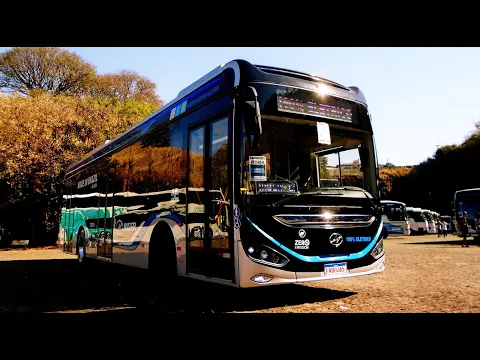

The goal of the partnership between the renewable energy company and Higer is to use electric buses for passenger transport within the airport, replacing polluting gasoline-powered buses, thus minimizing carbon emissions in the atmosphere.
The Azure A12BR has a range of 270 km and features a battery pack that takes only 3 hours to charge. As a global reference in low-carbon services, Engie provides sustainable solutions for companies and cities in Brazil. The partnership with Aena, which operates in six airports in the country, aligns with the company’s goal to achieve Net Zero Carbon by 2045.
-
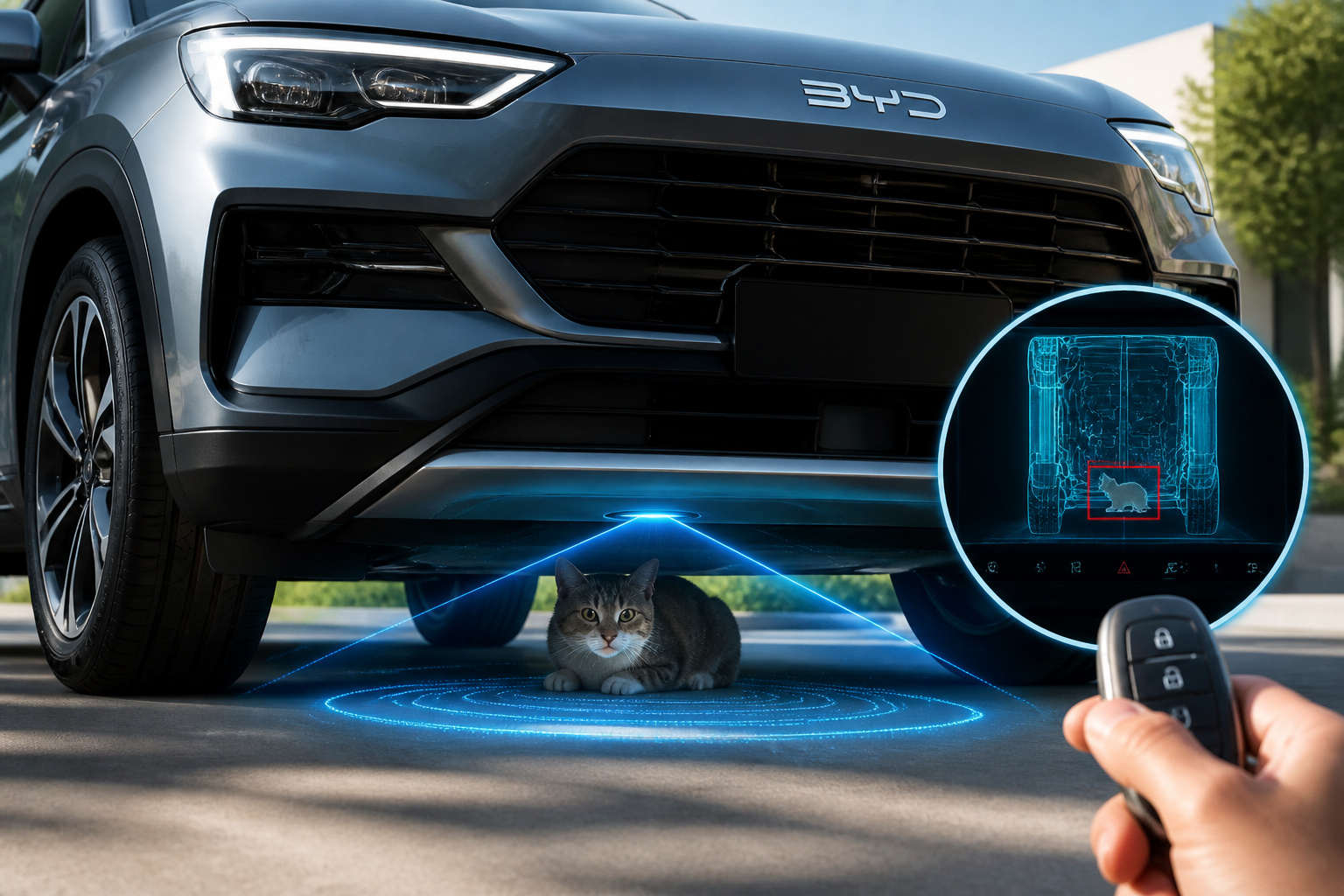
BYD Patents Revolutionary System Using Computer Vision to Detect Animals Under Cars Before Starting, Preventing Tragedies

-
Study Reveals Why Cars Are More Expensive to Produce and Buy in Brazil Compared to Mexico, Highlighting Taxes, Logistics, and Industrial Costs as Key Factors.
-
BMW Completes $1.7 Billion Investment in the U.S. for Electric Vehicle Production, Positions South Carolina for New Generation as Rivals Reassess EV Race
-
Toyota to Open New Factory in Brazil by November 2026 with $2.2 Billion Investment, Creating 2,000 Jobs, and Ending Corolla Production in Indaiatuba




According to Engie Solutions CEO Jacques-Olivier Klotz, reduced energy consumption and emissions align with Engie’s mission to focus on accelerating the transition to a carbon-neutral world. Additionally, the company helps other firms become more sustainable and efficient, optimizing their electricity costs.
Aena Brazil Aims to Achieve Neutrality Through Electric Buses and Renewable Energy
Currently, Aena Brazil is investing in structural works at the airports it manages to make them more sustainable. Focusing on the UN’s 2030 Sustainable Development Goals, one of the company’s first steps in promoting its investments in transforming its airports in the Northeast, in addition to the partnership with Engie and the electric bus manufacturer, was to use certified renewable energy for terminal management. The company’s goal is to achieve carbon neutrality by 2026 and Zero Emissions by 2040.
It is important to highlight that, in addition to the increase in the presence of electric buses, sales of light electrified vehicles in the country had, in November, the second-best month in the historical series of the Brazilian Electric Vehicle Association (ABVE), with 4,995 units registered.
This volume is only surpassed by September, when 6,391 units were sold. The total sales from January to November of this year sum to 43,658 units, 25% above last year’s 34,990. The association estimates that the electric vehicle market will close the year very close to the record of 50,000 sales, which is 40% above last year.
Get to Know Engie
Engie is a world reference in low-carbon energy and services. With over 100,000 employees, clients, partners, and stakeholders, the company is committed to driving the transition to a carbon-neutral world through reduced energy consumption and more sustainable solutions.
Inspired by this purpose, the company balances performance with a positive impact on people and the planet, leveraging its key activities to provide competitive solutions to its customers.
In Brazil, Engie is a leader in renewable energy, operating in the generation, transmission, and commercialization of electricity, natural gas transportation, and energy solutions, employing 3,500 collaborators.