





 Portuguese
  English
  Spanish
  5 min of reading
  0 comments


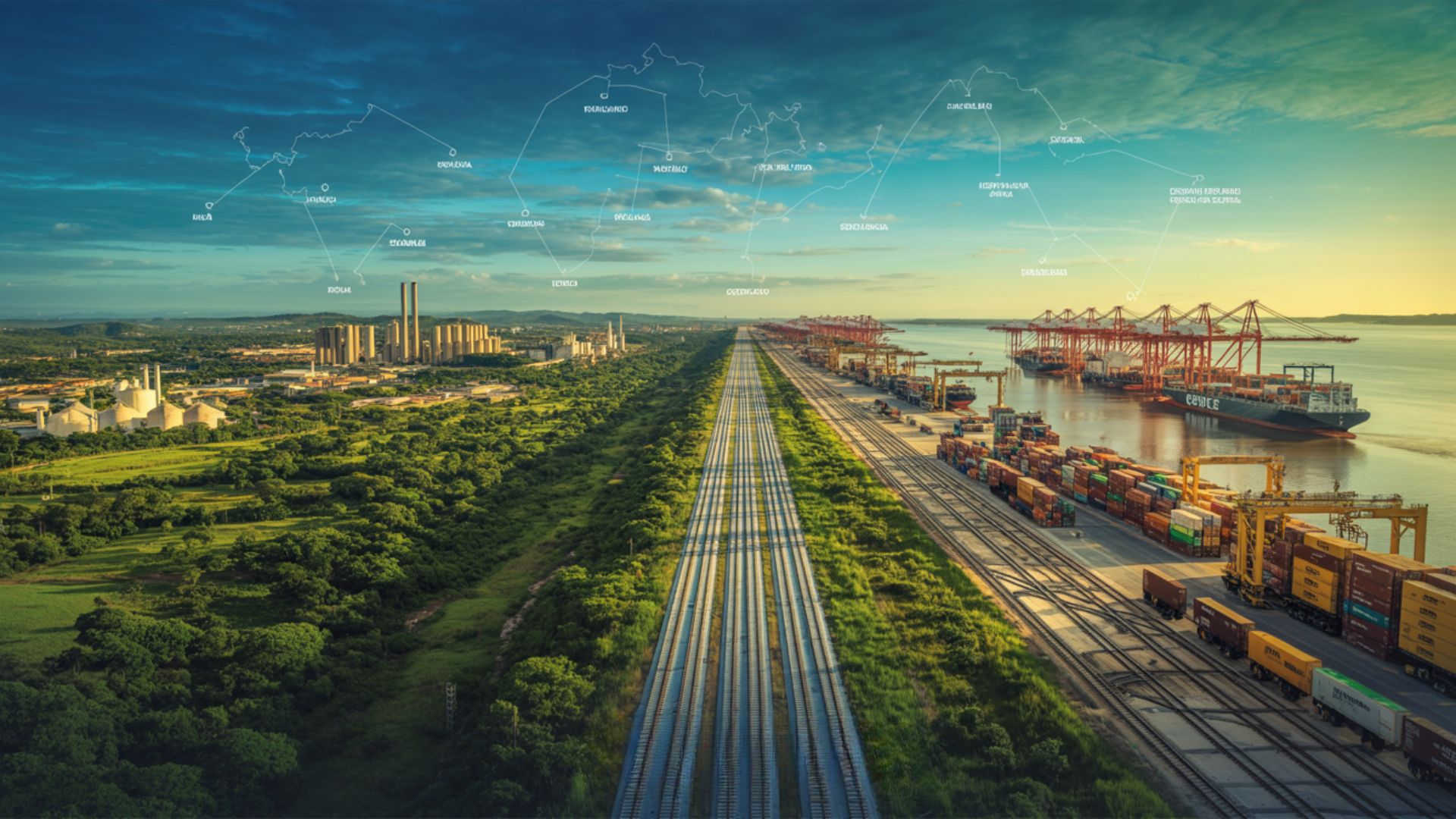
New Decision Accelerates Billion-Dollar Railway Project in Mato Grosso do Sul, Boosting Pulp Transport and Changing Regional Logistics. Government and Private Sector Join Forces to Modernize Transportation in the Midwest.
The Federal Government announced a new decisive phase for the construction of the Eldorado Brasil Railway Branch, by authorizing, in July 2025, the expropriation of ten more areas in Mato Grosso do Sul.
The measure, published in the Official Gazette, marks a fundamental advance for the state’s transportation infrastructure and puts into practice the project aimed at transforming the transport of pulp and other industrial products, directly connecting the interior of the country to the Port of Santos in São Paulo.
The National Land Transportation Agency (ANTT) formalized the authorization for Eldorado Brasil Celulose S.A. to carry out expropriations in areas considered strategic for the railway layout.
-
In A European City, The Country’s Largest Railway Junction Was Modernized Without Closing Its Doors, Kept Trains Running During Years Of Construction, Now Serves Up To 60,000 Passengers Per Day, And Installed Solar Panels That Generate About 30% Of Its Energy
-
Famous Brazilian Railway May Become a Parking Lot
-
The Country of “Punctual As a Train” Admits It Has Lost Control: High-Speed Trains Delay, Stop, Disappear from the Map and Turn 6-Hour Trips into 10, While Deutsche Bahn Promises Restructuring in 2026 But Faces 19th Century Infrastructure, Staff Shortages and Sections Closed for Months

-
With an Investment of R$ 700 Million in One of the Country’s Main Rail Networks, VLI Reinforces Infrastructure, Receives 8 New Locomotives, and Expands the Corridor Connecting 7 States, Boosting Jobs and the Transportation of Grains, Ore, and Oil Products to the Port of Santos
The new stretch of approximately 80 kilometers will link Três Lagoas, a municipality where large pulp industries like Eldorado and Suzano are located, to Aparecida do Taboado, where there is a connection with the road-rail bridge over the Paraná River.
The connection will allow access to the North Grid, one of the main railway export axes in the country.
Railway Expansion Accelerates Pulp Transport
The billion-dollar railway project primarily aims to reduce reliance on highways for cargo transport, especially pulp, favoring the railway modal due to its logistical efficiency, lower costs, and reduced environmental impact.
According to data from ANTT, the new decision complements a previous authorization published in April of this year, which allowed for the expropriation of 6.8 million square meters.
Now, with the inclusion of ten new areas, the expectation is to accelerate the construction of the railway branch and ensure greater integration of regional industrial production with the national rail network.
The Eldorado Brasil Celulose S.A., responsible for executing the project, must strictly comply with all environmental requirements and obtain the necessary licenses from the competent authorities before starting physical interventions.
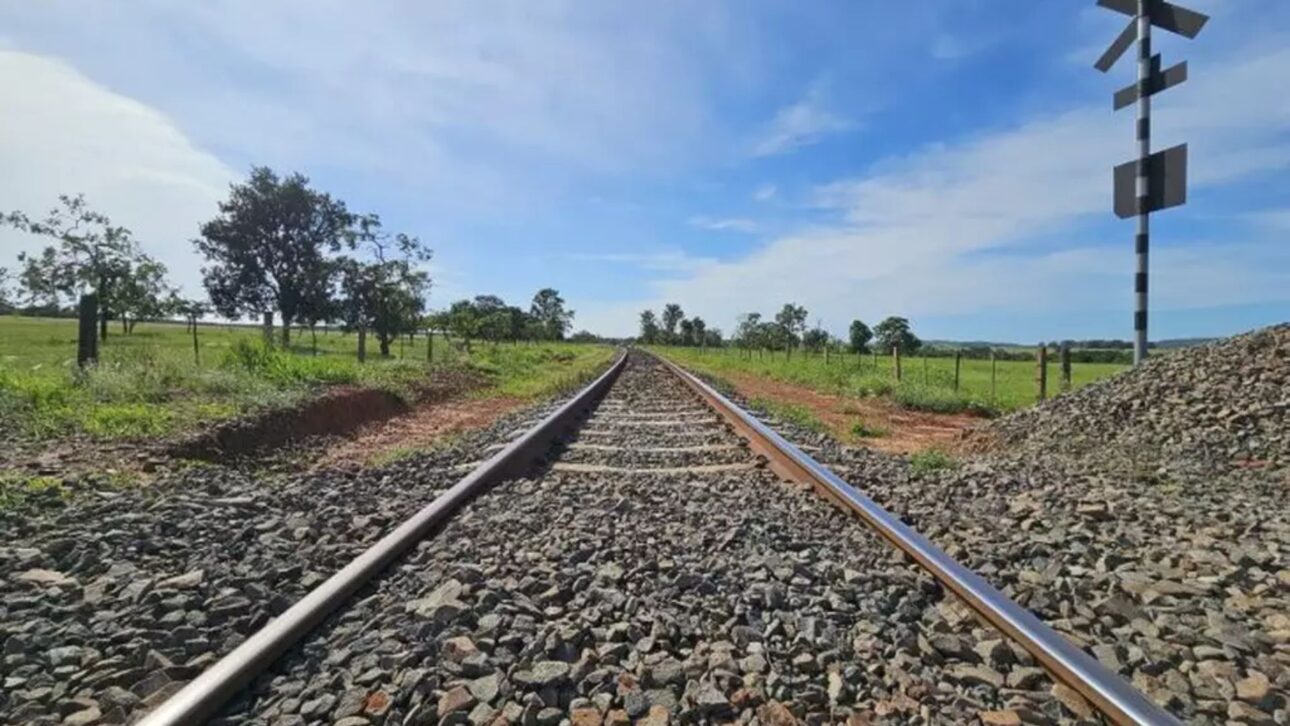
According to industry experts, the project is seen as essential to enhance the competitiveness of local companies, as railway transport reduces operational costs, decreases travel time, and facilitates access to the international market through the Port of Santos.
Branch Strengthens Logistical Infrastructure in the Midwest
The branch, which spans approximately 80 kilometers, will serve as a logistical link for transporting pulp and other products, reinforcing the strategy to turn Mato Grosso do Sul into a logistics hub for exports.
Três Lagoas is already nationally recognized for its significant pulp production, and the expectation is that the new layout will further strengthen the municipality’s position in the Brazilian economic landscape.
According to information from the Brazilian Association of Pulp and Paper (Bracelpa), the sector generated over R$ 90 billion in exports in Brazil in 2024, with Mato Grosso do Sul playing a prominent role.
The railway connection to the Port of Santos represents a significant change in the dynamics of cargo transport.
Currently, a large portion of pulp production relies on highways to reach the ports, which increases costs and raises logistical risks, such as accidents and delays.
With the implementation of the railway, the expectation is that the flow of trucks on the roads will significantly decrease, also benefiting local traffic and reducing pollutant emissions.
Railway Project Generates Jobs and Boosts Economy
Another relevant point of the project is the generation of jobs and the positive impact on the regional economy.
According to data released by the Ministry of Transportation, during the construction phase, the expectation is to create thousands of direct and indirect jobs, with opportunities ranging from the construction sector to logistics and operational services.
The decision to accelerate the expropriations also aligns with the Federal Government’s strategic plan for expanding the national railway network.
The objective is to rebalance the Brazilian transport matrix, currently concentrated on road transportation, and promote more sustainable, safe, and efficient alternatives.
The Eldorado Brasil branch thus emerges as a model of integration between industry, infrastructure, and export, as well as serving as a reference for similar projects in other states.
New Investments Expand Rail Transport
Besides the Eldorado branch, ANTT recently approved another important project for the pulp sector.
In April 2025, the agency unanimously authorized Arauco Celulose do Brasil S.A.’s proposal for the construction and operation of a railway branch in Inocência, also in Mato Grosso do Sul.
The factory being built in the city received investments of US$ 4.6 billion, reinforcing the strategic role of the state in the pulp production chain and the attraction of large private investments in railway infrastructure.
The North Grid, officially named North Brazil Railway, is responsible for connecting Santa Fé do Sul in São Paulo to Rondonópolis in Mato Grosso, along approximately 755 kilometers.
The integration of this grid with the new branches will allow for greater agility in the transport of cargo for export, enhancing Brazil’s presence in international markets.
Railway Logistics Transforms Brazilian Exports
The modernization and railway expansion in the Brazilian Midwest reflect the joint effort between the public and private sectors to reposition Brazil as a global leader in exports of pulp, soy, corn, and other agricultural products.
Investments in logistical infrastructure are viewed as a fundamental factor for sustainable development, in addition to meeting the increasing demands for competitiveness and productivity required by international trade.
Among the project’s challenges are meeting legal requirements, obtaining environmental licenses, and the need for dialogue with communities affected by the expropriations.
The Federal Government and the companies involved have reaffirmed their commitment to transparency, social responsibility, and respect for current legislation, points considered essential for the success of projects of this scale.
The acceleration of expropriations marks a new chapter in the history of Brazilian logistics, especially for pulp transport, which gains a more efficient, sustainable route aligned with the best international transport practices.
In your opinion, will the consolidation of railway transport indeed replace the highways and redefine the future of exports in Brazil?








-

Uma pessoa reagiu a isso.