





 English
  Francês
  Alemão
  Italiano
  Japonês
  Norueguês
  Portuguese
  Spanish
  4 min of reading
  0 comments


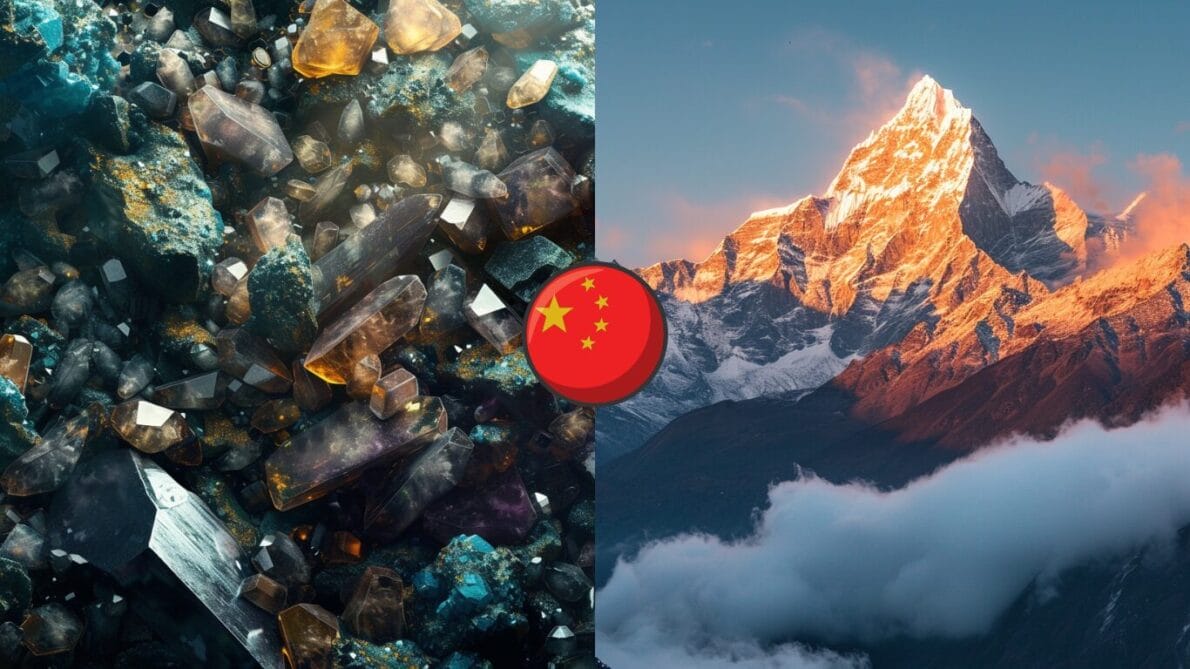
The New “Gold Rush” In The Highest Mountains Of The World Is Led By China: There Lies Hidden One Of The Most Valuable Mineral Deposits On The Planet!
The China is intensifying its efforts in Himalayan mining, not only in search of gold but also for crucial elements for modern technology: rare earths. This new gold rush of the 21st century, driven by the desire to maintain global leadership in the production and distribution of these valuable minerals, is transforming the world’s largest mountain range into a strategic battlefield, according to ignbrasil.
The Hidden Treasure Of The Himalayas
In recent years, Chinese geologists have discovered large reserves of rare earths beneath the majestic Himalayan mountains. This discovery, reported by the South China Morning Post (SCMP), is the result of a decade of research initiated with rock samples collected in Tibet. Scientists believe that the deposit in the Himalayas could rival or even surpass some of the largest rare earth reserves ever explored in China, further reinforcing Chinese dominance in the sector.
In a 2017 study published in the journal Science China Earth Science, researchers indicated the existence of two belts spanning over a thousand kilometers with significant mineral potential. These belts, known as the Tethyan and High Himalayan belts, could become the most important metallogenic belts in China.
-
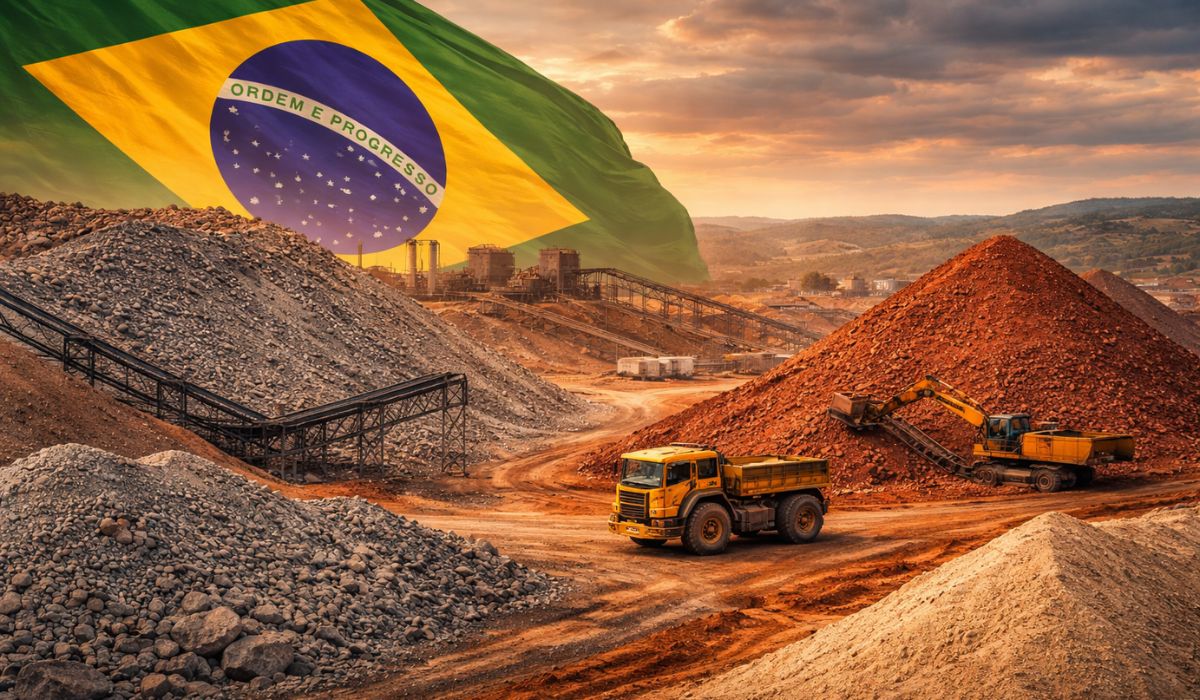
Brazil extracts 26.3 million tons of ore from what was previously treated as waste, transforming residues into wealth, producing over 3 million tons of sand, and demonstrating how national mining is relearning to generate value.
-
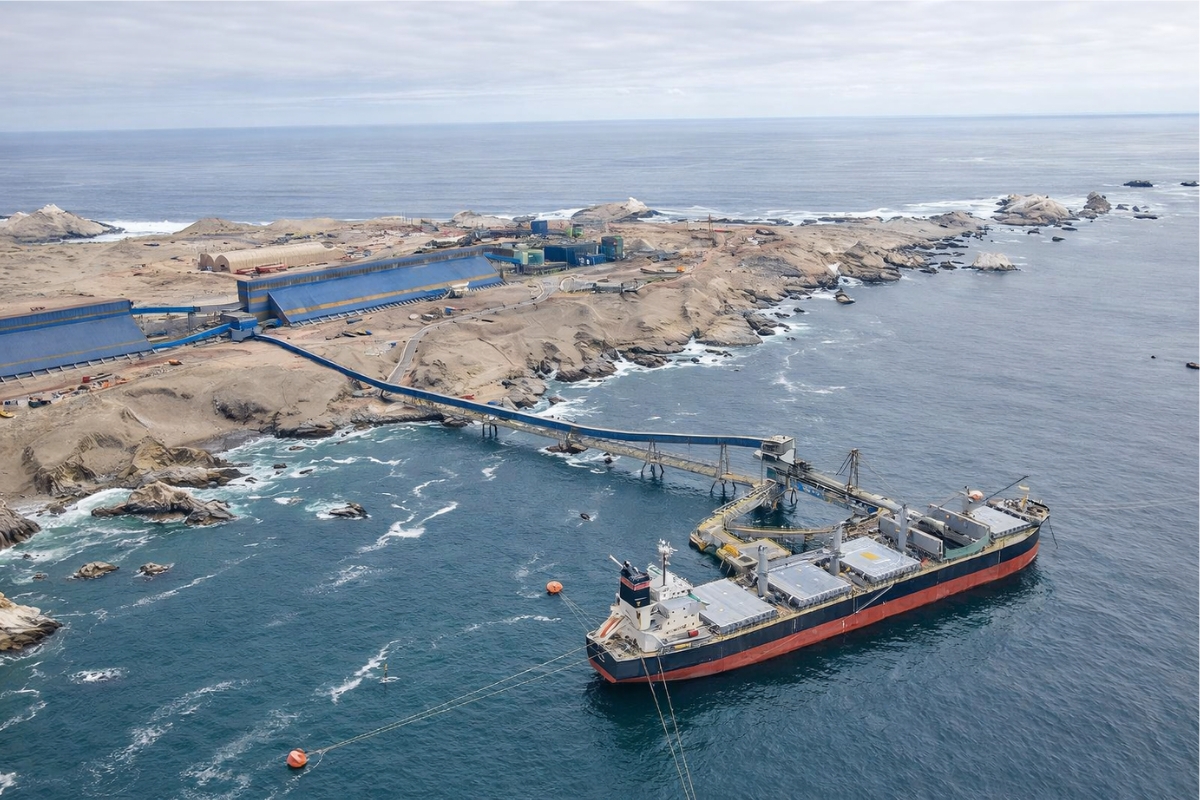
A $3.5 billion megaproject in Latin America pumps desalinated seawater at 1,050 liters per second over 194 km to keep a copper supermine in the Andes operational for another 20 years.
-
If the USA were to go to war with Brazil, Washington’s greatest fear would not be the attack itself, but facing a vast territory, prolonged resistance, and a costly, chaotic, and unpredictable occupation.

-
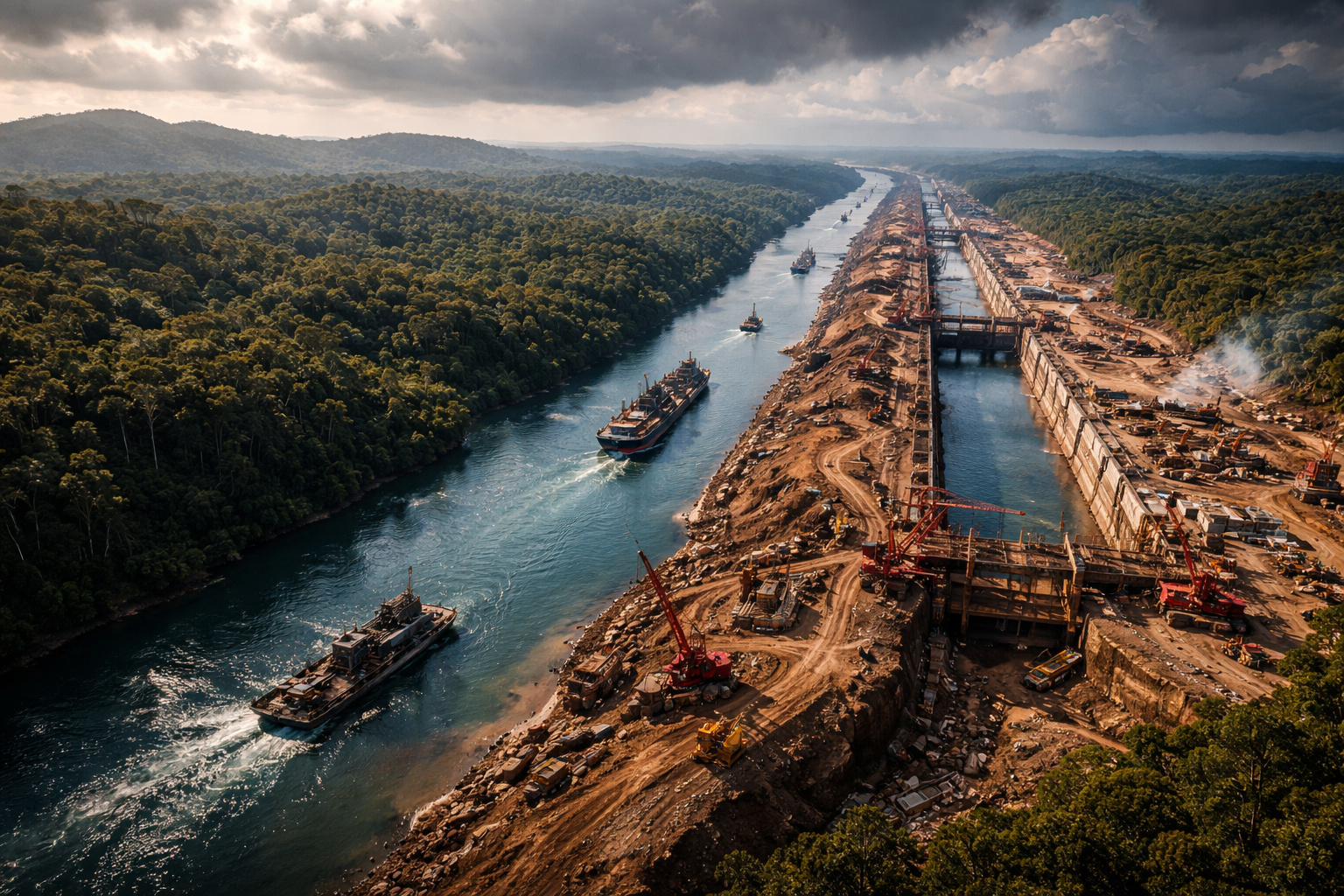
In 2013, Nicaragua sold the concession for a canal to rival Panama to a Chinese billionaire who lost 85% of his fortune, disappeared, and was declared bankrupt. Now the project resurfaces with a new route, a new Chinese partner, and a cost of $64.5 billion.


Technical And Geopolitical Challenges
However, the exploration of these deposits is not a simple task. The Himalayas are a remote and hard-to-reach region, with mineral deposits scattered over a vast area. Locating and extracting these rare minerals can take years, if not decades, of hard work.
In addition to technical challenges, there are also geopolitical issues. China has a long-standing territorial dispute with India along the southern Tibet border, complicating mineral exploration in the region. In 2019, a Swiss organization warned that Chinese mining in the Himalayas could exacerbate tensions between Beijing and New Delhi, especially after significant reserves of gold and silver were discovered in the area.
Artificial Intelligence Technology In Mining
To accelerate exploration and minimize risks, China is heavily investing in artificial intelligence (AI) technology. Researchers at the State Laboratory of Geological Processes and Resources at the Chinese University of Geosciences in Wuhan have developed a AI tool that uses satellite data to locate rare earth deposits with an impressive accuracy of 96%. This technology promises to revolutionize mining, enabling China to identify and explore new deposits faster than its competitors.
The AI not only facilitates the location of minerals such as niobium, tantalum, and lithium, but also provides a crucial strategic advantage. The sooner China can identify and explore these deposits, the greater its advantage in the global rare earth market.
Maintaining Hegemony In Rare Earth Production
China’s position as a world leader in rare earth production and processing is unquestionable. In 2022, the East Asia Forum estimated that China held between 50% and 60% of the rare earth mining market and about 90% of intermediate processing. With significant production bases in Inner Mongolia and the southern provinces, China continues to dominate this strategic sector.
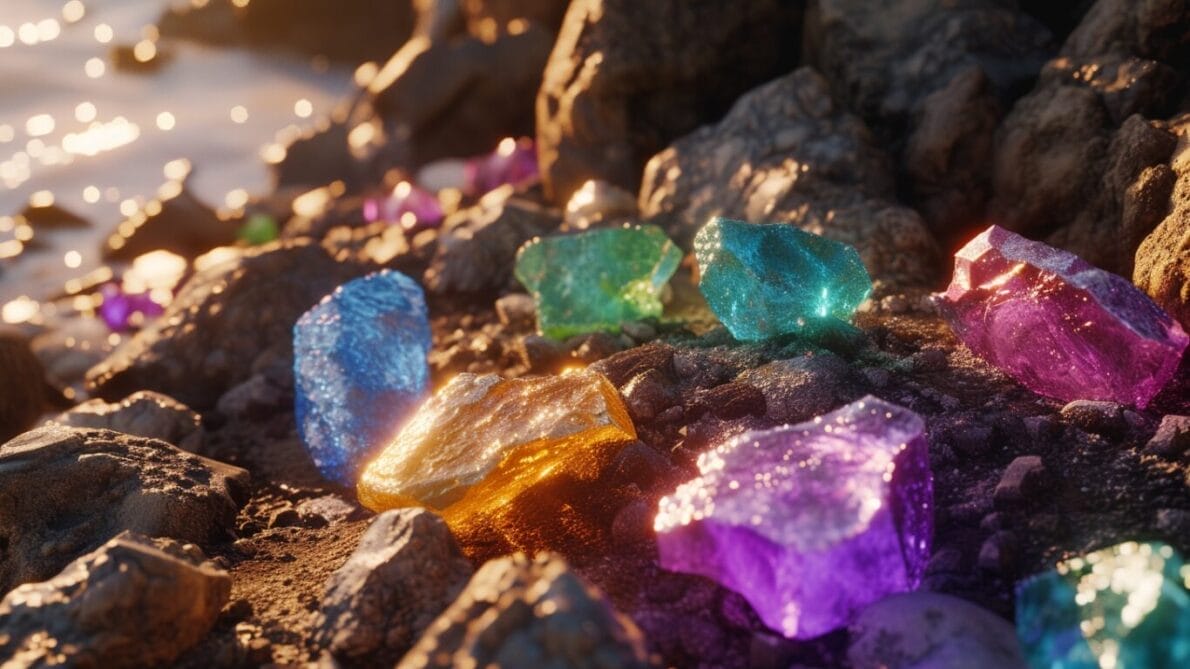
However, this hegemony is being challenged. In the 80s and 90s, China held about 43% of the world’s rare earth reserves, but that percentage fell to less than 37% in 2021. Countries like Turkey, Japan, Europe, and the United States are intensifying their own searches for these crucial minerals, using advanced technologies, including AI, to compete with China in the extraction of the “new gold.”
The Future Of Mining In The Himalayas
Mineral exploration in the Himalayas represents both an opportunity and a challenge for China. With a combination of advanced technology and an unwavering desire to maintain its hegemony, China is well-positioned to exploit these valuable resources. However, technical, environmental, and geopolitical challenges cannot be underestimated.
The race for rare earth mining in the Himalayas reflects the dynamic changes in the global natural resources landscape. As the demand for emerging technologies and green transition increases, competition for these essential minerals is only expected to intensify. And at the center of this competition, China continues to play a crucial role, utilizing all the tools at its disposal to stay ahead.








Seja o primeiro a reagir!