






 Portuguese
  Spanish


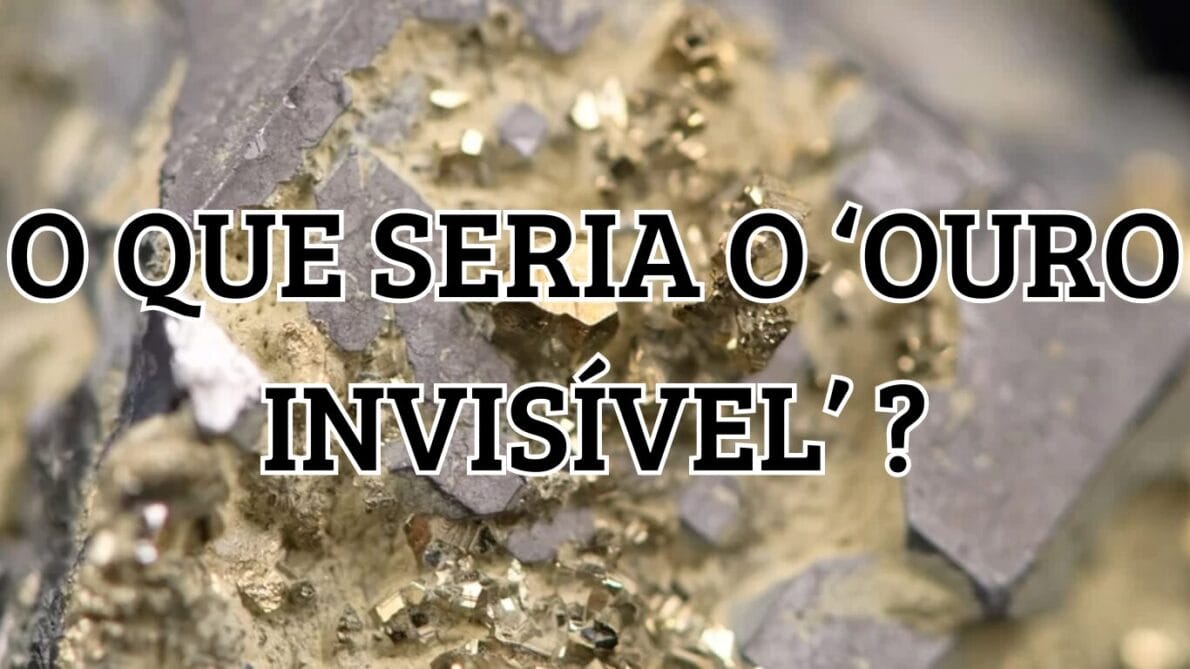

Discovering the Hidden Treasure in the Witwatersrand Basin Region in South Africa, Stage of a Great Gold Rush in the 19th Century!
The Republic of South Africa, famous for its mineral riches, harbors a true fortune hidden beneath the soil: the so-called “invisible gold“. This peculiar form of gold does not shine in gleaming nuggets, but rather exists in small quantities within minerals. The Witwatersrand basin region, the stage of an intense gold rush in the 19th century, is the epicenter of this hidden treasure. Researchers estimate that about 40% of all the gold mined in the world to date has come from this area, according to megacurioso.
What Is “Invisible Gold”?
The “invisible gold” is neither a legend nor an illusion. It hides in tiny particles within minerals, making it imperceptible to the human eye. Imagine a treasure concealed in an underground vault, where the gold is present but does not shine like in pirate stories. This peculiarity earns it the intriguing and mysterious name.
The Relentless Search and the Challenges
Gold in the Tailings Hills
The vast tailings hills surrounding the Johannesburg mines guard a valuable secret. Metallurgist Dr. Steve Chingwaru from Zimbabwe conducted a revealing investigation: these hills may contain up to 460 tons of the aforementioned “invisible gold”. However, the low concentration of this gold in the tailings has always been regarded as having little value. Extensive mining has depleted the high-grade areas, making the search for “invisible gold” in low-concentration sources more viable.
-
At 14 years old, she worked in a factory in Hong Kong, studied economics abroad, and then entered the Chinese real estate market, which helped change the landscape of Beijing.

-
While NATO secured more than $10 billion in missiles and space surveillance at a single forum, Brazil still spends 1.1% of its GDP on defense and is stalling its own anti-aircraft system.

-
They exchanged the idea of a large house for a 35 m² warehouse, spent US$ 12,000 on the structure, and created a tiny house in Colorado with space to live and work.
-
Corn ethanol attracts R$ 23 billion in 21 new plants and prepares for a nearly 50% jump in Brazilian production by 2027, even with high interest rates.



Environmental Challenges and Ineffective Methods
Traditional extraction methods are not efficient for obtaining “invisible gold”. Additionally, exploring tailings deposits can be harmful to the environment. When the sulfides present in the tailings are oxidized, they produce sulfuric acid, which can contaminate groundwater with toxic elements. In Johannesburg, this acid mine drainage is a constant concern.
The Future of Invisible Gold Extraction
However, Chingwaru is determined to unravel this mystery and make the extraction of “invisible gold” a profitable reality. His new method of reprocessing tailings deposits promises economic and environmental benefits. After all, the fortune valued at approximately US$ 24 billion is there, waiting to be exploited. Now, the question remains whether his method will be accessible enough to turn “invisible gold” into tangible gold and real profit.
Therefore, South Africa holds more than just shining nuggets; it conceals an invisible wealth that could change the mining game and preserve the environment. Who would have thought that gold could be both so mysterious and valuable at the same time?


