





 Portuguese
  English
  Spanish
  5 min of reading
  0 comments


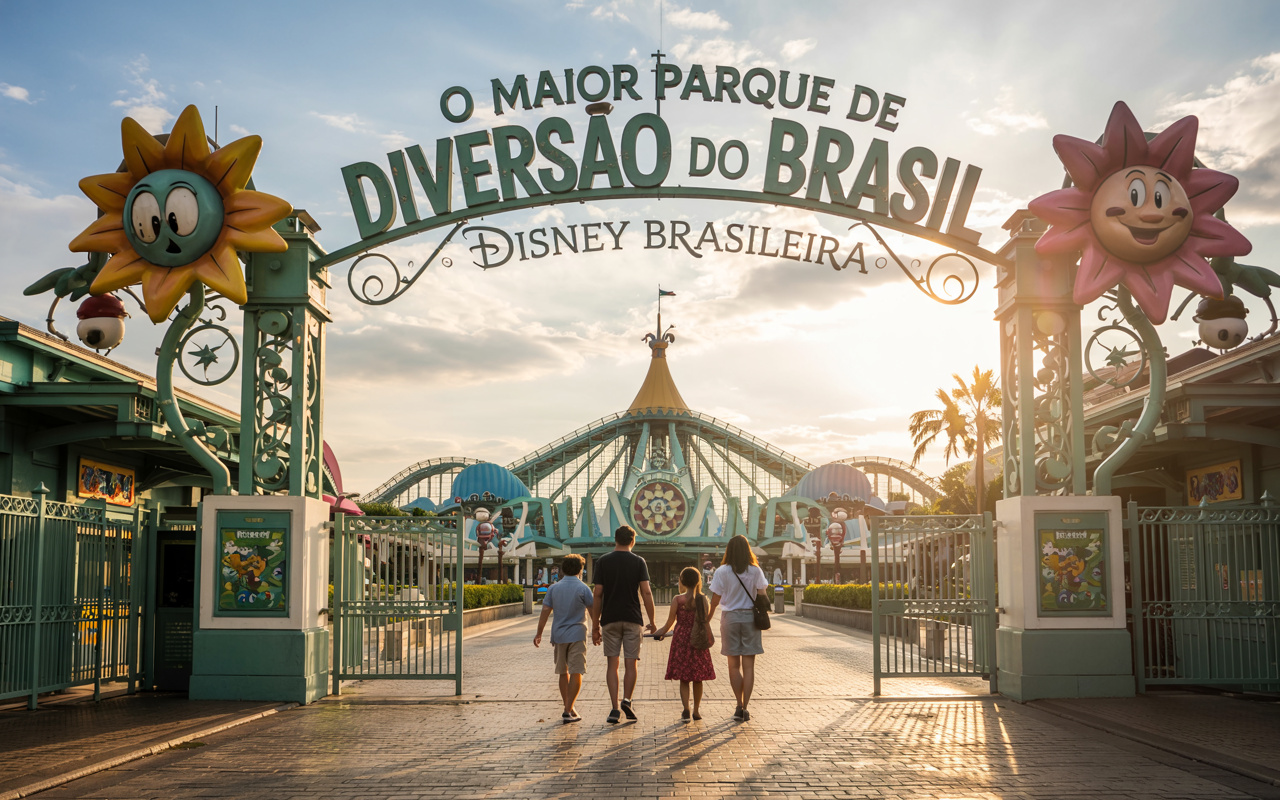
Abandoned After Years Of Promises, The Most Ambitious Theme Park In Brazil Became A Symbol Of Waste. Discover How The $235 Million Project, Known As The “Brazilian Disney,” Failed Even After Being The Largest Park In The Country
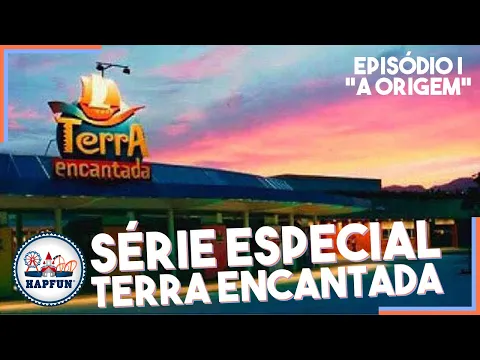
Inaugurated in January 1998, Terra Encantada was the largest amusement park in Brazil at its launch. With an investment of $235 million, the project had the support of companies like Coca-Cola, Petrobras, and BNDES. The target was ambitious: to attract 3.5 million visitors a year, with a ticket revenue of $70 million. Located in Barra da Tijuca, western Rio de Janeiro, the theme park featured over 85 attractions in an area of 300,000 m². The proposal combined entertainment with references to Brazilian culture. It was the beginning of a dream that earned it the nickname of Brazilian Disney.
Problems From The Beginning
Despite the promise, the inauguration was marked by delays. Planned for 1997, it only took place in January 1998 — still with several attractions out of service or under construction. There were signage failures, disorganized lines, and reports of inefficient service.
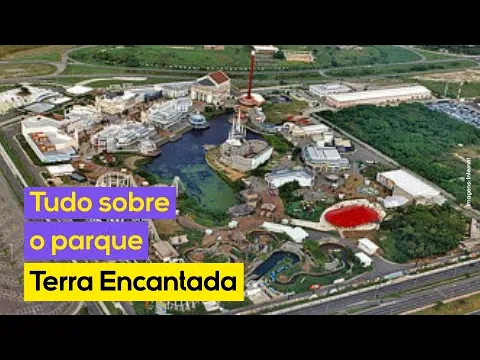

The rush to take advantage of the summer harmed the first impression and directly impacted the flow of visitors in the first months. The lack of tests and operational adjustments compromised the project from the start.
-
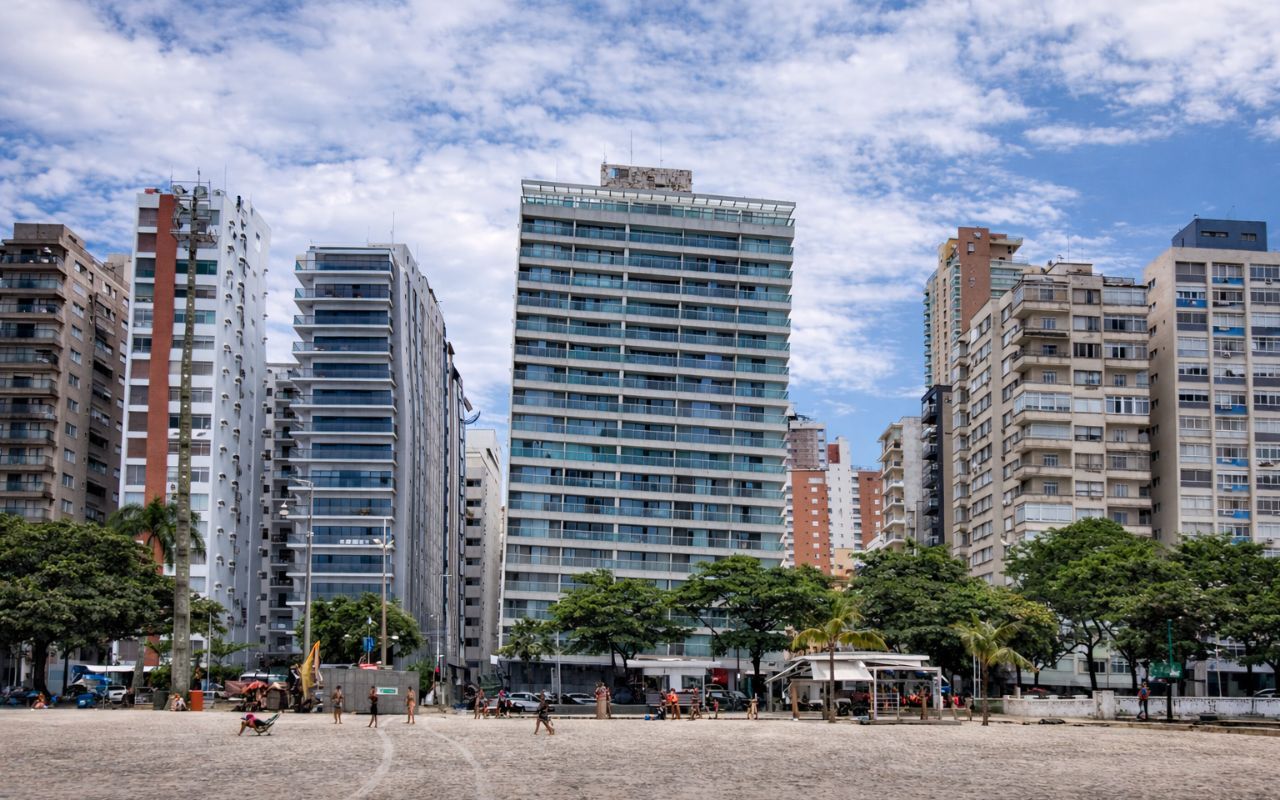
The Brazilian city has 319 crooked buildings built on sandy soil without proper deep foundations, houses the largest beach garden in the world, with over 5 km, and is still considered the birthplace of surfing — meet Santos, in São Paulo.
-
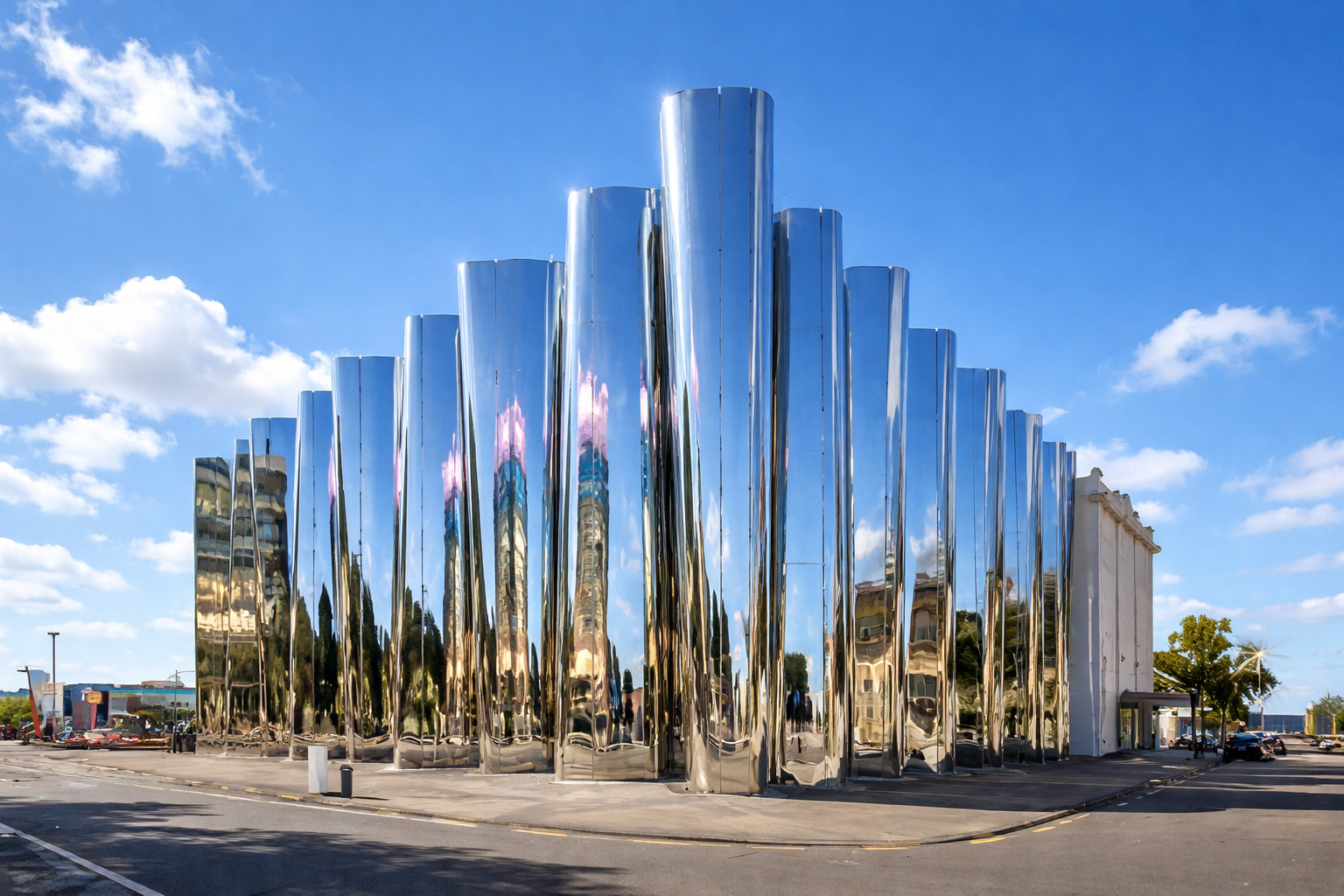
New Zealand builds a shimmering building that vibrates, featuring a 62-seat cinema, moving sculptures, and an environment where sound, light, and energy are felt in the body.
-
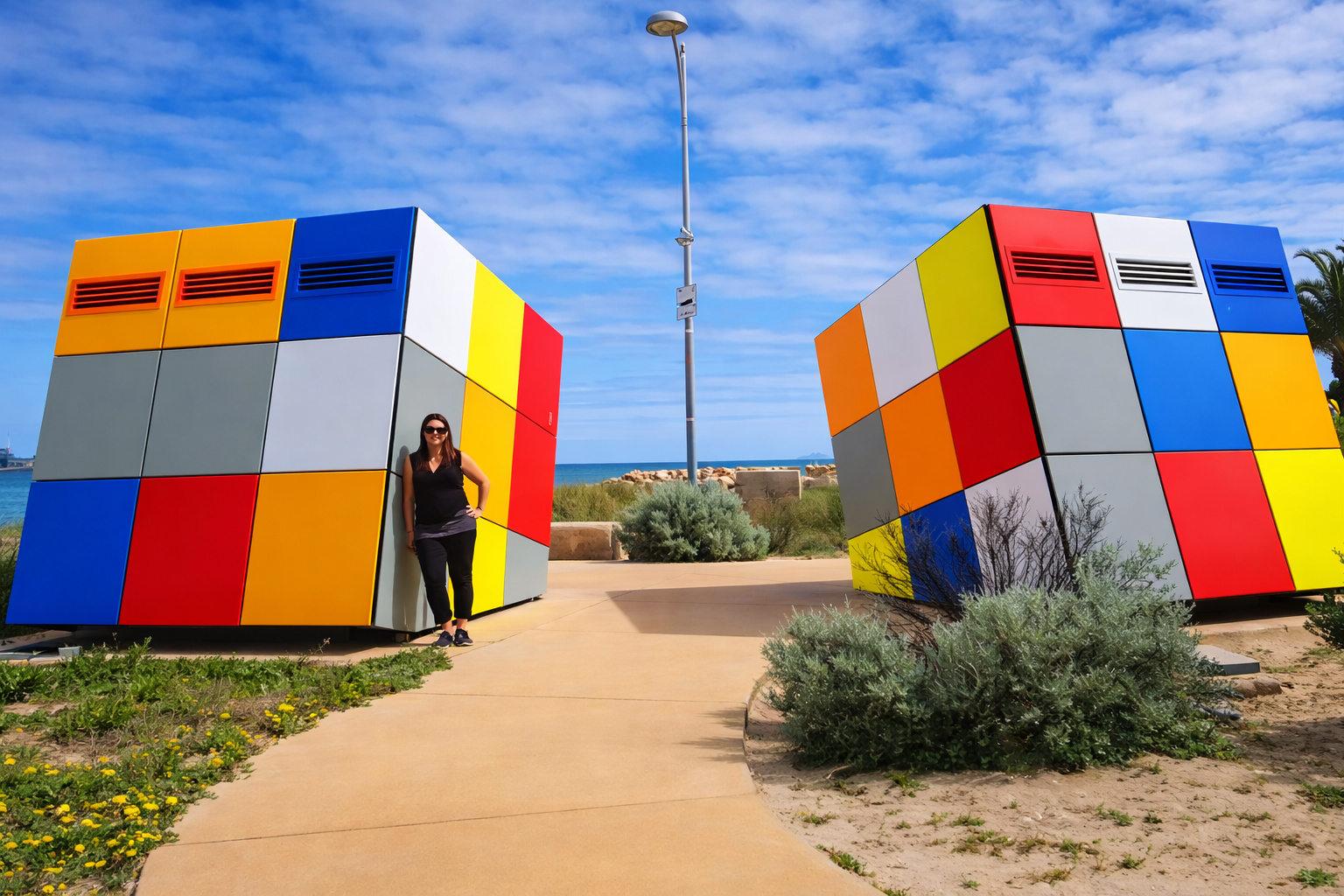
Two colored cubes of 2.5 m transform a public bathroom into a selfie spot in Western Australia, costing up to 75% less than traditional construction and helping to reduce vandalism in public spaces.
-
Santa Catarina produces up to 7 times more than it consumes in some sectors, and its century-old industries founded by grandparents and great-grandparents now compete on equal footing with Germany and the United States in the international market.


Accidents And Insecurity
In the first months, actress Isis de Oliveira suffered a serious fall from the “Kabum” drop tower, injuring her spine. The case gained national repercussions and raised alarms about security failures.
In the following years, new accidents reinforced the public’s distrust. In 2002, during a concert by the band Charlie Brown Jr., a riot left injuries and stores looted. In 2004, a balloon fell on the Monte Makaya roller coaster, causing a fire. And in 2005, a young man suffered a traumatic brain injury after falling from an attraction. Each episode undermined the park’s reputation.
The Decline Of The Theme Park In Brazil

The most tragic episode occurred in June 2010, when Heydiara Lemos Ribeiro, 61, died after being thrown from the “Monte Aurora” attraction. The investigation concluded that she was not properly secured in her seat. This tragedy led the Public Prosecutor’s Office to close the park permanently.
As a result, Terra Encantada lost any chance of recovery. Public trust was irreversibly shaken, and the park ceased operations in that same year.
From Tourist Promise To Symbol Of Abandonment
After the closure, the park’s structure was left abandoned. Vegetation took over, vandalism intensified, and the equipment quickly deteriorated.
In 2013, the land was sold for about R$ 1.5 billion to the construction companies Cyrela and Queiroz Galvão. In place of the old park, high-end condominiums emerged. No cultural, leisure, or memorial projects about the park were developed on-site.
Economic And Social Impact Of The $235 Million Park
The $235 million park was designed to operate with sustainable profit, but the reality was different. The number of visitors never reached the projected level, and high operating costs made the business unviable.
About 1,500 employees were laid off with the closure. Retailers and merchants in the surrounding area lost customer flow. The economic impact was felt not only by the company but also by the surrounding community.
The Affective Memory That Remained
Despite all the problems, Terra Encantada left memorable memories for those who visited the site. On social media, it is common to see former visitors reminiscing about shows, attractions, and the park’s unique aesthetic. Forums and YouTube videos keep the nostalgia for what could have been alive.
This affective memory also highlights the lack of quality leisure options in Brazil. The failure of Terra Encantada still sparks debate about the viability of a large theme park in Brazil.
Comparisons With International Parks
International parks, such as those from Disney, have solid operations, strict protocols, and constant reinvestment. The Disneyland Resort, for instance, attracts over 18 million visitors a year and continues to expand its themed areas and attractions.
The so-called Brazilian Disney failed precisely where these brands excel: in standardization, maintenance, and efficient management. There was no long-term planning nor updates to maintain public interest.
Model Without Adaptation To The National Market
Another mistake was trying to replicate foreign models without adaptations to the Brazilian reality. The high ticket prices, lack of public transportation, and remote location hindered access for a large portion of the population.
Moreover, there were no social inclusion policies or educational actions that integrated the park into the country’s cultural life. It was an expensive product that was distant from most Brazilians.
The Legacy Of The Largest Park In Brazil
The failure of the largest amusement park in Brazil offers valuable lessons. It is not enough to build a mega-structure: it is necessary to ensure safety, effective operation, and engagement with the public. The lack of a contingency plan was also fatal. When problems arose, management lacked the flexibility to respond.
For new ventures to thrive, it is essential to think beyond the opening. A park must evolve over time, renew attractions, listen to visitors, and maintain quality standards.
What The Industry Can Learn?
- Safety Must Be An Absolute Priority.
- Financial Planning Needs To Be Realistic.
- The User Experience Is The Park’s Greatest Asset.
Projects aiming to launch a new theme park in Brazil must study deeply what did not work in Terra Encantada. The entertainment sector demands consistency, innovation, and social responsibility.
What Is Left Of The Brazilian Disney?
Terra Encantada started as a promise: to transform national leisure with a theme park of international standards. With grand architecture, modern attractions, and a striking visual identity, it aspired to be the Brazilian Disney.
However, what was witnessed was a combination of negligence, mismanagement, and tragedies. The park, which cost so much and drew so much expectation, became a symbol of waste and lost opportunity.
Today, the land hosts luxury buildings. But the memory of the largest amusement park in Brazil – Terra Encantada remains alive — as an example of what Brazil still needs to develop to offer truly safe, accessible, and lasting cultural and leisure experiences.






-

Uma pessoa reagiu a isso.