





 Portuguese
  English
  Spanish
  4 min of reading
  0 comments


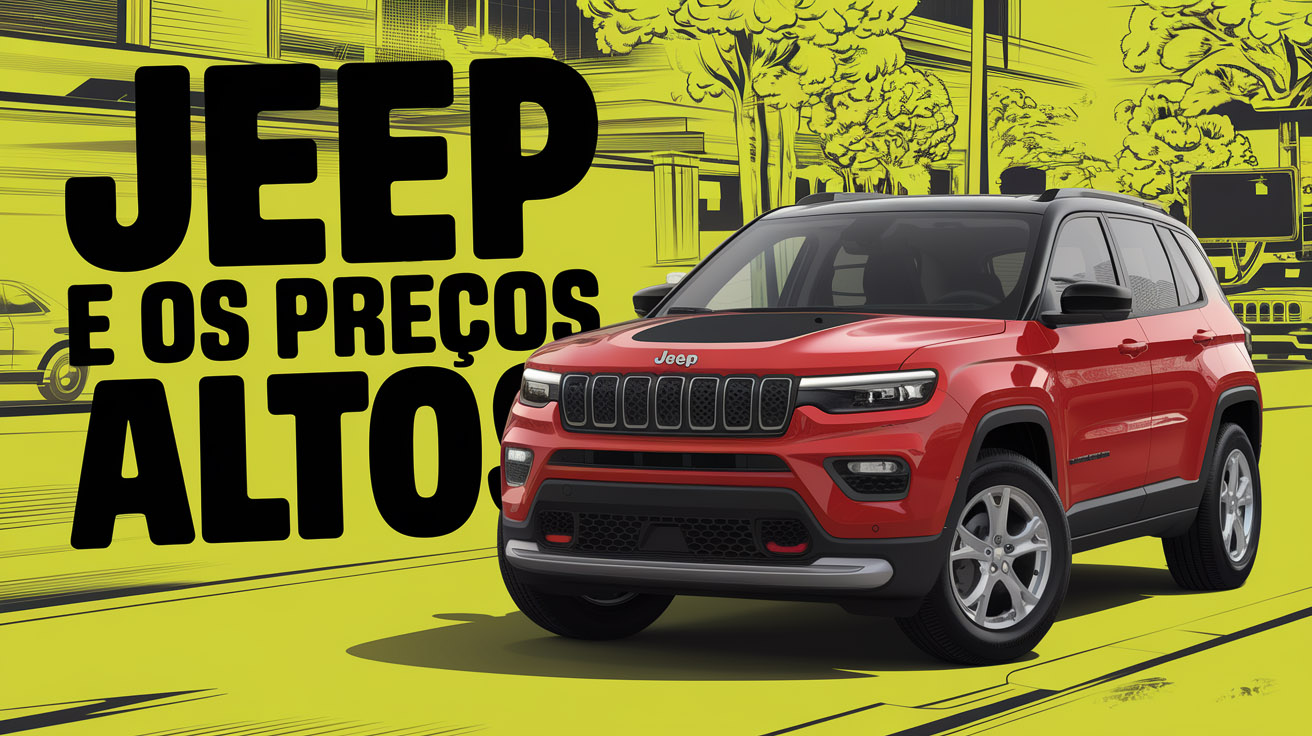
Jeep Acknowledges That It Overcharged for Its SUVs and Promises Changes. Models Like the Grand Wagoneer Have Already Seen Cuts of Up to US$ 7,000 in the U.S. Will Brazil Also See Reductions? Discover What the Brand’s Director Has Revealed About New Strategies to Regain the Trust of the Public and Dealers.
If you think that buying a new car in Brazil is difficult, know that even automakers are recognizing that the prices of their models are out of touch with reality.
Jeep, one of the most iconic brands in the automotive sector, has publicly admitted that it was “too far” with its vehicle pricing strategies.
But what does this mean for consumers? Will we finally see significant promotions for the brand’s highly desired SUVs?
-
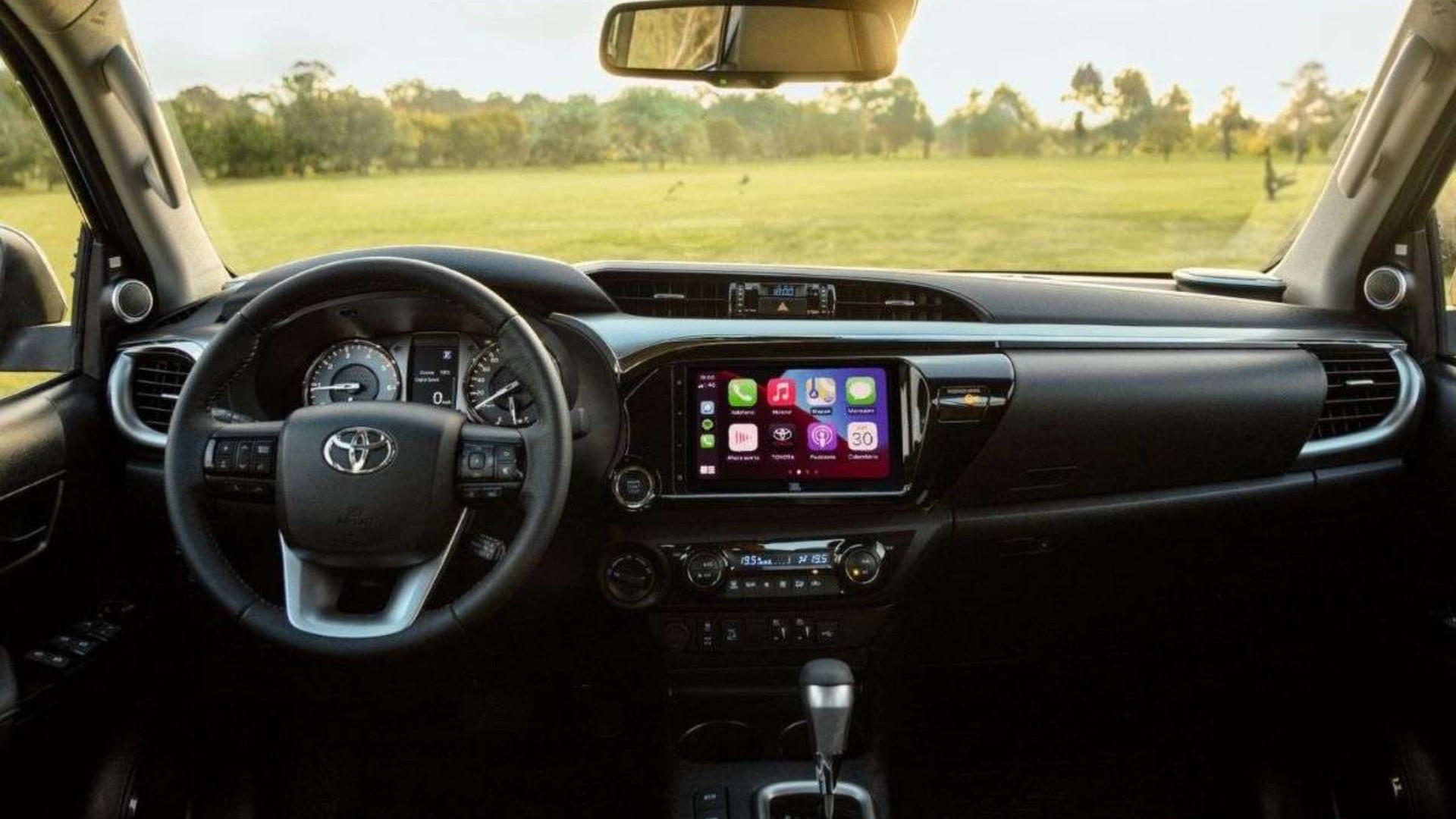
The Toyota Hilux is R$ 75.5 thousand cheaper and bets on the 2.8 turbodiesel engine with up to 204 hp and 50.9 kgfm to catch up with the VW Saveiro, which leads with 4,472 sales.
-
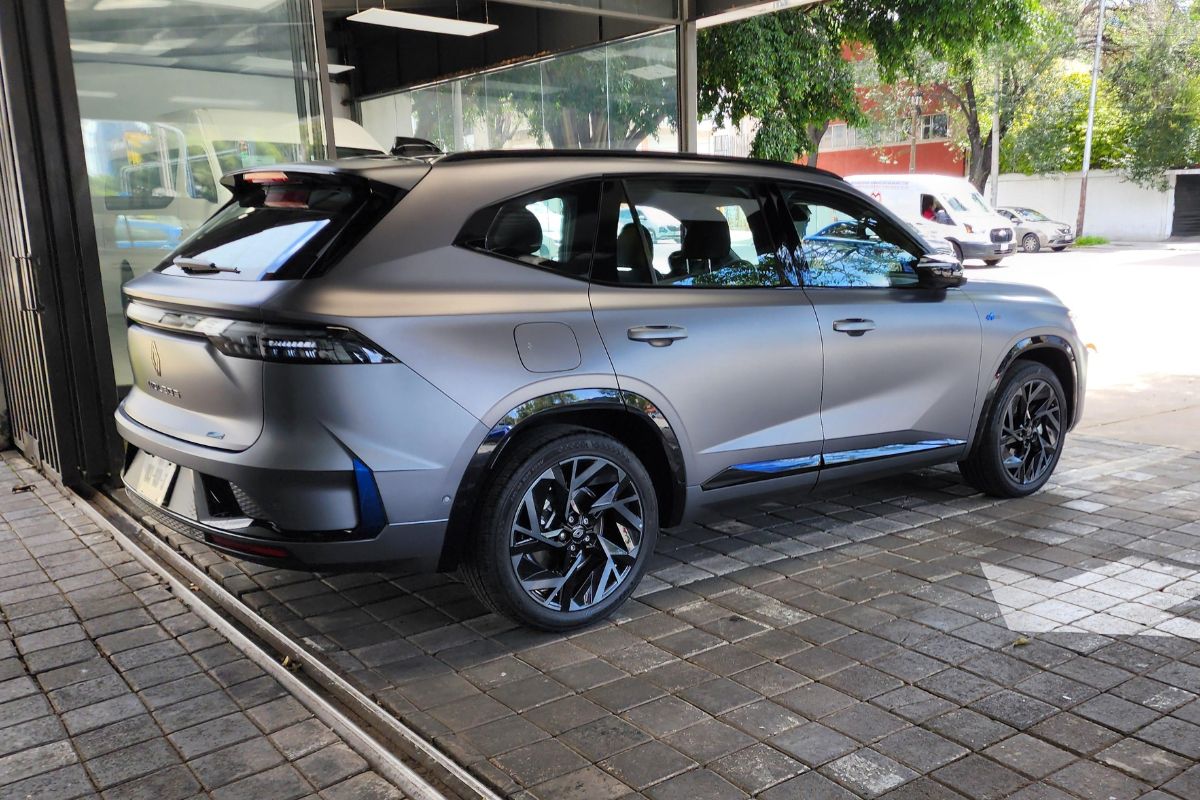
The new Renault Koleos has a screen exclusively for the passenger that is invisible to the driver, heated rear seats, and 29 assistance systems, but its Chinese competitors cost R$ 40,000 less and deliver more power.
-
The car stored for 38 years: when opening the barn door, what appears is breathtaking and looks like a scene from a movie!

-
Fiat works miracles in the Brazilian market, lowers the price of its 0 km hatch to R$ 69,990, reestablishes the model as the cheapest car in the country, and reignites the battle against Kwid and C3.

In Brazil, the most expensive Jeep model is the Grand Cherokee 4xe, a luxurious hybrid SUV that costs an impressive R$ 549,990.
This price positions it as a product for the few, although Jeep’s history has not always been closely associated with the premium market.
Since the 1990s, when its models were imported in small quantities, the American brand aimed at consumers willing to pay more for robustness and exclusivity.
However, the increasing pursuit of elevating the status of its vehicles may have alienated part of its target audience.
Jeep Acknowledges Excessive Pricing
In the United States, the brand’s country of origin, Jeep is facing a similar scenario. One of the most emblematic cases is the Grand Wagoneer, a large SUV that, in fully loaded configurations, exceeds 100 thousand dollars.
For comparison, it can be more expensive than the legendary Cadillac Escalade, a symbol of luxury in the American market.
Even the director of Jeep for North America, Bob Broderdorf, admitted that certain market strategies were “too far.”
During the Detroit Auto Show in January 2025, Broderdorf explained that high prices, combined with practices that limited consumer choice, impacted the trust of both customers and dealers.
“There’s a very fine line about where to go,” he said. “When creating demand, you need to balance supply: not 1,000 units more, nor 1,000 less. Some strategies have crossed that line.”
Questionable Strategies: Content as “Hostage”
Broderdorf pointed out a practice that generated dissatisfaction: the inclusion of desired items only in more expensive packages, forcing the consumer to pay for additional features they often did not need.
“Some of the measures we took, I even refer to as ‘taking content hostage.’ This made it difficult to get just what the customer really wanted without inflating the vehicle’s final cost,” the director stated.
But things seem to be changing. According to Broderdorf, Jeep is reviewing these strategies and promises to “unlock” customization options so consumers can choose only the items they want.
He also assured that new price adjustments are on the way.
Price Reductions Have Already Started
One proof of this change was seen in Jeep’s new price list in the United States for 2025. Models like the Wagoneer and Grand Wagoneer saw significant cuts.
The Grand Wagoneer, for instance, now costs US$ 7,000 less, with a starting price of US$ 86,945.
Meanwhile, the Wagoneer, depending on the trim level, saw a reduction of US$ 3,000 to US$ 6,000.
To top it off, the Grand Cherokee, one of the brand’s most popular models, is also more accessible.
The higher trim levels saw reductions of up to US$ 4,000, and all this without removing any equipment from the configurations.
Broderdorf emphasized that the idea is to make the brand competitive again without compromising the perceived quality of the vehicles.
“The prices are aggressive, we are competitive. Jeep is iconic for a reason, but this has to make sense for people,” he stated.
The Future of Jeep in the Brazilian Market
In Brazil, the impact of these changes is still uncertain. Models like the Compass and Renegade remain among the best sellers in the SUV segment, but the high price of top-of-the-line versions may deter some buyers.
For the brand to regain the balance between supply and demand, it will be necessary to adopt the same logic of cuts that is already being applied in the United States.
Although Jeep is known for its robustness and reliability, one question persists: Are Brazilian consumers willing to pay high prices for a brand that, while iconic, does not have the same premium pedigree as competitors like BMW and Audi?
With the automotive market becoming increasingly competitive, Jeep’s success will depend on its ability to win back public trust and offer a balance between price, quality, and customization.
Do you think Jeep will be able to reclaim its space in the market by lowering prices, or is the perception of a “luxury brand” already too entrenched? Leave your opinion in the comments!









-

Uma pessoa reagiu a isso.