





 Portuguese
  English
  Spanish
  4 min of reading
  0 comments


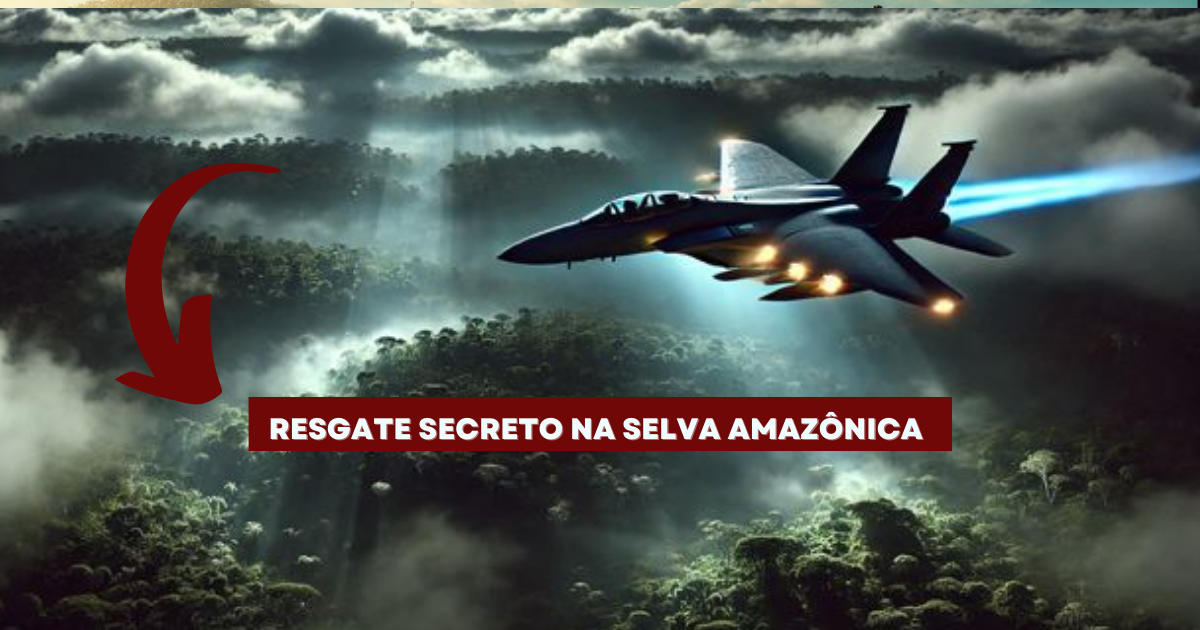
In 2003, the Brazilian Air Force conducted a secret operation in Peru to rescue 71 hostages held by the guerrilla group Sendero Luminoso. Using an advanced technology jet, the R-99B, the mission was carried out successfully and without violence, revealing the effectiveness of the Brazilian Air Force in high-risk and confidential situations.
Have you heard about the Brazilian Air Force’s secret operation that challenged the Amazon rainforest and the violence of the Sendero Luminoso group to save dozens of hostages? This episode, kept confidential for nearly two decades, is one of the most impactful and risky missions ever undertaken by Brazilian military personnel.
In June 2003, at the request of the Peruvian government, the Brazilian Air Force embarked on a secret mission that involved cutting-edge technology and extreme strategy to rescue 71 people in the dense forest.
The details and outcome of this rescue are worthy of an action movie, but few know about the impact and tensions that marked this historic operation in South America.
-
The German “steel monster” weighing 55 tons fires up to 10 projectiles per minute at over 40 km and avoids counterattacks on the battlefield by moving quickly to escape enemy attacks; meet the Panzerhaubitze 2000.

-
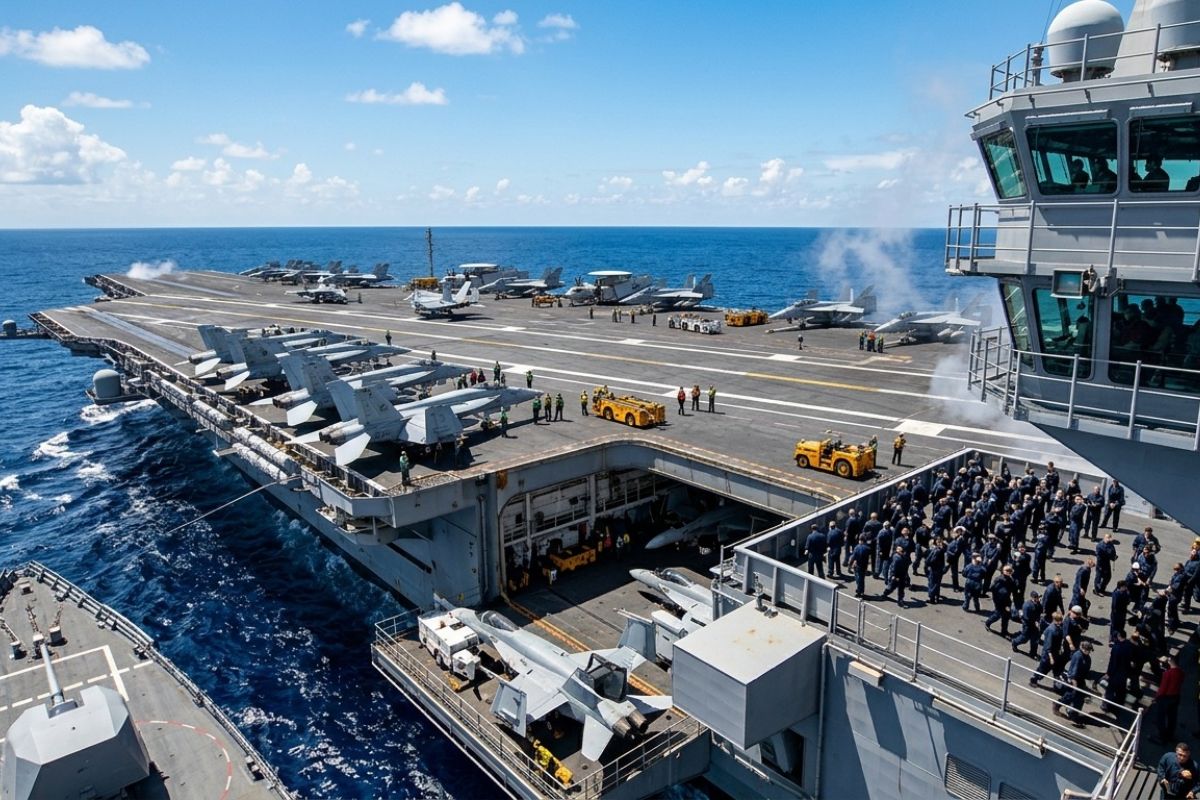
USS Gerald R. Ford, the largest aircraft carrier in the world, returns to sea after a fire in the laundry in the Red Sea; repaired in Crete, it resumes missions of Operation Epic Fury against Iran.

-
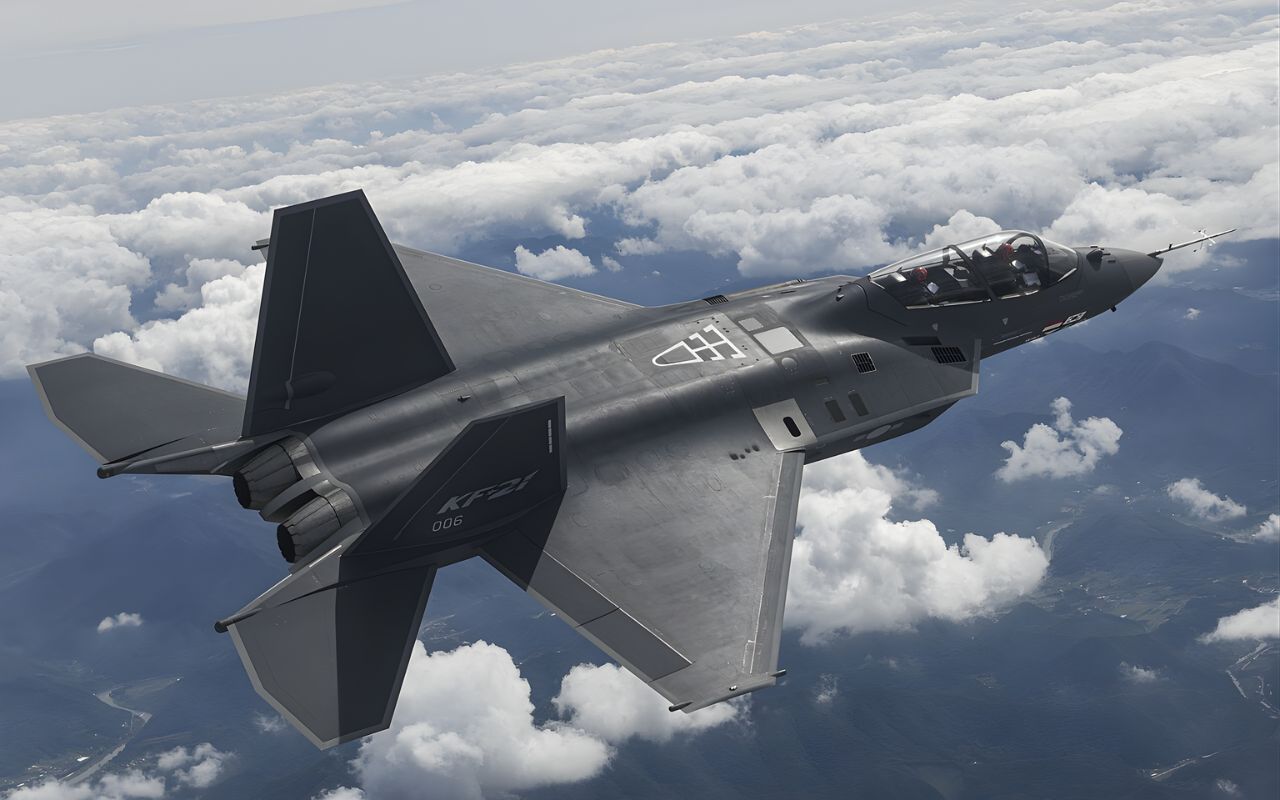
Military power: South Korea’s new KF-21 fighter jet will be a key component in replacing the aging aircraft of the air force, placing the country on the map of air military powers.
-
With 310 meters, 80 thousand tons, and capable of operating for 45 years, the new nuclear aircraft carrier France Libre will be the largest in France and will enter service in 2038.


A Call For Help and the Mobilization of the Brazilian Air Force
On the night of June 9, 2003, Brazil received an emergency call. The President of Peru, Alejandro Toledo, had urgently requested assistance from the Brazilian government to rescue 71 hostages kidnapped by Sendero Luminoso, a Maoist guerrilla group operating in the country’s Amazon regions.
Among the victims were employees of the company Techint, who were working on the construction of a gas pipeline in Ayacucho, and Peruvian police officers.
The situation was critical. The guerrillas demanded a ransom in cash, as well as weapons and explosives, and threatened reprisals if the conditions were not met.
The Peruvian government, aware of the expertise and advanced tracking technology of the Brazilian Air Force, turned to Brazil as a last resort to resolve the kidnapping without violence.
Mobilization In Record Time
According to Istoé magazine, Brazil quickly responded to the appeal. At the Air Base in Anápolis, Goiás, a team of eight Brazilian Air Force military personnel hastily boarded an R-99B jet.
Equipped with state-of-the-art sensors, the Embraer R-99B has advanced aerial monitoring and reconnaissance capabilities, allowing it to track large areas and identify specific targets, even in remote and densely wooded regions.
In the early hours of June 10, the Brazilian Air Force plane landed in Lima, where the Brazilian military was received by the Peruvian Air Force (FAP).
Only at that moment did the pilots and technicians of the Brazilian Air Force learn about the nature of their mission: to locate the group of guerrillas and the hostages in the Amazon rainforest.
With the support of the FAP, the Brazilian team was briefed on the operation’s details and received the coordinates to begin tracking.
Brazilian Technology Comes Into Play
The Embraer R-99B, a highly advanced national technology aircraft for the time, became the operation’s main asset.
Equipped with Synthetic Aperture Radar (SAR), Hyperspectral Scanner (HSS), Multispectral Scanner (MSS), and Optical and Infrared Sensor (OIS), the Brazilian Air Force plane flew over the rainforest, capturing VHF radio signals emitted by the guerrillas.
In less than an hour of monitoring, the tracking systems identified a transmission in the village of Toccate.
According to military personnel involved in the mission, the signals came from a Sendero Luminoso camp, where the hostages were being held under surveillance.
Tactical Rescue Operation
After locating the camp, the Brazilian Air Force immediately relayed the coordinates to the Peruvian Air Force’s ground operations team.
Helicopters and aircraft were quickly dispatched to the location to surround the camp and pressure the kidnappers into surrendering.
According to military sources, the presence of the air forces caused a wave of tension among the guerrillas, who opted to gradually release the hostages.
One by one, the captives were freed while the guerrillas sought ways to escape through the dense Amazon rainforest.
Return And Recognition
After the last hostage was freed, the operation was deemed a complete success. No shots were fired, and the operation ended without injuries.
The Embraer R-99B then returned to the base in Lima, where the Brazilian military held a brief meeting with Peruvian officials to assess the mission.
On the morning of June 11, the Peruvian Minister of Defense, Aurelio Loret de Mola, visited the base in Lima to thank the Brazilian military for their work.
He took the opportunity to inspect the interior of the R-99B and publicly acknowledge the importance of Brazilian support in the rescue mission.
Confidentiality And Recognition
Despite the success, the Brazilian government kept the operation confidential, both in Brazil and Peru. In an official statement, the then Minister of Defense of Brazil, José Viegas, refused to comment on the mission details.
However, an Air Force officer, speaking on condition of anonymity, stated that the operation exemplified the potential of the Amazon Surveillance System (SIVAM) for regional monitoring and protection beyond national borders.
The events of June 2003 remain largely shrouded in secrecy, but the episode is remembered as a landmark of collaboration between Brazil and Peru in favor of continental security.
The story is also a testament to the technological advancement and operational skill of the Brazilian Armed Forces in carrying out high-risk missions.
And what do you think? Have other secret operations taken place without our knowledge?





Seja o primeiro a reagir!