





 Portuguese
  English
  Spanish
  3 min of reading
  0 comments


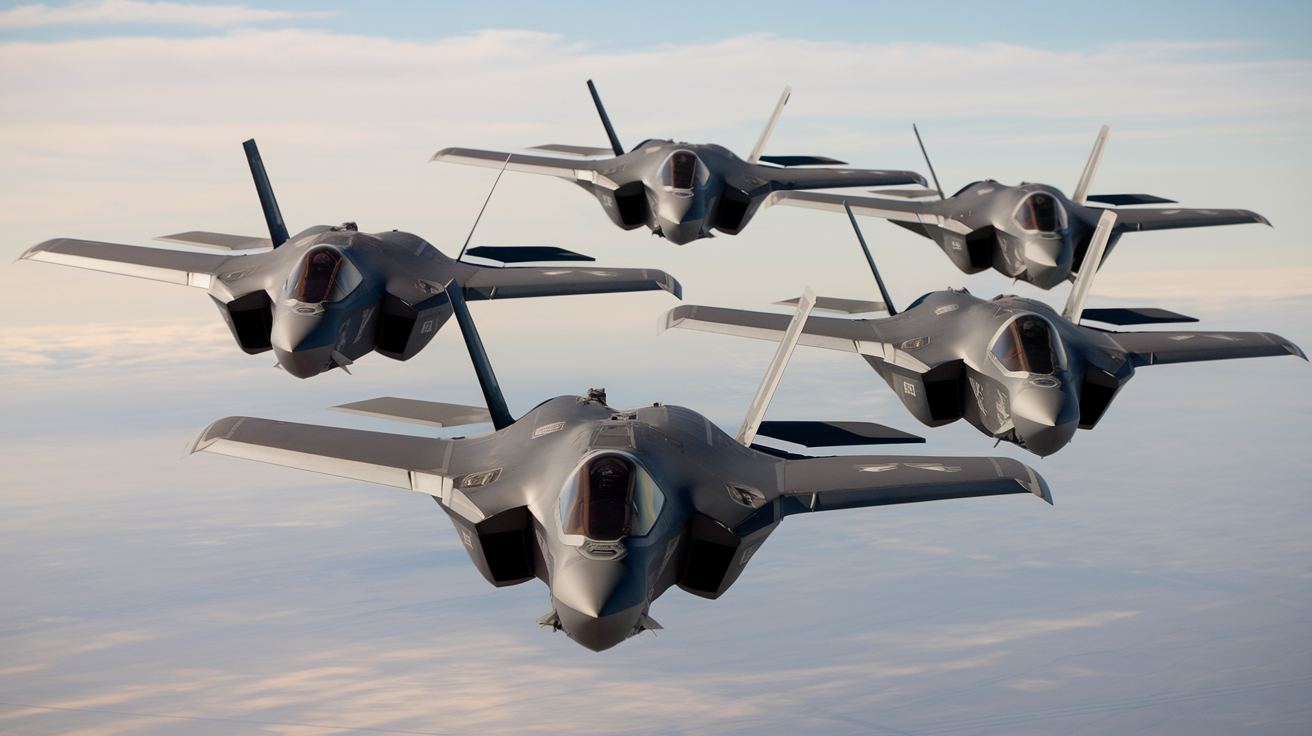
U.S. Air Force and Navy Will Receive Thousands of F-35 Fighters. Meet the New Stealth Supersonic Jet with Futuristic Technology and Vertical Takeoff Capability.
The U.S. is reinforcing its military power with 2,456 units of the advanced F-35 fighter jet, which will equip both the Air Force and the Navy. This fifth-generation supersonic jet stands out for its vertical takeoff capability, stealth technology that makes it nearly invisible to the world’s most sophisticated radars, and its role as an aerial intelligence hub. Fully integrated with real-time communication systems, the F-35 is not just a fighter jet, but a key component in modern air dominance, combining lethality, versatility, and unprecedented connectivity. This robust investment reflects the United States’ commitment to ensuring technological and strategic superiority against global threats.
The Production of the Stealth Supersonic Jet
The F-35B fighters, equipped with an engine that generates 191 kN of thrust and state-of-the-art sensors capable of seeing targets in any direction, redefine the concept of air power. With stealth technology inherited from the F-22 Raptor and the ability to operate from small amphibious vessels of the Navy, this war machine is a masterpiece of engineering that is shaping the future of military aviation.
The development of the stealth supersonic jet is mainly funded by the United States, with support from allied countries of the NATO and partners such as Australia, Canada, Denmark, Italy, Netherlands, Norway, the United Kingdom, and previously Turkey.
-
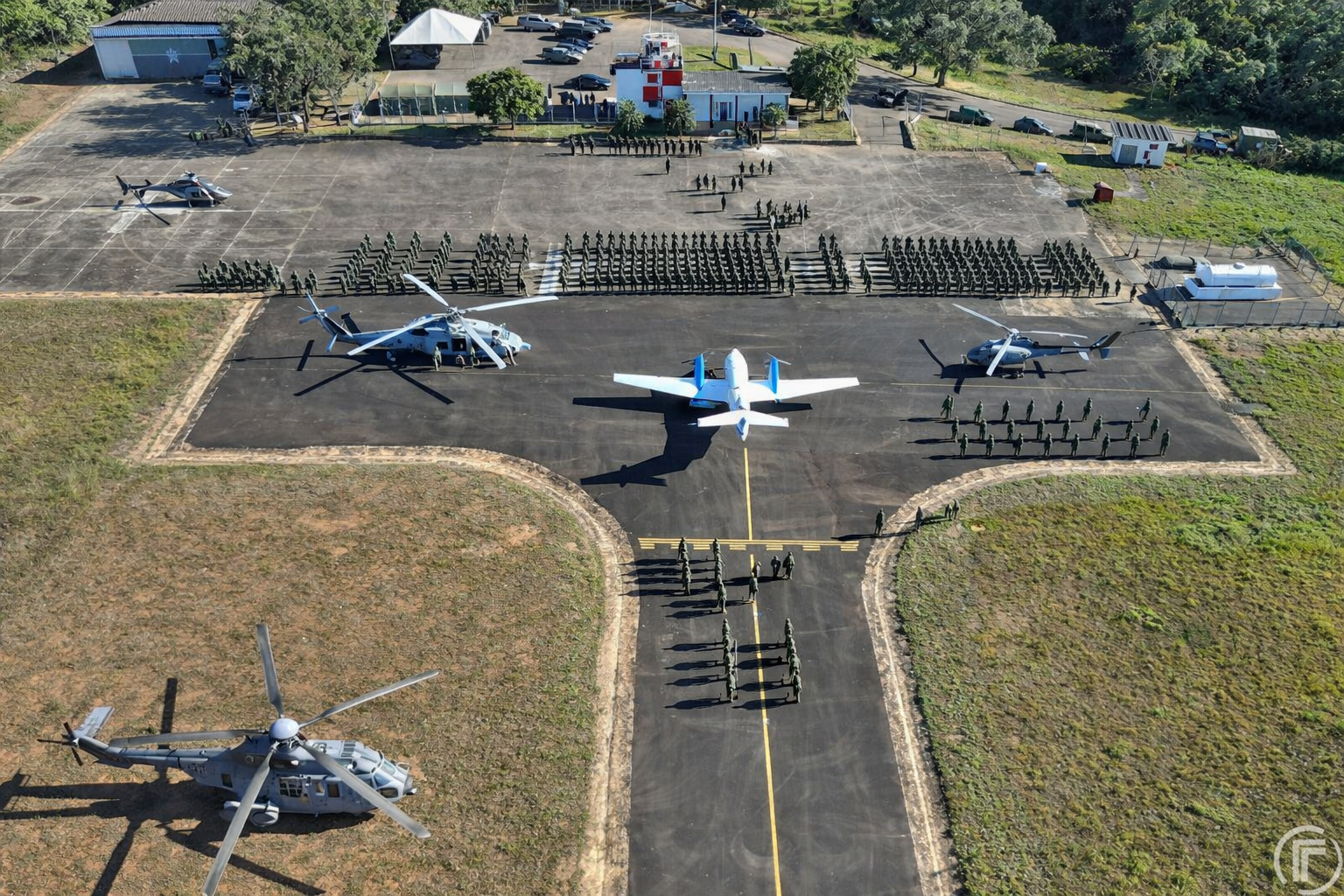
Furnas Airport is handed over to the Navy and becomes a strategic base with complete military operations, attack drones, and international mobilization at Furnas Lake.
-
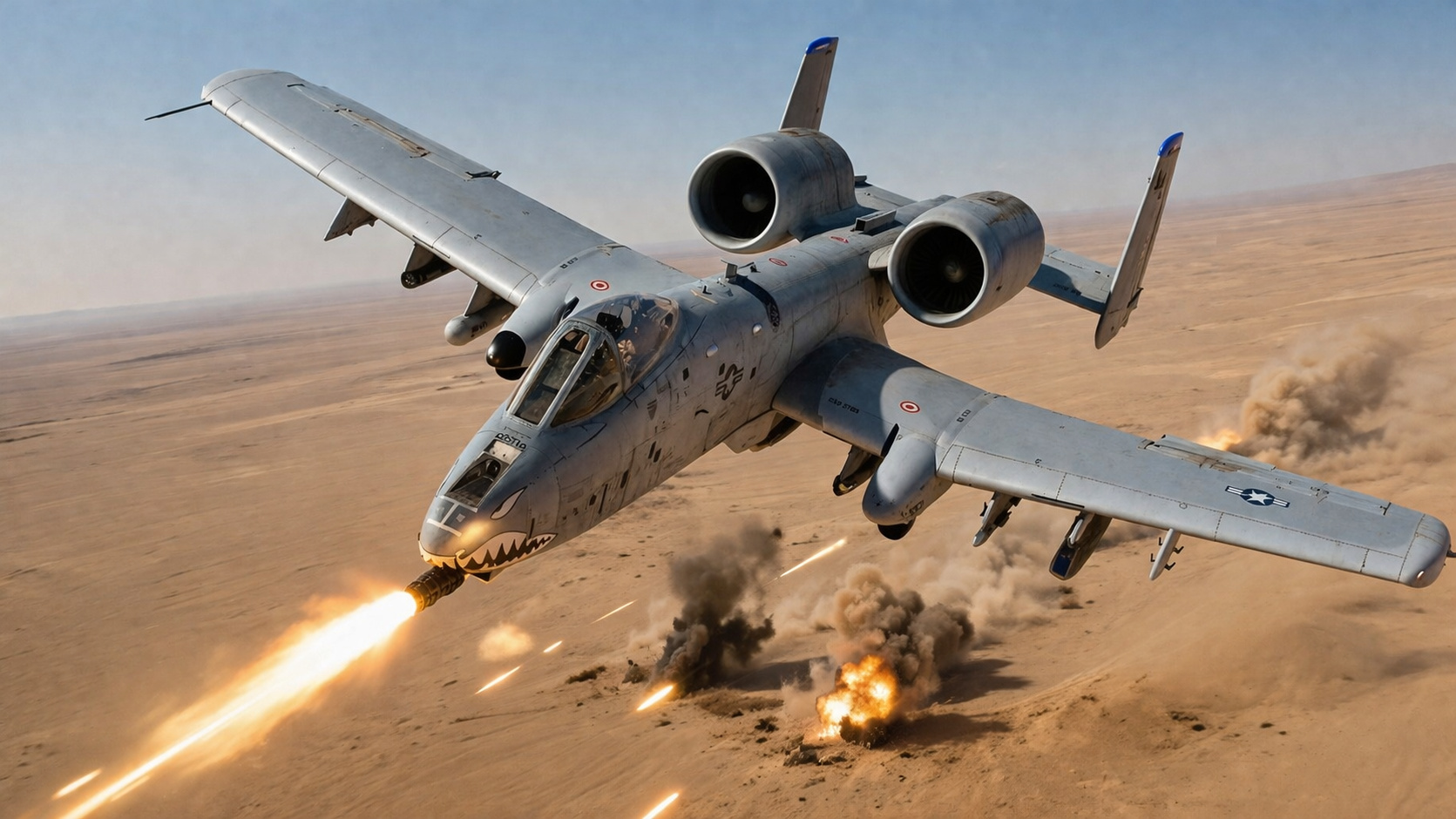
Few people know, but “mega burst” attacks from the A-10 in the Middle East are intriguing analysts and even experienced former pilots of the U.S. Air Force.
-
Spain challenges the USA and closes its airspace for operations against Iran, raising global tension and provoking the threat of a trade rupture.

-
Manufactured in Brazil and exported to Saudi Arabia and Malaysia, the ASTROS system is renamed as Fogos in 2026, gaining AI, cruise missiles with a range of 300 km, and air defense costing R$ 3.4 billion, transforming a launcher from the 1980s into the most ambitious multidomain platform in Latin America.

Other countries have also placed orders or are evaluating the purchase of the aircraft. Despite its strategic relevance, the program has faced criticism for its complexity, escalating costs, and delays in deliveries. The production strategy during the development and testing phase led to costly design adjustments and retrofits.
When Will the F-35 Fighter Units Arrive at the U.S. Air Force?
As of July 2024, the average production costs for each stealth supersonic jet were $82.5 million for the F-35A, $101 million for the F-35B, and $112.1 million for the F-35C.
The F-35 made its first flight in 2006 and entered operational service with the U.S. Marine Corps (F-35B) in July 2015, followed by the Air Force (F-35A) in August 2016 and the Navy (F-35C) in February 2019. The aircraft was first used in combat in 2018 by the Israel Air Force.
The U.S. Air Force and Navy plan to acquire 2,456 units of the F-35 by 2044, which will represent the majority of the manned tactical aviation of the Air Force, Navy, and Marine Corps for decades. The stealth supersonic jet is set to be the centerpiece of NATO air power and that of U.S. allied countries, with operations planned until 2070.
Differentiators of the F-35B Fighters for the Air Force
The F-35B is widely regarded as one of the most advanced aircraft ever developed. Although the U.S. Air Force’s F-35B fighters have been optimized for stealth and versatility, this has come with some trade-offs. For instance, the additional weight of the lift fan reduces fuel capacity and the range of the stealth supersonic jet compared to other models.
Moreover, its maximum speed is 1.6 Mach, lower than that of the F-22 Raptor (2.2 Mach). However, these limitations are offset by its ability to operate in highly complex environments, such as amphibious ships and short runways.
The advanced materials used in the construction of the F-35B, such as carbon nanotube-reinforced composites, also ensure strength and lightness. These materials absorb radar waves across a wide range of frequencies, including those used by modern air defense systems, including the Russian S-400.










-

Uma pessoa reagiu a isso.