





 Portuguese
  English
  Spanish
  3 min of reading


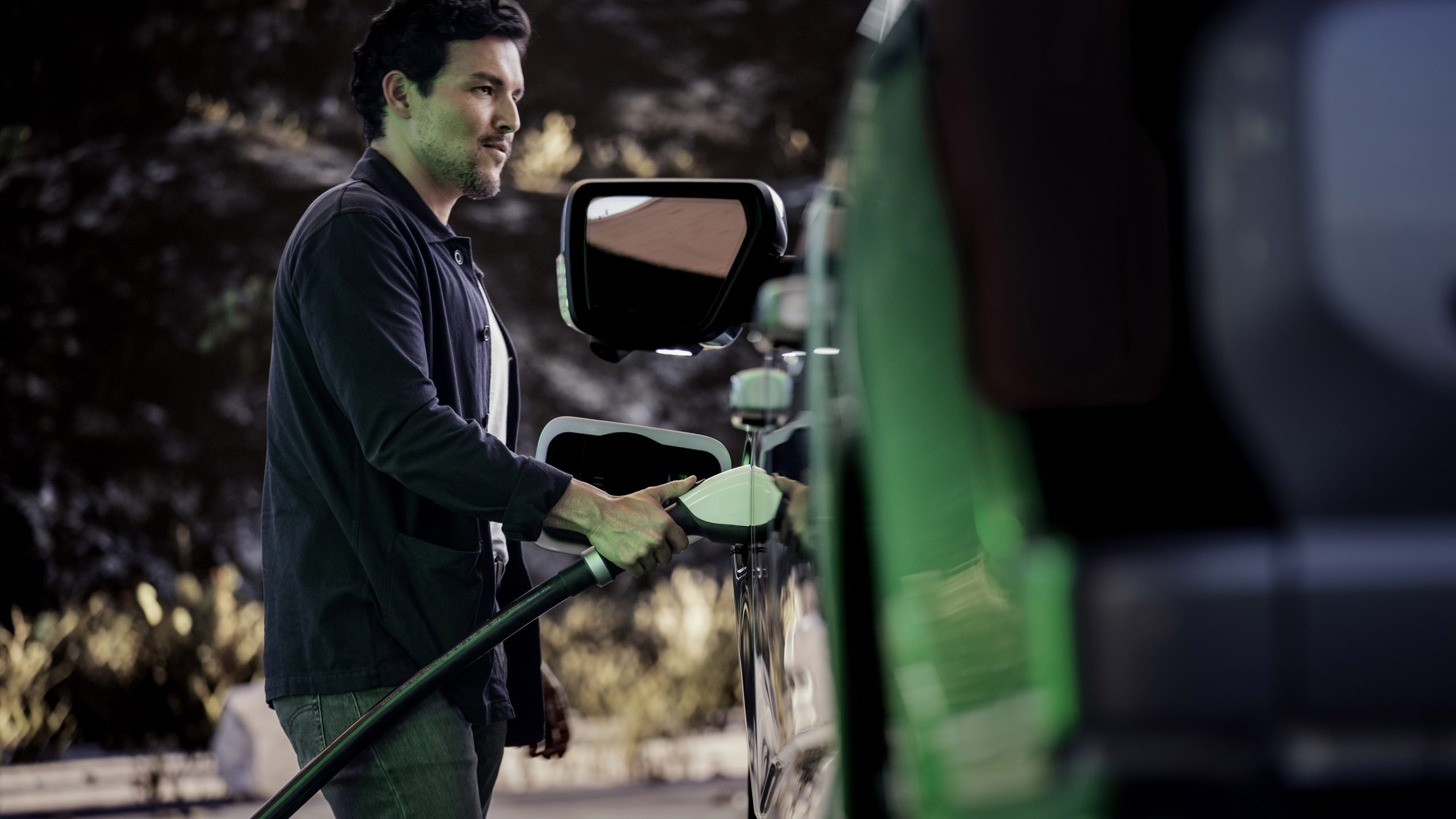
Trying to Solve One of the Biggest Impasses in the Sustainable Mobility Sector, Which Is the Charging Time of Electric Cars, Multinational Ford Developed a Cable That Will Be Able to Charge As Fast As Refueling an Internal Combustion Model
One of the biggest challenges currently faced by the sustainable mobility sector is the charging time of electric cars. On average, it takes at least 40 minutes of waiting at a charging station, which are very rare here in Brazil. Currently, the fastest technology is Tesla’s Supercharge, which takes about 20 minutes. One of the limitations regarding the charging time of electric cars is the danger posed by the high heat generation since the faster the charging, the higher the current, and consequently, the greater the amount of heat generated. However, the technology of the moment is that of Ford, which promises to be the fastest on the market when compared to internal combustion vehicles during refueling.
Read Other Related News
Ford Works on New Technology with Purdue University
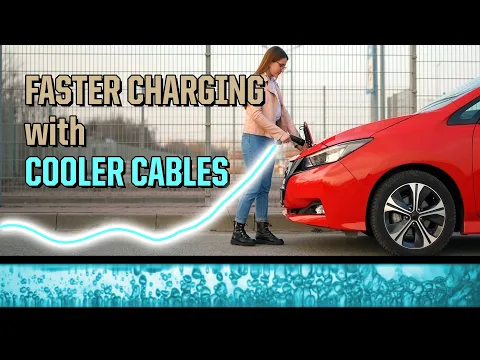

Ford, in partnership with Purdue University in Indiana, has developed a technology that promises to make the charging process for electric cars 4.6 times faster, offering charging times similar to refueling an internal combustion vehicle at a gas station. The secret to Ford’s technology is a charging cable with liquid cooling.
-
It surpassed the T-Cross, Creta, and Tracker: with nearly 8,000 units sold, the Volkswagen Tera was the best-selling SUV in March 2026.
-
Honda performs miracles in fuel consumption with a hatch that marks 13.2 km/l in the city and 15 km/l on the highway, leaving Polo, HB20, 208, and Onix behind and becoming a reference among compact cars without resorting to turbo or hybrid systems.

-
Six diseases that seem common but can prevent the renewal of the driver’s license for the elderly throughout Brazil and surprise experienced drivers — could any of them affect you without showing clear signs?

-
With 122 hp, fuel consumption of up to 17.7 km/l, and a trunk capacity of 440 liters, this hybrid SUV impresses even though it costs up to R$ 47,000 more than the Yaris — meet the Toyota Corolla Cross.
According to Michael Degner, Technical Leader of Ford Research & Advanced Engineering, the higher the current, the greater the amount of heat that needs to be removed to keep the cable operating.

With cooling, the cable will be able to operate at even higher currents, potentially generating an increase in power and consequently allowing for faster electric car charging compared to refueling an internal combustion vehicle.
Ford’s New Cable Can Achieve 2,500 Amperes
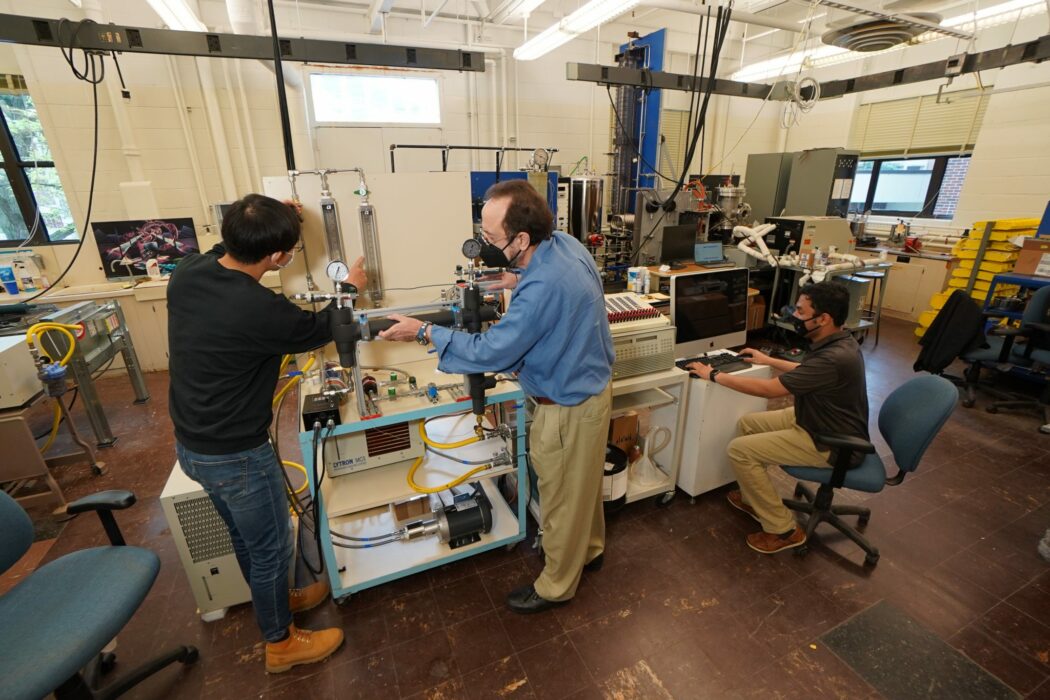
According to some technicians from the university, there is currently a traditional limit of 500 amperes that a cooled cable can typically withstand, a value that could increase by 4.6 times with the new vapor cooling system, potentially reaching 2,500 amperes.
However, unfortunately, there is no set date for when this technology will be available in the market for commercial use. Ford’s charging technology for electric vehicles, which can be compared to refueling a conventional model, still needs to be developed and will undergo several laboratory tests over the next two years, during which prototypes of this cable will be used to define more specific charging speeds for some electric car models.
Porsche Also Seeks Ways to Optimize Faster Charging for Electric Cars
The charging of electric models also depends on other factors, such as the systems applied in the vehicles and the batteries themselves. With this in mind, sports car manufacturer Porsche plans to create smaller, stronger, and more efficient batteries compared to conventional models.
With the new component for electric vehicles that will be created, the company plans to fulfill its promise made in 2018 during the presentation of the Taycan model, of charging in just 15 minutes.
According to Oliver Blume, CEO, currently, Performance Plus batteries and fast chargers allow charging the model in 22.5 minutes.









Seja o primeiro a reagir!