





 Portuguese
  English
  Spanish
  5 min of reading
  0 comments


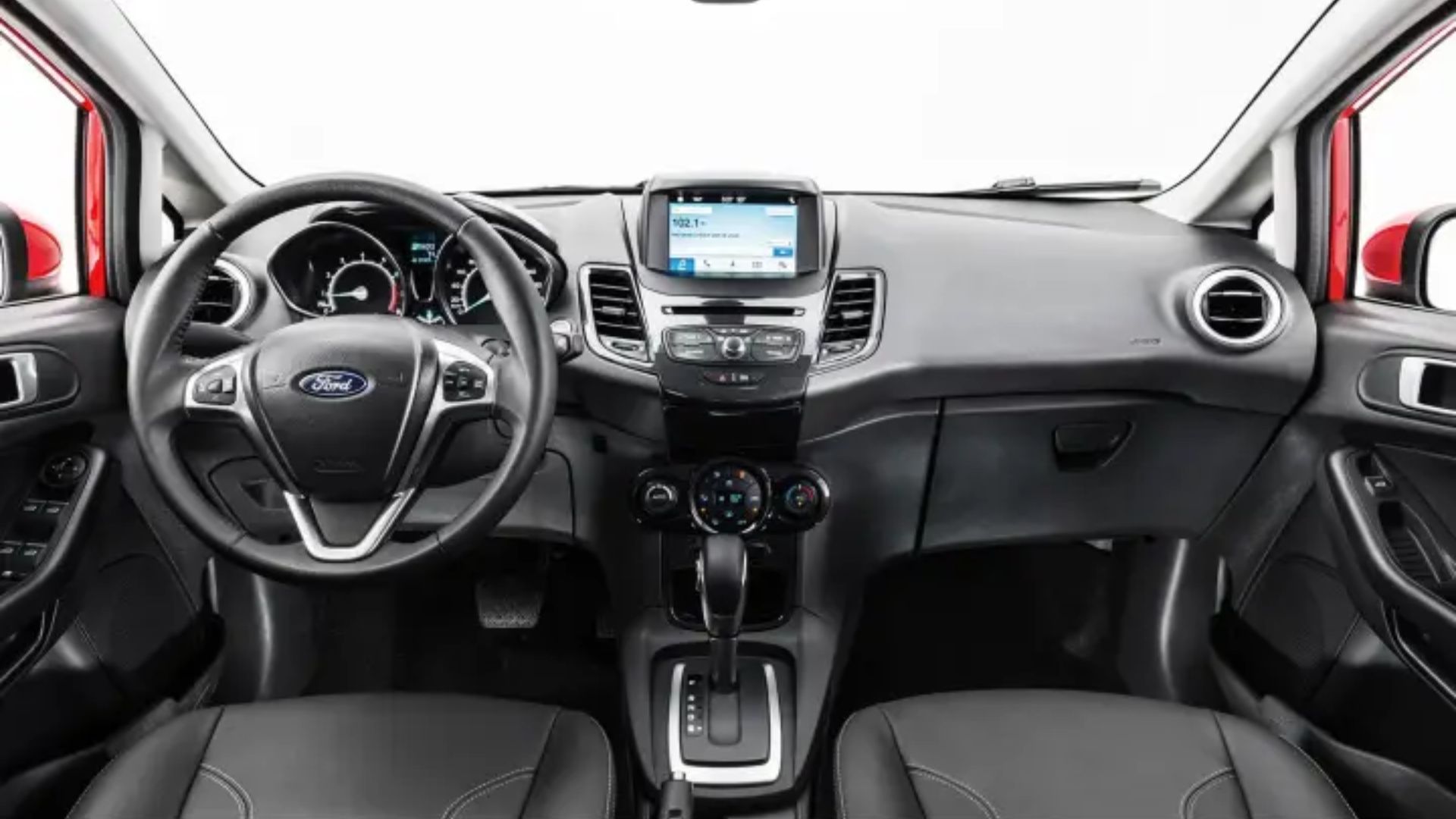
Compact Car With a Long History in Brazil Remains Popular in the Used Market, With Varied Versions, Wide Price Ranges, and Features Ranging From Simple Mechanics to Complete Technology and Safety Packages.
Ford Fiesta continues to be one of the most present used hatches in online classifieds and Brazilian garages.
Even after the end of national production in 2019, the model remains valued for its combination of affordable price, known mechanics, and good drivability.
In recent listings on Mercado Livre, different generations of the car can be found, with values starting around R$ 11 thousand and reaching close to R$ 50 thousand, depending on the year, version, and equipment level, with prices verified in November 2025.
-
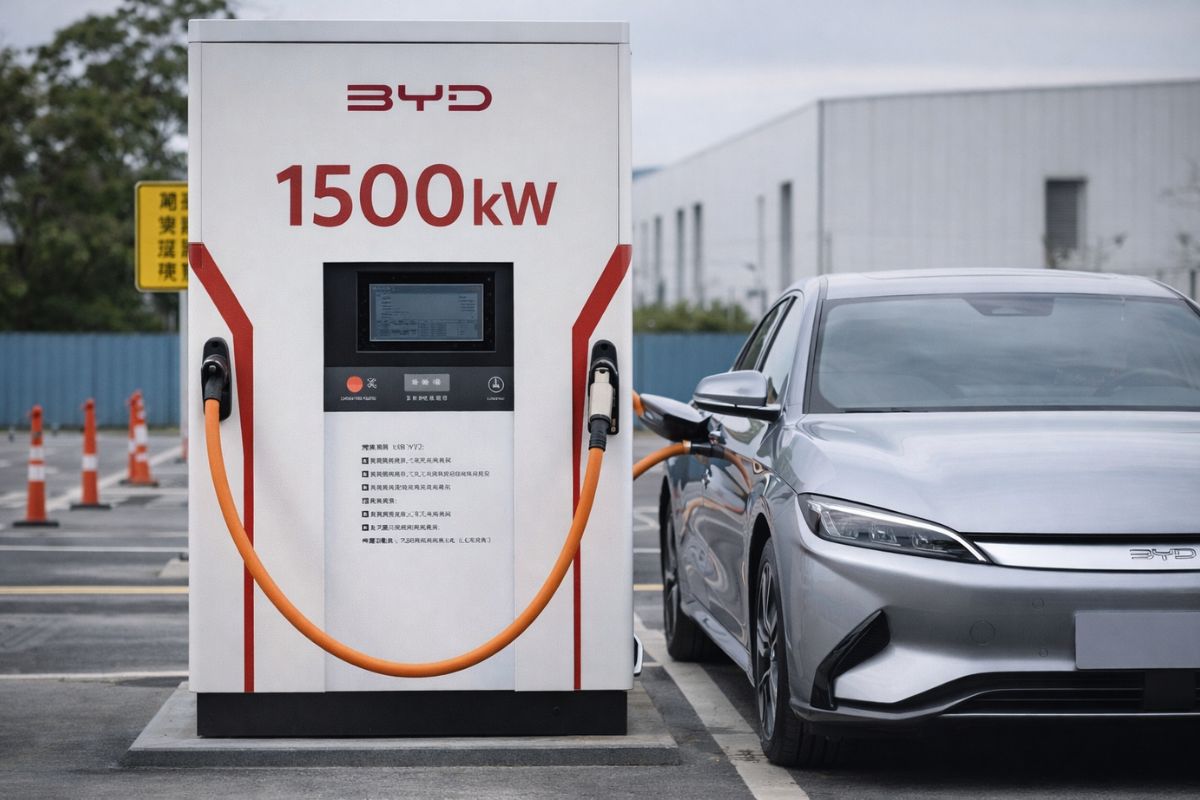
BYD was caught testing 1,500 kW chargers in China that are three times more powerful than Tesla’s, and the system promises to recharge electric cars in minutes with energy that costs less than one real per kilowatt-hour.
-
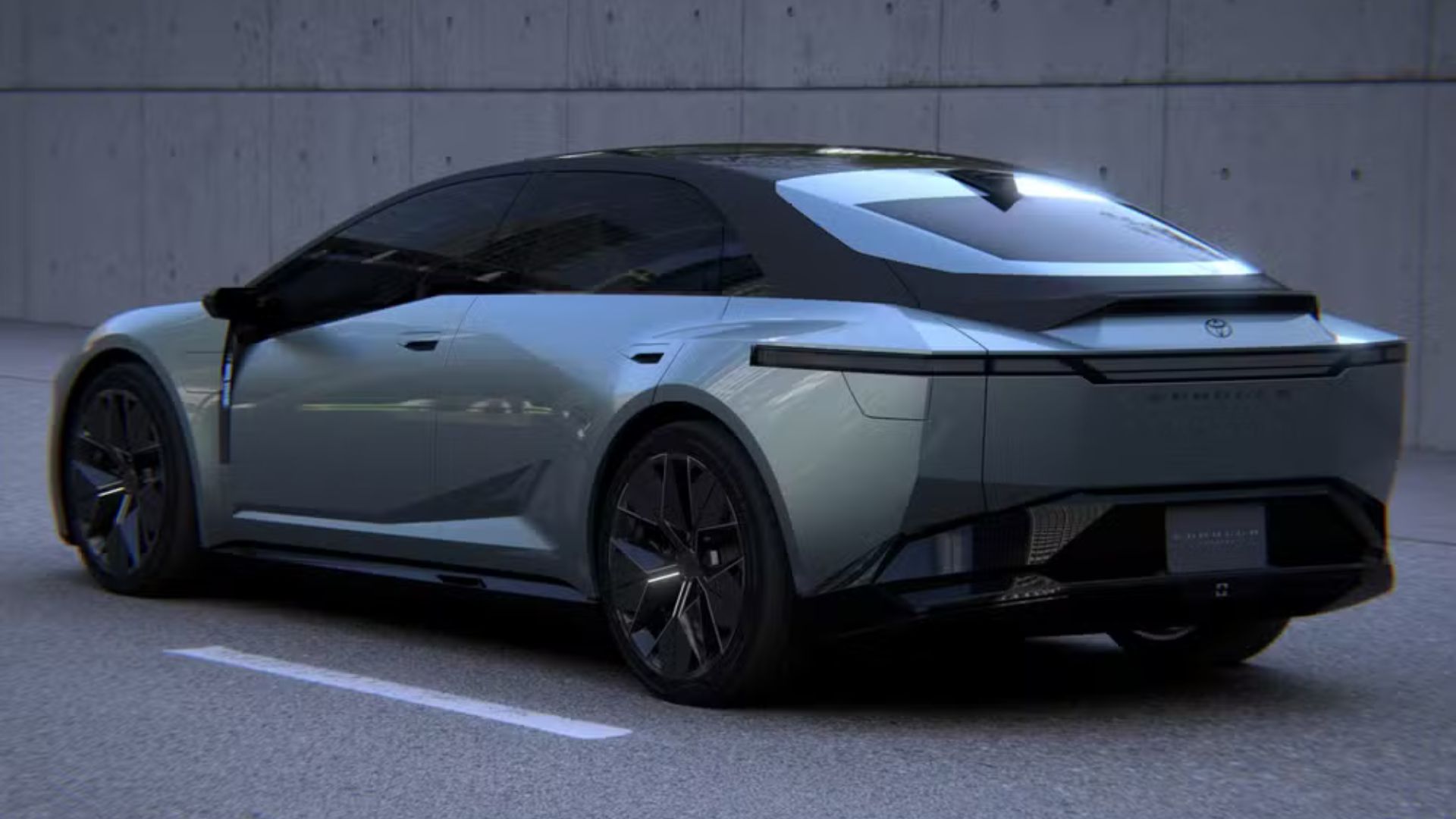
The best-selling car in history, the new Toyota Corolla will have ‘ultra-efficient’ turbo engines with up to 30% more efficiency, more powerful 1.5 and 2.0 options, support for ethanol, hydrogen, and plug-in hybrids, as well as a radical design expected for 2026.
-
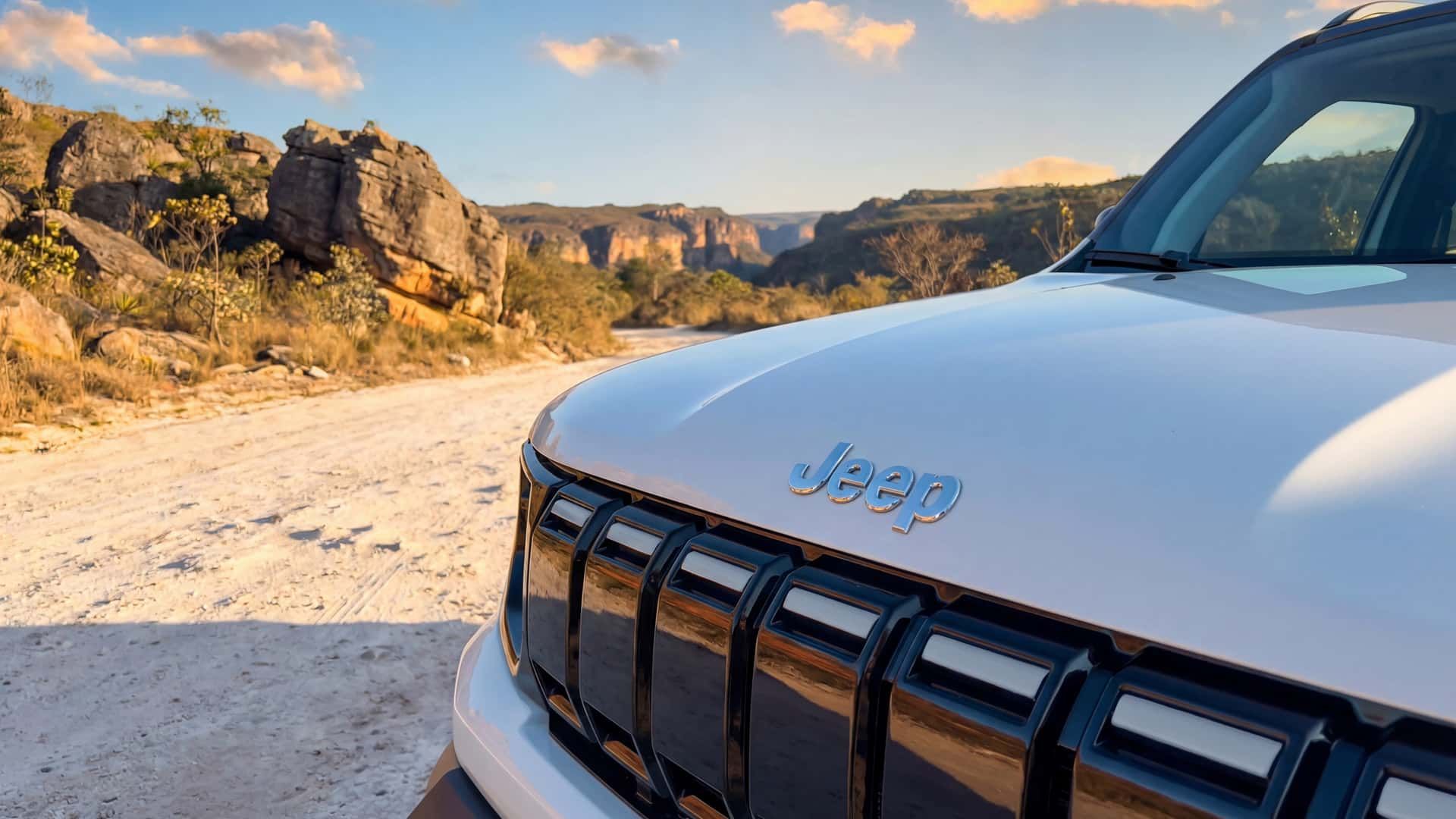
Jeep launches the 2027 Renegade with a 1.3 turboflex engine producing 176 hp, a 48V mild hybrid system, a new 10.1” multimedia system, a digital dashboard, and a starting price of R$ 129,000.
-
In four years, all taxis in New York will be required to have zero emissions, and Kia has just shown how the future will work with an electric vehicle featuring an automatic ramp, 30-minute charging, and a design that prioritizes accessibility.

Over nearly three decades in the national market, the Fiesta has undergone profound changes.
It started as a simple compact, helping to popularize Ford among urban hatches, and ended its journey as the New Fiesta, a global project focused on design, safety, and embedded technology.
However, the main characteristics have remained intact: robustness, low maintenance cost, and good parts availability.
Within this universe, some versions stand out among used cars for offering a good balance between price, performance, and equipment.
Here are five configurations of the Ford Fiesta that frequently appear in listings, organized from the cheapest to the most expensive.
Fiesta CLX: The Start of the Hatch’s Story in Brazil
Fiesta CLX marked the beginning of national production of the model in 1996, at the São Bernardo do Campo (SP) factory.
It was the second generation of the car in the world, still focused on simplicity but with a body style aligned to the European standard for compacts.
Under the hood, the CLX could come with a 1.0 or 1.4 gasoline engine, always with a five-speed manual transmission.

The 1.0 offered modest performance, while the 1.4 provided a more agile drive, with power around 90 hp, according to available technical specifications.
In Mercado Livre listings, units from 1996 to 1999 can be found with prices starting from around R$ 11 thousand.
Generally, these are simple cars, often without power steering and air conditioning, although these features appear in some versions.
Today, the CLX is recommended for those looking for a cheap car, easy to maintain, and with a well-known mechanical system.
Fiesta GL: Update and Debut of the Zetec Rocam Family
From 2000 onwards, the Fiesta GL entered the market with a refreshed look and revised interior.
The major change was the introduction of the Zetec Rocam engines, which would become known for their durability.
The GL offered two engine options: the 1.0 with about 65 hp and the 1.6 with approximately 95 hp, both gasoline fuels.

Weighing less than a ton, its dynamic behavior was satisfactory both in the city and on the highway.
Data from that time indicated an average consumption of approximately 12 km/l in the city and up to 14 km/l on the highway with gasoline.
Listings from 2000 to 2003 show prices starting at R$ 12 thousand.
For those looking to spend little on the purchase and keep costs low over time, the GL remains an attractive option.
Fiesta Supercharger: 1.6 Performance in a 1.0 Compact
The third national generation, launched in 2002, featured more modern lines and a more ergonomic interior.
In it, the 1.0 Supercharger version emerged, one of the most singular in the Fiesta line.
The 1.0 Zetec Rocam engine received a mechanical supercharger, boosting power to around 95 hp and torque to over 12 kgfm.
In practice, the car delivered performance close to that of a 1.6, while retaining the tax classification of a 1.0 engine.

The transmission remained a five-speed manual, and the suspension setup maintained the good drivability of the model.
On the other hand, the setup required more attention regarding the maintenance of the supercharger.
In Mercado Livre, units from 2003 to 2005 appear with prices starting at around R$ 16.9 thousand.
It is a sought-after option for those looking for a compact stronger than the 1.0 competitors and with some exclusivity.
Fiesta Trail: Adventurous Look and Known Mechanics
In 2007, the Fiesta gained the Trail version, following the trend of adventurous compacts.
The model featured plastic cladding, a roof rack, and slightly raised suspension.
Despite the distinctive aesthetics, it retained the 1.6 Zetec Rocam engine, which delivered just over 100 hp and around 15 kgfm of torque.
This combination offered good responsiveness for daily use and a firm behavior on urban routes.

Technical sheets indicate fuel consumption in the range of 8.5 to 9 km/l in the city and about 12 to 13 km/l on the highway.
Among used cars, units from 2008 to 2010 appear starting from R$ 24.9 thousand.
The Trail usually appeals to those looking for a reliable compact with a more robust look, but without real off-road pretensions.
Fiesta Titanium: Technology and Safety at the Top of the Line
The final phase of the model’s history in Brazil arrived with the New Fiesta, produced nationally from 2013 onward.
Among the available versions, the Titanium was one of the most complete of the hatchback.
The 1.6 Sigma engine, with dual variable timing, delivered approximately 128 hp and 16 kgfm, ensuring good responses in acceleration and overtaking.

The transmission could be manual or the Powershift automated version, which over the years has accumulated reports of premature wear, which is why many buyers prefer manual units.
In terms of fuel consumption, Inmetro data indicated about 7.5 km/l in the city and 10.7 km/l on the highway with ethanol.
The safety package included seven airbags, stability control, traction control, and hill-start assist.
The Titanium also offered digital air conditioning and multimedia with steering wheel controls, depending on the configuration.
Listings show units starting from around R$ 49.9 thousand, usually with manual transmission.
For those looking for the maximum technology within the Fiesta lineup, this version tends to be the most complete.
With so many options spread across different generations, varied engines, and distinct equipment levels, which of these Ford Fiesta versions seems to best meet the type of use you expect from a used hatch?





Seja o primeiro a reagir!