





 Portuguese
  English
  Spanish
  3 min of reading
  0 comments


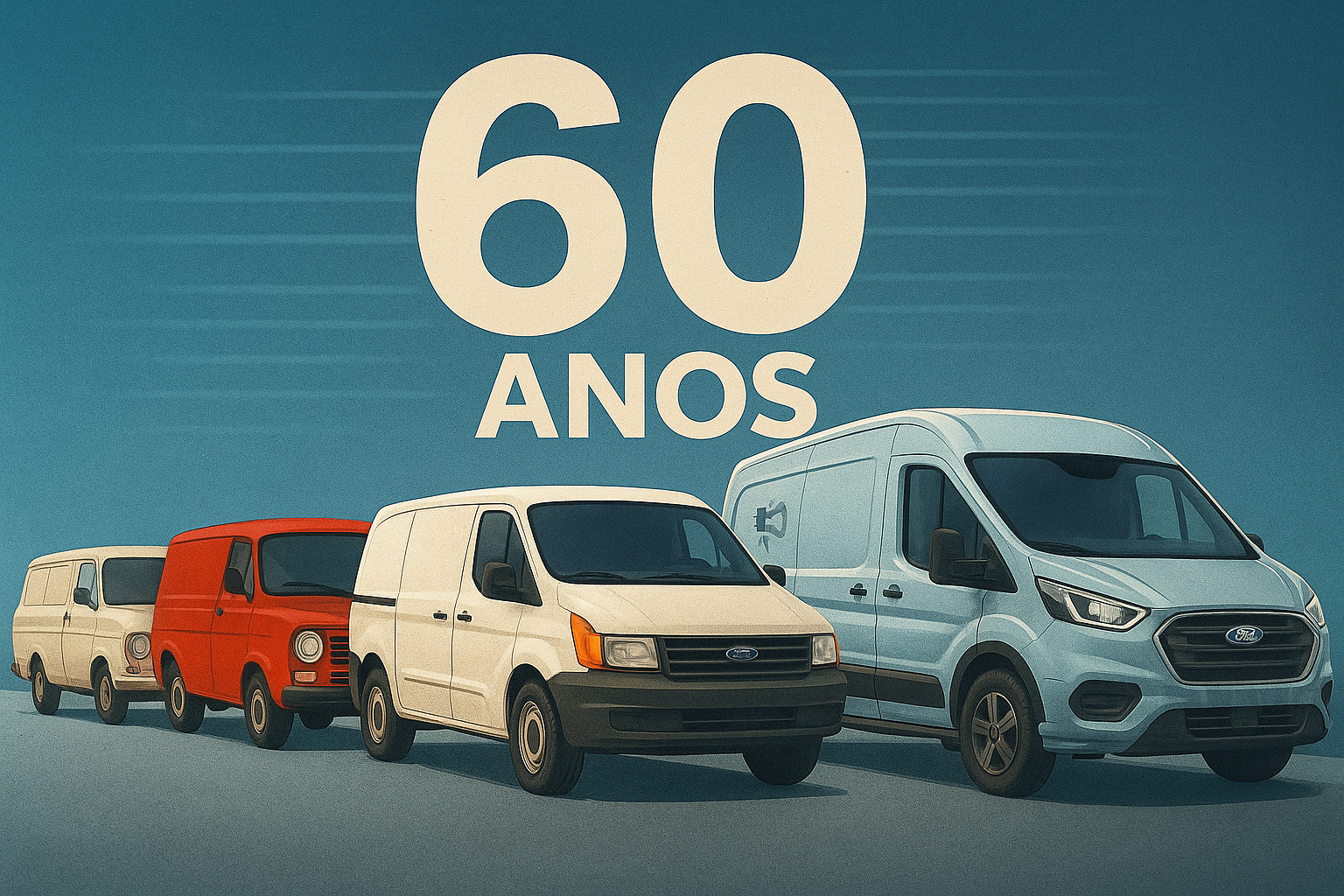
The Utility That Crossed Generations With V8 Engine, Vintage Versions, and a Bet on Electrification
Ford celebrates in 2025 the 60th anniversary of the Ford Transit, one of the most iconic automotive classics in the global industry.
The model, which was born in 1965 in England, established itself as a benchmark in versatility, innovation, and robustness in the transportation of goods and passengers.
Today, six decades later, the Transit is not just a historic van: it has become a symbol of technological adaptation, featuring vintage versions, super machines with V8 engines, and more recently, electric models.
-
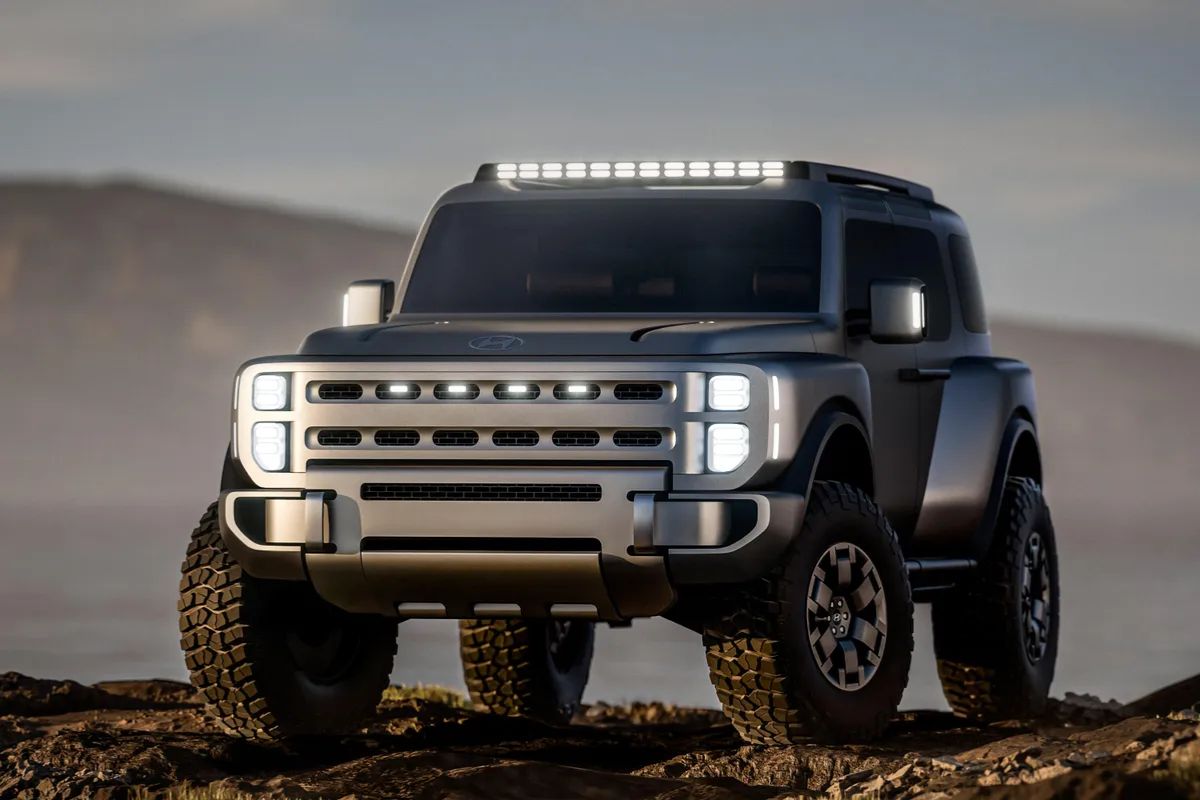
Hyundai has unveiled the Boulder, a square SUV with a body-on-frame design, 37-inch mud tires, and carriage-style doors that seems to be made to take on the Ford Bronco and the Scout Traveller in the United States.
-
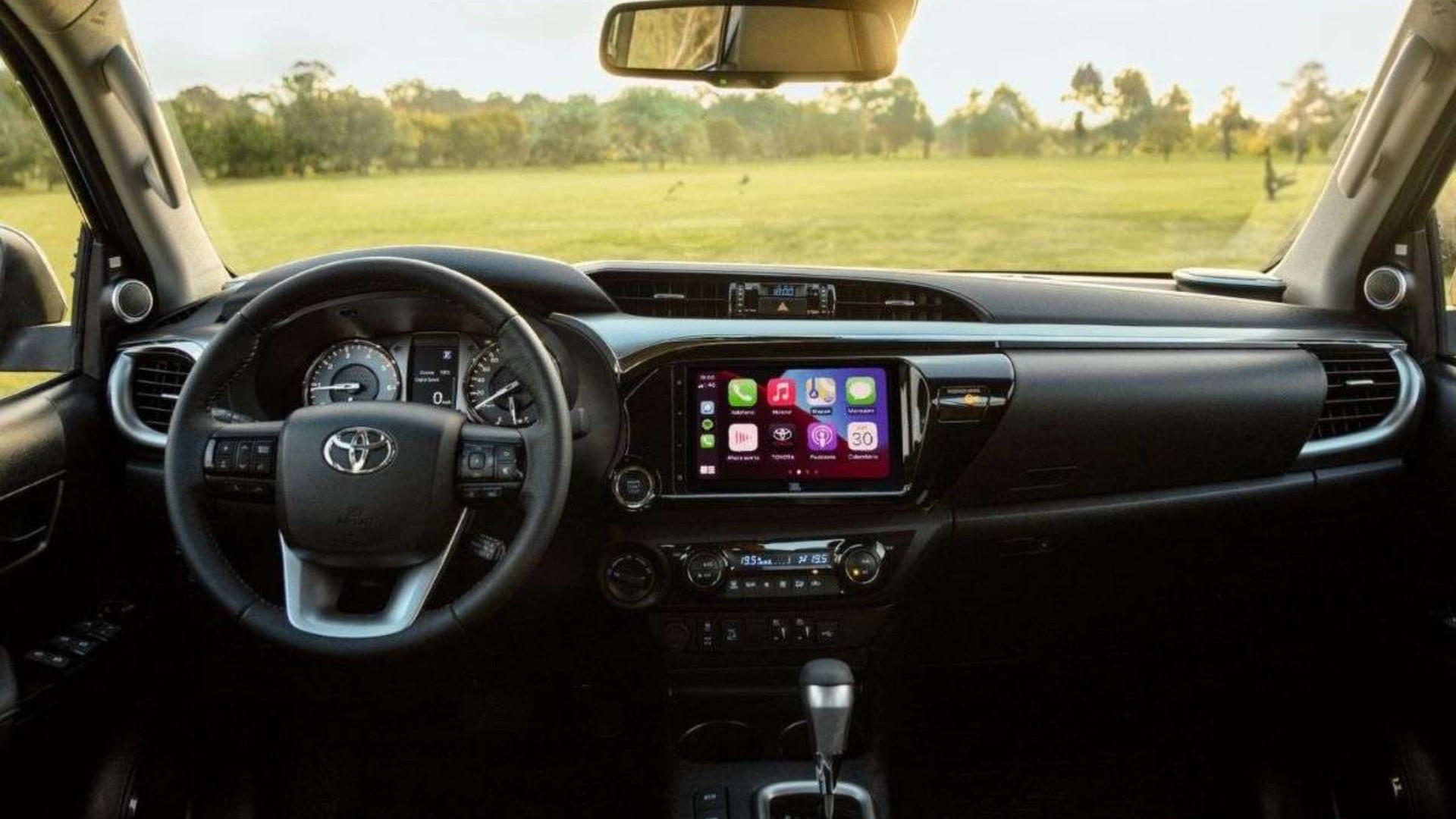
The Toyota Hilux is R$ 75.5 thousand cheaper and bets on the 2.8 turbodiesel engine with up to 204 hp and 50.9 kgfm to catch up with the VW Saveiro, which leads with 4,472 sales.
-
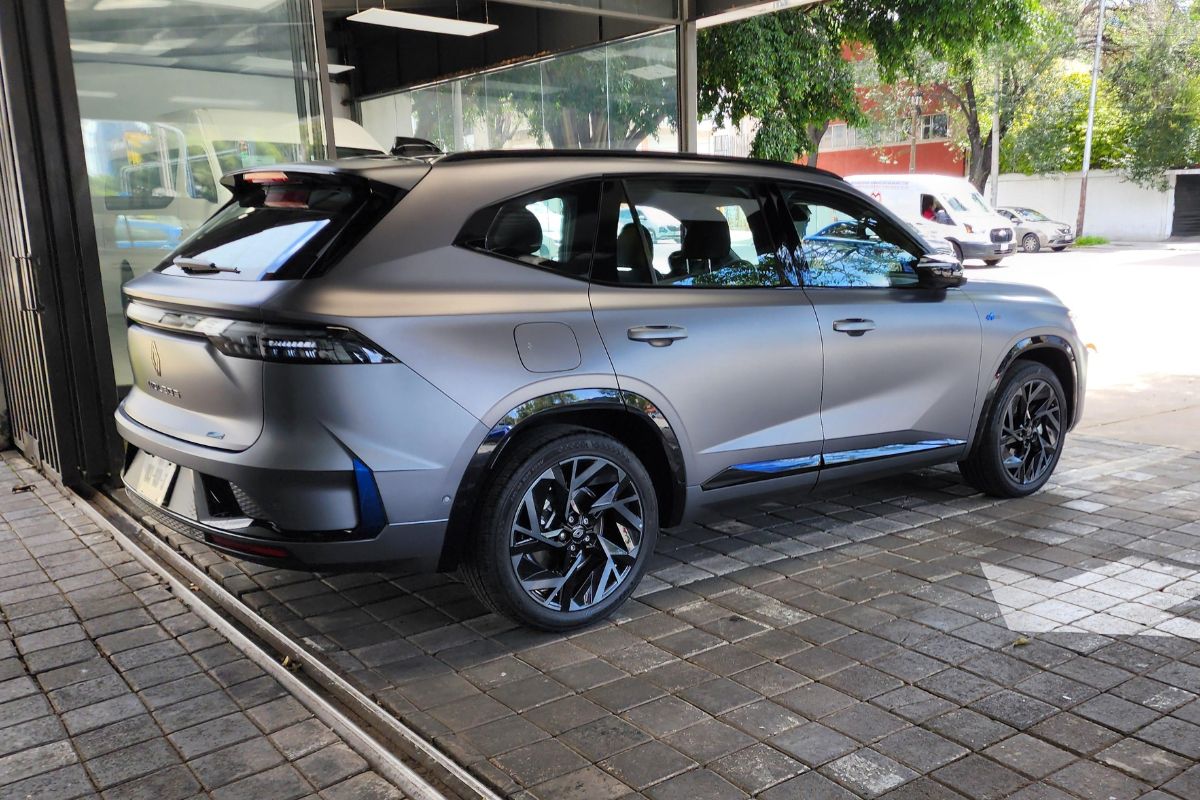
The new Renault Koleos has a screen exclusively for the passenger that is invisible to the driver, heated rear seats, and 29 assistance systems, but its Chinese competitors cost R$ 40,000 less and deliver more power.
-
The car stored for 38 years: when opening the barn door, what appears is breathtaking and looks like a scene from a movie!


In Brazil, the journey was more delayed. Although production studies took place in the 1970s, the official arrival only happened in 2008.
Starting in 2021, thanks to a strategic partnership with Nordex in Uruguay, the utility was once again assembled for the regional market, including the electric version E-Transit.
The Origin of a European Icon
Before the Transit, Ford operated in Europe with two different lines: the British Thames 400E and the German FK1000.
This internal competition created difficulties and motivated the headquarters in Detroit to unify production. Thus, the Transit was born, with the first unit rolling off the assembly line in Langley, UK, on August 9, 1965.
The launch brought innovations for the time, such as a printed circuit dashboard, sliding side door, and wheelbase options that expanded cargo capacity.
Right from the start, the model stood out for combining practicality and innovative design, quickly becoming popular in Europe.
Advancements and Innovations Over the Decades
In the 1970s, the Transit gained technical improvements, such as radial tires, disc brakes, and more powerful engines, including diesel versions.
The decade was also marked by curiosities: in England, the vehicle became famous as the “favorite car of bank robbers,” due to its power and agility.
During the 1980s and 1990s, Ford invested in safety and efficiency. The introduction of direct injection engines and turbodiesel versions improved performance, while airbags, ABS, and traction control established the utility as a benchmark for reliability.
The third generation, launched in 2000, introduced the Transit Connect and new traction options, reinforcing the image of a vehicle ready for any scenario.
In 2013, with the fourth generation, the model reached the United States, winning an even broader market.
Supervans: When the V8 Engine Turned the Utility Into a Legend
Besides its commercial function, the Ford Transit also shined on the racetracks. In 1971, the first Supervan was born, based on the Ford GT40, capable of reaching 240 km/h thanks to a 5-liter V8 engine.
In 1985 and 1995, new versions, equipped with Cosworth and Zetec R engines, strengthened the connection between the Transit and high-performance motorsport.
More recently, in 2023, the SuperVan 4.2 showcased the transition between tradition and innovation: with three electric motors and 1,400 hp, it participated in the legendary Pikes Peak climb in the United States, proving that a utility can also be a futuristic race car.
Ford Transit in Brazil: Challenges and Rebirth
On the national scene, the Transit faced barriers to compete with the popular Kombi. The first importation happened in 2008, but currency and tax difficulties interrupted its journey in 2014.
The turnaround came in 2021, with production in CKD mode in Uruguay. This strategy allowed the exploitation of Mercosur benefits, making the model more competitive in the region.
The arrival of the electric version, the E-Transit, paved the way for Brazilian companies seeking sustainable solutions in the transportation of goods.
Between Vintage and the Future
Celebrating the 60th anniversary of the Ford Transit is to acknowledge a vehicle that has transcended time by uniting tradition and modernity.
From the simplicity of the first vans to the supermodels equipped with V8 engines, through the vintage versions collected by enthusiasts, to the current era of electrification, the Transit remains a symbol of innovation in transportation.
More than just a utility, the Transit is part of Ford’s history and global mobility. Looking ahead, the promise is clear: to continue uniting technology, versatility, and sustainability for the next 60 years.







-

-

-

5 pessoas reagiram a isso.