





 Portuguese
  English
  Spanish
  5 min of reading
  0 comments


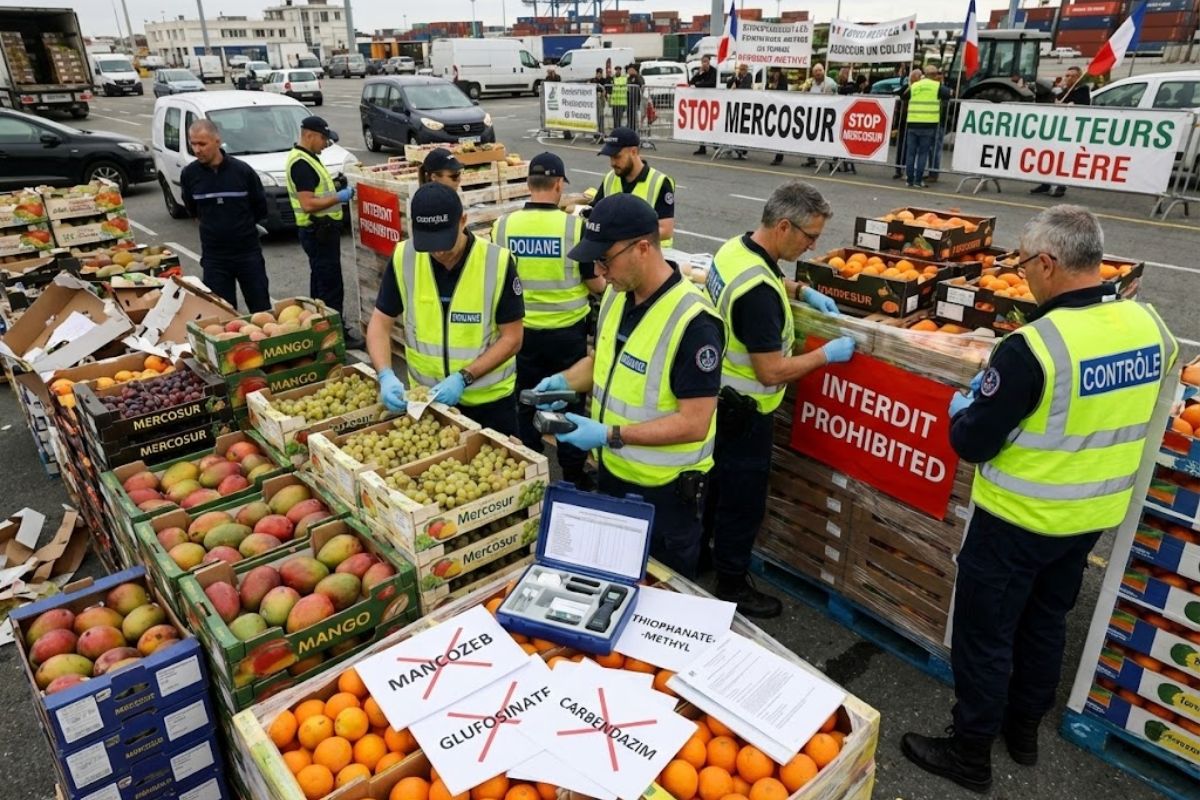
After Pressure From Farmers Against The EU Mercosur Agreement, Sébastien Lecornu Announced On Sunday The 4th That France Will Block Fruits With Residues Of Mancozeb, Glufosinate, Methomyl And Carbendazim. Minister Annie Genevard Will Issue An Order In The Coming Days And Promises Increased Inspections In 2026 To Guarantee Official Sanitary Standards.
France has announced that it will suspend the import of fruits from South America when there are residues of pesticides prohibited in Europe. The announcement was made on Sunday, January 4, 2026, by French Prime Minister Sébastien Lecornu, in a post on X, following pressure from farmers in the country.
The measure is presented as a response to pressure from farmers that intensified with the impasse of the EU Mercosur agreement and is expected to be accompanied by a ministerial order in the coming days. France promises a specialized task force for increased inspections in 2026, focusing on sanitary standards and the argument of “unfair competition” cited by French farmers.
What France Decided To Block And Which Residues Are Targeted
Sébastien Lecornu stated that France will prohibit the import of fruits containing residues of pesticides banned in Europe, citing mancozeb, glufosinate, methomyl and carbendazim.
-
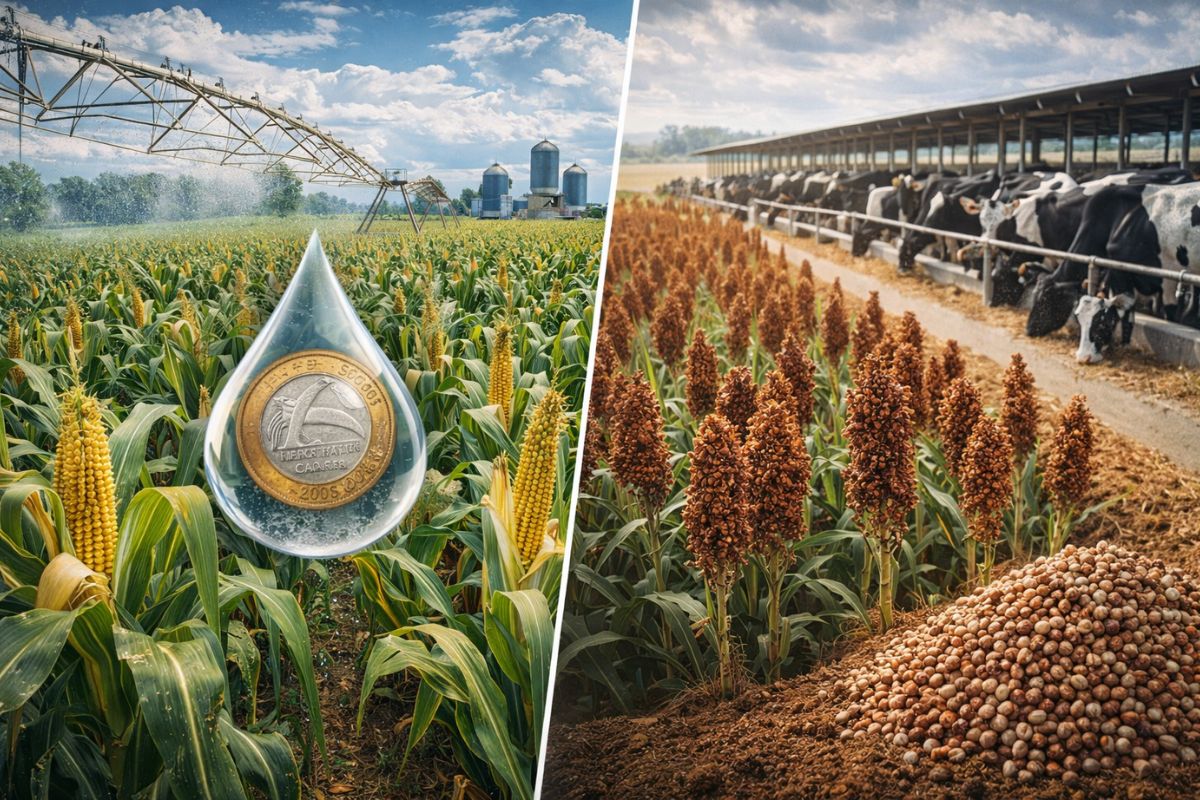
While corn requires rain and is expensive, sorghum produces almost the same volume per hectare at a cost up to 80% lower and uses less water, and it is revolutionizing dairy farming in the Triângulo Mineiro, where producers save hundreds of reais per hectare.
-
A rural producer from Urubici cries as he shows 50 tons of plums thrown on the ground because no one wanted to buy them, and in desperation, he records a video asking anyone to come to the property to pick the fruits before they rot.

-
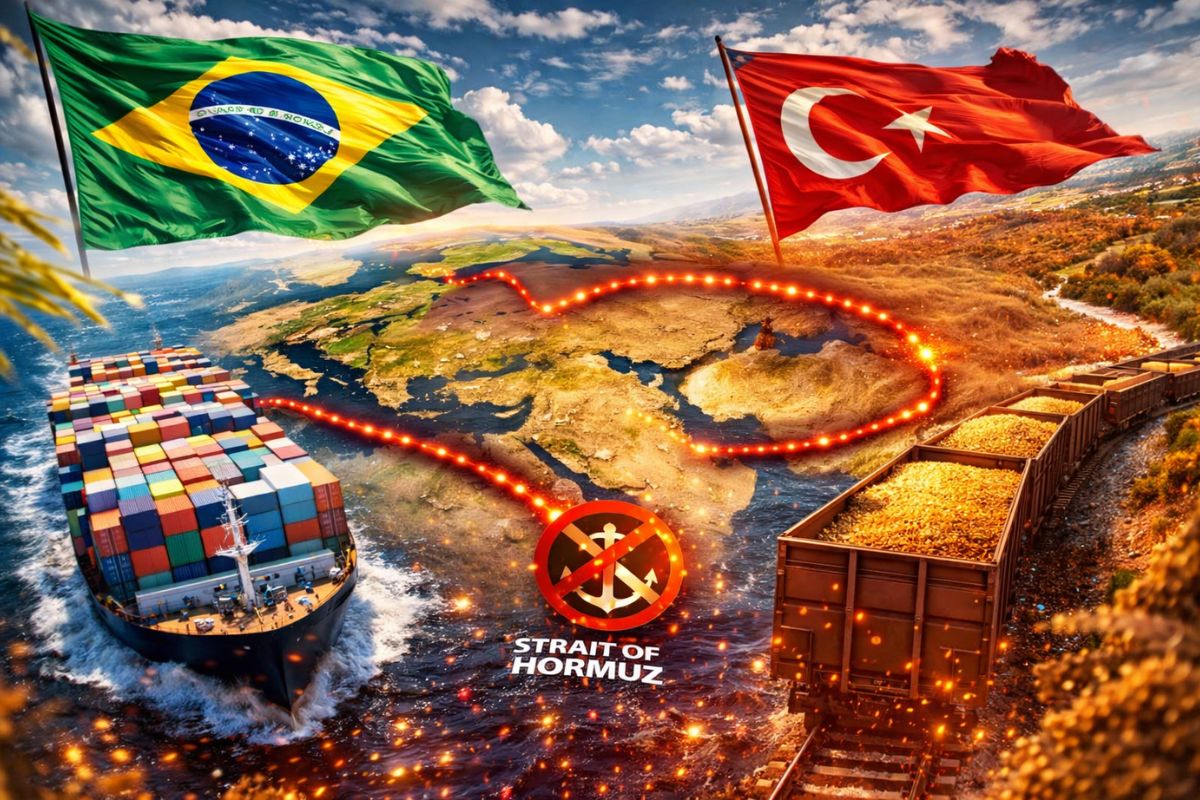
Unable to pass through Hormuz, Brazil activated a plan B that uses Turkey as a gateway to the Middle East: the route through Gibraltar and the Mediterranean is longer and more expensive but ensures that chicken, beef, and corn continue to reach Arab markets.
-
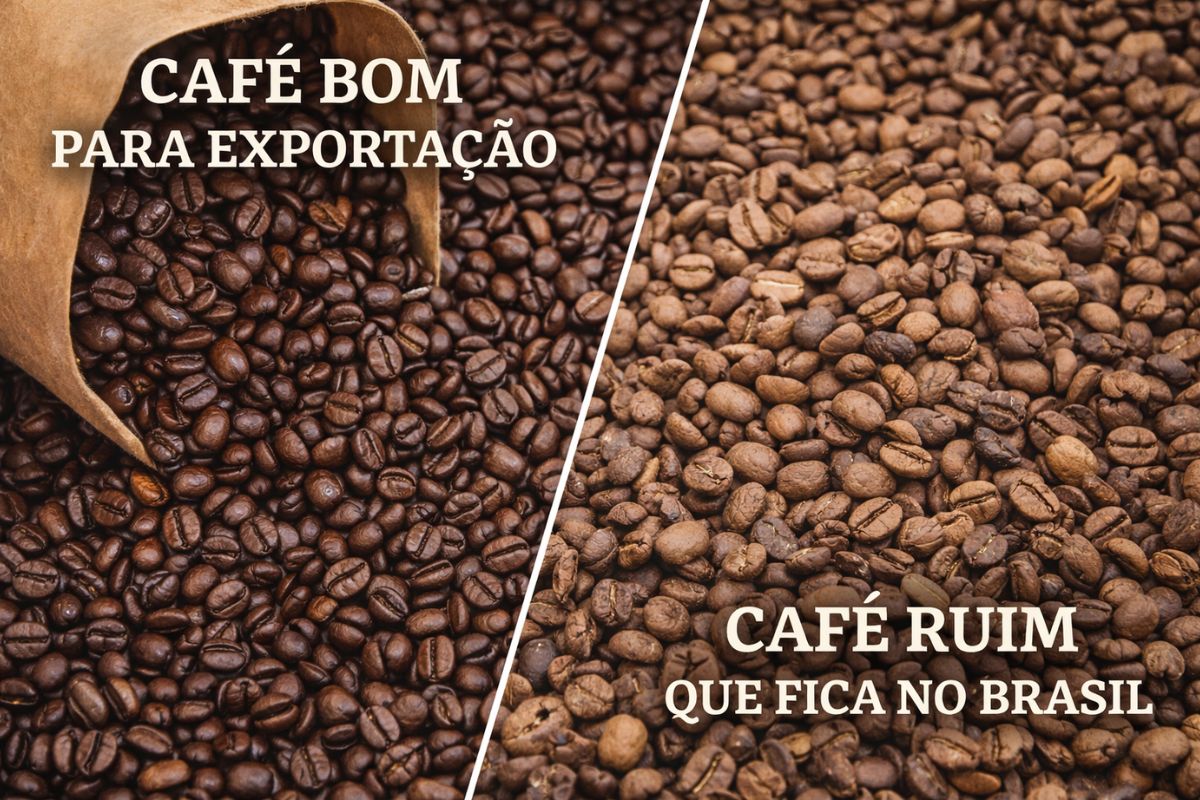
You grew up hearing that the good coffee from Brazil goes all abroad and the bad coffee stays for Brazilians, but this story has completely changed, and the numbers show that in the 1980s, thirty percent of the coffee sold here was adulterated with corn and barley.
The decision was linked to residue control in fruits from South America or “other places,” according to the statement published by the Prime Minister.
In practice, the announced suspension aims to prevent the entry into the national territory of avocados, mangoes, guavas, citrus fruits, grapes, and apples when residues of the cited pesticides are detected.
The French government framed the decision as a first step to protect supply chains and consumers, amid pressure from farmers demanding regulatory equivalence.
The Order In The Coming Days And The Promise Of Increased Inspections In 2026
The announcement states that an order on the subject will be issued in the coming days by the Minister of Agriculture, Annie Genevard.
The expectation is that the regulatory text will establish the procedure for suspension, the verification criteria, and the way of acting for the inspection on the fruits arriving in the country.
In addition to the order, the government promised to create a specialized task force to carry out increased inspections.
The declared intention is to ensure compliance with sanitary standards in France in 2026, with checks capable of supporting the restriction on fruits that present residues of pesticides banned in the European Union.
Why Farmer Pressure Gained Weight In The EU Mercosur Agreement Debate
The French decision was announced amid the postponement of the EU Mercosur agreement, which was scheduled for last December.
France, pressured by farmers in the country, opposes the pact under current conditions, and the pressure from farmers appears as a central factor to stall the political calendar.
The trade agreement between the European Union and Mercosur seeks to reduce or eliminate import and export tariffs between the two blocs.
The text had been finalized in December 2024 between the European Commission, the executive body of the European Union, and Argentina, Brazil, Paraguay, and Uruguay, but the signing was pushed to January 2026.
Italy Joins The Board And The Signing Is Removed From The Original Script
According to reports of the episode, the pressure from France, supported in recent days by Italy, forced the postponement of the signing of the EU Mercosur agreement to January.
Even with the new schedule, French producers continued protesting against the government and the European Union.
Farmers claim that the treaty harms agricultural sectors in Europe, particularly impacting beef, poultry, sugar, and soy.
Against this backdrop, the pressure from farmers reinforces the narrative of “justice and equity” used by the Prime Minister to defend restrictions on fruits with residues of banned pesticides.
December Protests: Actions Against The EU Mercosur Agreement Spread
On December 19th, dozens of French farmers dumped manure and other waste in front of President Emmanuel Macron’s beach house.
The protest included opposition to the EU Mercosur agreement and other demands, highlighting that farmer pressure had moved from technical debate to symbolic confrontation.
On that occasion, a coffin with the phrase “No to Mercosur” was placed in front of the red-brick mansion of the president and his wife, Brigitte Macron, in the coastal city of Le Touquet, in northern France.
The day before, French farmers and from other countries protested in front of the European Parliament in Brussels, while leaders from 27 countries held the last summit of 2025.
The protest in Brussels included burning tires and throwing potatoes and objects, followed by police repression.
This context helps explain why the pressure from farmers has become a political variable for commercial and sanitary decisions, including the new French barrier on fruits.
What Brazil Said And How Mercosur May Be Affected
Reports indicate that contact was made with the Brazilian Ministry of Agriculture to understand whether the measure could impact the country, but no positioning was available at the time of publication.
Until there is an official response, the practical effect for exporters remains open, though the stated target includes fruits from South America.
For Mercosur, the measure adds noise to the debate over the EU Mercosur agreement, as it connects trade and sanitary standards under the same pressure from farmers.
France signals that it intends to use increased inspections in 2026 to sustain the blockade policy when there are residues of pesticides banned in the European Union.
The decision announced by France combines trade policy and sanitary barriers.
Under pressure from farmers, the government says it will block fruits with residues of mancozeb, glufosinate, methomyl, and carbendazim, and promises a ministerial order in the coming days, as well as increased inspections in 2026.
For those exporting fruits and monitoring the EU Mercosur agreement, the immediate step is to monitor the order that will be published and adjust documentation and residue controls, as France linked the issue to consumer protection and criticism of unfair competition in the European Union.
Do you think farmer pressure will lead other European Union countries to adopt the same blockade on Mercosur fruits in 2026?








-

-

2 pessoas reagiram a isso.