





 Portuguese
  English
  Spanish
  4 min of reading
  0 comments


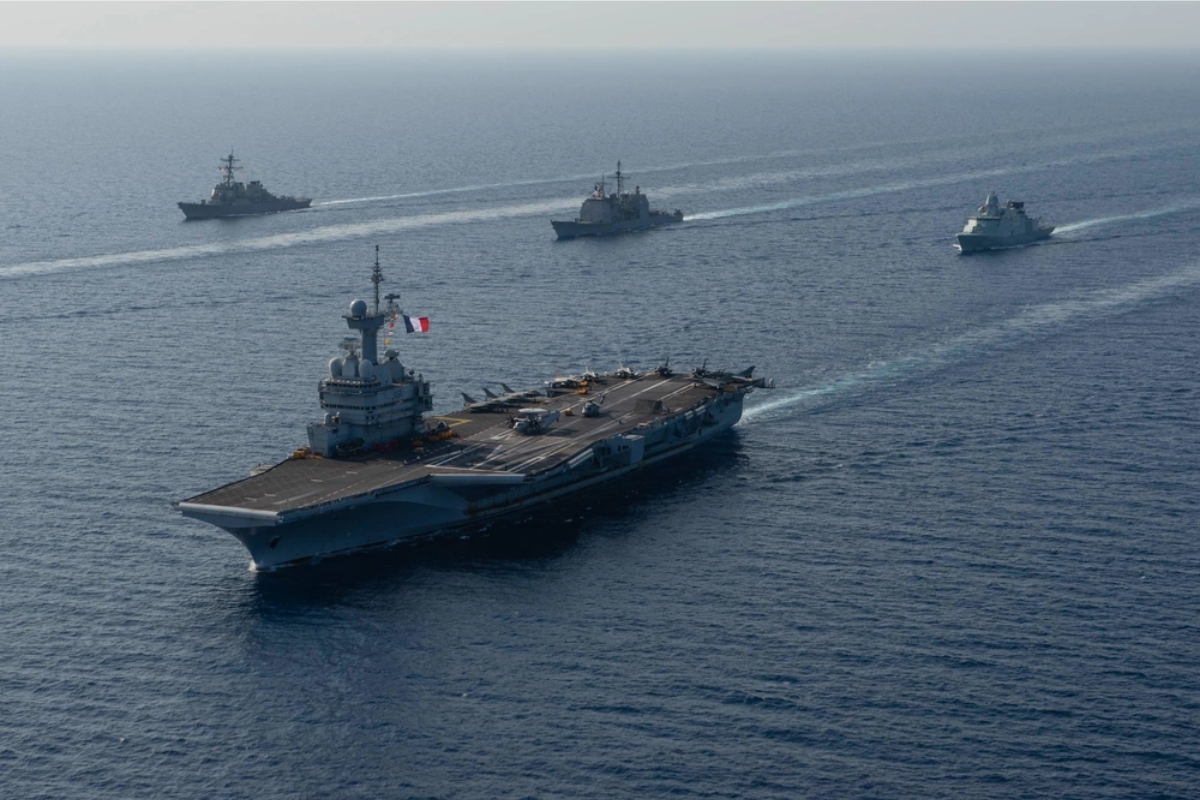
France Mobilizes Naval Force Near Ormuz to Protect Navigation, Support Allies and Reduce Risks to Oil, Freight and Global Costs.
France has decided to increase its military presence in one of the most sensitive areas of the planet. The move places the country at the center of the European response to the escalation in the Middle East and increases surveillance over the Strait of Ormuz, a critical passage for global energy trade.
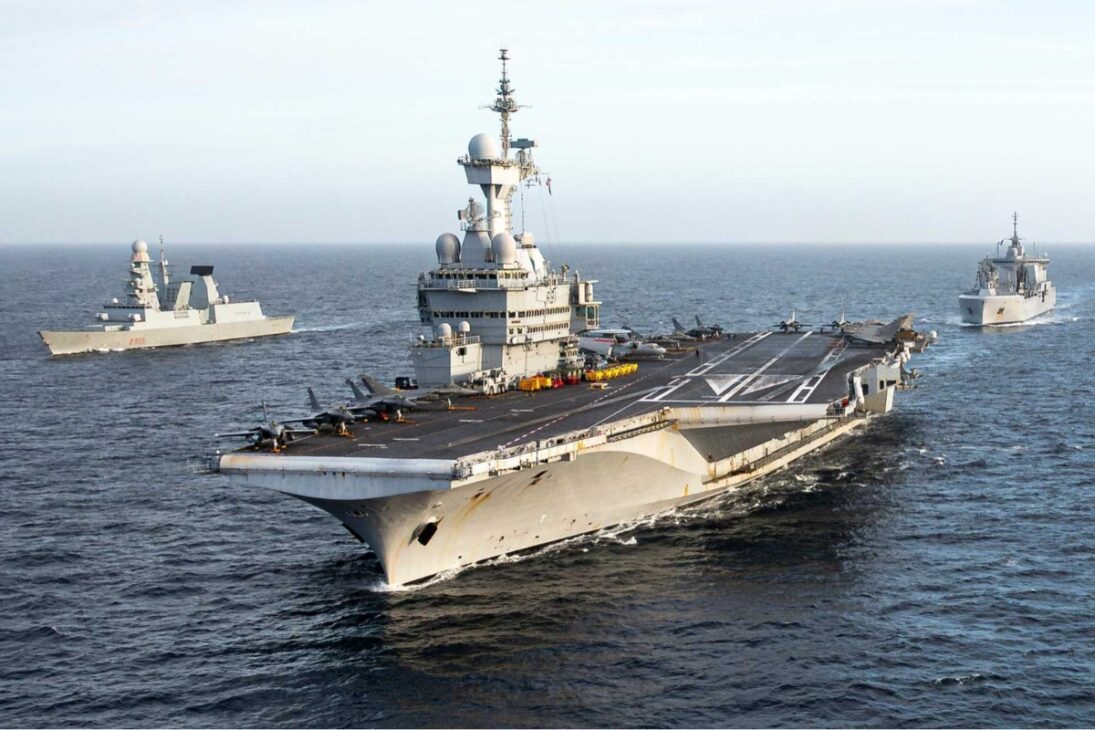
In practice, the initiative involves the naval air group of the Charles de Gaulle, in addition to frigates and amphibious ships. The declared objective is to protect commercial navigation, enhance maritime security, and help create conditions for the circulation of oil tankers and cargo ships on a route that affects prices, insurance, and logistics on a global scale.
French Presence Gains Weight on a Critical Route
The French naval reinforcement does not happen by chance. Ormuz has returned to the center of the strategic board because it concentrates a crucial part of the maritime flow of oil and gas that supplies markets in Asia, Europe, and other regions.
-
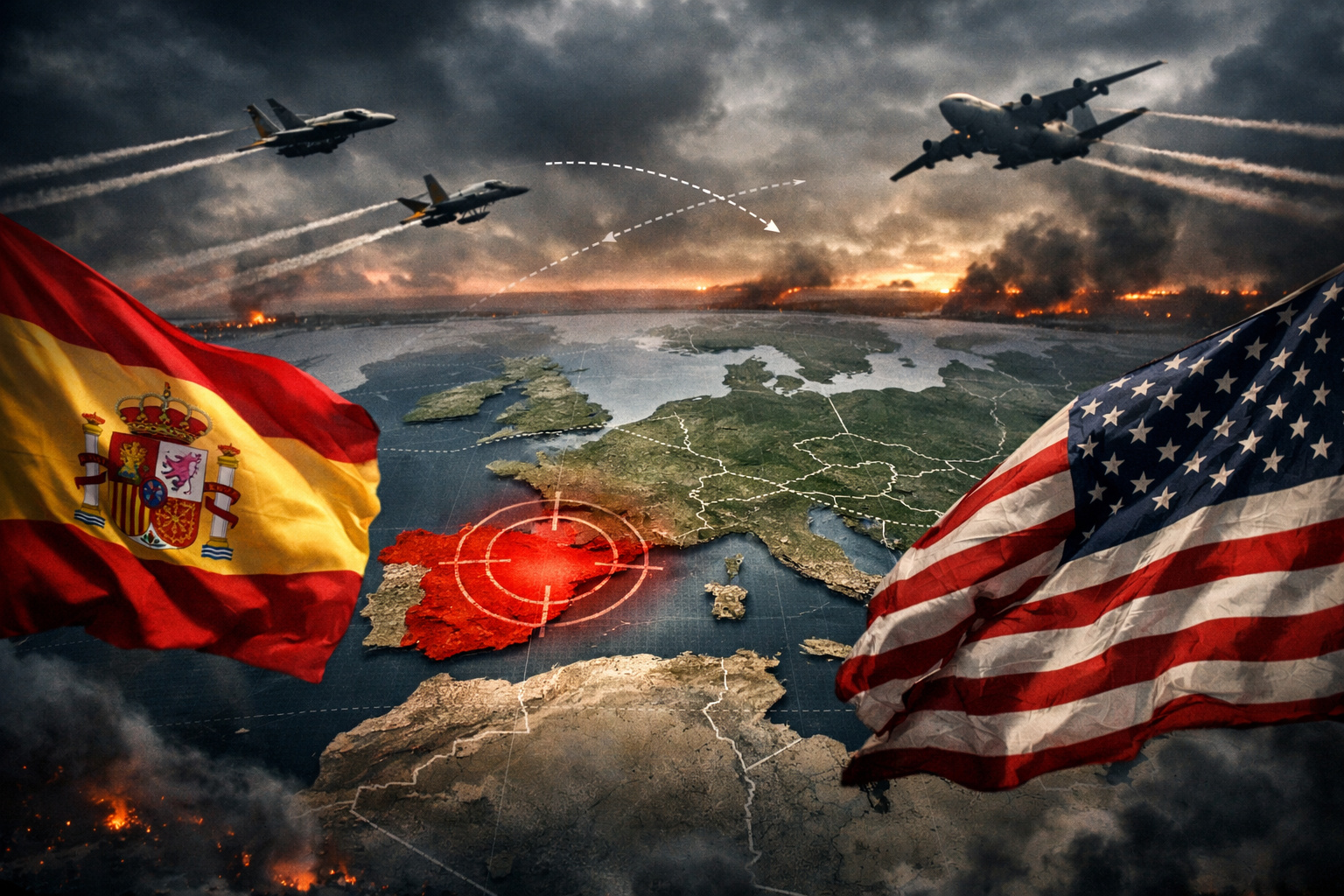
Spain challenges the USA and closes its airspace for operations against Iran, raising global tension and provoking the threat of a trade rupture.
-
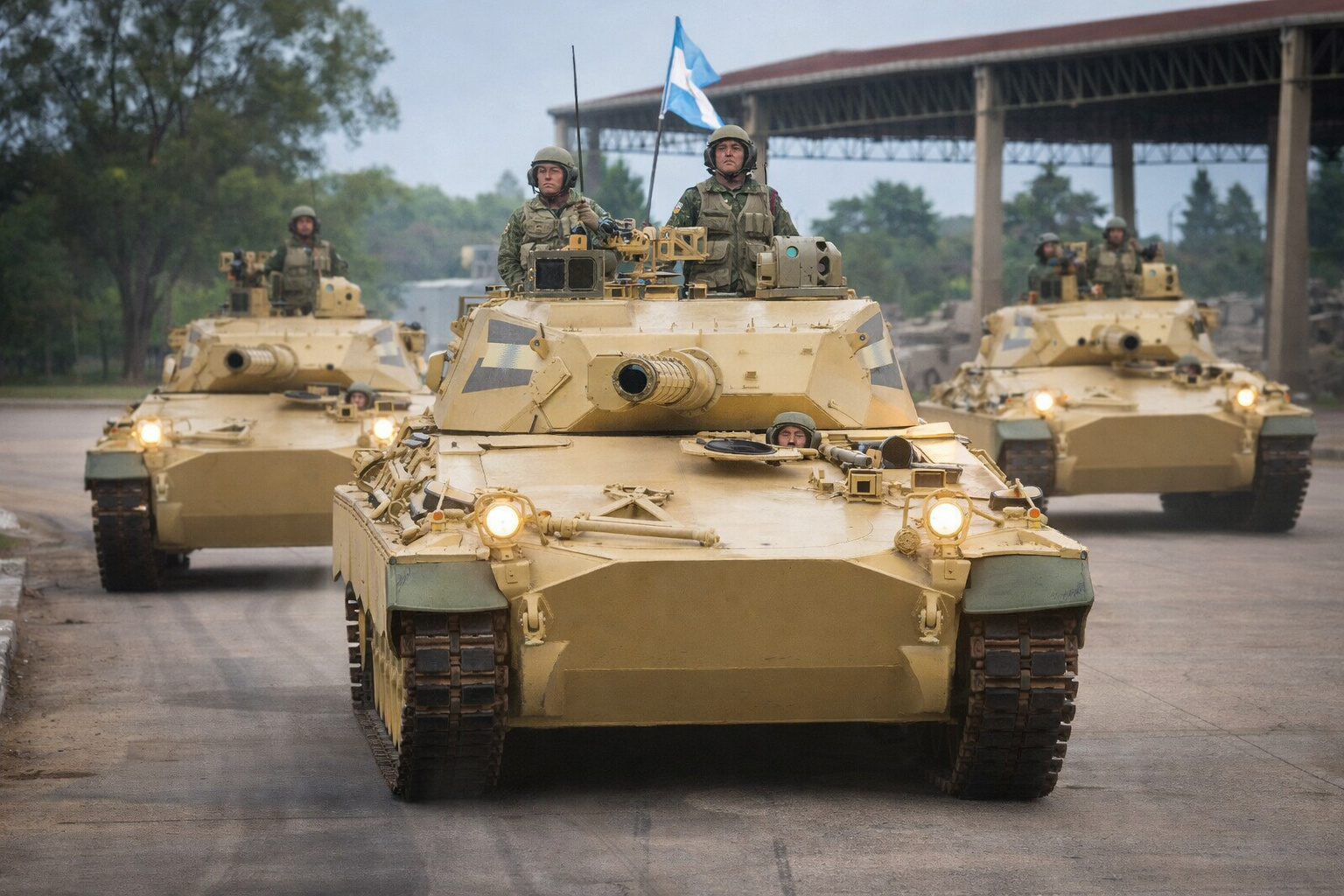
While no other country manufactures tanks in Latin America, Argentina activates the TAM 2C-A2 and raises a curiosity about the technological lag in the region.
-
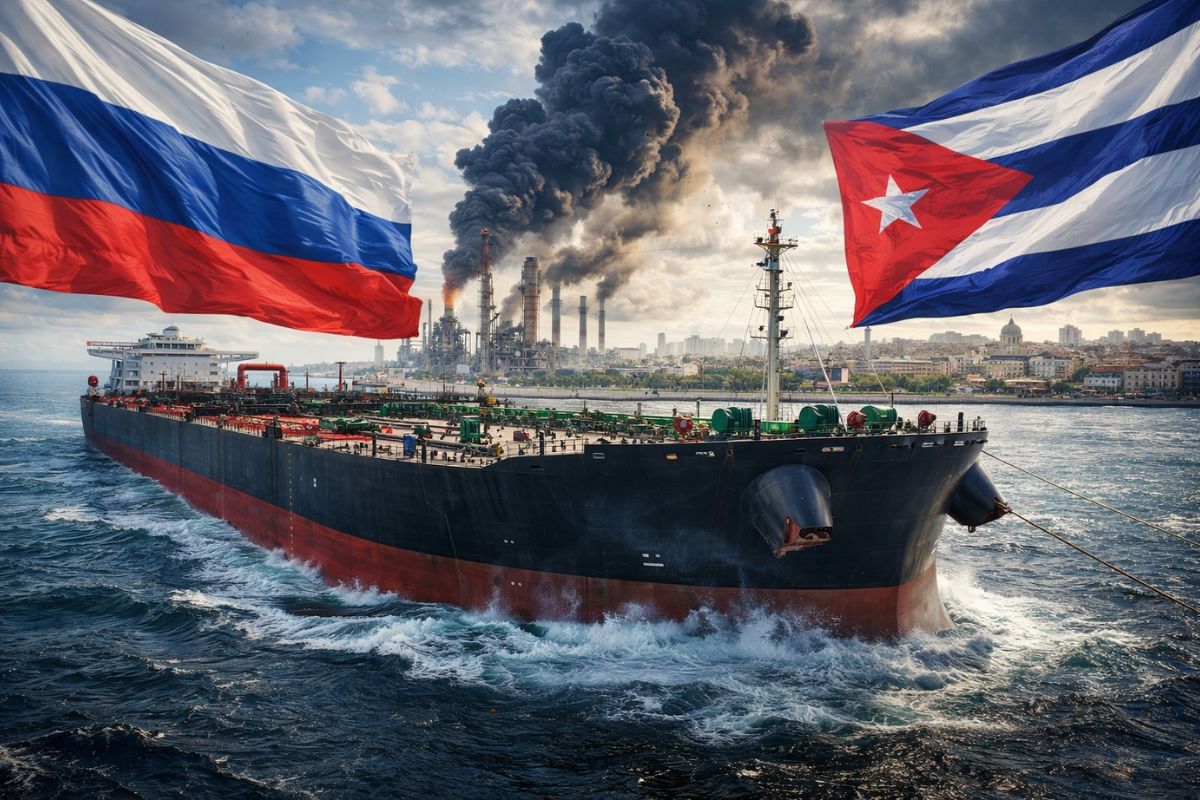
A Russian ship with 730,000 barrels of oil has just arrived in Cuba while Mexico negotiates fuel sales through private companies: the communist island is desperately seeking alternatives after losing its supply from Venezuela due to American military action.
-
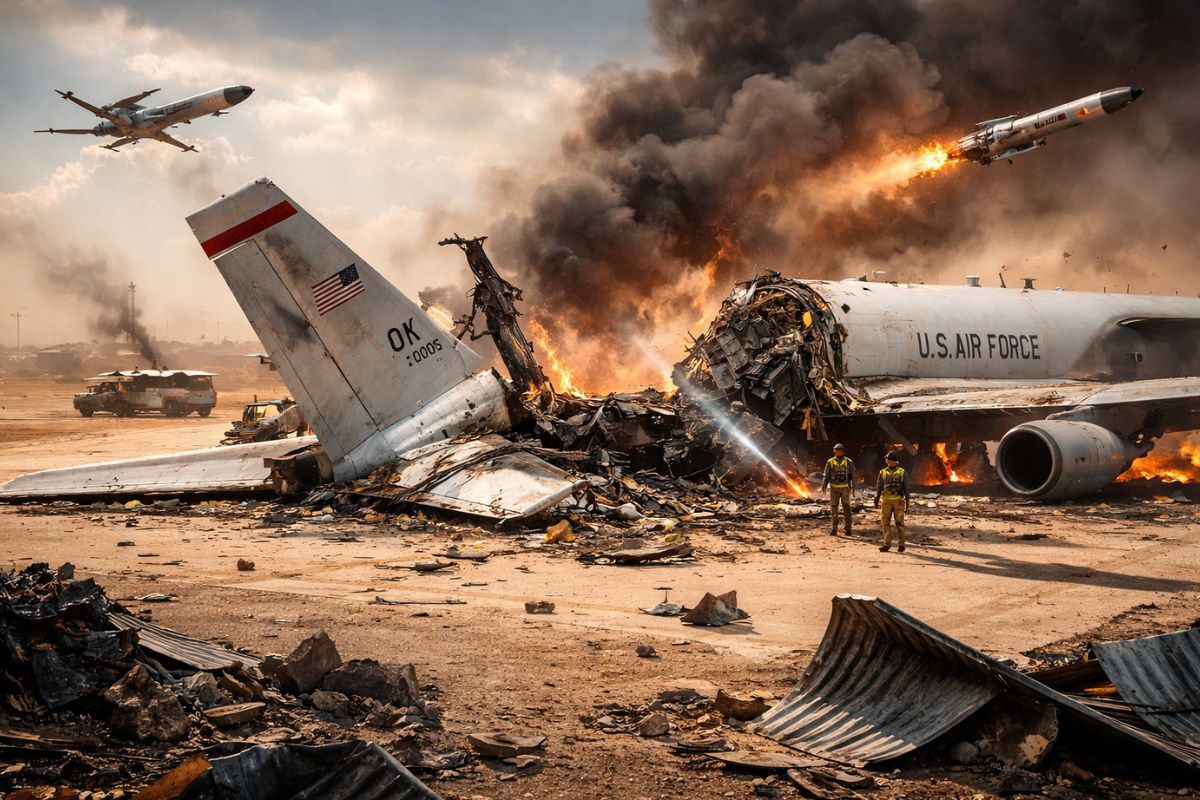
Iranian drones and missiles destroyed a 270 million dollar American spy plane in Saudi Arabia, splitting the E-3 Sentry aircraft in half and injuring 12 military personnel in an attack that exposes the vulnerability of U.S. bases in the Persian Gulf.

When this passage is at risk, the impact is not limited to the military field. The effect reaches the price of oil, the cost of maritime transport, insurance policies, and the predictability of international logistics chains.
Charles de Gaulle Becomes a Tool of Deterrence and Influence
The entry of the Charles de Gaulle group amplifies the political weight of the operation. An aircraft carrier represents not only military capability but also serves as a clear signal of presence, coordination, and response power in a region where every naval movement changes the strategic reading.
Together with the frigates and amphibious ships, the French force composes a maritime protection posture aimed at escorting commercial vessels and preventing a regional crisis from turning into an even greater shock to international trade.
Europe Tries to Protect Navigation and Avoid a New Energy Shock
The French advance also shows that Europe does not want to rely solely on diplomatic statements. The central concern is to prevent instability from compromising a vital route for energy supply and the circulation of goods on a global scale.
According to Reuters, an international news agency with global coverage, France speaks of a defensively oriented mission coordinated with European allies, focusing on protecting navigation and a safer future reopening of the maritime passage.
Ormuz Concentrates Huge Volumes of Oil and Gas
The weight of this area helps explain the reaction of European powers. The Strait of Ormuz functions as a bottleneck in the global economy because enormous volumes of oil and liquefied natural gas pass through it, making any local threat an international issue.
When there is a risk of blockage, delay, or operational restriction, markets react immediately. Oil prices fluctuate sharply, the maritime sector raises costs, and companies begin recalculating contracts, timelines, and margins across different sectors of the economy.
Maritime Insurance and Freight Costs Already Come into Play
One of the most sensitive effects appears in maritime insurance. In times of heightened tension, the cost to navigate in areas close to the conflict rises sharply, putting pressure on shipowners, increasing route costs, and raising the final value of international transport.
This movement can affect everything from fuels to fertilizers, chemicals, resins, and industrial inputs. For companies that depend on imports, exports, or global supply chains, instability in Ormuz shifts from being a distant topic to directly impacting cash flow and planning.
Brazil Also Feels the Squeeze When the Bottleneck Tightens
Even without directly depending on all the energy that crosses the region, Brazil feels the effects when the route comes under pressure. This occurs because international prices, maritime freight, and insurance costs influence foreign trade operations, industrial production, and transportation.
For those working in logistics, energy, ports, importation, or industry, the message is clear. Ormuz is not just a point on the map. It is a passage that can redefine costs, increase risks, and alter decisions across various markets simultaneously.
The movement of France confirms that the crisis has moved from the observation stage to active presence. By placing the Charles de Gaulle and other ships in the equation, Paris shows that the defense of navigation has become a real priority in one of the most strategic areas on the planet.
If tensions decrease, the escorting of ships may help restore some market confidence. If pressure increases, the very need for this protection will already be a signal that the route has started to influence energy, freight, and geopolitical readings far beyond the Middle East.







Seja o primeiro a reagir!