





 Portuguese
  English
  Spanish
  4 min of reading
  0 comments


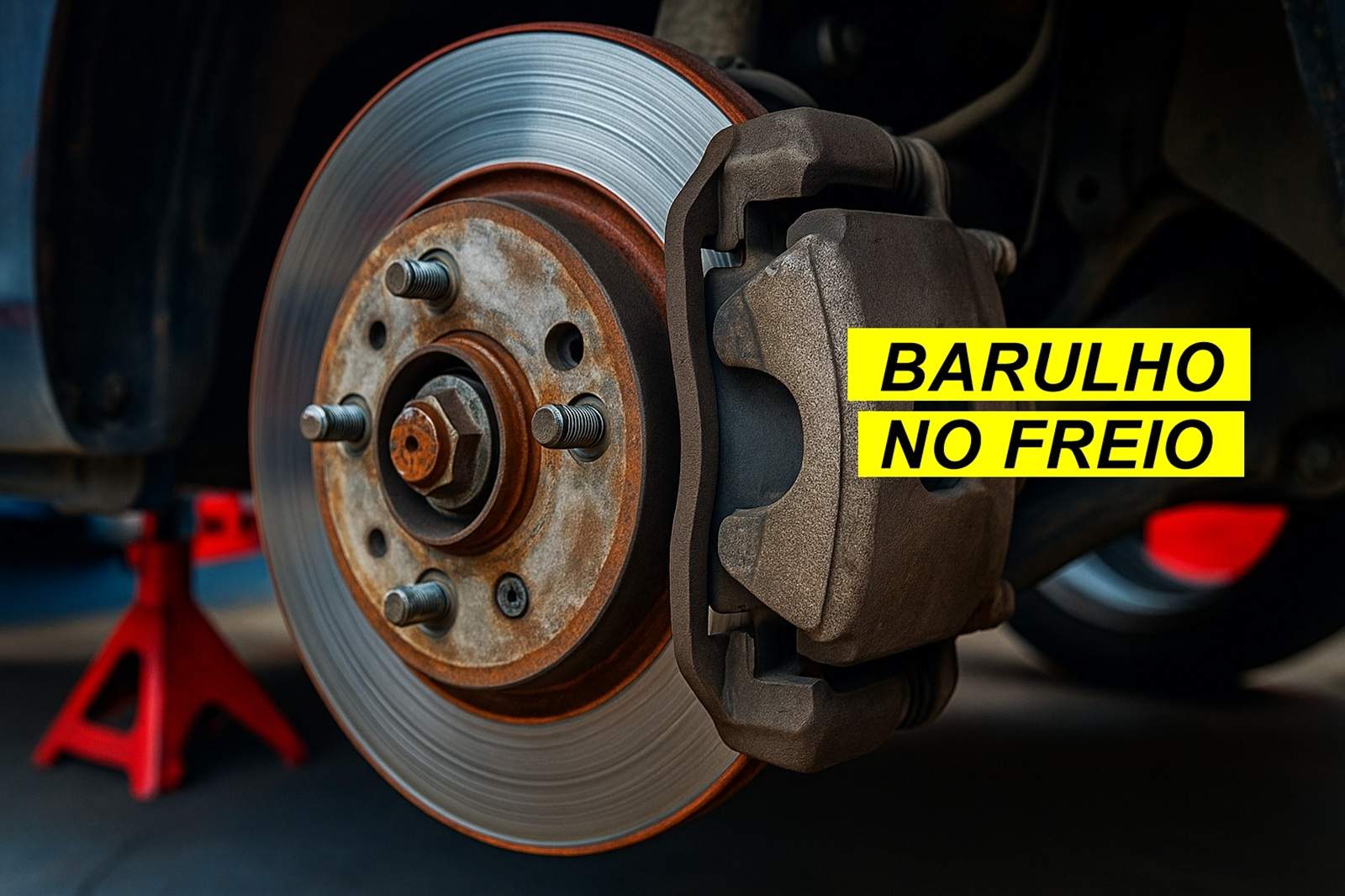
Chirps, Whistles, and Beeps in the Brake Don’t Always Indicate Serious Defects, But Can Reveal Everything from Deformed Discs to Glazed or Low-Quality Pads. Mechanic Explains How to Identify and Eliminate the Most Common Noises.
Noises in the braking system are among the most common complaints from drivers. Chirps, whistles, and vibrations when stepping on the pedal indicate that something is wrong.
Mechanic Ricardo Chiarato, from the channel Dr. Auto Mechanic, explained in a video what the main causes of these annoying sounds are and how to resolve them practically and safely.
Deformed Disc Is the Main Cause
According to Chiarato, the most common mistake occurs when the driver only replaces the pads but ignores the state of the disc.
-
Less than a Tera TSI, up to 710 km of range and charging in 9 minutes: the new BYD Song Ultra expands the Chinese brand’s bet on increasingly faster, more technological, and competitively priced electric SUVs.

-
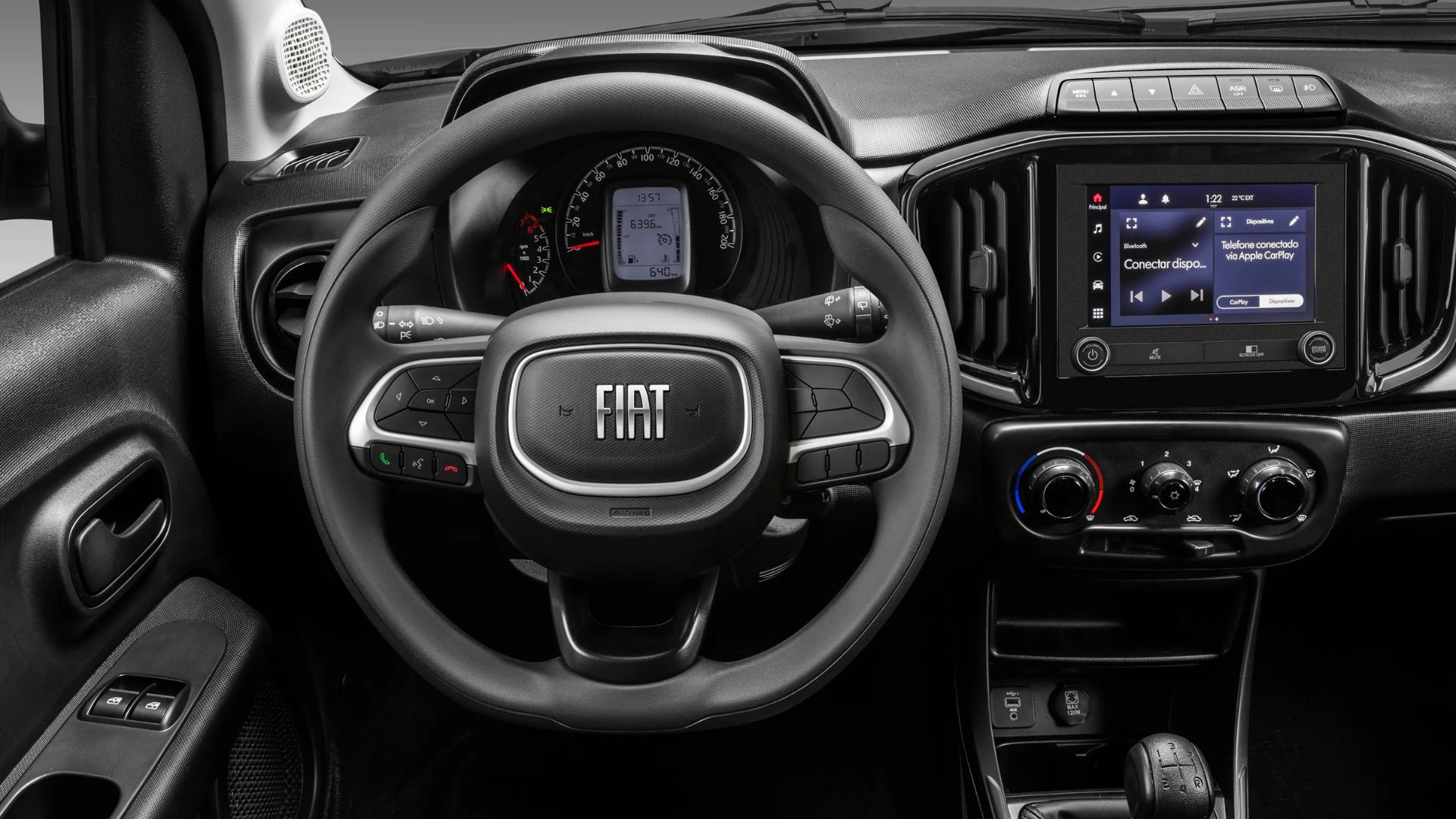
With a 1.0 engine producing 75 hp and costing less than R$ 70,000, Fiat’s car returns to the podium as the cheapest in the country; a temporary promotion for the 2026 Like version reduces the price of the Fiat Mobi.
-
With a mild hybrid system of 48 V, 176 hp and a price of R$ 175,990 in the Sahara version, the new Jeep Renegade changes mostly on the inside, improves slightly in fuel consumption, and remains almost the same car.

-
With a 293.5 cm³ engine and a range of up to 400 km with a 14.1-liter tank, the Honda CB 300F Twister 2026 has up to 24.7 hp, an initial price of R$ 25,150, and already exceeds R$ 29,000 in the Fipe Table.


Over time, the friction between the two components creates deformations and burrs at the edge and undulations in the center of the disc. If the disc is irregular, the new pad will not have complete contact with the surface, causing noise right from the first braking.
The correct solution is to evaluate the possibility of resurfacing. The disc has a wear tolerance indicated in a table, and if it is within the limit, the repair restores the original flatness. “The resurfacing makes the disc perfectly flat, ensuring perfect contact with the new pad,” emphasizes the mechanic.
Glazing Hardens the Pad and Causes Chirp
Another recurring problem is the glazing of the pad, a phenomenon that hardens the friction material and creates a shiny layer. This rigid surface produces chirps and scratches the disc.
The most frequent cause is the overheating of the system, generally caused by improper use of the brake.
Chiarato warns that many drivers go down hills disengaged and brake continuously, without using the engine brake. This habit raises the temperature and alters the composition of the pad, reducing its efficiency and lifespan. “Excessive heat hardens the material and causes the characteristic noise,” he explains.
Worn or Low-Quality Pad Also Generates Noises
When the component is nearing the end of its lifespan, the metallic sound indicates that it is time for replacement. The specialist recommends inspections every 10,000 kilometers.
Some brands incorporate a small metal plate to the pad, which emits a chirp when it touches the disc — this is a sound warning to alert the driver about wear.
Low-quality pads can also cause noises right after installation. The material used in their composition is harder and less efficient in braking. Therefore, the chirp may occur even in new pads.
Silencer and Adhesive Help Eliminate Vibrations
In cases where the noise persists, the market offers what is called a pad silencer, a spray similar to glue that is applied to the back of the pad before mounting. It fixes the piece to the brake caliper, eliminating small vibrations.
“This product does not alter the system’s operation nor interfere with the warranty. It only prevents the pad from moving and generating noise during braking,” explains Chiarato.
Some high-quality pads already come with an adhesive that serves this purpose, eliminating the need for the spray.
Cleaning and Lubrication Are Essential
Another frequently overlooked point is the pins that hold the brake caliper. If they are dirty or stuck, the return movement of the caliper is compromised, and improper friction can generate noise.
The mechanic recommends removing the two screws during the pad replacement, cleaning them, and applying a high-temperature wax capable of withstanding up to 600 °C. Lubrication should be done in the sliding area, never on the threads.
“When the car leaves the factory, everything is clean, and the caliper’s return is smooth. Over time, the accumulation of dust and residue from the pad hinders operation. Therefore, it is essential to clean and lubricate the system,” the specialist reinforces.
Preventive Maintenance Avoids Headaches
Chiarato concludes the video by reminding that preventive maintenance is the most effective way to avoid noises and preserve the braking system.
He recommends checking the set every 10,000 kilometers, using quality pads, and following the correct installation procedure.
With these simple measures, it is possible to eliminate chirps, increase the durability of the parts, and ensure safety during braking.








Seja o primeiro a reagir!