





 Portuguese
  English
  Spanish
  3 min of reading


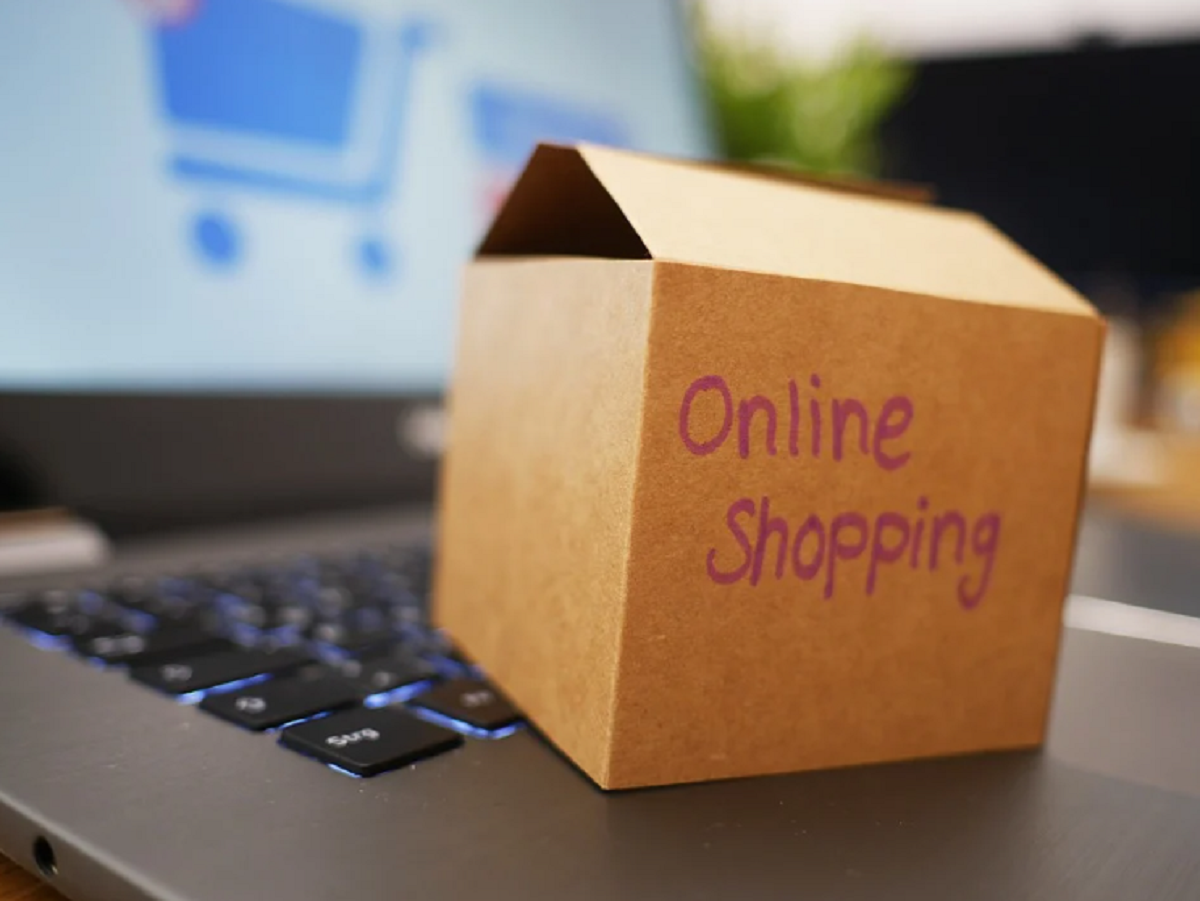
The Relationship Between E-Commerce Companies and Their Logistics Partners Has Changed Due to the Surge in Fuel Prices, Making the Offer of Free Shipping and Fast Deliveries More Scarce
Currently, it is evident that the continuous increase in fuel prices has caused changes in the relationship between e-commerce companies and their logistics partners. It is observed that contracts are becoming more flexible, while strategies like free shipping and fast deliveries (within 24 hours or less) are becoming increasingly scarce, given the occurrence of inevitable adjustments.
From this perspective, Guilherme Juliani – CEO of the logistics group Move3 – states that the scenario is changing rapidly, thanks to cost pressures and the entry of Asian e-commerce companies, such as AliExpress and Shopee, strong competitors in the country.
In light of this context, the executive argues that logistics plays a fundamental role, and that some transportation companies that entered into price conflicts to serve e-commerce are now facing serious financial difficulties.
-
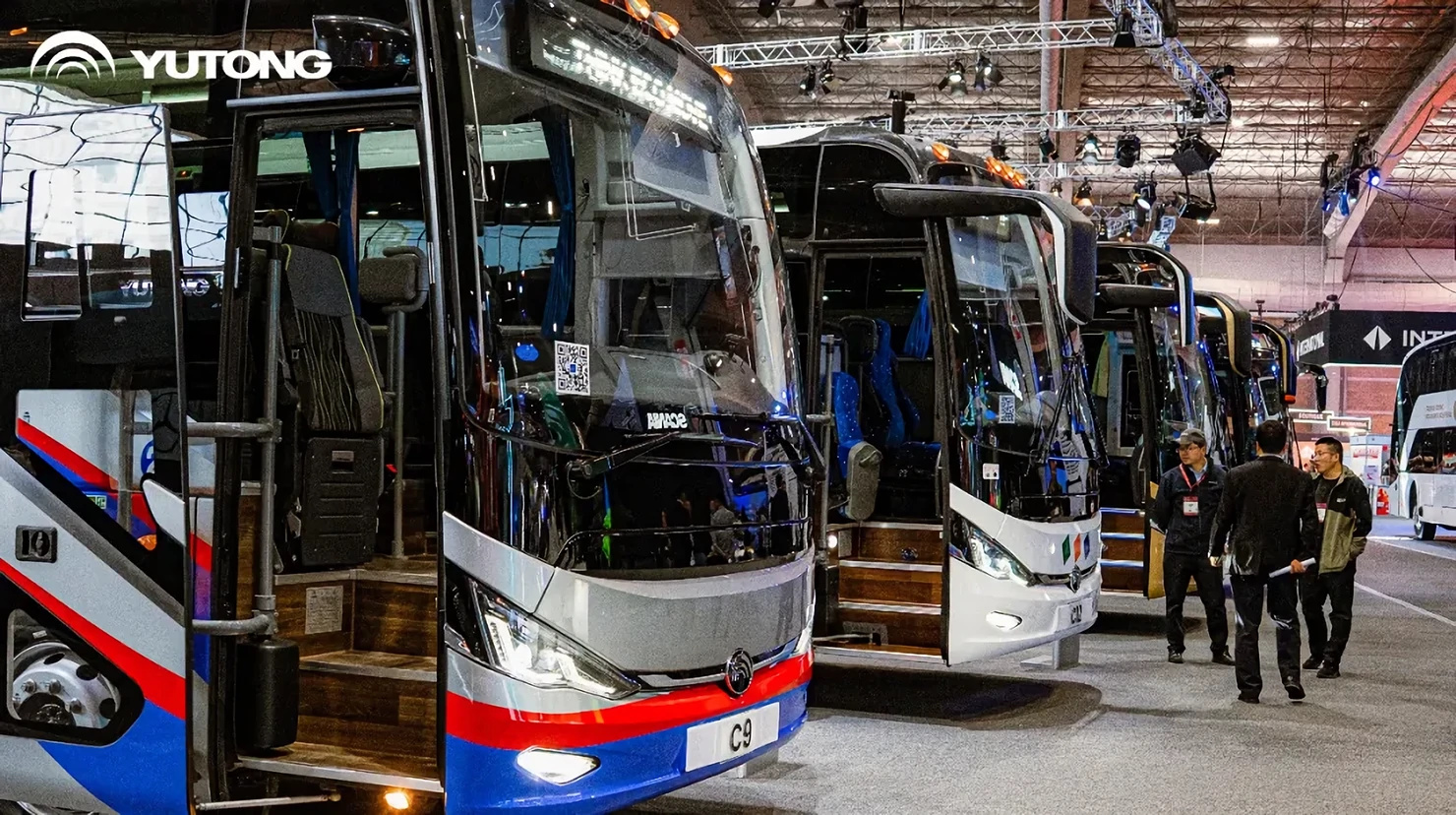
China advances into Mexico’s transportation with an electric bus that has a range of up to 530 km, bringing a complete line to the country in 2026 and transforming its partnership with Yutong into one of the most strategic in Latin American mobility.
-
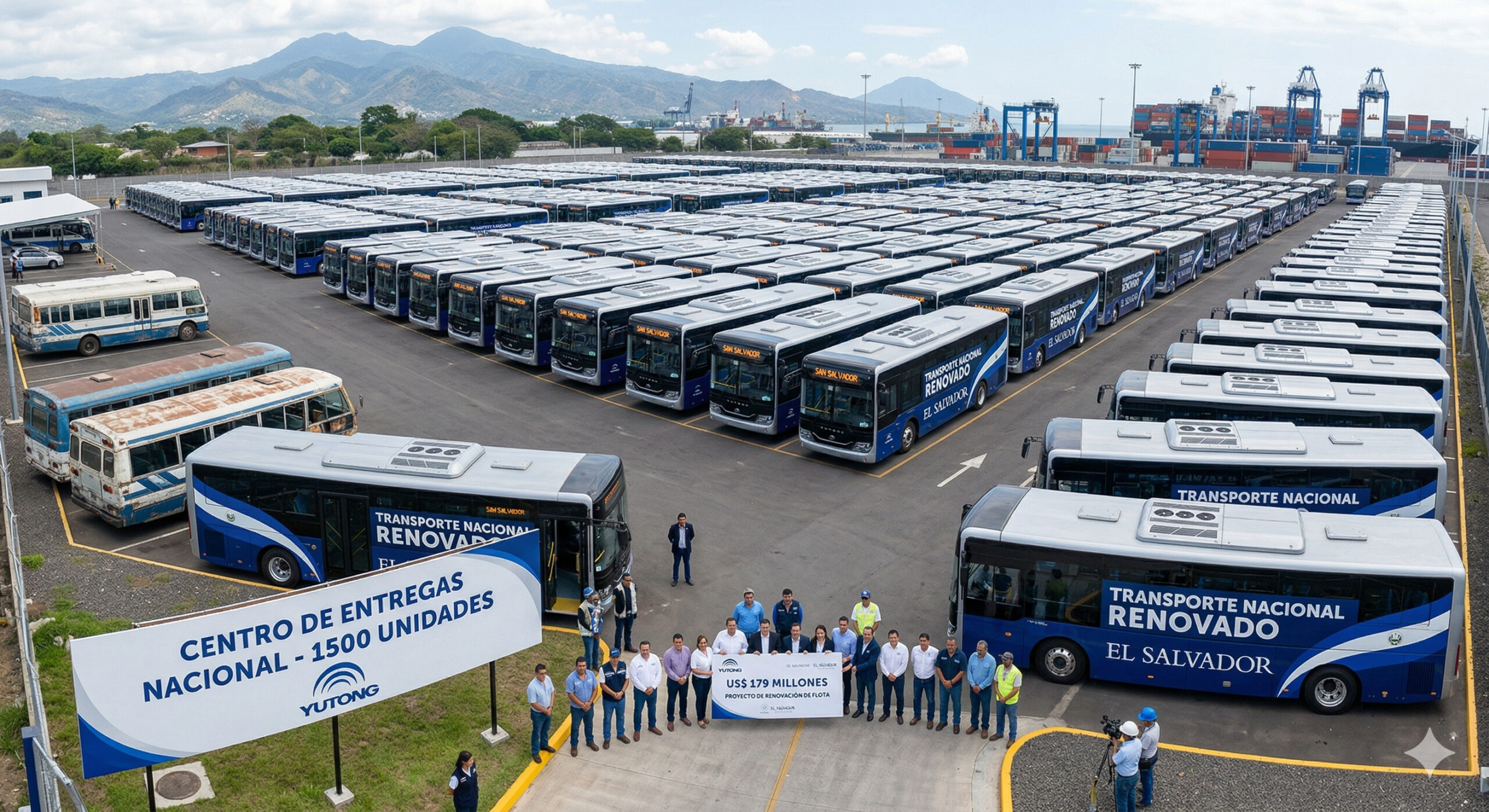
With 1,500 new buses financed by an international agreement, El Salvador is preparing the largest renewal in the history of its public transportation, a plan of $179 million with vehicles from the Chinese company Yutong that could replace practically the entire fleet of the country.
-
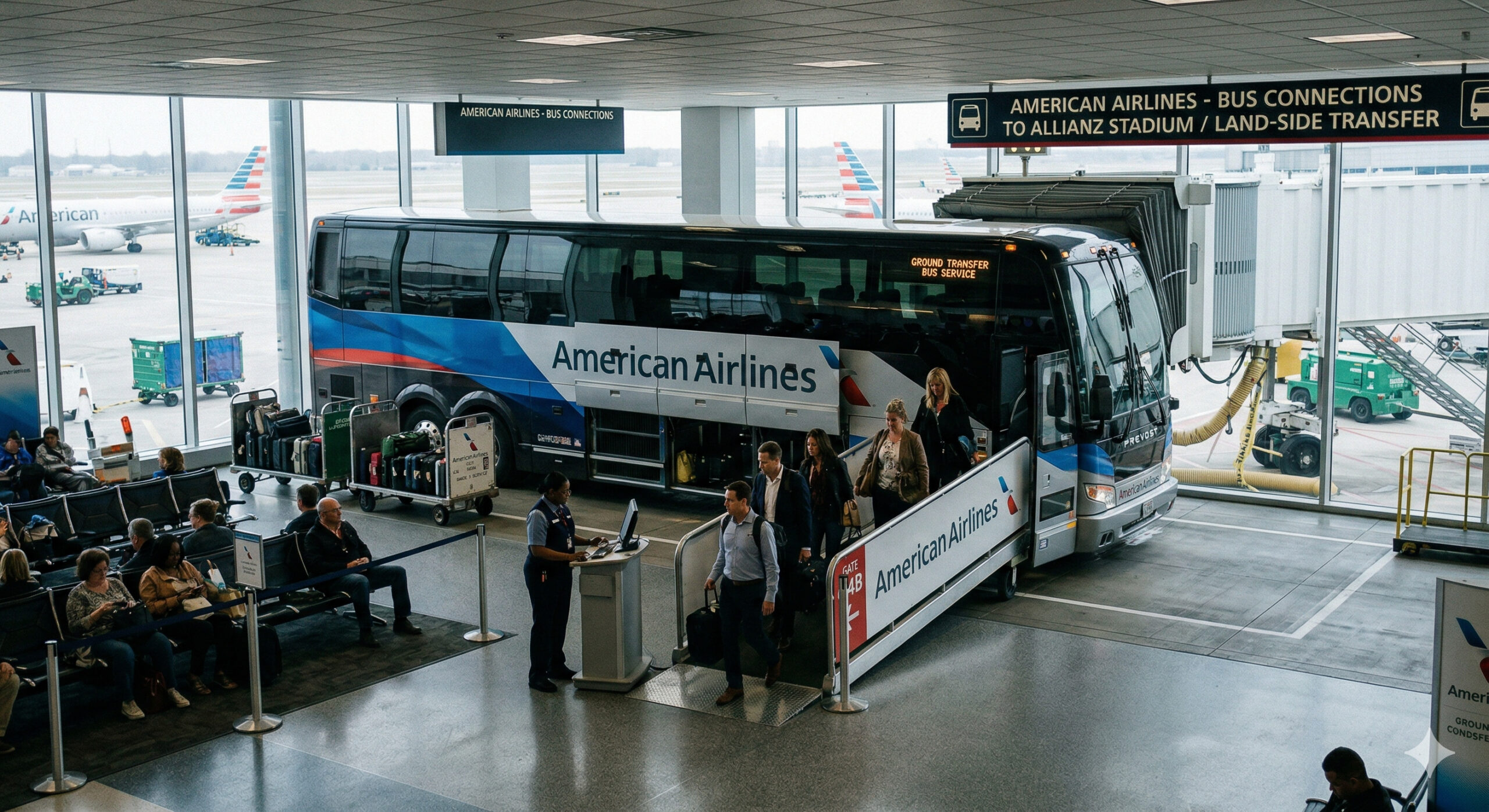
American Airlines starts selling trips as if they were flights, with check-in and baggage check at the airport, but on short routes, passengers board luxury buses connecting cities to major hubs in the U.S.
-
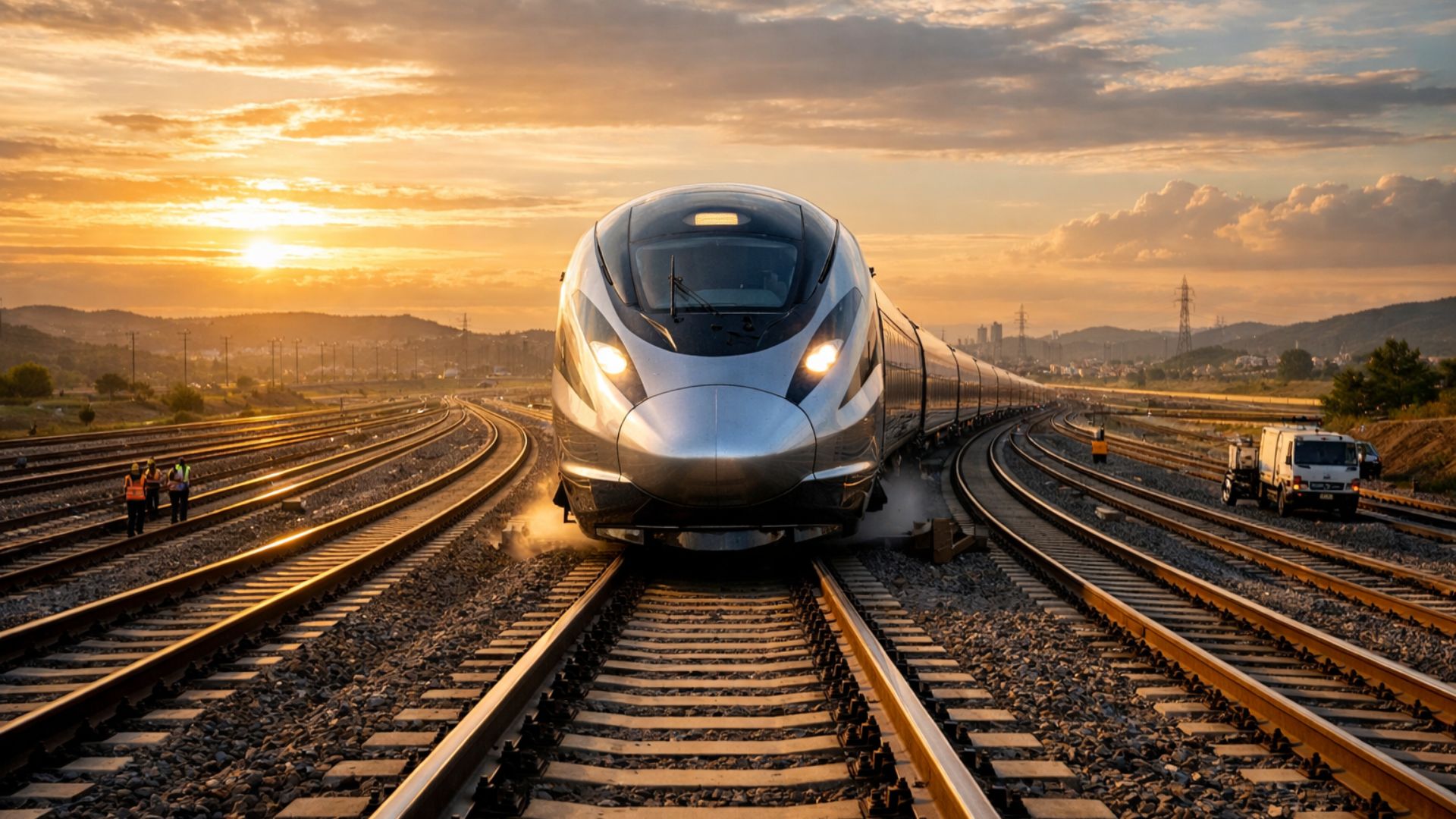
São Paulo surprises the world with a colossal railway network project that promises over 1,000 km of tracks, R$ 194 billion in investments, and 40 projects connecting the capital to the interior with fast and sustainable trains.
Executive Director of Abol Discusses the Current Scenario, in Which 40% of a Logistics Operator’s Costs Are Dedicated to Fuel
Marcella Cunha – executive director of the Brazilian Association of Logistics Operators (Abol) – states that, in the face of an unpredictable scenario in the fuel sector, strategies are changing, such that fast delivery and free shipping must be reduced, given their high and rising cost.
According to the director, determining the value of shipping has become more complicated, as today, 40% of a logistics operator’s costs are related to fuel. This percentage can even reach 60%, depending on the distance. According to her, the logistics operator cannot bear this cost and thus needs to pass it on to the customers.
The founder of the consulting firm Varese Retail and retail specialist, Alberto Serrentino, explains that retail is currently facing a series of challenges, not only associated with rising fuel prices. For him, the sector is undergoing an important and healthy adjustment that can mature the market, resulting in greater rigor in international policies.
E-Commerce Giants in Brazil Are Changing Their Strategies in Different Ways
As mentioned, free deliveries have become increasingly rare, requiring consumers to purchase more to qualify for the benefit. On Mercado Livre, for example, supermarket purchases should reach R$ 79.00 to guarantee free shipping. However, this amount has now been increased to R$ 199.00.
In a statement, the company exposed that, in light of the economic situation in Brazil and rising fuel prices, some updates to policies and costs of sale for mass consumption products, including supermarkets, have been made.
On the other hand, at Magazine Luiza, only those who shop through the app have access to free shipping, although this does not apply to all cases. The idea behind this strategy is that customers who install the app make purchases.






Seja o primeiro a reagir!